


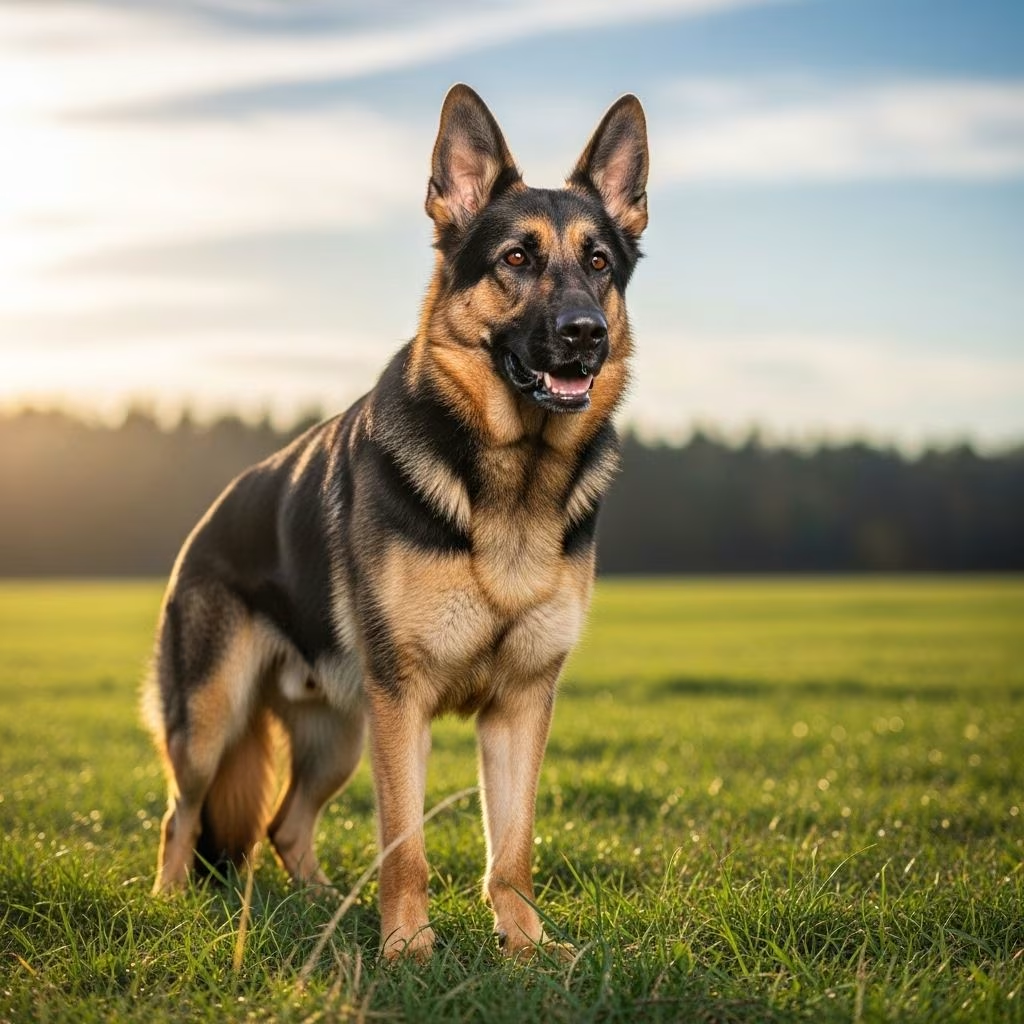
German Shepherd: Loyal, Intelligent, and Versatile Companion
The German Shepherd stands as one of the world’s most recognized and celebrated dog breeds, admired for unmatched intelligence, loyalty, trainability, and versatility. Whether serving as a courageous working dog, dependable service animal, or loving family member, the German Shepherd’s character and capabilities are legendary. This guide provides essential information about the German Shepherd’s history, physical traits, personality, care requirements, and more, helping you understand what makes this breed so special.
Breed Overview
- Group: Herding / Working
- Origin: Germany
- Size: Large
- Average Height: Males: 24–26 inches; Females: 22–24 inches
- Average Weight: Males: 65–90 lbs; Females: 50–70 lbs
- Life Span: 9–13 years
- Coat: Double-layered, short to long, dense
- Energy Level: High
- Temperament: Loyal, intelligent, courageous, active, protective
Breed History & Origin
The German Shepherd originated in Germany in the late 19th century. Developed by Captain Max von Stephanitz, the breed was carefully crafted by crossing various sheepdogs to create an ideal working and herding dog. Valued for their intelligence, obedience, and stamina, German Shepherds quickly rose to prominence as versatile working dogs. By the early 20th century, their talents were recognized internationally, leading to their service in police work, military roles, search and rescue, and eventually becoming trusted family companions.
Physical Characteristics
German Shepherds are medium to large-sized dogs, instantly recognizable by their proud stance, athletic build, and alert demeanor. Their distinguishing features include:
- Head & Expression: Noble, strong head with erect, pointed ears and an intelligent, questioning expression.
- Body: Well-muscled, slightly elongated body (ratio roughly 10:8.5), with a deep chest and bushy tail that extends to the hock.
- Coat: Dense double coat available in two main lengths: medium and long. The undercoat is thick, with the outer coat lying close and flat.
- Color: Most commonly tan/black or red/black saddle coats. Other color variations include sable, solid black, bi-color, and rarer shades such as liver, silver, blue, and panda. All-black and sable varieties are recognized; all-white, liver, and blue are disqualified or penalized in some breed standards.
Table: German Shepherd Physical Traits
| Trait | Details |
|---|---|
| Height | 22–26 inches at the withers |
| Weight | 50–90 lbs, depending on sex |
| Coat Types | Short (medium), long-haired |
| Colors | Black & tan (saddle), black & red, sable, all black, bi-color, and rarer forms |
| Facial Features | Large, erect ears; dark almond-shaped eyes; black nose |
German Shepherd Temperament & Personality
German Shepherds are celebrated for their courage, confidence, and steadfast devotion to their families. Their personality is a blend of:
- Protectiveness: Loyal and naturally protective, they are known to form deep, lasting bonds with family, acting as vigilant guardians.
- Intelligence: Exceptionally quick learners with keen problem-solving abilities—traits that make training both enjoyable and essential.
- Versatility: Equally at home as working dogs, competitors in sports, or affectionate family pets.
- Reserved Nature: Typically aloof or reserved with strangers, but friendly and approachable within their trusted circle.
- High Energy: Enjoys engaging play, exercise, and mental challenges, requiring a home that can match their drive and enthusiasm.
Despite their formidable presence, well-socialized German Shepherds are gentle with children and often calm, affectionate, and playful companions.
Behavior, Socialization, and the Need for Purpose
German Shepherds are hardwired for activity and engagement. They thrive when given a meaningful role or regular tasks. Without companionship, exercise, and mental enrichment, they may become restless, vocal (notorious for their loud bark), or develop undesirable habits like excessive chewing or attempting to escape. Early socialization—exposing puppies to diverse people, environments, and other animals—is crucial for nurturing confidence and staving off overprotectiveness or suspicion toward strangers.
Trainability & Intelligence
Widely regarded among the world’s smartest breeds, German Shepherds excel at learning complex commands and interpreting nuanced instruction. Their drive to please paired with sensitivity to owner responses means positive reinforcement techniques work best. Common traits include:
- Quick learners: Easily master new tasks and adapt to training.
- Keen sense of purpose: Thrive on having jobs—be it herding, agility, obedience, or therapy work.
- Watchdog alertness: Respond rapidly to sound and movement, making them exceptional protectors.
Owners should incorporate regular training sessions and stimulating activities throughout adulthood to keep the German Shepherd mentally sharp and content.
German Shepherd Care
Exercise Requirements
German Shepherds possess significant stamina and athleticism that require:
- At least two hours of daily exercise in adulthood, including walks, runs, fetch, obedience, or interactive games.
- Opportunities for mental stimulation via puzzle toys, tracking or scent games, and structured training sessions.
- Participation in sports such as agility, herding trials, and Schutzhund for highly driven individuals.
Without sufficient exercise or mental engagement, behavioral issues like barking, pulling on the leash, or destructive chewing can emerge.
Training Tips
- Start training early—ideally at 8 weeks old—to set clear boundaries and expectations.
- Focus on positive reinforcement: reward good behavior, redirect or ignore the undesirable.
- Encourage socialization with people, other dogs, and new experiences to prevent defensiveness or fearfulness.
- Use structured routines and varied tasks to keep training sessions engaging.
Grooming Needs
With their double coats, German Shepherds require regular grooming:
- Brush coats weekly, more frequently during seasonal shedding (“blowing coat”).
- Check ears for debris or infection and keep nails trimmed.
- Bathe only as needed to avoid drying out natural skin oils.
Long-haired varieties demand extra attention to prevent tangling and mats.
Health Considerations
While generally robust, German Shepherds are prone to certain hereditary and acquired health issues. Responsible breeding, regular check-ups, and a healthy lifestyle are vital.
- Hip and elbow dysplasia: Malformation of the joints, potentially leading to arthritis or mobility problems.
- Degenerative myelopathy: A progressive neurological disorder affecting the spinal cord.
- Bloat (gastric dilatation-volvulus): A life-threatening condition requiring prompt veterinary care.
- Allergies and skin conditions: Can include food or environmental triggers, leading to itching, ear infection, or hair loss.
- Other issues: Certain eye diseases, heart concerns, and immune-mediated disorders can occasionally arise.
Tips for Health Maintenance
- Choose a breeder who screens for genetic diseases.
- Schedule annual wellness exams and maintain vaccinations.
- Feed a balanced, breed-appropriate diet and monitor weight to support joint health.
Living With a German Shepherd
Owning a German Shepherd is a long-term commitment to an energetic, intelligent canine who considers themselves a part of the family. Key points to consider:
- Space: Best suited to homes with a secure yard; may become restless in small apartments without adequate outlets for activity.
- Companionship: Thrive on interaction; may develop separation anxiety if left alone for extended periods.
- Children and other pets: Typically gentle when socialized early, but supervision is advised due to their strength and protective instincts.
- Barking: Known for being vocal—training and routine help manage excessive barking.
German Shepherds at Work
German Shepherds are among the most versatile working breeds ever developed, excelling in diverse tasks owing to their intelligence, stamina, and courage. Common roles include:
- Police and Military: Detection, protection, apprehension, and tracking duties.
- Search and Rescue: Locating missing persons after disasters or in wilderness regions.
- Service and Assistance: Guide dogs for the visually impaired, hearing dogs, therapy dogs, and emotional support animals.
- Sport: Agility, obedience competitions, Schutzhund, and herding trials.
Nutrition & Feeding
A balanced diet is vital to maintaining your German Shepherd’s vitality and supporting optimal growth, metabolism, and joint health. Feed high-quality dog food appropriate to the dog’s age, size, and activity level. Monitor treats and snacks to avoid unhealthy weight gain. Consider joint-support supplements with your veterinarian’s advice, especially in older dogs or those predisposed to musculoskeletal issues.
Grooming & Shedding
German Shepherds have a reputation for heavy shedding (“German Shedders”). Most shed year-round, with seasonal increases. Consistent grooming minimizes loose fur and keeps the coat healthy. Bathing once every few months, unless dirty from activity, preserves coat oils. Regular inspection for fleas, ticks, or skin issues should be part of your grooming regimen.
Adoption & Buying Considerations
- Consider rescue groups or breed-specific organizations in addition to reputable breeders.
- Ask breeders about DNA testing, health screening records, and socialization practices for puppies.
- Prepare for the activity and attention a young German Shepherd requires.
- If adopting, learn about the dog’s temperament and any prior training or behavioral issues.
Frequently Asked Questions (FAQs)
Q: Are German Shepherds suitable for first-time dog owners?
A: While intelligent and highly trainable, German Shepherds require experienced, active owners committed to socialization, training, and their exercise needs. With the right guidance, they can thrive even in a novice home willing to invest time and energy.
Q: Do German Shepherds get along with children and other pets?
A: German Shepherds are typically gentle and protective with children when socialized early. Proper introductions and supervision are key when integrating them with smaller pets or unfamiliar animals.
Q: How much exercise does a German Shepherd need daily?
A: Adults require a minimum of two hours of physical exercise plus mental stimulation every day. Boredom or under-stimulation can quickly lead to behavioral problems.
Q: What are common health issues in German Shepherds?
A: Hip and elbow dysplasia, degenerative myelopathy, allergies, bloat, and certain skin and eye conditions are more common; responsible breeding and routine veterinary care can reduce risks.
Q: Are German Shepherds aggressive?
A: German Shepherds are not naturally aggressive but have strong protective instincts. Responsible ownership, early socialization, and consistent training prevent unwanted aggression.
Q: How often do German Shepherds need grooming?
A: Weekly brushing is vital, with more frequent grooming during heavy shedding periods.
In Summary
German Shepherds combine intelligence, loyalty, and a desire to serve, making them extraordinary working dogs and cherished companions. With proper training, regular exercise, and dedicated care, a German Shepherd rewards their family with devotion, protection, and love for years to come.


