Maltipoo Dog Breed: Complete Guide
The Maltipoo is a charming hybrid breed that has quickly become a favorite among dog lovers seeking an affectionate, intelligent, and hypoallergenic pet. As a cross between the Maltese and the Toy or Miniature Poodle, the Maltipoo is celebrated for its unique combination of positive traits inherited from both parent breeds. This article covers the Maltipoo’s history, personality, appearance, care, health, and much more, equipping prospective owners with all the knowledge needed to welcome this delightful dog into their lives.
Breed Overview
| Trait | Description |
|---|---|
| Common Name | Maltipoo |
| Parent Breeds | Maltese & Poodle (Toy/Miniature) |
| Group | Hybrid / Designer |
| Height | 20–35 cm (8–14 inches) |
| Weight | 2–9 kg (4–20 lbs) |
| Life Expectancy | 10–15 years |
| Coat Type | Curly or wavy, low-shedding, hypoallergenic |
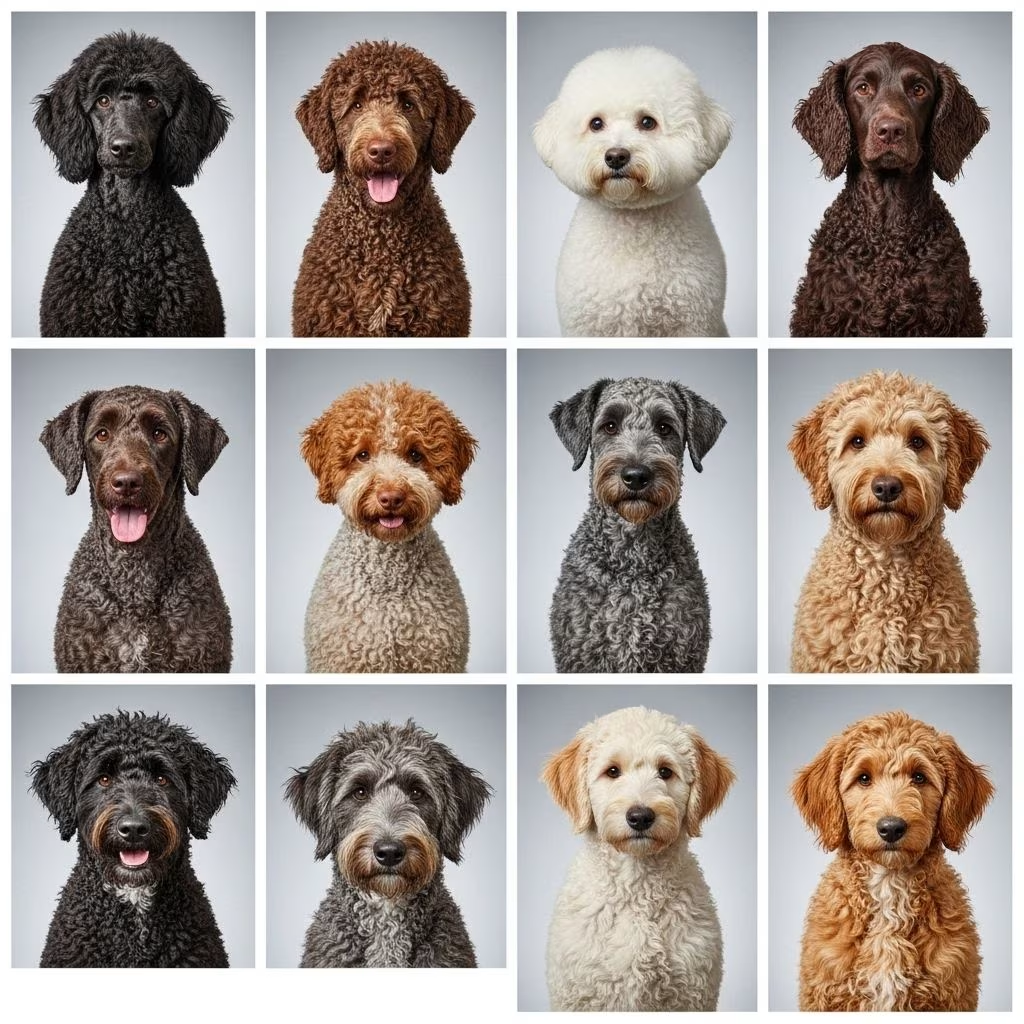
| Colors | White, cream, fawn, brown, black, silver, rare: blue, liver |
History and Origins
The Maltipoo emerged in the United States during the late 1990s as part of the designer dog trend. The goal was to create a small companion dog that would be affectionate, highly trainable, and low-shedding. Breeders combined the Maltese, valued for its gentle nature and elegant white coat, with the Poodle, celebrated for intelligence and hypoallergenic qualities. While the breed itself has a relatively short, recent history, it is rapidly growing in popularity across the world due to its desirable blend of characteristics.
Appearance
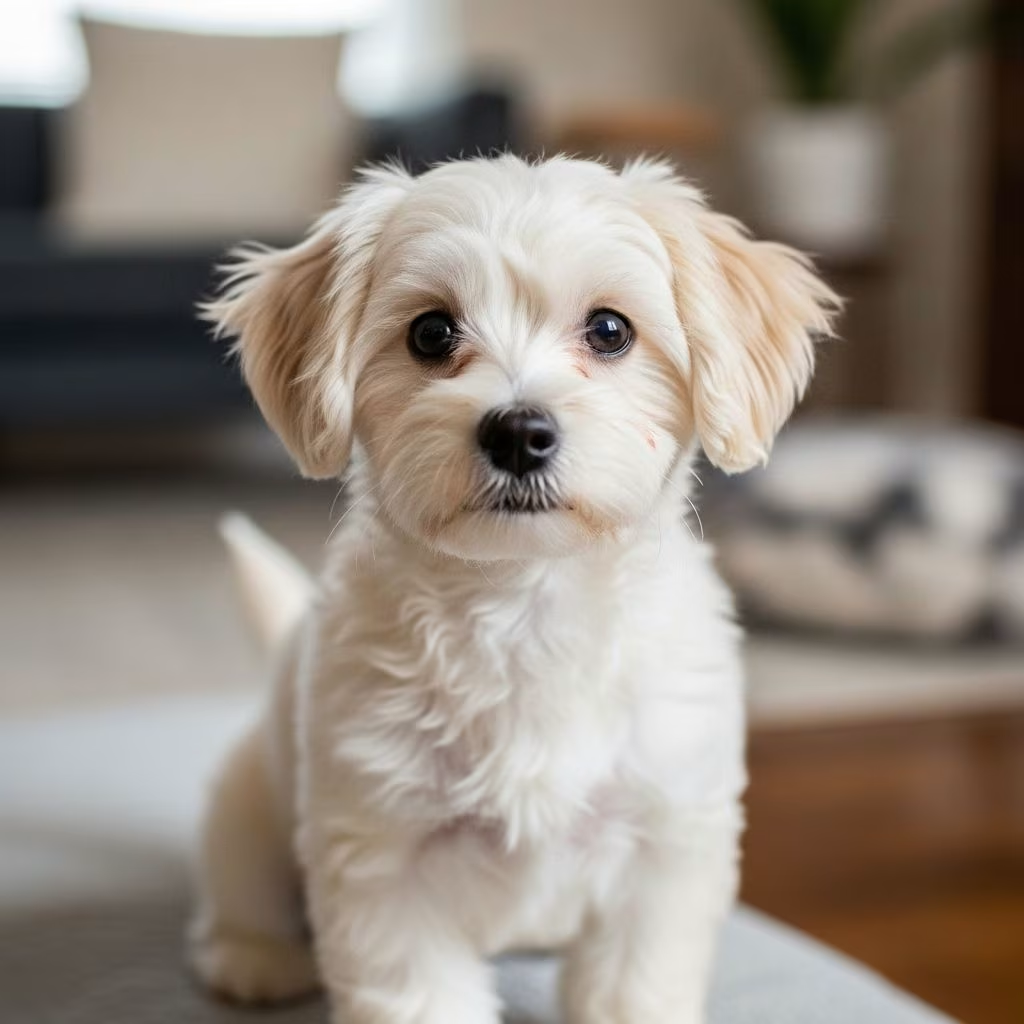
Maltipoos are small-sized dogs exhibiting an array of adorable physical features that can vary depending on which parent breed they most resemble. Some defining traits include:
- Head Shape: Rounded, with expressive, round eyes.
- Ears: Floppy, set high, and covered with soft fur.
- Body: Small but athletic and agile, with a compact build.
- Coat: Curly or wavy, soft to the touch, and often touted as hypoallergenic. Coat colors range from classic white and cream to brown, black, silver, beige, and rarer hues such as blue and liver.
- Expression: Playful and bright-faced, often likened to a teddy bear due to their endearing appearance.
Maltipoos’ coats require grooming but shed minimally, making them a popular option for those with mild pet allergies.
Personality and Temperament
The Maltipoo is celebrated for its delightful personality, embodying the best of both the Maltese and Poodle temperaments:
- Social and Affectionate: Forms strong bonds with family, craving companionship and often acting as a “shadow” to their people.
- Intelligent and Trainable: Quick learners, eager to please, and excel with positive reinforcement training. They enjoy mental challenges like learning new tricks and interactive games.
- Playful and Energetic: Loves interactive playtime and short, regular walks. Their bouncy, lively nature makes them popular playmates for kids and adults alike.
- Friendly with Children and Other Pets: Maltipoos generally get along well with children and other animals, though supervision is recommended with very young children due to the dog’s small size.
- Alert and Protective: Despite their diminutive stature, they are naturally alert and may bark at strange noises or house guests. This trait can make them effective little watchdogs, though they are far from being aggressive.
- Adaptable: Comfortable living in apartments, suburban houses, or households with limited outdoor space as long as they receive adequate exercise and affection.
Their gentle and loving demeanor makes them ideal pets for seniors, singles, or families looking for a devoted companion.
Living With a Maltipoo
Maltipoos thrive in a variety of living situations. Their small size and minimal exercise requirements make them particularly well-suited to urban or apartment life. However, they require regular engagement:
- Exercise: Moderate activity needs. Daily short walks and indoor play sessions are typically sufficient to keep them healthy and stimulated.
- Mental Stimulation: Their high intelligence means they benefit from puzzle toys, obedience training, and social interaction. Boredom can lead to undesirable behaviors such as barking or chewing.
- Socialization: Early, positive socialization with people, pets, and varied environments fosters confidence and curbs anxiety or timidity.
While Maltipoos are generally content indoors, they enjoy exploring safe outdoor areas. Supervision is necessary due to their small stature and curious nature.
Care and Grooming
Caring for a Maltipoo involves a few important routines:
- Coat Maintenance: Their wavy or curly coats can be prone to matting and tangling. Regular brushing (at least a few times weekly) with a soft brush or metal comb helps prevent knots. Occasional professional grooming keeps their fur neat and hygienic.
- Bathing: Bathe as needed, typically every 3–4 weeks, using a gentle dog shampoo to retain skin health and coat quality.
- Eye and Ear Care: Clean eyes and ears regularly to prevent discharge or infection—Maltipoos can be prone to tear staining.
- Dental Care: Brush their teeth several times a week with canine toothpaste to prevent periodontal disease.
- Nail Trimming: Trim nails as needed, usually every 2–4 weeks.
These grooming habits, along with a nutritious diet and exercise, help ensure a happy, healthy Maltipoo.
Nutrition and Feeding
Maltipoos require a balanced diet appropriate for their size and life stage:
| Life Stage | Recommended Diet |
|---|---|
| Puppy | High-protein, small-breed puppy food |
| Adult | Quality adult small-breed dog food, adjust for weight control |
| Senior | Senior formula or diets with joint support as needed |
- Feed measured portions to prevent overeating.
- Always provide fresh water and avoid feeding human foods that may be toxic to dogs.
- Consult a veterinarian for customized feeding guidance based on age, weight, and activity level.
Health and Potential Issues
Generally, Maltipoos enjoy robust health and a lifespan of 10–15 years when well cared for. However, as a hybrid breed, they may inherit certain health issues from their parent breeds. Common concerns include:
- Dental Disease: Small dogs are prone to tartar and gum disease—regular cleaning is essential.
- Patellar Luxation: This is a kneecap dislocation that can cause hind limb discomfort, common in small breeds.
- Progressive Retinal Atrophy (PRA): An inherited eye disorder that can lead to blindness.
- White Shaker Syndrome: Characterized by tremors in small, white dogs, sometimes seen in the Maltese lineage.
- Ear Infections: Their floppy ears can trap moisture and debris.
- Collapsed Trachea: A respiratory issue seen in some toy breeds.
Routine vet visits, vaccinations, and responsible breeding practices can mitigate many potential health problems. Always seek breeders who test for hereditary diseases and care for the parents’ health.
Training Your Maltipoo
Maltipoos are highly trainable thanks to their intelligence and eagerness to please. Effective training methods include:
- Positive Reinforcement: Use treats, praise, and play for motivation. Harsh discipline can erode trust.
- Early Socialization: Expose puppies to various people, pets, and environments for a confident, well-adjusted adult dog.
- Consistency: Establish routines for house training and obedience to reinforce learning.
Training should be fun and rewarding, making the process enjoyable for both dog and owner.
Is a Maltipoo Right for You?
The Maltipoo is ideal for those seeking:
- A small, adaptable, and affectionate companion who thrives on human interaction.
- A hypoallergenic dog (lower shedding, though no dog is truly 100% hypoallergenic).
- A pet that fits well in both apartments and houses.
- A family dog that gets along with kids and other pets (with supervision for very young children).
- A playful yet manageable daily exercise routine.
Maltipoos are less suitable for those away from home for extended hours, as they crave close contact and can develop separation anxiety if left alone too long. Consistent companionship, interaction, and care are crucial to their well-being.
Frequently Asked Questions (FAQs)
Q: Are Maltipoos truly hypoallergenic?
A: Maltipoos are considered low-shedding and often suitable for people with mild allergies, but no dog is completely hypoallergenic. Regular grooming further reduces allergens.
Q: How much exercise does a Maltipoo need?
A: Maltipoos generally need moderate daily exercise. Short walks and indoor playsessions are usually enough to meet their activity needs.
Q: Are Maltipoos good with children and other pets?
A: Yes, Maltipoos tend to be very friendly and sociable. They get along well with children and other dogs when properly socialized and supervised.
Q: What are common health issues in Maltipoos?
A: Some inherited conditions include patellar luxation, dental issues, ear infections, and PRA. Regular vet care and responsible breeding can help minimize risks.
Q: How often should a Maltipoo be groomed?
A: Maltipoos require brushing at least several times a week, routine ear and eye cleaning, regular nail trims, and professional grooming every few months for optimal health.
Key Points on the Maltipoo
- Maltipoos combine affectionate, playful, and intelligent traits from both parent breeds.
- Low-shedding coats make them a popular choice for allergy sufferers.
- Great family companions, especially in homes willing to offer attention, love, and mental stimulation.
- Adaptable to small living spaces, as long as daily interaction and moderate exercise are provided.
References
- https://www.hillspet.com.au/dog-care/dog-breeds/maltipoo
- https://embarkvet.com/resources/dog-breeds/maltipoo/
- https://www.vetamerikan.org/our-best-friends/dog-types/maltipoo
- https://pottybuddy.co/blogs/potty-buddy-blog/maltipoo-dog-breed-information-and-characteristics
- https://figopetinsurance.com/blog/get-to-know-maltipoo
- https://bestfriendspetcare.com/maltipoo-guide/