The Pekingese is a distinctive and ancient toy dog breed, celebrated for its lionlike appearance, storied imperial past, and spirited personality. Once restricted to Chinese royalty, today’s Pekingese enchants families worldwide with its unique charm, loyalty, and elegance. This comprehensive guide covers every aspect of the Pekingese breed, from early history to health, temperament, care requirements, and frequently asked questions.
Breed Overview
| Breed Group | Toy |
|---|---|
| Origin | Ancient China |
| Height | 6–9 inches (15–23 cm) |
| Weight | up to 14 pounds (6 kg) |
| Lifespan | 12–14 years |
| Coat Type | Long, double-coated |
| Colors | Fawn, black, red, cream, gray, sable, with or without black mask |
History and Legendary Origins
The Pekingese’s origins are steeped in rich legend and historical fact, with a documented history tracing back more than 2,000 years in imperial China. According to folklore, the breed emerged from a lion whose size was reduced by the gods so he could marry a marmoset monkey, symbolizing the Pekingese’s bold heart in a small body.
- Sacred Status: Pekingese were regarded as sacred lapdogs, reserved only for the Chinese imperial family and high-ranking nobles. Ownership outside imperial circles was forbidden, and commoners were required to bow before them.
- Palace Life: These dogs enjoyed lavish lives, pampered on silk cushions and tended by palace eunuchs. Some were so tiny they were called “sleeve dogs” because royalty carried them in their robes’ sleeves.
- Role in Buddhism: Their lion-like appearance was seen as embodying Buddhist symbols of strength, protection, and good fortune.
- Western Introduction: The breed reached the West in 1860 when British forces, after the Second Opium War, discovered five Pekingese in Beijing’s Imperial Palace. These dogs were brought to England, presented to Queen Victoria, and soon became a fashionable companion across Europe and America.
- Influence on the West: The West romanticized the Pekingese’s imperial past, inspiring breed standards and artistic representations that highlighted its oriental mystique.
Physical Characteristics
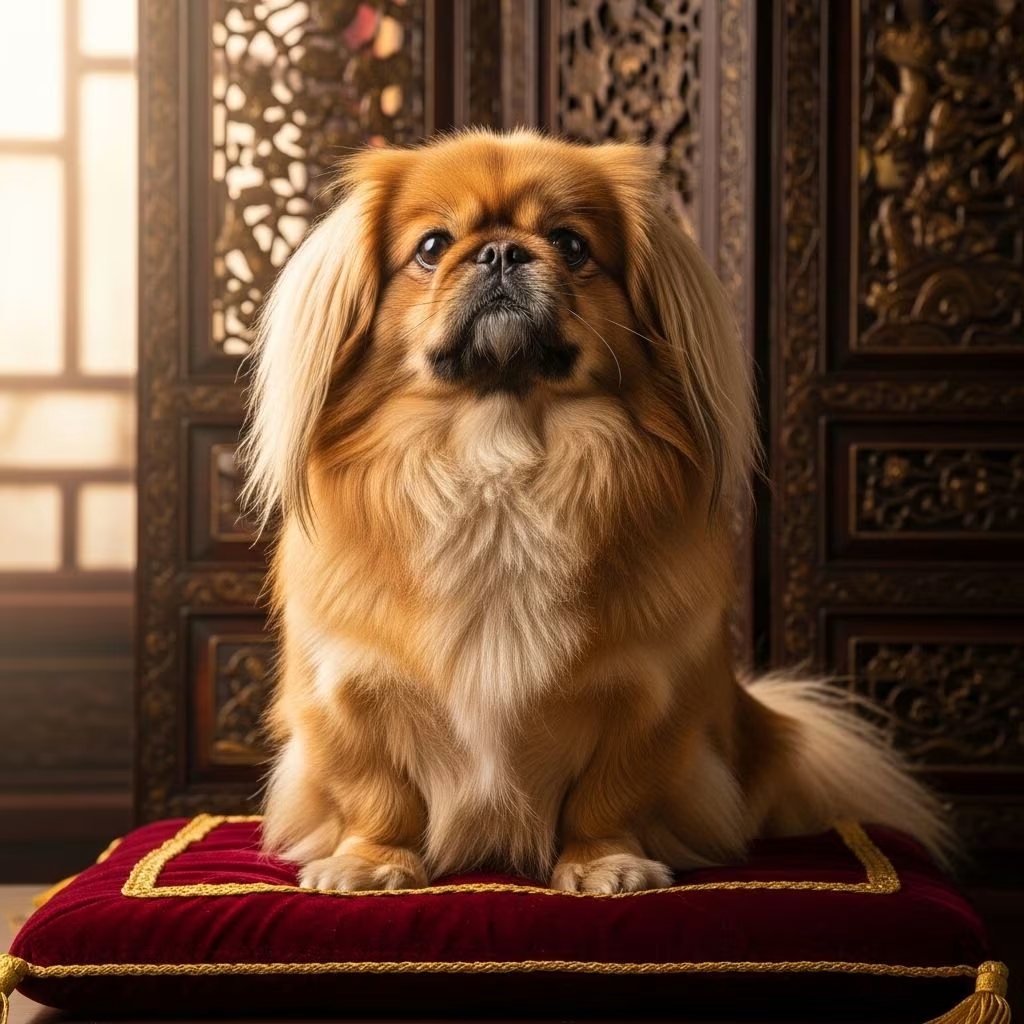
The Pekingese is best known for its striking lionlike look— a sturdy, compact toy dog with a luxurious double coat and distinctive facial features.
- Size: Small, standing 6–9 inches at the shoulder and weighing up to 14 pounds.
- Body: Pear-shaped, low to the ground with a broad chest and moderate bone.
- Face: Flat (brachycephalic) with a broad, flat skull, short wrinkled muzzle, dark prominent eyes, and feathered, pendant ears.
- Coat: Thick and long, with a unique full mane (particularly around the neck and shoulders) and profuse feathering on the thighs, tail, forelegs, and toes.
- Colors: Wide array including fawn, black, red, cream, gray, sable, or a combination, often with a black mask. Sable fawn is especially iconic.
- Gait: Notable for its slow, rolling, dignified walk.
Distinctive Features
- Sleeve Dogs: Tiny Pekingese, bred to be carried in sleeves of royal garments.
- Lion Dog: The flowing mane and proud, compact stance bring to mind a miniature lion—hence one of its nicknames.
Personality and Temperament
The Pekingese possesses a bold, independent spirit wrapped in a dignified, affectionate package. Despite its small size, the breed exhibits the courage and confidence of a much larger dog.
- Regal Demeanor: Reserved and dignified, sometimes seeming aloof with strangers but deeply loyal to its family.
- Intelligent and Alert: Observant and aware, often making an excellent little watchdog.
- Affectionate: While often content to lounge solo, Pekingese form tight bonds with their chosen people, expressing devotion and gentleness.
- Stubborn Streak: Independent and sometimes willful, which can make training a patience-testing experience.
- Low Activity: Not as playful as other toy breeds, content with short walks and relaxed play.
Living Needs
Pekingese are highly adaptable but thrive best in environments that cater to their unique needs and protect them from hazards.
- Ideal for Apartments: Low exercise demands and quiet nature suit small living spaces.
- Supervision with Small Children: Their compact size makes them vulnerable to rough handling; best with respectful older kids.
- Companionship: Prefer being with their family; can suffer from separation anxiety if left alone for long hours.
- Not Suited for Intense Heat: Their short noses make them prone to heat stress, requiring a cool, shaded environment, especially in summer.
Care and Grooming
A luxurious coat and special facial structure mean the Pekingese requires consistent daily attention to remain healthy and handsome.
Grooming Guidelines
- Daily Brushing: Prevents mats and tangles in their thick undercoat and long outer coat.
- Regular Bathing: Every 2–4 weeks, with gentle dog shampoo.
- Face and Eye Care: Clean facial wrinkles and folds daily to prevent infection; monitor for excessive tearing.
- Nail Trimming: Monthly trims for healthy feet.
- Dental Care: Brush teeth several times per week to reduce the risk of dental disease.
Exercise Needs
- Low to Moderate: Satisfied with gentle walks and brief playtime.
- Avoid Overexertion: Sensitive to heat and prone to quick fatigue.
- Indoor Play: Safe, supervised activities indoors are often ideal.
Training Tips
- Patience Required: Consistent, positive reinforcement and gentle handling yield the best results.
- Socialization: Early exposure to people and other pets helps avoid excessive shyness or defensive behavior.
- Housebreaking: May take longer; crate training and a routine help.
Health and Lifespan
Pekingese are generally robust, with a life expectancy of 12–14 years. Careful breeding and regular veterinary attention can help avoid or manage breed-specific health issues.
Common Health Concerns
- Brachycephalic Syndrome: The flat face may lead to respiratory issues, snoring, and overheating.
- Eye Injuries: Prominent eyes are vulnerable to scratches and ulcers.
- Patellar Luxation: Knee joint instability common in toy breeds.
- Intervertebral Disc Disease: Back problems due to long spine and short legs.
- Dental Issues: Small jaws mean overcrowded teeth and heightened risk of dental disease.
- Heart Disease: Some lines face congenital heart concerns.
Veterinary care and routine health checks are essential for prevention and early detection of these conditions.
Nutrition and Feeding
The right diet helps keep a Pekingese’s weight in check and supports their health and longevity.
- High-Quality Kibble: Formulated for small, brachycephalic breeds with moderate calorie content.
- Portion Control: Pekingese can quickly become overweight, so measure all meals and avoid excessive treats.
- Fresh Water: Always provide easy access to clean, cool water.
- Veterinarian Guidance: For special dietary needs or allergies.
Adopting a Pekingese
Choosing a Pekingese is a commitment to providing lifelong companionship and specialized care.
- Ethical Breeders: Seek out breeders who screen for health conditions and practice responsible breeding.
- Rescue Groups: Many Pekingese are available through breed rescues, often adult dogs in need of loving homes.
- Interview and Home Visits: Expect comprehensive screening from reputable sources to ensure a suitable match.
Interesting Facts about the Pekingese
- One of the few dogs to survive the sinking of the Titanic was a Pekingese named Sun Yat Sen.
- They have been dog show standouts, often winning Best in Show at prestigious events like the Westminster Kennel Club Dog Show.
- Nicknames include “Lion Dog” and “Peke.” Their regal demeanor is a breed hallmark.
- Pekingese were so valued in China that stealing one could be punishable by death.
Frequently Asked Questions (FAQs)
Q: Are Pekingese good with children?
A: Pekingese can be affectionate with respectful, older children but may not tolerate rough play from toddlers due to their small size and dignified nature.
Q: Do Pekingese require a lot of grooming?
A: Yes. Their double coat needs daily brushing and regular maintenance to stay tangle-free and healthy.
Q: Are they hard to train?
A: Pekingese are intelligent but independent and sometimes stubborn, so early, reward-based training and plenty of patience are key.
Q: How much exercise do they need?
A: Minimal. Short daily walks and indoor play are sufficient to keep a Pekingese in good shape and content.
Q: Are Pekingese hypoallergenic?
A: No. They do shed, especially during seasonal changes, and require regular grooming to manage hair and dander.
Summary
The Pekingese stands at the crossroads of ancient tradition and modern companionship. Whether as a proud member of imperial palaces or as a beloved household pet, their unique personality, stunning coat, and rich cultural history make them a valuable and cherished breed. Prospective owners should be prepared for dedicated grooming and careful handling, but in return, they will enjoy the unwavering affection and loyal guardianship of a true canine aristocrat.
References
- https://www.akc.org/expert-advice/dog-breeds/pekingese-history/
- https://dogtime.com/feature/133260-history-of-pekingese-dog-breed
- https://pekingesepixels.com/pekingese-history/
- https://www.britannica.com/animal/Pekingese
- https://www.wisdompanel.com/en-us/dog-breeds/pekingese
- https://pekingeseclubofamerica.com/pekingese-history/