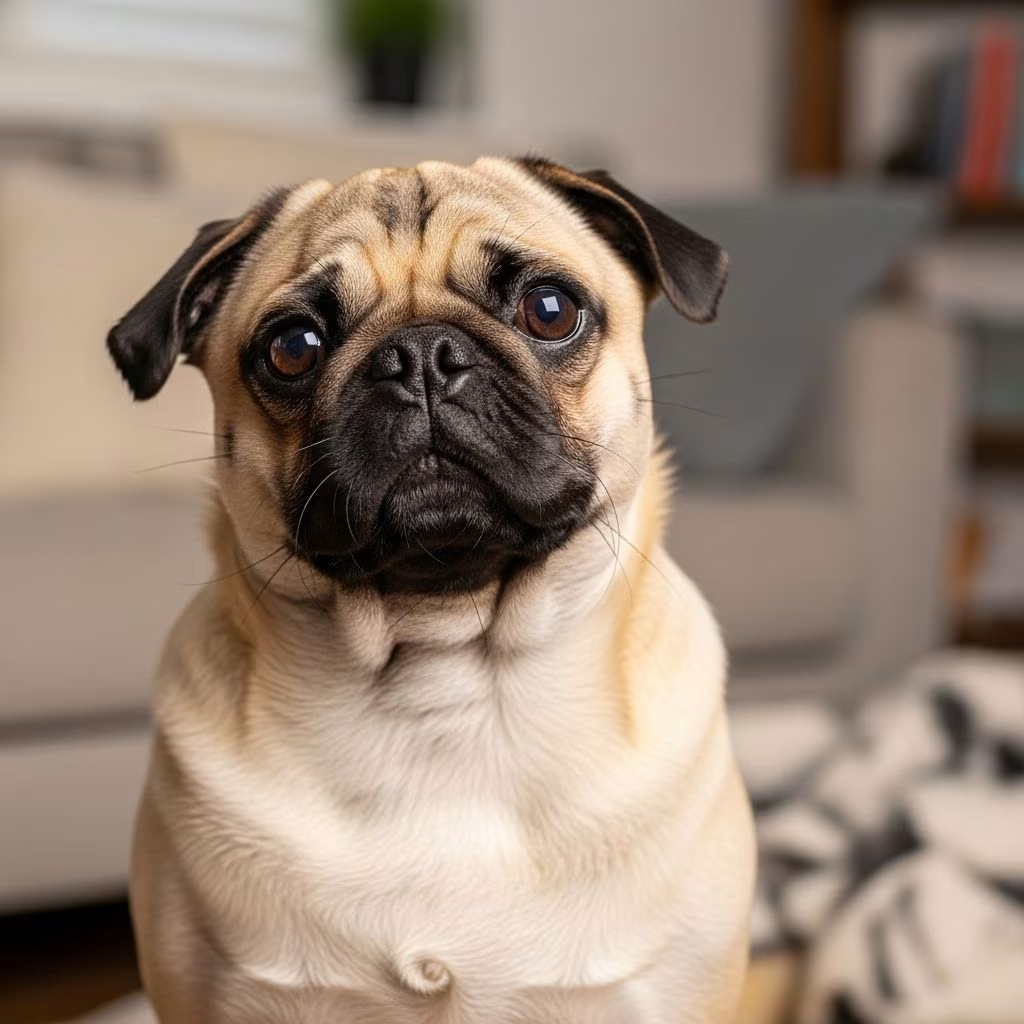
The Pug ranks among the world’s most instantly recognizable toy dog breeds, with its expressive face, curled tail, and irresistible charm. Pugs have a devoted global following due to their affectionate personalities and captivating history. This comprehensive guide covers Pug origins, physical characteristics, care requirements, temperament, health, grooming needs, and answers to common questions for anyone considering life with this unique little dog.
Breed Overview
- Breed Group: Toy
- Height: 10 to 13 inches (25–33 cm) at the withers
- Weight: 14 to 18 pounds (6–8 kg)
- Lifespan: 12–15 years on average
- Coat: Short, smooth, double-layered coat
- Colors: Fawn, apricot, silver, or black
- Distinctive Features: Deep forehead wrinkles, curled tail, large round eyes, short muzzle
Origin and History
Pugs trace their ancestry to ancient China, where similar dogs were companions to emperors as early as 400 BCE. Revered among the elite, they were bred for companionship rather than labor or sport. Over the centuries, Pugs made their way to Tibet—a favorite in monasteries—and eventually reached Europe in the 16th and 17th centuries via trade. The breed quickly became a status symbol among European royalty and nobility:
- Dutch traders brought Pugs to Europe, and they became pets of the House of Orange after a Pug reportedly saved the life of Prince William by barking at an assassin.
- Victorian England embraced Pugs as fashionable lap dogs, immortalized in period paintings.
- Napoleon’s wife Josephine kept a loyal Pug named Fortune, and the breed featured in the homes of many prominent figures throughout history.
Despite their international journey and storied past, Pugs have always remained true to their roots as affectionate, in-home companions.
Physical Characteristics
- Head & Face: Large, round head with a distinctly short, flattened muzzle. The forehead has pronounced wrinkles forming a pattern—sometimes said to resemble a Chinese character.
- Eyes: Large, prominent, and dark, giving an expressive, soulful look. Due to their size, they are prone to injury.
- Ears: Small and velvety, either “rose” (folded back) or “button” (folded forward) styled.
- Tail: Tightly curled over the hip, ideally in a double curl. The curl results from a spinal variation and is a hallmark of breed quality.
- Body: Square, compact, and muscular with a substantial build. Legs are sturdy and straight.
- Coat: Short, dense double coat that sheds year-round. All non-black colors have a darker facial mask and ears, plus a spine trace (a thin, darker line of fur down the back).
Temperament and Personality
Pugs are renowned for their jovial, loving dispositions. Their breed motto, “multum in parvo” (‘a lot in a little’), is apt—this compact breed packs much personality into a small frame:
- Affectionate and thrive on close human companionship; they bond deeply with their families.
- Good with children and other pets when properly socialized, thanks to their stable, easygoing nature.
- Playful but not hyperactive; they enjoy games and short activity bursts, followed by ample nap time.
- Even-tempered, gentle, and rarely aggressive. They are vigilant but not excessive barkers, making decent watchdogs in a friendly way.
- Stubborn streak; this can present as independence or mischief but is paired with a strong desire to please.
- Sociable with strangers and pets, making them ideal for families, singles, and seniors alike.
Pug Care Requirements
Exercise Needs
As a toy breed, Pugs require moderate daily exercise—enough to keep them fit but not so much as to overexert them. Ideal activities include:
- Short walks (two or three times daily)
- Gentle, supervised play indoors or in a fenced yard
- Avoid strenuous activities, especially in hot or humid weather due to their breathing challenges
Pugs can be prone to obesity, so daily movement is essential for maintaining a healthy weight and preventing related health issues.
Diet & Nutrition
Due to their tendency to gain weight, it is vital to measure meal portions and avoid frequent treats. Recommendations include:
- Feed a high-quality commercial or veterinarian-approved home-cooked diet
- Adjust food amounts based on age, size, and activity level
- Limit table scraps and energy-dense treats
- Fresh water should always be available
Living Environment
- Pugs do best living indoors as companion dogs, as they are sensitive to extreme heat and humidity and cannot regulate their temperature efficiently.
- Provide cozy bedding and ensure household hazards are minimized, especially to protect their eyes.
- They shouldn’t be left alone for extended periods—they thrive on interaction.
Pug Health Concerns
While Pugs are generally robust for a toy breed and commonly reach 12–15 years, they are susceptible to several health issues due to their unique body structure:
Brachycephalic Syndrome
Pugs have short, ‘flat’ faces (brachycephalic), causing:
- Noisy breathing, snorting, and snoring
- Difficulty in hot or humid weather—risk of heatstroke
- Tendency to develop respiratory distress with vigorous activity
Eye Problems
- Prominent eyes are easily injured (scratches, proptosis)
- Prone to dry eye, ulcers, and infections
- Regular eye cleaning and vet checkups are crucial
Obesity
- Pugs are “easy keepers;” excess weight can worsen breathing and joint problems
- Careful portion control and daily exercise are essential
Skin Problems
Their facial wrinkles need regular cleaning to prevent irritation and infection.
Other Concerns
- Hip dysplasia (less common than in large breeds but possible)
- Patellar luxation (kneecap dislocation)
- Dental crowding and potential tooth issues due to short jaws
Grooming and Hygiene
- Coat Care: Brush at least a few times weekly to manage shedding; use a soft bristle brush or grooming mitt.
- Wrinkle Cleaning: Wipe wrinkles daily with a damp cloth and thoroughly dry to prevent moisture accumulation and infections.
- Baths: Bathe every 4–6 weeks or as needed, using gentle dog shampoo.
- Ears and Nails: Check ears weekly for debris or signs of infection. Trim nails regularly—Pugs are generally tolerant if conditioned from puppyhood.
- Dental Hygiene: Due to their short muzzles, teeth may crowd; brush often and provide vet dental care as needed.
Training and Socialization
Pugs are bright but can display a stubborn streak. Positive reinforcement works best. Key training areas include:
- Housetraining: Begin early and use consistency, as Pugs may be slow to develop reliable habits.
- Obedience: Short, fun sessions prevent boredom and maximize learning.
- Socialization: Expose puppies to new people, environments, sounds, and friendly dogs to foster confidence and reduce anxiety.
- Crate training can help with housetraining and provide a safe, restful place.
Pugs & Family Life
Pugs integrate seamlessly into a variety of households. Their sturdy build allows for gentle play with children, though any interaction should be supervised, especially with toddlers. Their amiable personalities help them coexist peacefully with other dogs and many pets. They make excellent companions for seniors and city dwellers due to their adaptable size and moderate exercise needs.
Notable Facts & Fun Trivia
- Pugs have been companions to emperors, artists, and royalty for over 2,000 years.
- The vertical wrinkle on the Pug’s forehead is nicknamed the “prince mark.”
- The origin of their name may stem from the Latin “pugnus,” meaning fist, referencing their round, compact face.
- They are well known for their expressive, almost human-like facial features and social media stardom.
- Pugs are often described as “shadows” due to their habit of following their owners from room to room.
Common Questions About Pugs
Are Pugs easy to care for?
In many ways, yes. Pugs require no elaborate grooming and fit well in small living spaces. However, their wrinkles, eyes, and breathing can require special maintenance to prevent health issues.
Do Pugs get along with children and other pets?
Yes, Pugs are generally excellent with kids and other animals, provided they are properly socialized and handled respectfully.
How much exercise do Pugs need?
They do best with daily short walks and gentle play but shouldn’t be over-exercised, particularly in hot weather.
Do Pugs shed a lot?
Yes, they shed consistently year-round despite their short coat. Brushing several times per week helps manage shedding.
What are the biggest challenges of owning a Pug?
- Health monitoring, especially for breathing and weight
- Keeping wrinkles clean and protecting the eyes
- Managing their stubborn streak in training and housetraining
- Providing adequate companionship—Pugs dislike extended periods alone
Pug vs. Similar Small Breeds (Comparison Table)
| Breed | Size | Temperament | Exercise Needs | Grooming |
|---|---|---|---|---|
| Pug | 14–18 lbs | Affectionate, playful, sturdy | Low–moderate | Frequent brushing, wrinkle cleaning |
| French Bulldog | 16–28 lbs | Adaptable, charming, quiet | Low | Minimal, facial cleaning |
| Boston Terrier | 12–25 lbs | Lively, alert, friendly | Moderate | Minimal |
| Cavalier King Charles Spaniel | 13–18 lbs | Gentle, affectionate, graceful | Moderate | Regular brushing (longer fur) |
Frequently Asked Questions (FAQs)
Q: Why does a Pug’s tail curl?
A: The Pug’s signature curly tail is caused by a natural spinal deviation—from wedge-shaped vertebrae and corresponding cartilage structure. Double curls are highly valued, and a straight tail may indicate health issues.
Q: What were Pugs originally bred for?
A: Pugs were bred as cherished companions for Chinese ruling elites and Buddhist monks centuries ago. Unlike many breeds, they were never created for hunting, herding, or as working dogs.
Q: Are Pugs good for apartment living?
A: Yes, their moderate size, friendliness, and low exercise needs make them perfect for apartments or city living. They do best with daily walks and lots of family time.
Q: Why do Pugs snore and grunt?
A: Their flat (brachycephalic) facial structure and short noses lead to airway restrictions, resulting in snoring, wheezing, and snorting noises.
Q: How long do Pugs typically live?
A: With good care and regular vet checks, most Pugs live 12–15 years, though some reach 16 or older.
Q: What common health problems should owners monitor?
A: Watch for respiratory difficulties, obesity, eye injuries, skin fold infections, and orthopedic concerns like joint laxity or hip dysplasia.
Q: Do Pugs need special training methods?
A: Use firm but gentle, reward-based techniques. Make training fun to hold their attention, and be consistent.
In Summary
Pugs are happy, comic, and loyal companions that offer “a lot of dog in a little body.” With their rich history, unique look, and loving spirit, they remain one of the world’s most treasured breeds—for good reason.
References
- https://www.petmd.com/dog/breeds/puggle
- https://www.britannica.com/animal/Pug
- https://pawsitiveguide.com/pug-dog-breed/
- https://www.akc.org/dog-breeds/pug/
- https://www.hillspet.com/dog-care/dog-breeds/pug
- https://www.bmdvets.com/services/dogs/breeds/pugs
- https://worldanimalfoundation.org/dogs/popular-small-dog-breeds-that-love-naps/
- https://www.youtube.com/watch?v=3xC4miH_rXo