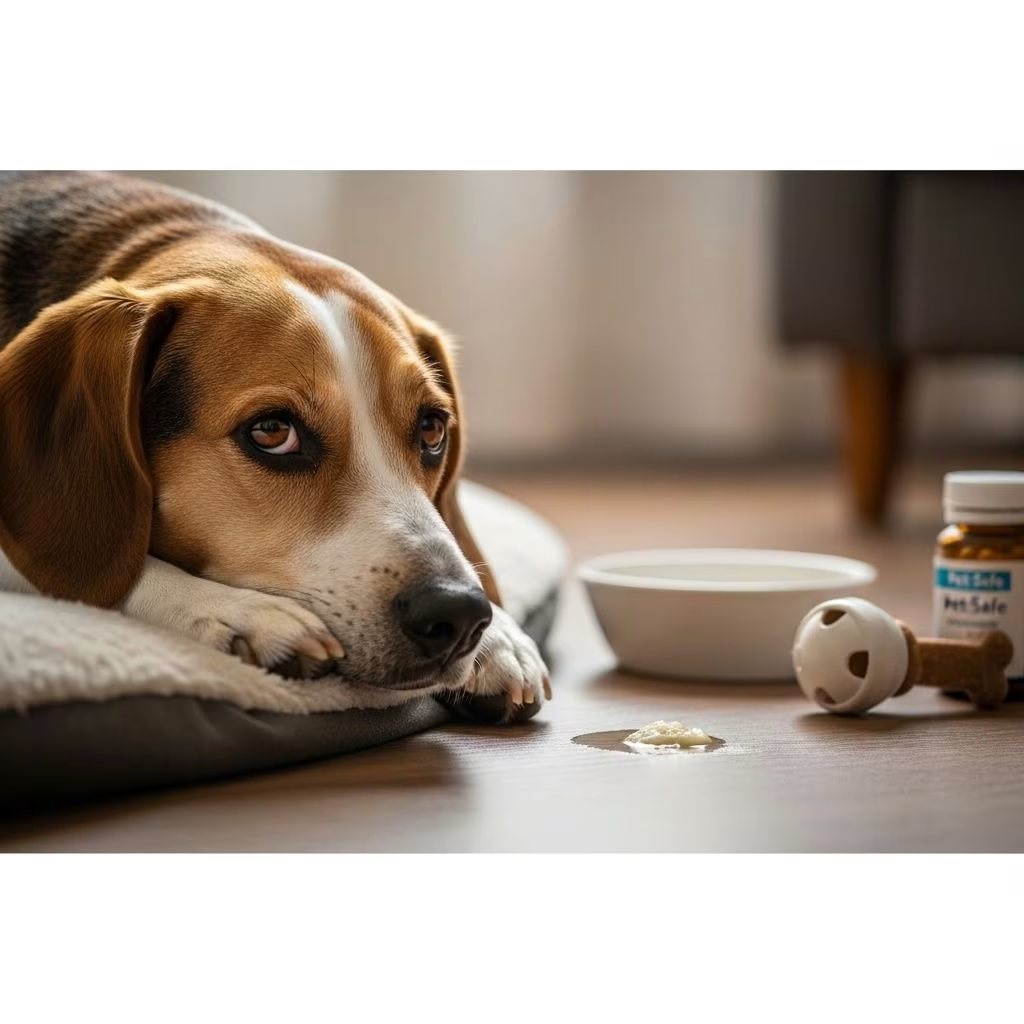
Upset Stomach in Dogs: Complete Guide to Signs, Causes, Treatment & Prevention
An upset stomach is a common and sometimes distressing condition in dogs. While most cases are mild and resolve with basic home care, others may signal serious underlying health conditions that require prompt veterinary attention. This comprehensive resource covers the causes, signs, recommended treatments, and preventative tips for dog stomach upset, helping pet owners confidently safeguard their dog’s digestive health.
What Is an Upset Stomach in Dogs?
Dogs can experience an upset stomach at any age, with symptoms ranging from mild digestive discomfort to severe illness. The term refers to gastrointestinal (GI) disturbance that can manifest as vomiting, diarrhea, bloating, appetite loss, gas, abdominal pain, and other issues. Identifying the cause is critical for effective care.
Common Signs of an Upset Stomach in Dogs
- Vomiting
- Diarrhea (loose or watery stools)
- Lethargy or seeming weak
- Reduced or absent appetite
- Excessive drooling or lip licking
- Abdominal pain (restlessness, whining, stretching)
- Borborygmi (loud gut sounds)
- Flatulence (excess gas)
- Constipation and straining
If any of these symptoms persist for more than 24 hours, worsen, or are accompanied by blood in vomit or stool, seek veterinary attention immediately.
Main Causes of Upset Stomach in Dogs
Stomach upset can arise from numerous underlying causes—ranging from benign to life-threatening:
- Dietary indiscretion: Eating spoiled food, trash, table scraps, or non-food objects like toys or socks
- Sudden diet changes: Switching foods too quickly
- Food allergies/intolerances: Sensitivity to ingredients such as grains, dairy, or certain proteins
- Gastrointestinal infections: Bacterial, viral, or parasitic infections (e.g., roundworms, giardia)
- Stress and anxiety: Emotional distress disrupting the gut
- Foreign body ingestion: Swallowing non-digestible items causing blockages
- Toxin exposure: Ingesting poisonous substances
- Chronic illnesses: Pancreatitis, inflammatory bowel disease, cancer
- Bloat (GDV): Rapid onset, life-threatening stomach swelling common in deep-chested breeds
- Heatstroke: Overheating can cause vomiting and diarrhea
- Motion sickness: Nausea during travel
How Vets Diagnose and Treat Upset Stomachs
Veterinarians use a combination of clinical exam, history, and diagnostic tests to identify the source of GI upset. Treatments vary based on severity and cause:
- Physical exam: Checks hydration, pain, abdominal distension, and overall health
- Bloodwork, fecal tests, imaging: Diagnose infections, organ function, parasites, blockages
- Medications: Anti-nausea (antiemetics), anti-diarrheal, GI protectants; prescribed based on condition
Examples: maropitant (Cerenia), metoclopramide
Antibiotics for bacterial infections, deworming meds for parasites - IV fluids: Correct dehydration from vomiting/diarrhea
- Diet changes: Prescription or bland diets, sometimes fasting
- Surgery: Required if foreign body is present or for bloat/GDV
If severe symptoms such as persistent vomiting or diarrhea (>24 hours), blood in stool, lethargy, fever, or signs of obstruction or bloat are present, immediate veterinary care is necessary.
Home Remedies for Mild Stomach Upset
Mild cases where your dog is otherwise alert and stable can be managed at home under these conditions:
- Short-term fasting: Withhold food for 12–24 hours (adult dogs only) to rest the GI tract
- Bland diet: Feed boiled chicken with white rice, plain pumpkin, or boiled sweet potatoes when reintroducing food
- Bone broth: Gentle hydrating liquid that soothes the stomach
- Probiotics: Plain yogurt or vet-recommended supplements to restore gut flora
- Hydration support: Fresh water, ice chips, or diluted electrolyte solutions
Note: Puppies, senior dogs, or those with chronic medical conditions may need a vet’s guidance before fasting or diet changes.
When to Call the Veterinarian
- Vomiting or diarrhea lasting over 24 hours
- Blood in vomit or stool
- Signs of severe pain, abdominal distension, or repeated retching
- Extreme lethargy, weakness, fever, or collapse
- Signs of dehydration (dry gums, sunken eyes, loss of skin elasticity)
If any of these signs are seen, do not attempt home treatment—bring your dog to the veterinarian immediately.
How to Prevent Upset Stomach in Dogs
- Feed a high-quality, consistent diet: Avoid sudden changes and choose foods with few fillers or additives
- Limit access to garbage and non-food items: Use pet-safe bins and tidy up spaces your dog can enter
- Introduce new foods gradually: Slowly mix new food types over 7–10 days
- Control stress: Minimize major changes, loud environments, and provide comfort
- Routine vet checkups: Scheduled exams and regular deworming
- Monitor outdoor activity: Prevent scavenging and contact with toxins or unfamiliar plants
- Provide clean water: Always have fresh water available
Frequently Asked Questions (FAQs) About Upset Stomach in Dogs
What are the first signs of an upset stomach in dogs?
The earliest signs often include vomiting, diarrhea, drooling, reduced appetite, gassiness, and lethargy. If symptoms escalate or new signs such as blood or fever arise, contact your veterinarian.
Can I treat my dog’s upset stomach at home?
Yes, if symptoms are mild, you may use fasting (12–24 hours), feeding bland food (boiled chicken and rice), offering small amounts of water, and probiotics. If there is no improvement in 24 hours, or severe signs develop, seek veterinary advice.
Is vomiting always a sign of stomach upset?
No, vomiting can result from different illnesses including poisoning, obstruction, disease, or motion sickness. It’s only one of many possible symptoms of GI upset. Persistent or chronic vomiting always requires a vet assessment.
When should I worry about diarrhea?
Diarrhea that lasts longer than 24 hours, is accompanied by blood, severe lethargy, or dehydration, or is very frequent should prompt an urgent veterinary visit. Chronic or recurrent diarrhea also needs investigation.
Can I give my dog over-the-counter medications?
Never administer human medications unless instructed by a veterinarian. Some human drugs are toxic to dogs. For mild upset, focus on bland food and hydration, and contact your vet for safe alternatives.
Dangerous Conditions to Know
| Condition | Main Signs | Action |
|---|---|---|
| Foreign Body | Persistent vomiting, abdominal pain, inability to defecate | Emergency vet visit; may require surgery |
| Bloat (GDV) | Swollen, hard belly, unproductive retching, collapse | Immediate surgery required |
| Parasitic Infection | Chronic diarrhea, vomiting, weight loss | Vet testing, antiparasitic medication |
| Toxin Ingestion | Vomiting, diarrhea, drooling, neurological signs | Immediate vet care; possible hospitalization |
| Heatstroke | Vomiting, diarrhea, excessive panting, collapse | Emergency cooling and veterinary support |
Choosing the Best Nutrition for Digestive Health
Your dog’s food dramatically affects GI health. Diets with whole, highly digestible ingredients (meats and select carbs), limited additives, and free of artificial coloring are optimal. Avoid abrupt food switches. A bland or prescription diet may be necessary for dogs with chronic issues.
- Ask your veterinarian for personalized nutrition advice.
- Probiotics and digestive supplements can support overall gut health.
- Fresh, clean water is essential for maintaining GI function.
Understanding Chronic Digestive Issues
If your dog experiences ongoing or frequent upset stomach, further investigation is needed. Chronic inflammatory conditions (e.g., inflammatory bowel disease), food allergies, or stress-induced GI upset may require prescription diets, allergy testing, or long-term medication. Only a veterinarian can diagnose chronic GI problems.
Quick Tips for Dog Owners
- Keep emergency vet contact info easily accessible.
- Monitor your dog’s droppings for early signs of illness.
- Limit scraps, fatty foods, and unfamiliar treats.
- Be aware of breed-specific risks for bloat and pancreatitis.
- Maintain a regular feeding schedule to promote healthy digestion.
Summary Table: When to Treat at Home vs. Seek Vet Care
| Symptom Severity | Examples | Recommended Action |
|---|---|---|
| Mild | Slight diarrhea, single episode of vomiting, normal appetite and energy | Home care: Fasting, bland food, hydration |
| Moderate | Diarrhea or vomiting lasting 12–24 hours, mild lethargy | If not improving in 24h, consult veterinarian |
| Severe | Repeated vomiting, blood, abdominal pain, fever, collapse | Immediate veterinary attention |
References & Further Reading
- Consult your veterinarian for personalized advice and medical guidance.
- Read guides on dog nutrition and managing chronic GI diseases.
- Explore reputable veterinary sites for in-depth information on digestive health.
Dog Stomach Ache: Frequently Asked Questions
Q: How quickly should I see improvement after starting a bland diet for my dog?
A: Many dogs feel better within 24–48 hours. If there is no improvement or symptoms worsen, consult a vet promptly.
Q: Can puppies have the same treatments as adults?
A: Puppies should not be fasted without a vet’s guidance. Home remedies may differ; always consult your vet for the youngest pets.
Q: How can I tell if my dog is dehydrated?
A: Check for dry gums, sunken eyes, decreased skin elasticity, and listlessness. If you suspect dehydration, seek veterinary care immediately.
Q: Is chronic stomach upset in dogs always caused by food?
A: No. While food is a frequent cause, chronic upset can result from stress, underlying medical issues, parasites, or anatomical problems. Only your vet can determine the root cause.
Q: What breeds are at greater risk for bloat?
A: Deep-chested breeds such as German Shepherds, Great Danes, Standard Poodles, and Dachshunds are at higher risk for bloat (Gastric Dilatation-Volvulus).
Q: Is it safe to use over-the-counter antacids or human medications?
A: No. Human medications can be unsafe or even deadly for dogs. Only use medicines prescribed by your veterinarian.
By staying vigilant and informed, you can help your dog weather mild digestive troubles at home, and know exactly when a trip to the vet is essential. Healthy nutrition, prevention strategies, and regular checkups provide the foundation for a happy, healthy digestive system for every dog.
References
- https://www.spotandtango.com/blog/upset-stomach-in-dogs
- https://vetmed.tamu.edu/news/pet-talk/dogs-stomach-ache/
- https://www.rubyvet.com/blog/tummy-troubles-got-you-down-upset-stomach-in-dogs-causes-symptoms-and-home-remedies
- https://www.webmd.com/pets/dogs/what-to-do-if-your-dog-has-an-upset-stomach
- https://www.pdsa.org.uk/pet-help-and-advice/pet-health-hub/conditions/gastroenteritis-stomach-upset-in-dogs
- https://www.goodrx.com/pet-health/dog/what-to-give-a-dog-for-upset-stomach-and-vomiting
- https://www.thrivepetcare.com/thrive-guide/upset-stomach-vomiting-diarrhea-in-dogs
- https://www.fphclovis.com/site/blog/2023/03/21/does-dog-have-upset-stomach
- https://bondvet.com/blog/digestive-issues-in-dogs-causes-prevention-and-treatment