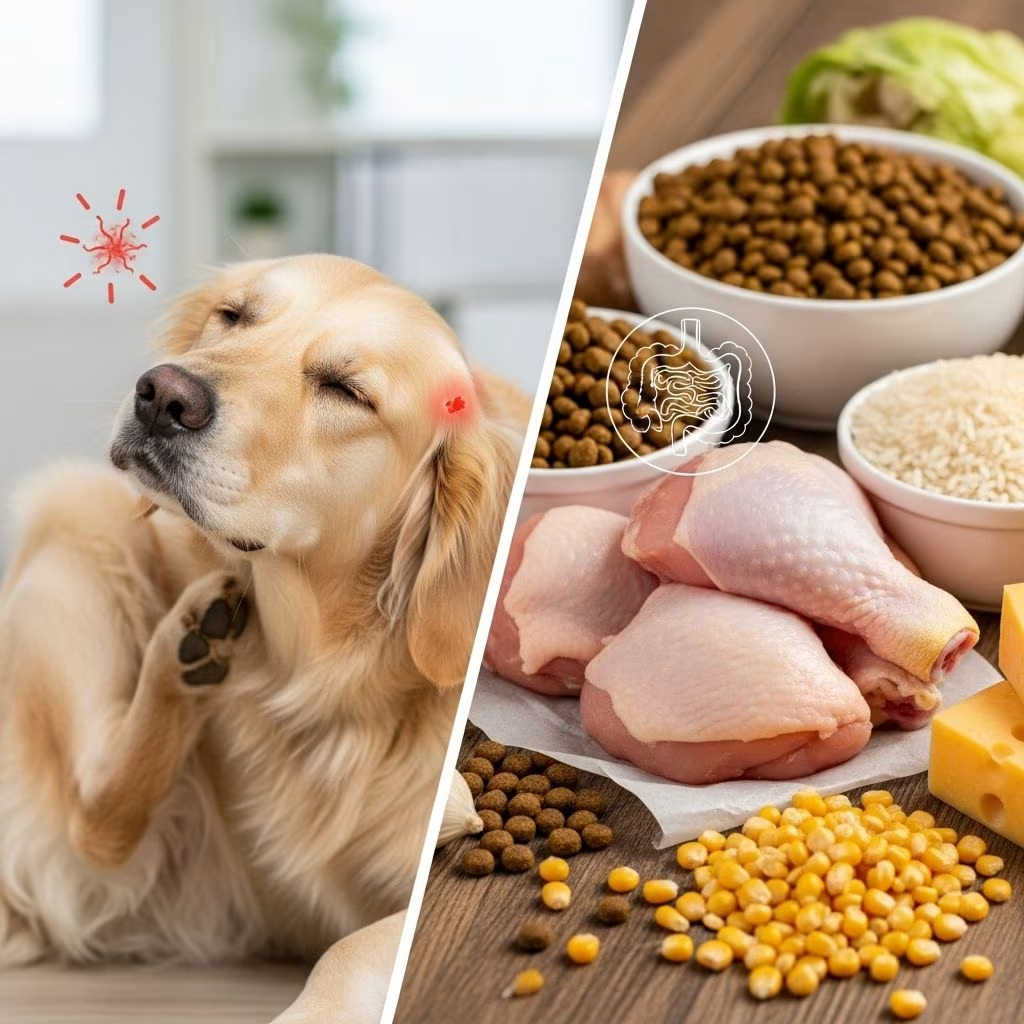
Food allergies and food intolerance in dogs present a range of symptoms that can significantly impact your pet’s quality of life. Owners should be alert to these conditions, as prompt identification and management are key to improving a dog’s overall health. This detailed article explores everything dog owners need to know—from causes and symptoms to realistic management strategies—for canine food allergies and intolerances.
What Are Food Allergies and Food Intolerance in Dogs?
Food allergy in dogs is an immune-mediated adverse reaction to certain food ingredients, most commonly proteins such as beef or chicken. In contrast, food intolerance does not trigger an immune response but still results in clinical signs including digestive upset and skin issues. Both are classified under adverse food reactions (AFRs), but differ fundamentally in underlying biological mechanisms.
- Food allergy: Immune system reacts to specific food proteins.
- Food intolerance: Non-immune reaction to food ingredients, often presenting with similar symptoms.
What Causes Food Allergies and Intolerances in Dogs?
The underlying cause of food allergies is a misdirected immune response to food proteins. When a dog’s body identifies a protein as a threat, it initiates an allergic reaction. By contrast, food intolerance may be triggered by a dog’s inability to properly digest certain ingredients (such as lactose) or by other physiologic factors. Both conditions can manifest at any age and may develop suddenly, even after years of exposure to the offending food.
- Common food allergy triggers: Beef, chicken, dairy, wheat, soy, and eggs.
- Food intolerance triggers: Lactose, specific grains, food additives, or preservatives.
Common Signs and Symptoms of Food Allergies in Dogs
Detecting food allergies early helps prevent complications. The most frequent signs include:
- Itchy skin—Chewing, licking, or scratching, especially around the paws, face, armpits, or groin.
- Recurrent skin and ear infections—Including redness, odor, and discharge.
- Gastrointestinal symptoms—Vomiting, diarrhea, excessive gas, or soft stools.
- Other symptoms: Chronic anal gland issues, poor coat quality, and frequent licking or chewing of the feet.
It’s important to note that these symptoms are not exclusive to food allergies; they can overlap with environmental allergies or other medical issues. Always consult your veterinarian if your dog exhibits these signs.
Diagnosing Food Allergies in Dogs
There is no simple laboratory test to definitively diagnose food allergies in dogs. The gold standard for diagnosis is the elimination diet trial, also called a food trial. Diagnostics involve the following steps:
- Elimination Diet Trial: Feed your dog a hypoallergenic or novel protein diet for 8–12 weeks. During this period, your dog must not consume any treats, table scraps, flavored medications, or supplements, as even small exposures can skew results.
- Food Challenge: If symptoms improve during the elimination trial, the next step is to reintroduce the old diet to confirm recurrence of symptoms. If signs reappear within days to a week, a food allergy is confirmed.
Blood and skin tests are available for environmental allergies but are unreliable for identifying food allergies in dogs. Do not rely on these methods for food allergy diagnostics.
Food Allergy vs. Food Intolerance: Key Differences
| Aspect | Food Allergy | Food Intolerance |
|---|---|---|
| Immune Response | Present | Absent |
| Common Symptoms | Itchiness, skin infections, GI issues | Mainly GI issues (vomiting, diarrhea) |
| Diagnosis | Elimination trial | History and ruling out |
| Cure | None; managed by avoidance | None; managed by avoidance |
How Long Does It Take for Dog Food Allergies to Clear Up?
Once the offending food is removed from the diet, improvements in skin and digestive symptoms can take up to 12 weeks to become apparent. Secondary infections (ears or skin) require separate treatment and may take additional time to resolve. Adherence during the food trial is crucial for accurate results and long-term relief.
Treatment Options for Food Allergies in Dogs
There is no cure for food allergies, but most dogs achieve good control with a strict, personalized diet. Treatment approaches include:
- Veterinary-recommended hypoallergenic diets—Commercially prepared, prescription-only diets designed to prevent allergic responses.
- Hydrolyzed protein diets: Contain proteins broken down into small pieces not recognized by the immune system. Examples include Hill’s z/d® and Royal Canin Hypoallergenic Hydrolyzed Protein®.
- Novel protein diets: Use single-source proteins and carbohydrates not previously encountered by the dog, such as duck, rabbit, or kangaroo.
- Home-prepared diets: Custom-made under guidance from a board-certified veterinary nutritionist to ensure all nutritional needs are met.
Medications for Symptom Relief
Some dogs may require short-term medication to control itching and inflammation during the diagnostic process or when secondary infections are present. Common options include:
- Cytopoint® (lokivetmab): Monoclonal antibody injection blocking itch signals, providing relief for several weeks.
- Apoquel® (oclacitinib): Oral medication quickly reduces itch and inflammation, not suitable for dogs under 1 year.
- Atopica® (cyclosporine): Suppresses immune-mediated itch and inflammation; may have moderate side effects.
- Glucocorticoids (prednisone, prednisolone): Potent anti-inflammatory medications; used cautiously due to risk of side effects.
- Antihistamines: Frequently used for allergies but often ineffective for true food allergies in dogs.
Always consult with your veterinarian before starting any medication.
Choosing the Right Diet for Allergic Dogs
An effective hypoallergenic diet is the cornerstone of treatment for food-allergic dogs. Your veterinarian will recommend the most suitable approach:
- Prescription hydrolyzed or novel protein diets are manufactured under rigorous controls to avoid cross-contamination.
- Home-prepared diets can be tailored to your dog’s sensitivities but must be complete and balanced. Work with a veterinary nutritionist for safety.
- Over-the-counter “limited-ingredient” foods may not be recommended, as they often lack the strict safety measures that prevent trace allergens.
Be alert to hidden sources of allergens in treats, chews, table food, and flavored medications. Read ingredient labels carefully and stick to your dog’s prescribed diet plan.
Monitoring and Preventing Flare-Ups
Proactive management can help prevent allergic flare-ups:
- Maintain a daily evidence-based, allergen-free diet.
- Regularly monitor your dog for skin or digestive changes.
- Work with your veterinarian for routine check-ups and diet adjustments.
- Educate family and caretakers to avoid feeding anything outside the prescribed diet.
Frequently Asked Questions (FAQs) About Food Allergies and Intolerances in Dogs
What’s the most common food allergy in dogs?
The most common food allergens are protein sources, especially beef and chicken. Dairy, wheat, eggs, lamb, and soy also frequently cause reactions.
What are the typical symptoms of food allergies in dogs?
Watch for persistent itching, frequent skin and ear infections, and chronic chewing or licking of the feet.
How are dogs tested for food allergies?
Food allergies are diagnosed using diet trials—there are no reliable blood or skin tests for this purpose.
Can dog food allergies be cured?
No, but they can be effectively managed by strict avoidance of the triggering food. Lifelong dietary management is needed.
How long does it take for symptoms to improve?
Effective management begins when the allergen is removed, with most improvements seen within 8–12 weeks of a strict elimination diet.
How do food allergies differ from intolerance?
Allergies involve the immune system, while intolerances do not. Both can cause GI and skin symptoms.
What causes food intolerance in dogs?
Food intolerance may be caused by digestive enzyme deficiencies, contaminants, food additives, or the nature of the food itself—commonly with lactose or certain grains.
Are there other types of allergies in dogs?
Yes. Dogs commonly experience environmental allergies (pollens, dust mites, molds), flea allergy dermatitis, and contact allergies. Treatments and symptoms can overlap but causes differ. Proper diagnosis is essential for effective management.
When Should You See a Veterinarian?
- Your dog develops unexplained itching, digestive issues, or recurrent infections.
- There is no improvement after changing foods or medications on your own.
- Secondary infections, such as skin lesions or ear inflammation, develop.
Veterinary guidance ensures proper diagnosis, effective treatment, and prevention of complications associated with both food allergies and intolerance.
References
- Content synthesized from veterinary professionals and trusted pet health resources.
- Expert advice as outlined by Dr. Alex Miller, VMD—Blue Buffalo Veterinary Services.
References
- https://vcahospitals.com/know-your-pet/food-allergies-in-dogs
- https://www.petmd.com/dog/conditions/digestive/food-allergies-dogs
- https://www.vetdermclinic.com/food-allergies-in-pets-signs-common-triggers-diagnosis-treatment/
- https://veterinaryskinandear.com/food-allergies-in-dogs/
- https://www.petmd.com/dog/general-health/food-allergies-vs-seasonal-allergies-dogs
- https://www.webmd.com/allergies/dog-allergies
- https://www.animalhumanesociety.org/resource/signs-your-pet-has-seasonal-allergies-and-what-you-can-do-help
- https://www.mayoclinic.org/diseases-conditions/pet-allergy/symptoms-causes/syc-20352192