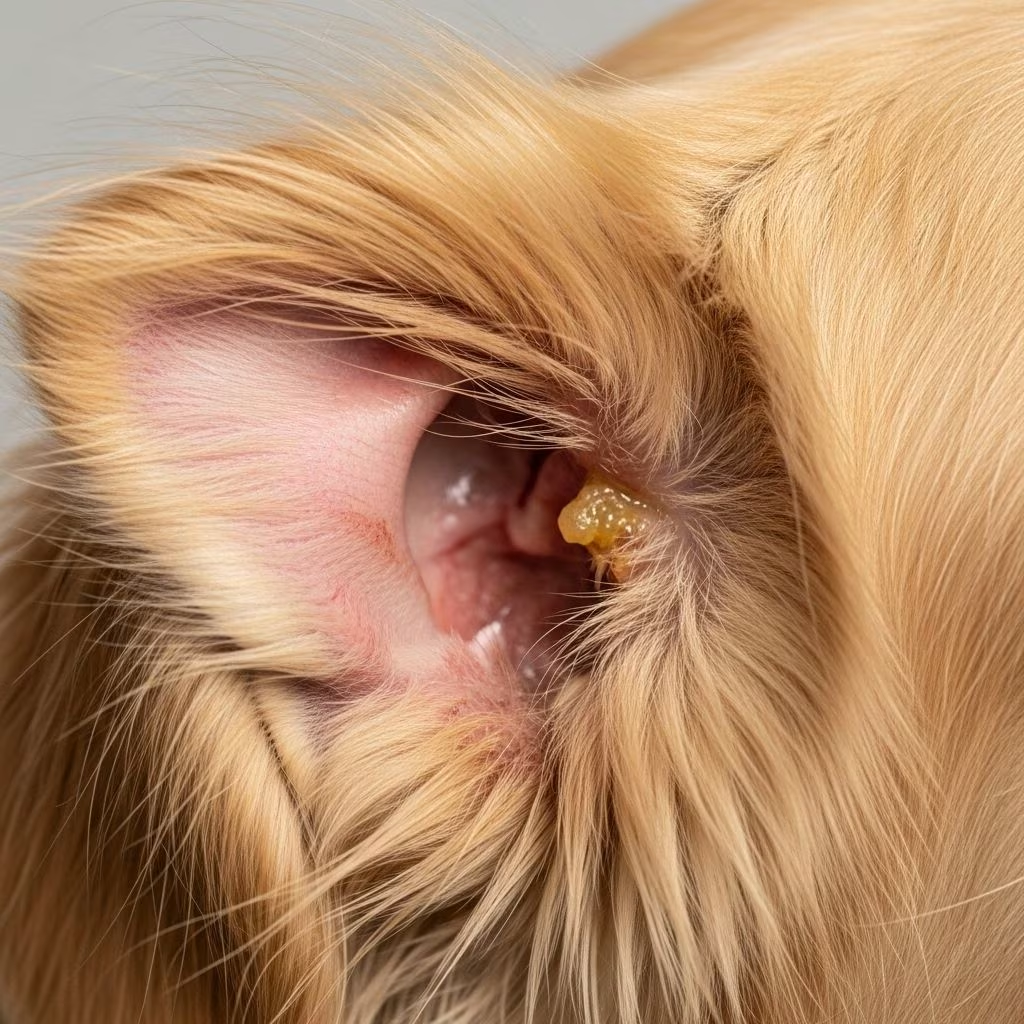
Ear infections are among the most common and frustrating health issues affecting dogs. Their unique ear anatomy, active lifestyles, and predispositions to allergies or skin conditions can make many dogs prone to recurring ear problems. This guide provides a thorough overview of the causes, types, symptoms, diagnosis, treatment, and prevention of dog ear infections, empowering pet owners to recognize issues early and seek effective care for their companions.
Understanding Dog Ear Infections
Dog ear infections (canine otitis) occur when the tissues of the ear canal become inflamed or infected, often resulting from a buildup of bacteria, yeast, or other pathogens. Due to their L- or J-shaped ear canals, dogs are especially prone to infections, as moisture and debris can become trapped easily.
Types of Dog Ear Infections
- Otitis Externa: Infection of the outer ear canal, the most common type.
- Otitis Media: Infection of the middle ear, often a progression from untreated otitis externa.
- Otitis Interna: Infection of the inner ear, which can affect hearing and balance.
Causes of Dog Ear Infections
The causes of ear infections in dogs are diverse, ranging from anatomical predispositions to environmental and health factors. Understanding these causes is crucial for prevention and effective treatment.
Common Causes
- Moisture: Swimming or bathing can introduce water into the ears, creating a breeding ground for microbes.
- Allergies: Food or environmental allergies can increase ear canal inflammation and set the stage for infection.
- Wax Buildup: Excessive cerumen (earwax) can trap debris and bacteria.
- Foreign Objects: Grass seeds, dirt, or other materials can irritate the ear canal and trigger infection.
- Parasites: Ear mites, especially in puppies, are a notable cause of outer ear infections.
- Underlying Skin Disorders: Chronic skin diseases, like seborrhea or autoimmune conditions, may lead to recurring infections.
Breed and Anatomical Factors
- Dogs with long, floppy ears (e.g. Cocker Spaniels, Basset Hounds) are more susceptible to chronic ear infections because their ears trap more moisture and limit airflow.
- Narrow or hairy ear canals also increase susceptibility.
Symptoms of Dog Ear Infections
The signs of ear infections can range from subtle discomfort to overt pain and systemic illness, depending on the type and severity of infection.
Common Signs to Watch For
- Frequent scratching or rubbing of the ears
- Head shaking or tilting
- Redness and swelling around or inside the ear canal
- Foul or unusual odor emanating from the ears
- Discharge: May be yellow, green, brown, black, or bloody
- Crusting, scabs, or active bleeding
- Hair loss around the ear
- Loss of balance or hearing (may indicate middle or inner ear involvement)
Types and Progression of Dog Ear Infections
Canine ear infections can be categorized by the part of the ear affected, each with distinct implications for health and treatment.
| Type | Area Affected | Main Symptoms |
|---|---|---|
| Otitis Externa | External ear canal | Itching, redness, discharge, odor |
| Otitis Media | Middle ear | Pain, head tilt, possible facial nerve issues, chronic discharge |
| Otitis Interna | Inner ear | Loss of balance, circling, hearing loss, possible nausea |
Ear Mites as a Specific Cause
Ear mites are tiny parasites that can cause intense itching and dark, coffee-ground debris in the ears, primarily in puppies or dogs not on parasite prevention. Diagnosis is usually by microscopic examination of ear debris, and treatment includes anti-parasitic medications.
Diagnosis: How Vets Identify Ear Infections in Dogs
An accurate diagnosis is essential for proper treatment. Your veterinarian will use several diagnostic steps:
- Physical and Otoscopic Examination: Visual inspection of the ear canal and eardrum
- Microscopic Analysis: Examining ear swab samples under a microscope to identify bacteria, yeast, or mites
- Cytology & Culture: Additional laboratory analysis for complex or recurring cases
- Screening for Underlying Conditions: Such as allergies or autoimmune diseases in the event of recurrent infections
Accurate identification of the primary infectious agent (bacteria, yeast, mites) and underlying predisposing factors ensures targeted and effective treatment.
Treatment Options for Dog Ear Infections
The treatment approach depends on the infection’s type, severity, and any underlying causes.
Main Categories of Treatment
- Topical Medications:
- Ear cleansers, medicated ointments, and antimicrobial ear drops are commonly prescribed, particularly for otitis externa.
- These may include ingredients to fight bacteria, yeast, or both.
- Oral Medications:
- Oral antibiotics, antifungals, or steroids may be necessary for deeper or more stubborn infections, or when topical treatment is insufficient.
- Surgical Options:
- For severe or chronic inner ear infections, surgical intervention such as a total ear canal ablation might be recommended as a last resort to relieve pain and prevent further issues (though hearing may already be compromised).
Typical Treatment Course
- Most acute ear infections resolve in 1–2 weeks when treated appropriately.
- Severe or chronic cases may require 6–8 weeks or longer, especially if complications or underlying issues persist.
- It is crucial to follow the veterinarian’s instructions and complete the full course of medications.
Supporting At-Home Care
- Clean ears as directed by your veterinarian; never use harsh or unapproved solutions.
- Prevent your dog from scratching or traumatizing the affected ear; protective collars may be advised.
- Monitor for medication side effects or relapse of symptoms.
Prevention of Canine Ear Infections
While some dogs are predisposed to ear infections, several steps can reduce their frequency and severity.
- Keep ears clean and dry, especially after swimming or bathing. Gently dry the outer ear using a soft towel; never insert cotton swabs into the ear canal.
- Regular ear checks: Inspect ears frequently for redness, discharge, or odor.
- Maintain parasite prevention: Use veterinarian-recommended products to keep ear mites and other parasites at bay.
- Manage allergies and skin conditions: Work with your vet to control food or environmental allergies, which are a major trigger for chronic ear infections.
- Trim excess hair in and around the ear canal if recommended for your breed.
- Avoid inserting objects into your dog’s ears; only clean the areas you can easily see and reach.
When to See the Vet
If you notice any of the following signs, consult your veterinarian promptly:
- Pain, redness, or swelling in or around the ear
- Persistent discharge, odor, or blood
- Uncoordinated movements, head tilt, or signs of balance problems
- Failure of initial at-home care to resolve symptoms within a week
Complications of Untreated Ear Infections
Neglected or repeated infections can lead to serious long-term problems, such as:
- Permanent thickening or narrowing of the ear canal, leading to chronic pain and hearing loss
- Spread to middle or inner ear, causing nerve problems and balance issues
- Increased anesthetic or surgical risk if major intervention becomes necessary
Frequently Asked Questions (FAQs)
Q: What are the first signs of an ear infection in my dog?
Common earliest signs include scratching or pawing at the ears, head shaking, redness, swelling, and an unusual odor coming from the ear.
Q: Are dog ear infections contagious to other pets?
Ear infections caused by bacteria or yeast are generally not contagious. However, ear mite infestations can spread between dogs, particularly if they are in close contact.
Q: Why does my dog keep getting recurrent ear infections?
Chronic or recurring ear infections often signal underlying problems such as allergies, anatomical issues, or ineffective previous treatments. Work with your veterinarian to identify and manage any root causes.
Q: Can I use over-the-counter ear cleaners or remedies?
Only use products recommended by your veterinarian. Inappropriate solutions can worsen infections or damage the ear canal or eardrum.
Q: How can I prevent my dog from getting ear infections in the future?
Maintain regular ear hygiene, control allergies, keep ears dry, use parasite preventatives, and schedule regular veterinary checkups.
Summary
Dog ear infections are common but treatable issues, and early recognition and prompt veterinary care are crucial for preventing complications and maintaining your dog’s comfort and quality of life. Stay vigilant, practice good hygiene, and consult your vet regularly to protect your dog’s sensitive ears from harm.
References
- https://www.petmd.com/dog/general-health/common-ear-problems-dogs-how-to-identify-diagnose-treat
- https://vcahospitals.com/know-your-pet/inner-ear-infection-otitis-interna-in-dogs
- https://vetmedx.co.za/dog-ear-infections-101/
- https://www.mypet.com/pet-health/health-issues/pet-ear-infections/
- https://vetericyn.com/blog/how-to-heal-an-ear-infection-in-dogs/
- https://vcahospitals.com/know-your-pet/tympanic-membrane-rupture-and-middle-ear-infection-in-dogs
- https://fotp.com/learn/dog-health/why-does-my-dog-keep-getting-ear-infections