Understanding Hip Dysplasia in Dogs
Hip dysplasia is a common and often debilitating orthopedic condition in dogs that affects the hip joint, compromising mobility and quality of life. This complex disorder involves the abnormal development of the hip joint, resulting in pain, lameness, and, over time, arthritis. While it predominantly strikes medium to large breeds, hip dysplasia can occur in dogs of any size or background. Early detection and management are crucial for minimizing discomfort and maintaining an active lifestyle for affected dogs.
What is Hip Dysplasia?
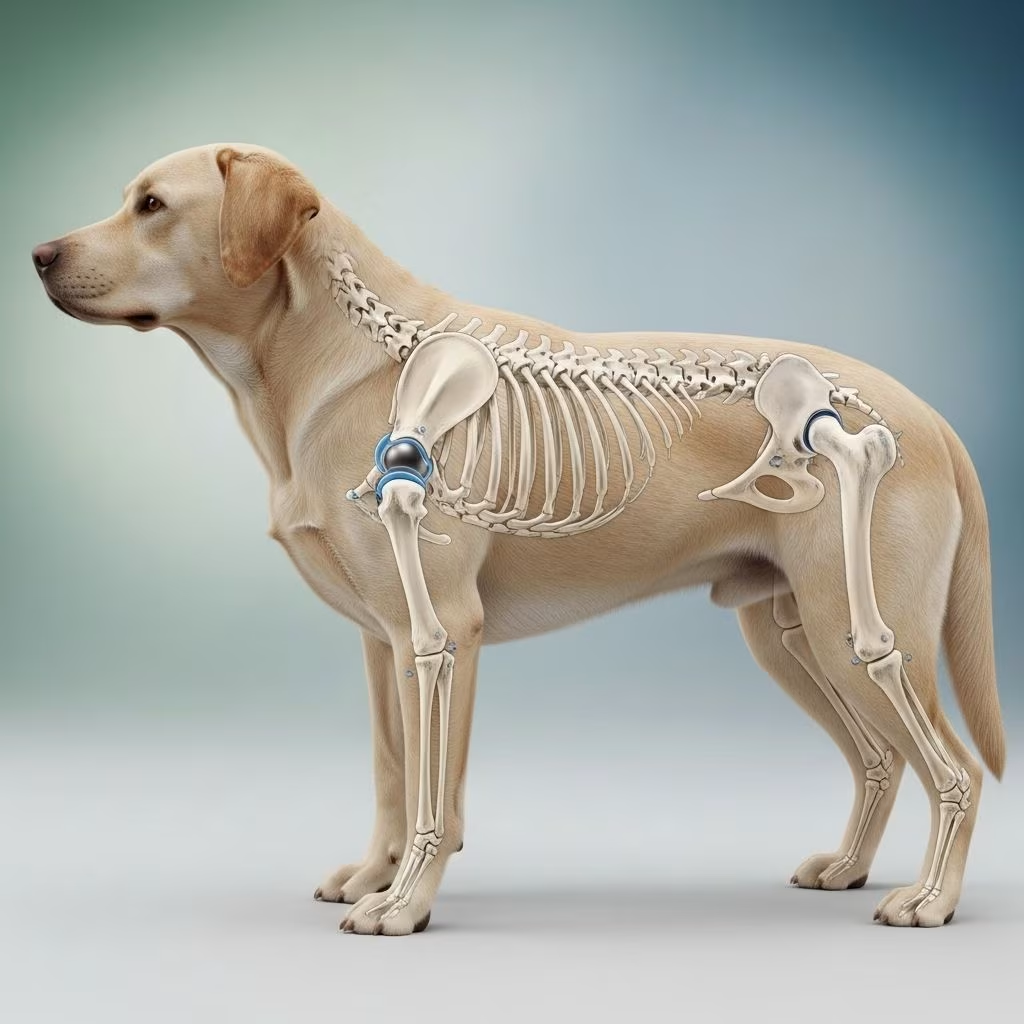
The hip joint is a classic ‘ball-and-socket’ structure, where the rounded head of the femur (thigh bone) fits snugly into the acetabulum (the cup-shaped socket in the pelvis). In a healthy dog, this precise alignment allows for smooth, pain-free movement. However, in dogs with hip dysplasia, this alignment is defective: the joint is loose or malformed, causing excessive movement within the socket. Over time, this abnormal wear-and-tear leads to pain, swelling, reduced mobility, and often arthritis.
- Dysplasia means abnormal development, in this case describing a poorly formed hip joint.
- Chronic instability damages the joint cartilage, causing inflammation and discomfort.
- As the disease progresses, affected dogs may become less active and lose muscle mass in their hindquarters.
What Causes Hip Dysplasia in Dogs?
Hip dysplasia arises from a complicated interplay of genetic and environmental factors. Although the disorder is known to be hereditary, various lifestyle and upbringing elements can exacerbate its onset and severity.
- Genetics: The disorder is primarily hereditary, with certain breeds (such as German Shepherds, Labradors, Golden Retrievers, Rottweilers, and Mastiffs) at higher risk due to genetic predispositions.
- Nutrition: Excessive intake of calories, calcium, or certain nutrients during puppyhood—especially in large breeds—may contribute to rapid growth and joint stress.
- Weight: Overweight dogs experience greater force across their developing hip joints, increasing their risk of joint dislocation and chronic problems.
- Exercise: Both excessive and inadequate exercise during growth periods can increase the likelihood of developing joint problems.
- Other factors: Hormonal influences and trauma during development may also play a role.
Risk Factors for Hip Dysplasia
While any dog can develop hip dysplasia, the following risk factors significantly increase its likelihood:
- Medium and large breeds (especially German Shepherds, Labradors, Golden Retrievers)
- Genetic lineage with a history of dysplasia
- Obesity at a young age or throughout adult life
- Rapid skeletal growth, often from excessive nutrition
- Inappropriate exercise regimens during critical developmental periods
Recognizing the Signs of Hip Dysplasia in Dogs
Early detection is vital, as prompt intervention can slow the disorder’s progression and improve the dog’s prognosis. Hip dysplasia signs can show up in puppies as young as four to six months, but some dogs do not exhibit symptoms until arthritis sets in later in life.
Common Symptoms
- Lameness or Limping: Especially in one or both hind legs.
- Stiffness: Notably after resting or sleeping, often easing with movement.
- Difficulty Rising or Lying Down: Reluctance to get up or down, appearing stiff or uncomfortable.
- Bunny-Hopping Gait: Running with both hind legs moving together, instead of alternating.
- Unstable or Swaying Walk: Noticeably abnormal movements, sometimes described as a ‘waddle.’
- Pain or Sensitivity: Yelping, growling, or resisting touch around the hips.
- Reluctance to Climb Stairs or Jump: Avoiding activities that strain the hips.
- Muscle Atrophy: Thinning or muscle loss in the hindquarters as the dog avoids using the affected limbs.
- Decreased Activity: Loss of interest in play or exercise; preference for resting.
Behavioral cues such as depression or withdrawal from social activities may also signal chronic pain.
How is Hip Dysplasia Diagnosed?
Accurate diagnosis is essential for developing an effective management plan. Veterinarians use a combination of history-taking, physical examinations, and imaging techniques to confirm the disorder.
Diagnostic Approach
- Physical Examination: The vet will assess the pelvis, hips, and limbs for pain, swelling, range of motion, muscle mass, and abnormal movement. Manipulating the hips may elicit pain or reveal joint looseness.
- Gait Analysis: Observing the dog’s movement for signs of limping, bunny-hopping, or ataxia (unsteadiness).
- Imaging:
- X-rays: The gold standard for diagnosing hip dysplasia. X-rays reveal joint congruity, the fit between femur and acetabulum, arthritis, and degree of joint damage.
- Additional modalities: In complex or ambiguous cases, CT or MRI scans may provide further detail.
- Genetic Testing: For breeding dogs, specific tests may identify carriers of dysplasia-related genes.
Diagnosing the condition in very young puppies can be challenging, as the joint may still be developing.
Treatment Options for Hip Dysplasia in Dogs
Treatment for hip dysplasia is highly individualized and depends upon the dog’s age, weight, severity of symptoms, and overall health. Goals include minimizing pain, maximizing mobility, and improving quality of life. Treatment approaches fall into two categories: conservative (non-surgical) management and surgical intervention.
Non-Surgical Management
- Weight Management: Keeping your dog at its ideal weight reduces strain and slows joint deterioration.
- Controlled Exercise: Gentle, low-impact activities (such as swimming or leash walks) help maintain muscle tone without aggravating joint pain. Avoid high-impact and jumping activities.
- Pain Relief:
- Nonsteroidal anti-inflammatory drugs (NSAIDs), prescribed by a veterinarian, are commonly used to manage pain and inflammation.
- Other pain medications or supplements (glucosamine, chondroitin, omega-3 fatty acids) may support joint health.
- Physical Therapy: Professional rehabilitation therapies may include physiotherapy, laser therapy, hydrotherapy, and therapeutic exercises.
- Home Modifications: Use ramps to avoid stairs, provide orthopedic bedding, and keep floors nonslip to help the dog move comfortably.
- Warm Compresses: Applying heat can help reduce muscle stiffness and discomfort.
Surgical Options
When conservative measures are insufficient, or in severe cases, surgical intervention may be necessary. The best surgical approach depends on the dog’s age, size, and disease stage.
| Procedure | Description | Ideal Candidates |
|---|---|---|
| Juvenile Pubic Symphysiodesis (JPS) | Minimally invasive surgery for puppies; fuses part of the pelvis to alter growth and improve joint fit. | Puppies diagnosed before 18 weeks of age. |
| Double/Triple Pelvic Osteotomy (DPO/TPO) | Cuts and rotates the pelvis to improve socket coverage and stability. | Young dogs (<10 months) with minimal arthritis. |
| Total Hip Replacement (THR) | Replaces entire hip joint with artificial components for pain-free movement. | Dogs over 1 year old, severe dysplasia or arthritis. |
| Femoral Head Ostectomy (FHO) | Removes the head of the femur to eliminate bone-on-bone rubbing; creates a false joint. | Dogs of any age/small to medium breeds, not candidates for THR. |
All surgeries require specialized aftercare, including rest, rehabilitation, and follow-up to ensure optimal recovery.
Managing Hip Dysplasia at Home
- Weight Control: Carefully manage your dog’s body condition score. Overweight dogs are more prone to pain and progression of joint disease.
- Safe Exercise: Keep activity regular but gentle. Swimming and leash walks are excellent for building strength without stressing joints.
- Pain Management: Never administer human medication—work with your veterinarian for safe, effective options.
- Comfort Improvements: Soft, supportive bedding and ramps to reduce jumping/climbing can increase your dog’s quality of life.
- Physical Therapy at Home: Gentle massage, stretching, and prescribed therapeutic exercises help maintain joint health and mobility.
Prognosis and Prevention
The prognosis for dogs with hip dysplasia varies significantly. With early detection and a proactive management plan, many dogs can lead active, fulfilling lives.
- Dogs with mild to moderate dysplasia, especially those treated early, can often remain comfortable on conservative management for years.
- More severe cases may require surgery for long-term mobility and comfort.
Prevention Strategies
- Choose Accredited Breeders: Breeders who screen parent dogs for hip dysplasia (through X-rays and genetic testing) dramatically reduce the risk in offspring.
- Proper Nutrition: Feed a balanced, species-appropriate diet during puppyhood to avoid rapid growth and obesity.
- Appropriate Exercise: Avoid both excessive and insufficient exercise, especially during critical growth periods (puppyhood).
Dog Breeds Most Commonly Affected by Hip Dysplasia
- German Shepherd
- Labrador Retriever
- Golden Retriever
- Rottweiler
- Bernese Mountain Dog
- St. Bernard
- Mastiff breeds
Hip dysplasia can occur in mixed-breed dogs and small breeds as well, but incidence is highest in rapidly growing, large-breed dogs.
Frequently Asked Questions (FAQs)
What is hip dysplasia in dogs?
Hip dysplasia is a developmental abnormality where the ball and socket of the hip joint do not fit together properly, leading to joint looseness, pain, swelling, and, ultimately, arthritis.
What are signs my dog might have hip dysplasia?
Common signs include lameness, limping, stiffness, reluctance to exercise, bunny-hopping gait, trouble rising, and visible muscle loss in the hind legs. Some dogs hide pain, so subtle behavioral changes can also indicate joint issues.
How is hip dysplasia diagnosed?
Diagnosis involves a veterinary exam, gait analysis, and confirmation with X-rays. The vet may also recommend joint manipulation to check for abnormal looseness or pain.
Can hip dysplasia in dogs be cured?
There is no absolute cure for hip dysplasia, but its symptoms can be managed with weight control, pain medications, physical therapy, and, when appropriate, surgery.
Is surgery always necessary for hip dysplasia?
Many dogs can be managed successfully with conservative measures. Surgery is reserved for severe cases or when pain and lameness are not effectively controlled by non-surgical means.
How can I prevent my dog from developing hip dysplasia?
The best prevention is responsible breeding (using tested parents), proper puppy nutrition, weight management, and regular but not excessive exercise during development.
What is the long-term outlook for dogs with hip dysplasia?
Many affected dogs enjoy good quality of life with proper management. Early intervention, weight control, and pain management are key to long-term comfort and activity.
Key Points to Remember
- Hip dysplasia is a lifelong but manageable condition with proper care.
- Early detection and prompt treatment improve outcomes and comfort.
- Work closely with your veterinarian to develop a customized management and/or treatment plan for your dog.
- Prevention through thoughtful breeding, proper nutrition, and controlled exercise can reduce the incidence of this painful condition in future generations.
References
- https://www.akc.org/expert-advice/health/hip-dysplasia-in-dogs/
- https://www.bluecross.org.uk/advice/dog/health-and-injuries/hip-dysplasia-in-dogs
- https://vcahospitals.com/know-your-pet/hip-dysplasia-in-dogs
- https://www.goodrx.com/pet-health/dog/hip-dysplasia-in-dogs
- https://www.morrisanimalfoundation.org/article/disease/hip-dysplasia-in-dogs
- https://vethospital.tamu.edu/small-animal/orthopedics/canine-hip-dysplasia/
- https://www.pdsa.org.uk/pet-help-and-advice/pet-health-hub/conditions/hip-dysplasia-in-dogs
- https://animalkingdomvet.net/blog/canine-hip-dysplasia-causes-treatment/
- https://blissanimalhospital.com/blog/hip-dysplasia-in-dogs/