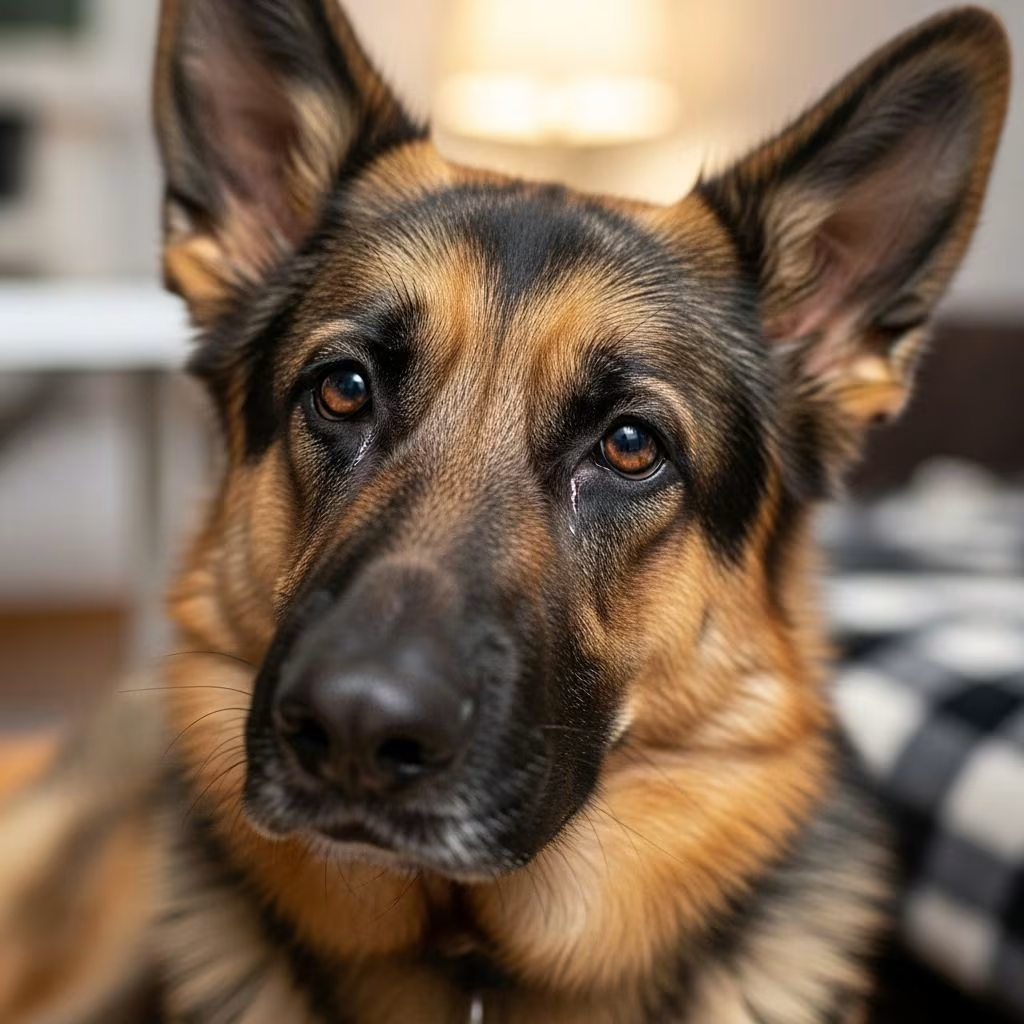
Canine influenza, commonly known as dog flu, is a highly contagious respiratory disease that can affect dogs of all ages and breeds. First identified in the United States in the early 2000s, this illness has since caused multiple outbreaks, particularly in shelters, boarding facilities, and areas where dogs congregate. This comprehensive guide explores the origins, symptoms, diagnosis, treatment, recovery, and prevention of dog flu to help pet owners protect their beloved companions.
What is Dog Flu?
Dog flu is a contagious respiratory infection caused by specific strains of the influenza virus. Unlike the seasonal flu experienced by humans, dog flu is caused by two main viral strains:
- H3N8 – First identified in racing Greyhounds in Florida in 2004, this virus is believed to have originated from horses, having adapted to infect dogs and spread among them.
- H3N2 – Detected in Asia in 2006, this strain likely originated from birds and was confirmed in the U.S. in 2015. The H3N2 strain is known to cause more severe symptoms in some dogs and has a longer shedding period.
Both strains are transmitted through respiratory secretions—such as coughing, barking, and sneezing—and by contact with contaminated objects or environments.
How Do Dogs Get the Flu?
Dog flu primarily spreads via droplets expelled when an infected dog coughs, barks, or sneezes. Dogs can also contract the virus by contact with contaminated surfaces, such as:
- Food and water bowls
- Leashes, collars, and toys
- Grooming tools and bedding
- Human hands and clothing after petting or handling an infected dog
The virus is notably hardy, surviving for up to 48 hours on surfaces, up to 12 hours on clothing, and up to 24 hours on hands without disinfection. Close quarters, such as shelters, boarding facilities, dog parks, and daycare centers, can accelerate outbreaks due to the high density of susceptible dogs.
Symptoms of Dog Flu
Symptoms of canine influenza can range from very mild to severe. Some dogs may become infected and remain asymptomatic, but still transmit the virus to others. In most cases, clinical signs appear 2–8 days after exposure for H3N2, and 2–3 days for H3N8.
Common Symptoms Include:
- Coughing (moist or dry; often persistent for 10–21 days)
- Runny nose (nasal discharge, clear or pus-like)
- Sneezing
- Fever (typically mild, can rise to 104–106°F in severe cases)
- Lethargy (decreased activity, tiredness)
- Reduced or absent appetite
- Runny eyes
- Difficulty breathing (especially if pneumonia develops)
Roughly 80–90% of dogs exposed will develop symptoms, with approximately 10–20% remaining asymptomatic—but still contagious. Puppies, elderly dogs, brachycephalic (flat-faced) breeds, and those with existing heart or lung conditions are at higher risk for severe illness.
Severe Cases and Complications
While most dogs show mild symptoms, about 20% develop a more serious form, sometimes resulting in:
- Pneumonia (bacterial or viral)
- High fever
- Increased breathing difficulty
The mortality rate is low (<10%), but complications can be fatal if not treated promptly, particularly in vulnerable populations.
Diagnosis of Canine Influenza
Diagnosis of dog flu cannot be made by symptoms alone, as they are similar to other respiratory illnesses like kennel cough and distemper. Veterinarians use a combination of medical history, clinical signs, and laboratory testing to confirm infection.
Diagnostic Methods
- Review of recent exposure to other dogs or environments associated with outbreaks
- Physical examination for respiratory symptoms
- Laboratory tests: Swabs from nose or throat for PCR to detect viral RNA, or blood tests for antibodies
Owners should call their veterinarian ahead of visiting if dog flu is suspected, as the virus is highly contagious and may require special handling or isolation protocols to avoid spreading it further.
Treatment of Dog Flu
There is no specific antiviral cure for dog flu; treatment focuses on supportive care designed to help the dog’s immune system overcome the virus while managing symptoms and preventing complications.
Supportive Care May Include:
- Rest and isolation: Keep your dog calm, quiet, and away from other pets to limit the spread.
- Hydration: Provide ample fresh water to prevent dehydration.
- Nutritional support: Encourage eating using soft, aromatic foods if appetite is reduced; veterinary nutritional support may be needed if not eating.
- Fever and pain control: Veterinarians may prescribe NSAIDs (nonsteroidal anti-inflammatory drugs) to reduce fever and discomfort, but never give human medication without veterinary guidance.
- Cough suppressants: Used when coughing is persistent and non-productive and based on veterinary discretion.
- Antibiotics: Administered only if secondary bacterial infections develop, such as pneumonia; not effective against the virus itself.
- IV fluids: Hospitalization and intravenous fluids may be necessary if severe dehydration or inability to eat/drink develops.
- Oxygen support: In severe respiratory distress or pneumonia cases, oxygen therapy might be needed, provided in hospital settings.
Home Care Tips
- Offer warm, palatable food to stimulate appetite.
- Keep their environment quiet and comfortable; provide soft, warm bedding for rest.
- Regularly clean any nasal or eye discharge using a warm, damp cloth.
- Maintain a stress-free environment to support recovery.
Isolation Precautions
To prevent the spread of dog flu:
- Isolate infected dogs from all other pets for up to 3–4 weeks or until cleared by a veterinarian.
- Avoid dog parks, boarding facilities, grooming salons, and daycare centers during recovery.
- Disinfect clothing, wash hands thoroughly, and clean contaminated surfaces and materials with household cleaners (bleach and soapy water work well).
Recovery and Management
Most dogs with a mild case of canine influenza recover within 2–3 weeks. During this period, your dog may continue to have a residual cough, even as other symptoms resolve. Recovery depends on:
- Age and overall health
- Immune status
- Presence of complications (such as secondary bacterial infections)
For puppies, geriatric dogs, or those with compromised immunity, close veterinary supervision is vital to ensure a full recovery without complications. Prompt intervention is essential if symptoms worsen or fail to improve, especially signs of pneumonia or difficulty breathing.
Preventing Canine Influenza
Preventing dog flu involves a combination of vaccination, hygiene, and responsible canine socialization.
Vaccination
Vaccines for both H3N8 and H3N2 strains are available and are recommended especially for dogs at higher risk due to frequent contact with other dogs. Major manufacturers include Nobivac and Zoetis.
- Initial vaccine can be given as early as 7–8 weeks of age
- Booster is required 2–4 weeks after the first dose
- Annual revaccination for continued immunity
Vaccine side effects are rare and generally limited to mild transient reactions such as localized swelling or mild fever. Hypersensitivity or allergic reactions are possible but uncommon.
While vaccination does not always prevent infection, it greatly reduces the severity and duration of symptoms and decreases viral shedding, making outbreaks less severe.
Hygiene and Environmental Control
- Regularly sanitize food and water bowls, bedding, toys, and surfaces in shared environments
- Hand and paw washing when returning from public or crowded dog spaces (paw cleaners can be helpful)
- Change clothes and footwear, and wash hands after handling dogs in high-risk settings
Social Contact Management
- Limit your dog’s visits to dog parks, daycares, or boarding facilities during community outbreaks or if your dog is unvaccinated
- Avoid exposing dogs with unknown vaccination or illness status to your pets
- Monitor for local or national canine influenza outbreak alerts
Prognosis and When to Seek Veterinary Help
The overall prognosis for canine influenza is good. Most dogs recover fully with supportive care and have no lingering effects. However, a cough may last several weeks after acute illness resolves. Call your veterinarian right away if:
- Your dog is coughing persistently and not improving
- There is labored or rapid breathing
- They develop a high fever or severe lethargy
- Your pet is a young puppy, senior, or has chronic health issues
Frequently Asked Questions (FAQs) About Dog Flu
What is the difference between dog flu and kennel cough?
Both dog flu and kennel cough are contagious respiratory illnesses, but kennel cough is generally caused by Bordetella bronchiseptica (sometimes in combination with viruses), while dog flu is caused by influenza viruses H3N8 or H3N2. Clinically, both can present similarly, but dog flu tends to last longer and can be more severe in some cases.
Can my dog get dog flu more than once?
Yes. While infection provides some immunity, it may not be lifelong or protect against a different strain. Vaccination is advised even after infection, especially for at-risk dogs.
Is dog flu contagious to humans?
There is no evidence that canine influenza can infect humans. The virus is currently considered a dog-specific pathogen, but good hygiene is still essential.
How long should I isolate my dog after the flu?
Most veterinarians recommend isolation for at least three to four weeks, especially if there are vulnerable or unvaccinated dogs in the household or facility, as viral shedding may continue after obvious symptoms resolve.
What should I do during an outbreak in my area?
Limit your dog’s exposure to other dogs and avoid group settings. Ensure your dog’s vaccinations are up to date, and maintain good hygiene practices such as cleaning paws and washing hands after contact.
Summary Table: Dog Flu Key Facts
| Aspect | Details |
|---|---|
| Viruses | H3N8 and H3N2 |
| Transmission | Respiratory droplets, contaminated objects/environments |
| Incubation Period | 2-8 days (strain-dependent) |
| Symptoms | Coughing, sneezing, fever, runny nose, lethargy |
| Treatment | Supportive care, antibiotics if secondary infection |
| Prognosis | Good; most recover in 2–3 weeks |
| Vaccination | Available for both strains |
| Isolation | 3–4 weeks or until cleared by a vet |
Conclusion
Dog flu remains a significant health concern primarily due to its rapid spread and close resemblance to other respiratory diseases. Early recognition, isolation, and supportive care are the most effective means of ensuring your dog’s healthy recovery. Work closely with your veterinarian, especially if your dog is considered high risk, and stay informed about local outbreaks. Through a combination of vigilant hygiene, vaccination, and responsible pet care, you can help keep your dog—and the entire canine community—safe from the effects of canine influenza.
References
- https://trudellanimalhealth.com/blogs/blog/what-is-dog-flu-signs-symptoms-and-how-to-treat-it
- https://www.petmd.com/dog/conditions/respiratory/dog-flu-canine-influenza-dogs
- https://www.webmd.com/pets/dog-flu-symptoms-causes-treatment
- https://www.smalldoorvet.com/learning-center/medical/dog-flu-canine-influenza
- https://vcahospitals.com/know-your-pet/canine-influenza-the-dog-flu
- https://www.cdc.gov/flu-in-animals/about/canine-flu.html
- https://vetmed.tennessee.edu/wp-content/uploads/sites/4/FactSheet_BDS_CanineInfluenza.pdf
- https://www.merckvetmanual.com/dog-owners/lung-and-airway-disorders-of-dogs/canine-influenza-flu