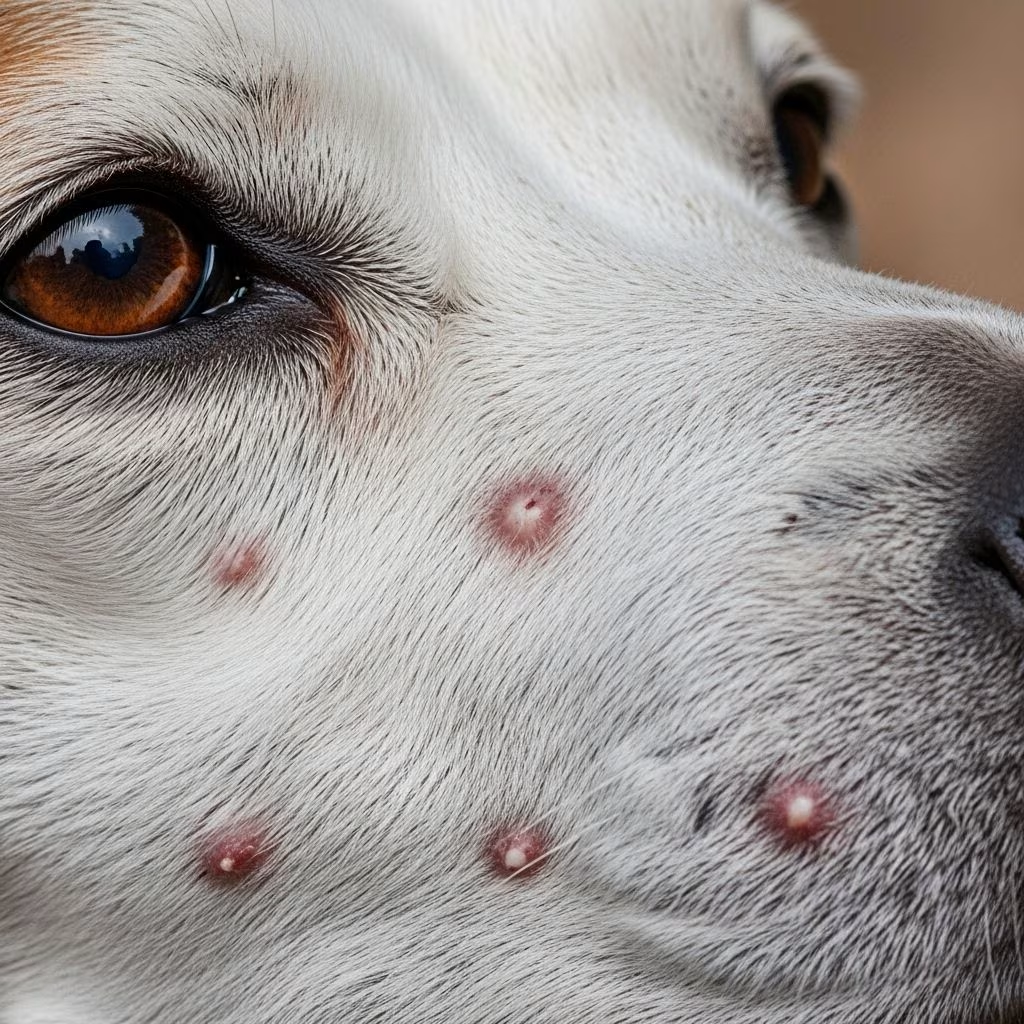
Bugs are an inevitable part of every dog’s outdoor adventures. While most bites are minor annoyances, some can cause serious discomfort—or even pose life-threatening dangers. Being able to recognize symptoms, identify which insect may have bitten your dog, and knowing when to seek veterinary help are crucial skills for every pet parent. Below, we break down the most common bug bites that dogs encounter, their typical signs, how to treat them at home, and what symptoms require a trip to the vet.
Why Understanding Bug Bites Matters
Dogs use their noses and paws to explore the world, naturally putting them at risk of encountering insects. Bug bites can result in anything from mild itching to severe allergic reactions and can also transmit diseases. Understanding the impact of different insect bites is the first step in proper care and prevention.
- Mild symptoms include redness, localized swelling, itching, and generalized discomfort.
- Severe symptoms may involve facial swelling, difficulty breathing, vomiting, collapse, or intense pain.
- Certain bug bites transmit diseases such as Lyme, heartworm, and tapeworm—requiring prompt intervention.
Symptoms of Bug Bites in Dogs
The symptoms of bug bites vary depending on the insect and the dog’s sensitivity. However, some signs are common to most insect stings and bites:
- Whining, howling, or sudden vocalization at the time of the bite or shortly after
- Swelling or redness at the site
- Local pain or itching
- Hives (small, raised welts), especially on the face or limbs
- Licking, chewing, or pawing at the affected area
- Presence of a stinger or tick attached to the skin
It’s important to differentiate between mild irritation and potentially dangerous allergic reactions. Contact your veterinarian immediately if your dog exhibits:
- Facial, muzzle, or throat swelling
- Rapid onset of hives
- Labored or noisy breathing
- Intense, uncontrollable itching
- Collapse, disorientation, vomiting, or diarrhea
1. Bee, Hornet, and Wasp Stings
Stinging insects such as bees, hornets, wasps, and yellow jackets are common culprits of sudden pain in dogs. Dogs may yelp, start licking the site, or limp if stung on the paw. Swelling, localized pain, and redness are typical. Bees generally leave a stinger behind, while wasps and hornets do not and may sting multiple times.
Symptoms:
- Immediate localized swelling and pain
- Redness and heat
- Limping or licking the area
- Possible presence of a stinger in the skin (especially with bee stings)
Be alert for allergic reactions, which can manifest as rapid facial swelling, hives, vomiting, or trouble breathing—these require emergency veterinary care.
First Aid and Treatment:
- Remove the stinger gently with a rigid, straight-edged object (like a credit card)—avoid using tweezers as they can squeeze more venom out
- Apply an ice pack or cold compress for 5–10 minutes to reduce pain and swelling
- Contact your veterinarian regarding the safe use of antihistamines (e.g., diphenhydramine/Benadryl) for mild reactions
If your dog struggles to breathe, collapses, or vomits soon after a sting, bring them to a vet immediately.
2. Mosquito Bites
Mosquitoes bite exposed skin, leaving behind itchy, small, raised welts on the nose, ears, or belly. While the itch is usually mild, the risk lies in disease transmission: dogs can contract heartworm disease from a single mosquito bite. Mosquitoes are most active during dawn, dusk, and humid evenings.
Symptoms:
- Small, red, raised bumps (often on thin-skinned areas)
- Itching and mild discomfort
Heartworm warning: Mosquitoes can transmit heartworm larvae to dogs, which is a serious and sometimes fatal disease without preventive care.
Treatment & Prevention:
- Apply cold compresses or topical ointments (under vet guidance) to soothe irritation
- Use prescribed heartworm preventives all year round
- Limit outdoor time during peak mosquito activity and avoid stagnant water
3. Flea Bites
Fleas are tiny, jumping insects that deliver multiple itchy bites—usually along the back, base of the tail, and inside the thighs. Some dogs develop flea allergy dermatitis, causing significant discomfort even from a single bite.
Symptoms:
- Intense itching, scratching, and biting at the skin
- Red bumps or scabs along the back, tail base, or inner thighs
- Hair loss or thinning coat from chronic scratching
- Flea dirt (tiny black specks resembling pepper) on the skin or bedding
Treatment:
- Begin or continue a veterinarian-recommended flea preventive
- Treat the home and all pets for fleas
- Soothe red, irritated areas with cool baths or veterinarian-approved topical remedies
Severe flea infestations can cause anemia in puppies and small dogs—consult your vet if you notice weakness or pale gums.
4. Tick Bites
Ticks attach firmly to the dog’s skin, often on the head, ears, or neck. Their bites are typically painless but can transmit serious diseases, including Lyme disease and ehrlichiosis. Ticks have a hard, lumpy body that remains attached after biting.
Symptoms:
- Visible tick attached to the skin—resembles a small, gray or brown lump
- Redness or mild irritation at the bite site after removal
- Possible lethargy, joint pain, or fever (if disease is transmitted)
| Tick-Borne Diseases | Potential Symptoms |
|---|---|
| Lyme Disease | Lameness, fever, joint swelling, loss of appetite |
| Ehrlichiosis | Lethargy, bleeding problems, weight loss |
| Anaplasmosis | Joint pain, fever |
Tick Removal & Care:
- Remove the tick promptly using tweezers or a tick removal tool: grasp close to the skin and pull steadily upward
- Clean the skin with mild soap and water
- Monitor the site for signs of infection or unusual swelling
- Start or maintain a tick preventive as recommended by your veterinarian
Contact your veterinarian if your dog seems unwell after a tick bite, or if you are unable to fully remove the tick head.
5. Spider Bites
While most spider bites are harmless, a few species (such as the black widow or brown recluse) can cause severe reactions in dogs. Bite sites may go unnoticed until swelling, redness, or systemic symptoms develop.
Symptoms:
- Redness, swelling, or ulceration at the site
- Pain or sensitivity
- Lethargy, fever, muscle tremors, vomiting, or collapse with venomous species
Some spiders inject venom that can lead to tissue death, limb dysfunction, or even organ damage. Prompt veterinary attention is essential if your dog displays any serious symptoms following a suspected spider bite.
What to Do:
- Clean the bite with mild soap and water
- Immediately seek veterinary care with any signs of spreading redness, pain, fever, or whole-body symptoms
- Avoid using home remedies for serious or unknown spider bites
6. Ant Bites and Stings
Ants, especially fire ants, deliver painful stings and bites that can cause significant local irritation or even allergic reactions. Fire ant stings leave small, white pustules surrounded by redness.
Symptoms:
- Red, raised, sometimes pus-filled blisters
- Pain or intense itching at the bite
- Licking or chewing the affected area
- Rarely, hives or swelling of the face and throat (allergic reaction)
Treatment:
- Apply a cold compress for swelling
- Consult your vet for severe reactions or if signs of allergy develop
- Avoid allowing your dog near known ant mounds or nests
7. Fly Bites
Flies bite dogs most commonly on the ears and nose—areas with thin fur. This is especially a problem in warm weather or dirty environments. The bites can become infected if scratched excessively.
Symptoms:
- Red, bleeding, or crusty spots mostly on the ear tips or face
- Itchiness or head shaking
- Black or green discharge (if infection develops)
Treatment & Prevention:
- Clean wounds with mild soap and water
- Apply a veterinarian-recommended ointment
- Keep your dog indoors during peak fly hours, maintain clean surroundings, and treat any wounds promptly
General At-Home Care for Bug Bites
- Ice or cold compress: Apply for 5–10 minutes to reduce swelling and discomfort
- Topical treatments: Use aloe vera gel or oatmeal baths to soothe itchy, irritated skin
- Baking soda paste: Make a paste with water to relieve itching; rinse off after ten minutes
- Antihistamines: Only give as directed by a veterinarian
- Prevent your dog from licking, chewing, or scratching the site by using an Elizabethan collar if necessary
Never use over-the-counter human medications without veterinary approval, as some ingredients may be toxic to pets.
When to Call Your Veterinarian
- Signs of an allergic reaction (swelling, difficulty breathing, vomiting, or collapse)
- Multiple stings or bites, especially in sensitive areas like the mouth or throat
- Symptoms persist for more than a day or worsen despite at-home care
- Evidence of tick-borne disease or severe flea/tick infestation
- Suspected spider bites from dangerous species
Prompt treatment can save your dog’s life in the case of severe allergic reactions or disease transmission.
Preventing Bug Bites in Dogs
- Use veterinarian-approved flea, tick, and heartworm preventives year-round
- Avoid walking your dog near nests, stagnant water, and dense underbrush, especially during peak bug activity
- Keep your yard clean, mow grass regularly, and eliminate standing water
- Inspect your dog’s fur and skin after outdoor play, especially in high-risk regions
Early intervention and awareness are the best ways to keep your furry companion comfortable and healthy throughout the year.
Frequently Asked Questions (FAQs)
Q: Can dogs be allergic to insect bites?
A: Absolutely. Dogs can develop mild to severe allergic reactions, including swelling, hives, and anaphylaxis from insect stings and bites. Rapid or severe symptoms require urgent veterinary attention.
Q: Which bug bites are most dangerous for dogs?
A: Stings from bees, wasps, hornets, and certain spiders can be especially dangerous due to potential allergic reactions. Tick bites can also lead to serious, sometimes life-threatening diseases.
Q: How can I prevent bug bites on my dog?
A: Use year-round parasite prevention, avoid known insect-prone areas, inspect your dog after outdoor outings, and maintain a clean environment to deter bugs.
Q: Are home remedies safe for bug bites on dogs?
A: Cold compresses, oatmeal baths, and vet-approved topical treatments are generally safe. Avoid using human medications unless directed by a veterinarian, as some can be harmful to dogs.
Q: When should I see a veterinarian for a bug bite?
A: Contact your veterinarian if your dog experiences swelling, trouble breathing, vomiting, collapse, multiple bites, or persistent symptoms, as these may be signs of a severe reaction or infection.
References
- https://billingsanimalfamilyhospital.com/post/are-bug-bites-on-pets-harmful
- https://www.metlifepetinsurance.com/blog/pet-health/bug-bites-on-dogs/
- https://www.petmd.com/dog/general-health/7-common-bug-bites-dogs
- https://www.pdsa.org.uk/pet-help-and-advice/pet-health-hub/conditions/insect-bites-and-stings-in-dogs
- https://www.aspcapetinsurance.com/resources/dog-bug-bites/
- https://petwellnessclinics.com/articles/heartworm-flea-tick-treatment
- https://zymox.com/natural-remedies-to-soothe-bug-bites-on-dogs/
- https://wesvet.com/faqs-about-bug-bites-in-pets/
- https://www.petmd.com/dog/general-health/mosquito-bites-on-dogs