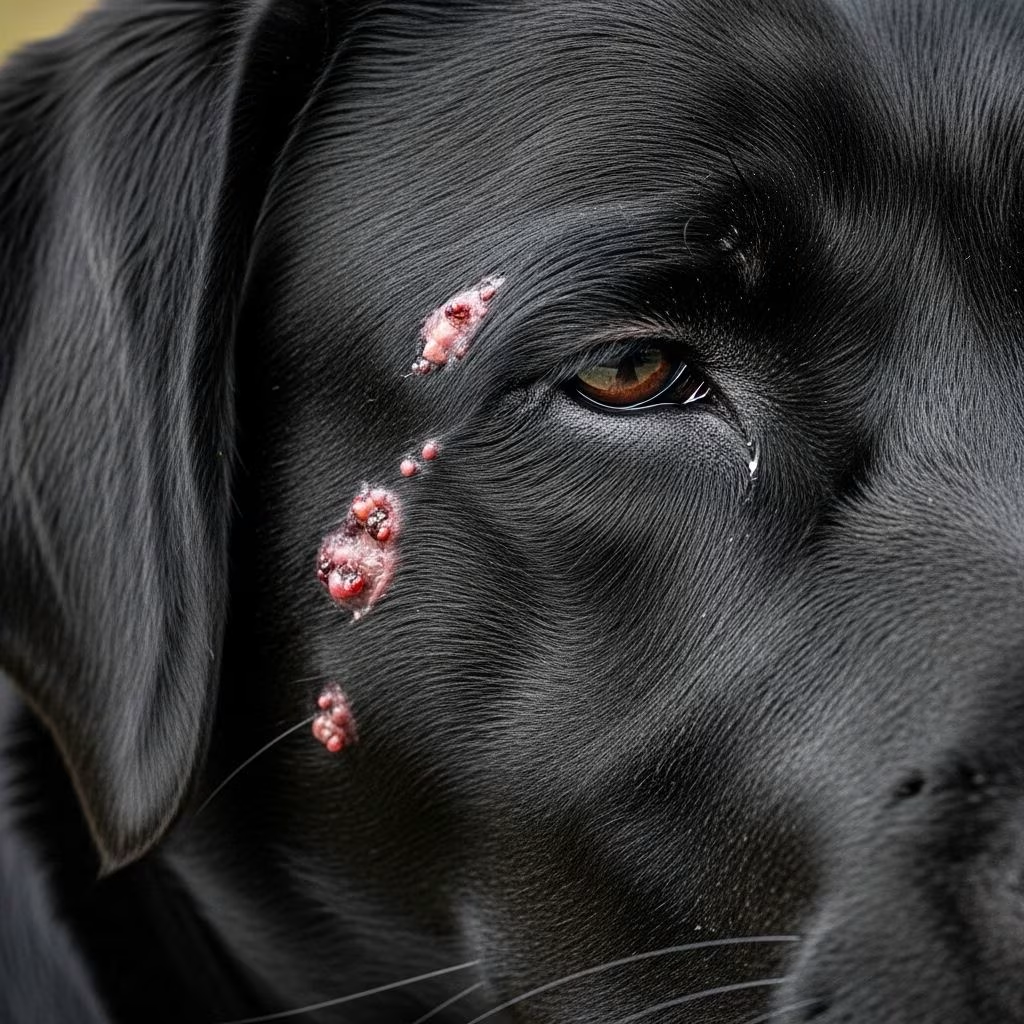
Black Fly Bites on Dogs: Signs, Treatment, and Prevention
Dogs love to spend time outdoors, but with the warm, humid seasons come various pests—including the black fly. While black fly bites are usually not dangerous, they can cause discomfort, intense itching, and, in rare cases, serious allergic reactions. Understanding what to look for, how to treat bites, and how to prevent them will help keep your dog safe and happy all year round.
What Are Black Fly Bites on Dogs?
Black flies (Simuliidae), commonly referred to as buffalo gnats, are small, winged insects distinguished by their black, gray, or yellowish-brown bodies. These pests are especially active in humid spring and summer months, though in some sub-tropical areas, their activity spans year-round.
Female black flies are the culprits behind these bites. Unlike mosquitoes that puncture blood vessels, black flies cut the skin to create a small pool of blood, which they then feed on. Males do not bite. During black fly season, swarms may surround and bite dogs—most often targeting thinly-furred or exposed skin, such as the belly, inner thighs, face, and ears.
- Active Periods: Most aggressive during calm daytime hours, especially mornings and late afternoons.
- Preferred Environments: Near running water, still air, and humid climates.
- Bite Behavior: Swarming, leading to clusters of small, itchy, bloody spots on dogs.
Black fly infestations tend to be seasonal, with increases in certain habitats and times of day. Recognizing and avoiding high-risk environments can significantly reduce risks.
What Do Black Fly Bites Look Like on Dogs?
Not all bug bites look alike, and black fly bites are particularly distinctive. Most commonly, bites appear where your dog’s fur is thinnest—including the underside of the abdomen, insides of the hind legs, ears, and sometimes the face.
- Each bite features a pinpoint puncture (the fly’s entry point), surrounded by a paler zone of swelling and a red outer rim.
- These bites typically form a characteristic bullseye or target appearance.
- Bites may also scab, ooze, or create open sores in severe cases.
- Swarms often cause clusters of bites leading to a noticeable rash, especially on the belly and thighs.
Dogs suffering from bites often show visible irritation:
- Crying out during bite attacks
- Chewing or scratching affected areas
- Rubbing face on the ground (if bitten on the face)
Due to distinct markings, veterinarians often identify black fly bites by sight alone.
Possible Complications: Allergic Reactions and Infection
While most black fly bites are simply bothersome, some dogs can develop more serious complications:
- Allergic Reaction: Rare, but symptoms can include hives elsewhere on the body, facial swelling, sudden vomiting, difficulty breathing, or even collapse. Immediate veterinary attention is crucial in these cases.
- Secondary Infection: Persistent scratching or chewing can break the skin, introducing bacteria and leading to infection—characterized by increased swelling, redness, pus, or open sores.
If your dog shows general severe discomfort, or you observe any of the above complications, consult a veterinarian as soon as possible.
Treatment of Black Fly Bites on Dogs
For most cases, black fly bites will resolve on their own within several days to a week. However, treatment focuses on relieving itchiness, ensuring healing, and reducing the risk of secondary infection.
At-Home Care Measures
- Cold Compress: Apply an ice pack or cold cloth to swollen, itchy areas for 5–10 minutes. Always place a barrier, like a towel, between skin and ice.
- Topical Hydrocortisone Cream: Lightly apply a pet-safe hydrocortisone or anti-itch cream to bites, monitoring your dog to prevent licking until the area dries (about 15 minutes).
- Aloe Vera: Over-the-counter aloe vera gel may provide soothing relief if recommended by your vet and if your dog won’t lick it off.
- Protective Measures: Use a recovery cone (Elizabethan collar) or dress your dog in a light T-shirt to prevent biting and scratching. Ensuring your dog doesn’t escalate the irritation is key to allowing the skin to heal.
Oatmeal baths can be calming, but keep in mind:
- Use only lukewarm water. Hot water can increase itchiness by stimulating histamine release.
- Moisture can promote infection—gently dry all wet areas afterward and avoid excess licking.
When to Consult a Veterinarian
Some cases require professional intervention:
- If your dog develops widespread hives, facial swelling, vomiting, diarrhea, groaning, trouble breathing, or collapse, seek emergency vet care immediately (anaphylaxis can be deadly).
- For severe itchiness, ask your vet about using oral antihistamines such as diphenhydramine (Benadryl®) or cetirizine (Zyrtec®). Only use under vet instruction, as canine dosages differ from human recommendations.
- If the bites seem infected (redness, swelling, pus, heat), your vet may prescribe a topical or oral antibiotic.
Important: Do not use a human EpiPen on your dog. If your dog is experiencing a severe allergic reaction, only trained veterinary professionals should provide emergency adrenaline (epinephrine) or antihistamine injections.
Recovery Timeline
Most uncomplicated black fly bites heal without intervention in less than seven days. The itching usually subsides within a few days. If symptoms linger beyond a week, or if new symptoms develop, consult your veterinarian for a re-evaluation.
How to Prevent Black Fly Bites on Dogs
Although black fly bites are generally not life-threatening, prevention reduces the risk of complications and ensures your dog’s outdoor experiences remain positive. Consider the following measures:
- Avoid High-Risk Environments: Black flies congregate near running water (rivers, streams) and are most active during humid spring and summer days, especially mornings and before sunset. Avoiding walks in these areas during peak hours greatly reduces risk.
- Protective Clothing: Lightweight dog shirts and recovery suits can shield vulnerable, thinly-haired skin areas from bites.
- Dog-Safe Repellents: Use only dog-specific bug sprays, as human repellents (including those containing DEET) can be toxic to dogs.
- Physical Barriers: Fenced, screened-in yards reduce fly exposure for outdoor dogs.
- Regular Grooming: Check your dog’s skin frequently, especially after walks in wooded or humid areas, so bites can be identified and treated quickly.
Overall, the most effective strategy is simply to avoid hot-spots and keep your pet indoors or in low-risk environments during peak fly activity. If venturing outdoors is unavoidable, use a mix of physical protection and approved repellents.
Table: Quick Comparison of Bug Bites on Dogs
| Bug Type | Appearance on Dog | Common Location | Severity | Special Notes |
|---|---|---|---|---|
| Black Fly | Bullseye rash, small bloody spots | Belly, thighs, ears, face | Mild–Severe (allergic rare) | Target-shaped; females bite |
| Mosquito | Little raised, red bumps | Anywhere with exposed skin | Mild | Can transmit heartworm |
| Tick | Attached tick, red swelling | Head, ears, body crevices | Varies (possible disease) | Can transmit Lyme, others |
| Flea | Clustered red spots | Tail base, belly, inner thighs | Itchy, risk of infection | Look for flea dirt (black specks) |
When to Seek Emergency Care
- Sudden facial swelling, lip swelling, or eye swelling
- Vomiting, diarrhea, or excessive drooling after being bitten
- Difficulty breathing, weakness, or collapse
- Intense, unmanageable itchiness or visible hives spreading across the body
These signs can indicate a life-threatening allergic reaction and require immediate veterinary care.
Frequently Asked Questions (FAQs)
Q: How can I tell if my dog’s bite is from a black fly?
A: Black fly bites typically appear in clusters on areas with thin fur, forming small bullseye-shaped welts with a central spot, paler swelling, and a red outer rim. The bites often occur on the abdomen, inner thighs, ears, or face.
Q: Will my dog’s black fly bites heal on their own?
A: In most cases, yes. Uncomplicated black fly bites should heal without intervention within a week. Severe cases, persistent scratching, or signs of infection should be evaluated by your vet.
Q: Can I use my own EpiPen or human bug spray on my dog?
A: No. Human EpiPens and most insect repellents (especially those with DEET) are not safe for dogs. Consult your vet for dog-safe alternatives and emergency protocols.
Q: Are black fly bites dangerous for all dogs?
A: Most bites are only an annoyance, but puppies, dogs with allergies, immunocompromised dogs, and those prone to skin infections may experience more severe reactions or complications.
Q: What should I use to clean my dog’s skin after bites?
A: Wash bites gently with cool, mild soapy water. Avoid harsh soaps or scrubbing, and dry thoroughly before applying any topical medications as directed by your vet.
Key Takeaways
- Black fly bites are common in dogs, especially during humid months near water.
- Most bites heal on their own and look like bullseye-shaped welts on less-furry skin.
- Relieve itching and prevent infection with cold compresses, proper creams, and by stopping your dog from scratching.
- Monitor for allergic reactions and infection. When in doubt, consult a vet for the best outcomes.
- Practice prevention by timing outdoor activities, using protective gear, and checking your dog’s skin regularly.
References
- https://www.petmd.com/dog/general-health/black-fly-bite-dogs
- https://www.whole-dog-journal.com/care/how-to-treat-black-fly-bites-on-dogs/
- https://www.kingsdale.com/black-fly-bites-on-dogs-effective-identification-and-soothing-solutions
- https://www.akc.org/expert-advice/health/black-fly-bites-on-dogs/
- https://www.animalhumanesociety.org/resource/could-you-recognize-common-bug-bite-your-pet
- https://annarboranimalhospital.com/blog/ouch-its-black-fly-bite-season/
- https://vcahospitals.com/know-your-pet/first-aid-for-insect-stings-in-dogs
- https://www.betterpet.com/learn/black-fly-bites-on-dogs