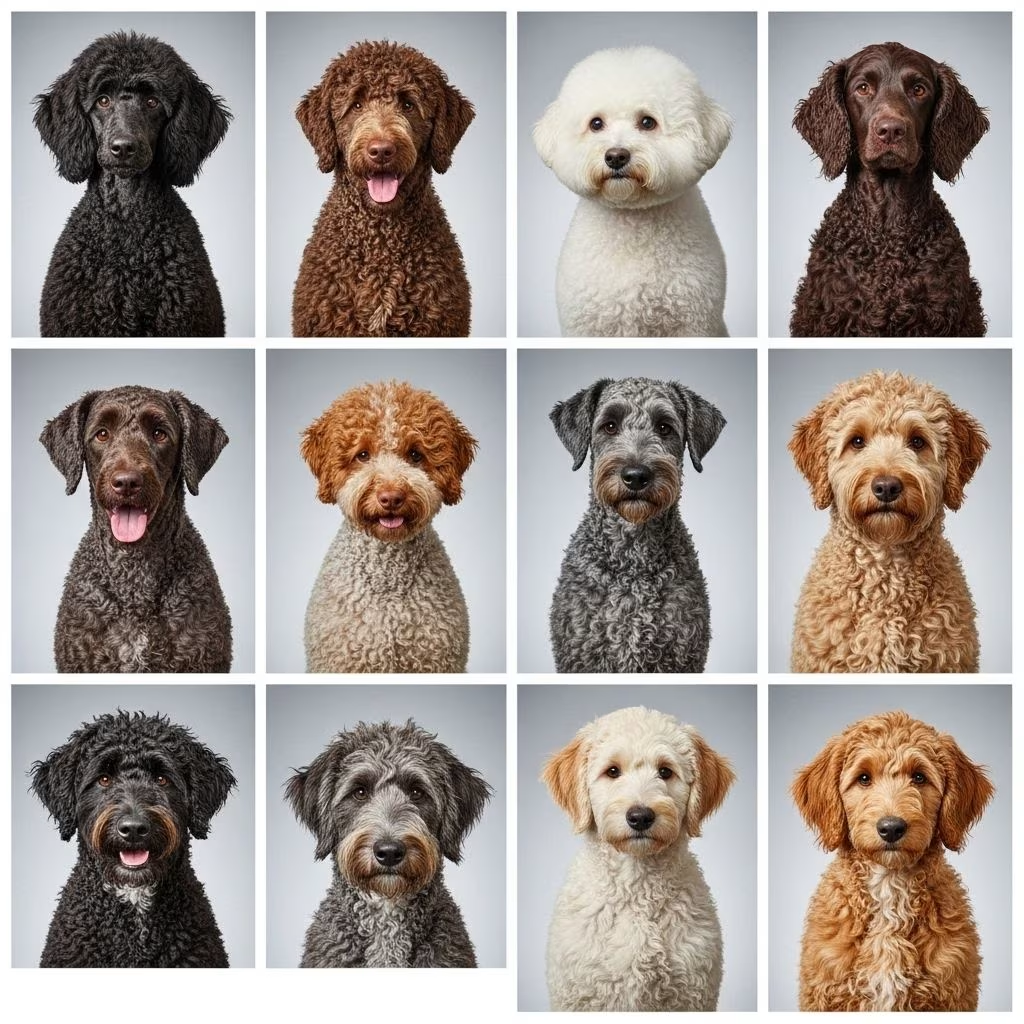
If your dog starts sneezing, coughing, or acting under the weather, you might wonder: Can dogs get colds, and what does it mean for their health? Like humans, dogs can develop respiratory illnesses that mimic cold symptoms, though they are typically caused by different viruses and bacteria. Understanding the causes, recognizing the symptoms, and knowing when to seek help are crucial for keeping your dog healthy and comfortable.
What Is a “Cold” in Dogs?
In humans, “the common cold” is usually caused by rhinoviruses, leading to mild respiratory symptoms. Dogs do not catch human cold viruses, but they can get their own upper respiratory infections, sometimes broadly referred to as colds. These infections are often caused by viruses and bacteria unique to the canine population, such as:
- Canine respiratory coronavirus
- Canine parainfluenza virus
- Canine adenovirus type 2
- Bordetella bronchiseptica (a primary cause of kennel cough)
- Canine herpesvirus-1
- Mycoplasma species bacteria
The term canine infectious respiratory disease (CIRD) or “kennel cough” is often used for these respiratory illnesses. They can cause symptoms similar to a human cold but do not cross-infect humans (i.e., people and dogs do not share the same cold viruses).
Can Dogs Catch Colds from Humans or Vice Versa?
It is almost impossible for dogs to catch colds from humans because the viruses or bacteria involved are species-specific. Similarly, you won’t catch your dog’s cold . That said, some rare respiratory pathogens (like certain strains of influenza) can jump species, but this is extremely uncommon with everyday colds.
Common Symptoms of Colds in Dogs
Recognizing cold symptoms in dogs is crucial for early intervention and proper care. Signs to look for include:
- Sneezing and nasal discharge
- Persistent cough (dry, hacking, or sometimes moist)
- Watery or red eyes
- Congestion and noisy breathing
- Sore throat (often shown as reluctance to bark or eat)
- Decreased energy and lethargy
- Loss of appetite or mild fever
- Headaches and general body aches (may show as increased rest or avoidance of activity)
It’s important to note that many respiratory illnesses, allergies, or even more serious diseases (such as canine distemper or pneumonia) can cause similar symptoms. Always monitor your dog closely and consult a veterinarian if you notice symptoms persisting for more than a couple of days, or if they worsen .
Causes of Cold-Like Symptoms in Dogs
Just like people, dogs may develop respiratory illnesses from exposure to various viruses or bacteria. The most common causes include:
- Canine respiratory viruses and bacteria: Responsible for most ‘cold’ symptoms in dogs; examples include canine parainfluenza and Bordetella bronchiseptica.
- Allergies: Seasonal or environmental allergies can mimic cold symptoms, often accompanied by itching.
- Bronchitis or pneumonia: More severe illnesses with overlapping symptoms; these require prompt veterinary attention.
- Environmental irritants: Smoke or airborne chemicals can cause sneezing and coughing.
How Do Dogs Catch Colds?
Dogs typically catch respiratory infections in ways similar to humans, primarily through exposure in social or shared environments:
- Direct dog-to-dog contact: Playing, sniffing, or interacting closely with another infected dog.
- Shared objects: Toys, food and water bowls, or bedding contaminated with respiratory secretions.
- Aerosolized particles: Coughing or sneezing can send infectious droplets into the air, which healthy dogs may breathe in.
Dogs that spend time in group environments—such as dog parks, boarding kennels, daycares, or training classes—are at greater risk of contracting respiratory infections due to their high exposure.
Which Dogs Are Most at Risk?
- Puppies and senior dogs: Less robust immune systems make them more susceptible.
- Dogs with underlying health conditions: Chronic illnesses or compromised immunity increases vulnerability.
- Brachycephalic breeds: Dogs with short noses (Bulldogs, Pugs) are more prone to respiratory complications due to their unique airway anatomy.
What to Do If Your Dog Has Cold-Like Symptoms
If your dog is showing mild cold symptoms but is eating, drinking, and behaving close to normal, you can often care for them at home while monitoring for improvement. Suggested home care tips include:
- Use a humidifier: Moist air can help relieve airway irritation and ease breathing.
- Clean nasal and eye discharge gently: Use a lukewarm, damp cloth to wipe away discharge from your dog’s nose and eyes.
- Keep your dog warm and comfortable: Offer a cozy, draft-free space for them to rest.
- Encourage rest and relaxation: Let your pup sleep undisturbed as much as possible.
- Ensure plenty of fresh water: Staying hydrated is important for recovery.
- Feed a balanced diet: Nutritious meals strengthen the immune system.
- Limit exposure to other dogs: Prevent the spread of infection by keeping your sick dog home and away from group settings.
- Avoid smoke or chemical irritants: Do not smoke around your dog or use strong sprays near them.
With proper care, most mild cases last around 7–10 days. If symptoms become severe or persist, consult your veterinarian.
When to Visit the Vet
Some signs suggest your dog’s illness is more serious or may have developed complications, such as pneumonia. Contact your veterinarian promptly if your dog experiences:
- Difficulty breathing or rapid, shallow breaths
- Persistent or worsening cough (especially if it becomes moist, honking, or produces blood)
- Extreme lethargy or unwillingness to eat/drink
- Fever that does not subside
- Dehydration (dry gums, sunken eyes, loss of skin elasticity)
- Nosebleeds or excessive eye discharge
Veterinarians can perform exams and diagnostics (like a chest radiograph or viral panel) to determine the exact cause and recommend tailored treatment, which may include medications for secondary bacterial infections or supportive therapy.
Preventing Colds and Respiratory Infections in Dogs
- Keep vaccinations up to date: Core vaccines, as well as optional Bordetella or canine influenza vaccines, help protect against leading respiratory pathogens.
- Avoid high-risk environments when possible: If outbreaks are reported at local dog parks, kennels, or daycares, keep your dog home.
- Do not share bowls or toys at public places: Bring your dog’s own items when possible.
- Support immune health: Feed a balanced diet rich in key nutrients, and schedule regular vet check-ups.
- Ensure proper shelter: Dogs who stay outside often need warm, dry, draft-free spaces especially in cold or damp weather.
FAQs About Dogs and Colds
Can humans catch colds from dogs, or can dogs catch a cold from humans?
No, the viruses and bacteria that cause colds in humans and dogs are generally species-specific. It is extremely unlikely for colds to cross from one species to the other.
How long does a dog’s cold usually last?
Most mild respiratory infections in dogs resolve within a week to ten days, provided there are no complications and your dog remains active, eats, and drinks normally.
Is kennel cough the same as a cold in dogs?
“Kennel cough” refers to a group of infectious respiratory diseases that cause cold-like symptoms. It’s a common form of a canine cold, often seen in places where many dogs gather.
What home remedies are safe if my dog has a cold?
It’s best to keep your dog comfortable, hydrated, and rested. Humidifiers, wiping away discharge, and avoiding smoke or chemical irritants are safe. Always consult your vet before giving any medication—never use human cold medicines unless specifically prescribed by your veterinarian.
When should I bring my dog to the vet?
If your dog has trouble breathing, is extremely lethargic, refuses food or water, or if cold symptoms last beyond 7–10 days or worsen, contact your vet immediately.
Table: Cold-Like Symptoms in Dogs vs. Common Human Colds
| Symptom | Dogs | Humans |
|---|---|---|
| Sneezing | Common | Common |
| Nasal Discharge | Common | Common |
| Coughing | Common | Occasional |
| Watery Eyes | Common | Occasional |
| Headache/Body Aches | May appear as lethargy | Common |
| Fever | Occasional | Occasional |
| Species-Specific Viruses | Yes | Yes |
| Severity in Young/Senior/Immunocompromised | Higher risk of complications | Higher risk of complications |
Final Thoughts: Keeping Your Dog Healthy During Cold and Flu Season
While dogs can’t catch human colds, they are vulnerable to their own set of respiratory infections, many of which look and feel similar to human illness. By recognizing the signs, practicing preventive care, and responding quickly to severe symptoms, you can ensure your furry companion stays as healthy and comfortable as possible throughout the year. Regular veterinary check-ups, proper vaccinations, and attentive home care are your best tools to keep colds and more serious respiratory illnesses at bay.
References
- https://broomfieldvet.com/blog/can-dogs-get-colds/
- https://www.goodrx.com/pet-health/dog/can-dogs-get-colds
- https://www.fourpawsusa.org/our-stories/publications-guides/when-your-dog-has-a-cold-what-to-do
- https://www.petmd.com/dog/care/do-dogs-get-colds-everything-you-need-know
- https://www.youtube.com/watch?v=USJexXsyn_4
- https://www.animalclinicofwoodruff.com/pet-blog/vaccinations/when-pets-get-the-sniffles-understanding-cold-symptoms-in-dogs-and-cats
- https://trudellanimalhealth.com/blogs/blog/canine-chronic-bronchitis-what-it-is-symptoms-to-look-for-and-how-to-treat-it