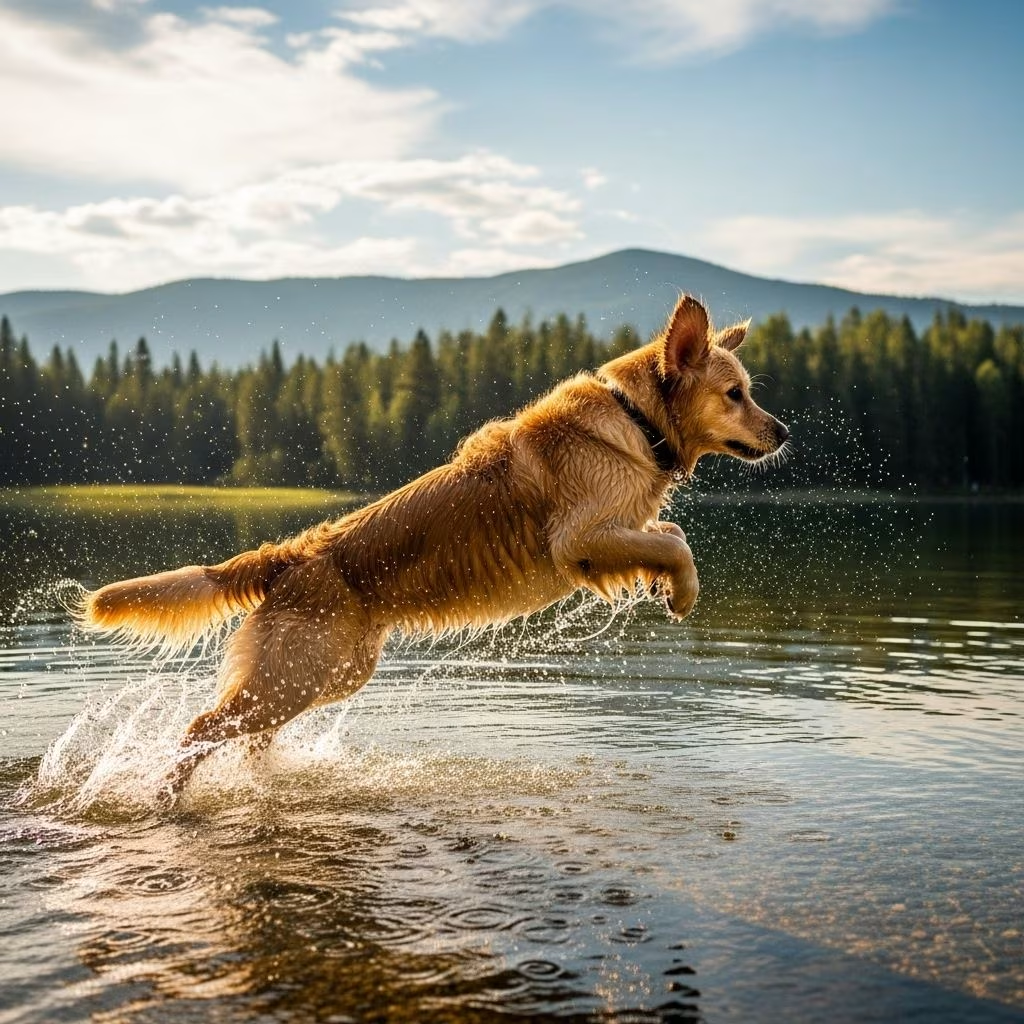
For many dogs, swimming is more than just an enjoyable pastime—it’s a source of exercise, mental stimulation, and pure excitement. While some canines naturally plunge in with enthusiasm, others need a little encouragement or training. Understanding which dog breeds are best suited for aquatic adventures and following pro water safety tips can ensure every splash remains safe and fun. This comprehensive guide explores the top dog breeds that love the water, the reasons behind their swimming prowess, and crucial advice for safe canine swim sessions.
Why Do Some Dogs Love to Swim?
Dogs’ affinity for water can vary widely depending on breed, physiology, and past experiences. Certain breeds have evolved or been selectively bred for aquatic activities such as retrieving, hunting, or water rescue. These dogs often feature water-repellent coats, webbed feet, or naturally strong swimming instincts. For other breeds, a love for water is learned with time or positive association.
- Genetic predisposition: Sporting and working breeds were historically used for aquatic tasks.
- Body structure: Webbed toes and oily, water-resistant coats help some breeds glide through water with ease.
- Temperament: Playful, adventurous dogs may love water simply for the joy of running and splashing.
- Early exposure: Dogs introduced gently and positively to water as puppies tend to embrace swimming more readily.
The Best Dog Breeds for Swimming
While many dogs can swim, some breeds are renowned for their aquatic abilities. Here are some of the top water-loving dog breeds and what makes each so adept:
- Labrador Retriever: Arguably the world’s most famous swimming breed, Labs were bred to retrieve waterfowl and feature webbed paws, thick tails for propulsion, and a double-layer water-resistant coat.
- Golden Retriever: Similarly bred for water retrieval, Goldens have a love for swimming, sunny dispositions, and strong, muscular builds that lend well to aquatic activity.
- Chesapeake Bay Retriever: Bred in the challenging, chilly waters of Maryland, they possess oilier coats for warmth and dense muscles for power through currents.
- Newfoundland: Known as gentle giants and water rescue experts, Newfoundlands have enormous strength, webbed feet, and tremendous swimming stamina.
- Portuguese Water Dog: Historically used to herd fish and retrieve gear from the sea, their curly, water-resistant coats and natural athleticism make them born swimmers.
- Irish Water Spaniel: Recognized for its curly, waterproof coat and eager, playful nature, this breed excels at water work.
- Standard Poodle: Despite their later reputation as show dogs, Standard Poodles were originally bred as water retrievers and are highly skilled swimmers with unique curly coats to protect against the chill.
- American Water Spaniel: A rare but talented swimmer bred for both land and water hunting, with a waterproof double coat.
- Flat-Coated Retriever: This lively breed has an affinity for both swimming and splashy fun, with an easy-going temperament ideal for family waterside outings.
While the breeds above are known as natural swimmers, dog swimming ability can always be influenced by individual comfort, early experiences, and physical traits.
Breeds That Should Avoid Swimming
Not all dogs are built for swimming. Certain breeds simply are not equipped, either structurally or health-wise, for water activities. Understanding these limitations can keep your pet safe.
- Brachycephalic breeds (such as Bulldogs, Pugs, and French Bulldogs) have short snouts and can easily tire or struggle to keep their faces above water.
- Heavy-chested breeds (like Boxers) may have buoyancy challenges that make swimming tiring or unsafe.
- Very small breeds may feel anxious in larger bodies of water and may easily fatigue or succumb to cold.
Always respect your individual dog’s limits—some dogs don’t enjoy swimming, and that’s okay. Alternatives such as splash pads or shallow kiddie pools can offer water fun without submersion.
Benefits of Swimming for Dogs
Beyond delightful splashing, swimming offers numerous health and behavioral benefits for dogs:
- Low-impact exercise that’s gentle on joints, ideal for seniors or dogs with mobility issues.
- Cardiovascular and muscular conditioning from swimming builds overall strength and stamina.
- Calorie burning for healthy weight maintenance.
- Stress relief and enrichment for high-energy or anxious dogs.
- Bonding—a shared swim can enhance trust and enjoyment between pet and owner.
Top Water Safety Tips for Dogs
Whether your dog is a seasoned swimmer or a first-timer, water safety should always be the priority. Follow these practical tips to keep each experience safe and fun:
- Supervise continuously: Never leave your dog unattended near water, just as you would watch young children. Even strong swimmers can tire or face unexpected challenges.
- Use a pool fence or alarm: Prevent unsupervised access to pools with secure fencing or alarm systems.
- Dog life jackets: For boats or deep or fast-moving water, a canine life jacket with a handle gives buoyancy and an easy grip if your pet needs help.
- Provide fresh water: Dogs will try to quench their thirst from lakes, pools, or oceans, but this can cause vomiting, diarrhea, or worse. Always have clean water on hand.
- Watch for fatigue: Dogs often don’t realize when they’re getting tired. Signs include their back end sinking in the water or slower swimming pace. Regular breaks are important.
- Prevent ear infections: Dry your dog’s ears thoroughly after swimming to avoid infections. Look for shaking, scratching, or discharge and see your vet if symptoms appear.
- Rinse after swimming: Whether in pools, saltwater, or lakes, rinse your dog’s coat to remove chlorine, salt, or debris. This protects their skin and prevents ingestion of harmful residues when grooming themselves.
- Use stairs or pet ramps: Ensure your dog has an easy and reliable exit from the pool or boat. Standard ladders are hard for dogs to climb.
- Observe water conditions: Check for currents, tides, sharp debris, temperature, and algae before letting your dog swim, especially in natural bodies of water.
- Acclimate gradually: Never force or toss your dog into the water. Use positive reinforcement for initial exposure and let your dog set the pace.
How to Teach Your Dog to Swim
Introducing a dog to water for the first time should be a positive, gradual experience. Follow these steps for a confident and happy swimmer:
- Start shallow: Begin in calm, shallow water—let your dog enter at their own pace.
- Use toys and treats: Motivate with flotation toys, sticks, or treats tossed nearby—never too far out.
- Enter together: Get in the water with your dog for comfort. Gently guide but never force them.
- Support their body: Place a hand under the belly for initial assurance, and let them paddle naturally.
- Repeat regularly: Keep sessions short and uplifting, especially with puppies or uncertain dogs.
For breeds not suited to swimming, focus on water-based games (like sprinklers) rather than full submersion.
Water Safety Products for Dogs
- Canine Life Jackets: Essential for boating, deep lakes, or rivers. Look for models with high-visibility colors and sturdy grab handles.
- Dog-Approved Ramps: Special pool and boat ramps allow dogs to exit water easily and are invaluable for older or arthritic dogs.
- Waterproof ID tags: In case your dog gets separated, ensure their microchip and tags are up-to-date and water-safe.
- Floating toys: Specially designed water toys encourage swimming and fetch, making pool time more engaging.
Signs of Water-Related Problems in Dogs
Be vigilant for symptoms that may arise during or after a swim session:
- Tiredness or panic: Difficulty staying afloat, frantic paddling, or trying to exit the water urgently.
- Breathing difficulty: Coughing, choking, or gasping for air.
- Ear infections: Head shaking, scratching, redness, discharge, or odor from the ears.
- Vomiting or diarrhea: From swallowing contaminated pool, lake, or ocean water.
- Skin irritation: Redness, rash, or hives after swimming in chlorinated or salty water.
If any of these signs appear, consult your veterinarian as soon as possible.
FAQs: Dogs & Swimming
Q: Can all dogs swim naturally?
A: Not all dogs are natural swimmers. While many take to water instinctively, flat-faced or short-legged breeds, and those with dense bodies, may struggle. Always supervise and use life jackets for at-risk breeds.
Q: How can I tell if my dog is getting tired from swimming?
A: Watch for slower movements, struggling to keep the rear up, whining, or heading for the exit. Bring your dog out for regular rest and hydration breaks during swim time.
Q: What should I do if my dog drinks pool or lake water?
A: Small sips are usually harmless, but discourage excessive drinking to prevent gastrointestinal upset or worse. Provide frequent access to clean water and monitor for any signs of illness.
Q: How often should I rinse my dog after swimming?
A: After every swim session, rinse your dog thoroughly, especially if they’ve been in chlorinated or saltwater. Dry their ears to reduce the risk of infection.
Q: My dog is afraid of water—can they still enjoy water activities?
A: Many water games, like using sprinklers or splash pads, offer good alternatives. Never force your dog to swim; respect their preferences and proceed at their pace with positive encouragement.
Conclusion: Enjoy Safe Swims with Your Dog
Swimming can be a fantastic source of joy, fitness, and togetherness for dogs and their humans. With the right breed knowledge, patient training, and a commitment to water safety, you and your canine best friend can maximize fun and minimize risks wherever water beckons. Always supervise, stay attentive to signs of fatigue or distress, provide fresh water, and follow post-swim care to ensure every dip is a delight.
References
- https://vbspca.com/dog-water-safety/
- https://www.petmd.com/dog/general-health/pool-safety-tips-for-dogs
- https://vcahospitals.com/shop/home/articles/the-dos-and-don-ts-of-dog-water-safety
- https://www.animalhumanesociety.org/resource/water-safety-tips-your-dog-summer
- https://www.chewy.com/education/dog/health-and-wellness/dog-swimming-pool-safety-tips
- https://www.arlboston.org/dog-swimming-safety-5-tips/
- https://www.medvet.com/pet-water-safety/