


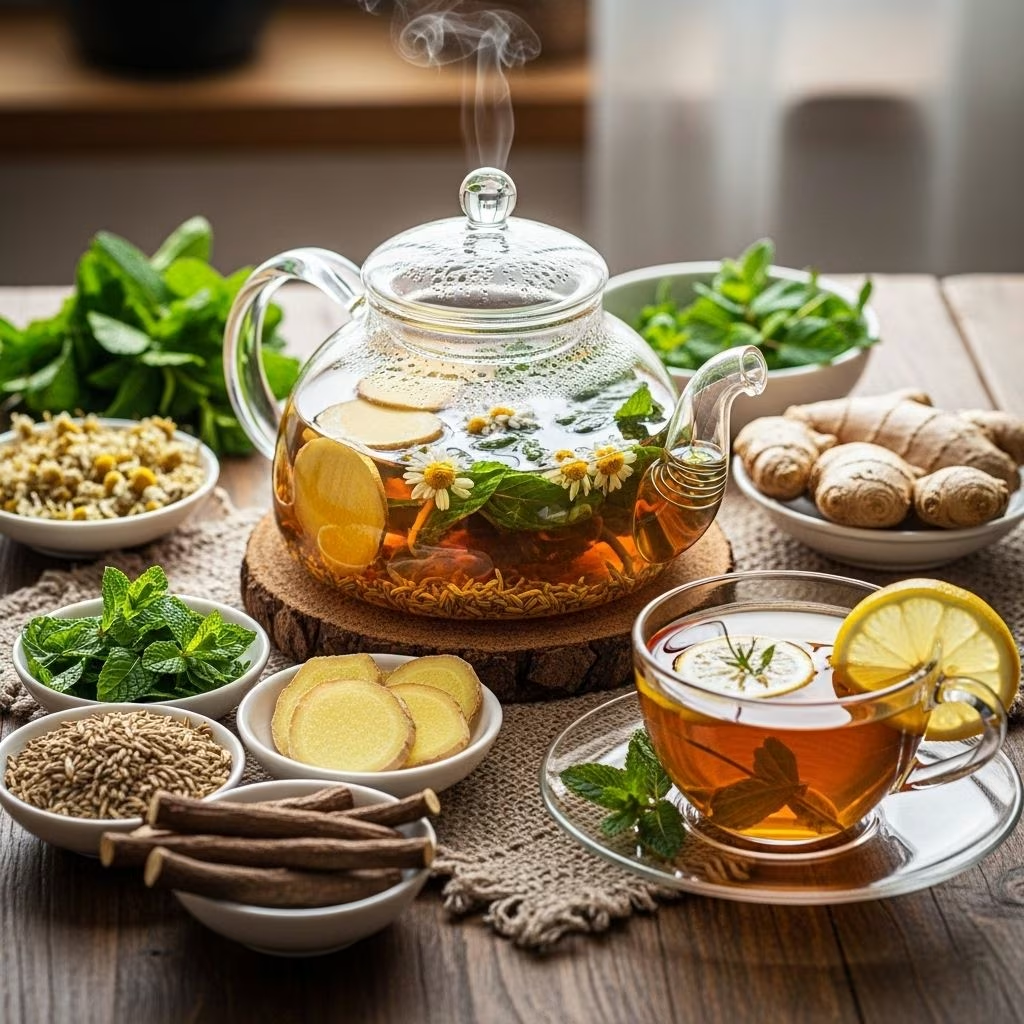
The Best Herbal Teas for Digestion: Natural Remedies for a Healthy Gut
Digestive discomfort, such as bloating, gas, or indigestion, is a common modern woe. While there are many pharmaceutical remedies, people have turned to herbal teas for centuries to naturally soothe and support a healthy digestive system. In this comprehensive guide, discover the best herbal teas for digestion, how they work, recipes to try, and tips for choosing the right tea for your individual gut health needs.
Why Herbal Teas Aid Digestion
Herbal teas are much more than a comforting ritual. Many botanicals contain natural compounds that:
- Relax digestive muscles, reducing cramps and spasms
- Reduce inflammation in the gut lining
- Stimulate digestive juices or bile for smoother digestion
- Relieve excess gas, bloating, or nausea
- Support beneficial gut microbes and overall intestinal health
Let’s explore the leading herbal teas renowned for their digestive benefits, along with preparation tips, potential side effects, and their unique traditional uses.
The Top Herbal Teas for Digestive Relief
Peppermint Tea: Soothing Upset Stomachs
Peppermint (Mentha piperita) has long been valued for its crisp flavor and ability to calm an upset stomach. The active compound menthol helps relax the smooth muscles of the gastrointestinal tract, which:
- Relieves spasms, cramps, and indigestion
- Reduces bloating and trapped gas
- May benefit those struggling with IBS (Irritable Bowel Syndrome)
While research especially supports peppermint oil, peppermint tea offers a gentle, tasty way to aid digestion after meals. For the best flavor and effect, steep fresh mint leaves for 10 minutes, strain, and enjoy hot or cold.
Note: Avoid peppermint tea if you have severe GERD or reflux, as it can relax the lower esophageal sphincter and worsen symptoms for some people.
Ginger Tea: Powerhouse for Digestion and Nausea Relief
Ginger (Zingiber officinale) has been prized across cultures as a digestive tonic. Its key compounds, gingerols and shogaols:
- Reduce inflammation throughout the gut
- Stimulate saliva, bile, and gastric enzyme production
- Ease nausea, motion sickness, and mild stomach upset
Ginger tea is considered especially helpful after a large or heavy meal, and for those experiencing queasiness during travel or pregnancy.
To make ginger tea, simmer fresh ginger slices in water for 10-15 minutes, then strain and add honey or lemon if preferred.
Chamomile Tea: Calming the Gut and Mind
Chamomile (Matricaria chamomilla) is famous as a bedtime tea, but its benefits extend to digestion:
- Soothes digestive inflammation and discomfort
- Reduces bloating, gas, and mild cramping
- Helps manage acid reflux symptoms
- Promotes relaxation, which further benefits the gut-brain axis
In addition to reducing stomach upset, chamomile may lessen anxiety, a key trigger for digestive issues. Steep dried chamomile flowers for 5-10 minutes for a mild, floral brew.
Fennel Tea: Easing Bloating and Gas
Fennel seed tea is a staple after meals in many cultures. Fennel contains anethole, which acts as a carminative, meaning it:
- Relieves trapped gas and bloating
- Supports smoother digestion of rich or heavy foods
- Freshens breath
Crush fennel seeds gently before infusing in hot water for 5–7 minutes. Its sweet, anise-like flavor can be enjoyed alone or in blends.
Tip: Fennel tea is especially helpful after spicy or fatty meals.
Dandelion Root Tea: Detox and Gut Support
Dandelion root tea is known for its earthy taste and support for liver and digestive health. The root is rich in inulin, a prebiotic fiber that:
- Promotes the growth of healthy gut bacteria
- Stimulates bile production for fat digestion
- Serves as a gentle daily detox
This tea is valuable for those seeking overall gut and liver support. Steep chopped dandelion root in simmering water for 10-15 minutes and strain before drinking.
Licorice Root Tea: Gentle Soothe for Stomach and Esophagus
Licorice root (from Glycyrrhiza glabra) contains glycyrrhizin, a soothing compound that:
- Increases mucus secretion in the digestive tract
- Protects and soothes the stomach and esophagus
- Helps heal irritated tissues from acid reflux or ulcers
Choose DGL (deglycyrrhizinated licorice) teas if using long-term, to avoid raising blood pressure. Enjoy the naturally sweet, slightly earthy flavor hot.
Note: Avoid licorice if you have high blood pressure or are pregnant.
Turmeric Tea: Reducing Gut Inflammation
Turmeric (Curcuma longa), with its vibrant golden hue, is revered for powerful anti-inflammatory effects thanks to curcumin:
- Decreases inflammation in the stomach and intestines
- May support healing in gastritis or ulcers
- Aids in overall digestive comfort and protection
Simmer turmeric root or powder in hot water with black pepper (to boost absorption) and a touch of honey for a warming, gut-friendly drink.
Slippery Elm and Marshmallow Root Tea: Soothing GI Lining
Slippery elm and marshmallow root teas work by forming a protective mucilage that:
- Coats and calms the inner lining of the gut
- Reduces irritation from acid, heartburn, or IBS
- Supports tissue regeneration and healing
Especially valuable for those with frequent heartburn or mild gastritis, these teas feel thick and gently soothing.
Other Notable Herbal Teas for Digestion
- Lemon Balm Tea: Eases stomach cramps and mild digestive stress; calming and fragrant.
- Cardamom Tea: Used in India for bloating and as a palate-cleanser.
- Tulsi (Holy Basil) Tea: Traditional Ayurvedic stomach soother—good after meals.
- Rooibos Tea: Naturally caffeine-free, contains antioxidants, helpful for gentle digestion.
Digestive Herbal Teas Comparison Table
| Tea | Main Benefits | Best For | Notes |
|---|---|---|---|
| Peppermint | Relaxes gut muscles, eases gas and bloating | Indigestion, IBS relief | Avoid if history of reflux |
| Ginger | Reduces inflammation, improves motility | Nausea, bloating | Safe for most; can be spicy |
| Chamomile | Calms nerves and GI tract, reduces gas | Stress-related digestive upset | Gentle—good for all ages |
| Fennel | Reduces gas, supports heavy meal digestion | Bloating, after rich meals | Sweet, mild flavor |
| Dandelion Root | Supports gut bacteria, detoxifies | General gut health, liver support | Earthy, robust taste |
| Licorice Root | Soothes and protects gut lining | Heartburn, reflux | Check blood pressure |
| Turmeric | Reduces inflammation | Ulcers, gastritis | Add black pepper |
How to Choose and Prepare Digestive Herbal Teas
Quality matters: Opt for organic, high-quality bulk herbs or reputable bagged teas for the best flavor and therapeutic benefits.
Follow these general tea preparation guidelines:
- Use freshly boiled water for all teas
- Steep leaves or flowers (chamomile, peppermint) for 5-10 minutes
- Steep roots (ginger, dandelion, licorice) for 10-15 minutes, simmering if desired
- Strain thoroughly, then sweeten with honey or add lemon if preferred
Blending teas: For increased benefits, try combining two or three gut-friendly herbs in one pot, such as chamomile and fennel or ginger and peppermint.
Safety and Potential Side Effects
- Avoid peppermint tea if you have frequent reflux or severe GERD
- Limit licorice tea unless using DGL form, and avoid during pregnancy or with high blood pressure
- If pregnant, consult your healthcare provider before using herbal teas
- Monitor for rare allergies, particularly to chamomile (related to ragweed)
- Discontinue use if you experience any adverse reactions
Practical Tips for Enjoying Herbal Teas for Digestion
- Drink herbal tea 30 minutes after larger meals to help with natural digestion
- Keep bags of your favorite digestive teas at home, at work, or on-the-go
- Use iced versions in warm weather for a refreshing, gut-friendly treat
- Combine with other healthy habits, such as moderate eating and stress-reduction
Frequently Asked Questions (FAQs)
Q: Which tea is best for relieving bloating quickly?
A: Peppermint tea and fennel tea are excellent for reducing bloating and easing gas, often within 20-30 minutes of drinking after a meal.
Q: Can I drink herbal tea daily for gut health?
A: Yes, most digestive herbal teas are gentle enough to enjoy daily. Rotate types for variety and full-spectrum benefits, unless you have a health condition or are pregnant, in which case you should consult your healthcare professional.
Q: Are there any herbal teas to avoid if I have acid reflux?
A: People with acid reflux or GERD should avoid or limit peppermint tea, but may benefit from chamomile, licorice root, slippery elm, and ginger teas instead.
Q: What are the best herbal tea blends for overall digestive support?
A: Blends containing ginger, fennel, and chamomile are popular for all-around digestive comfort, often used together in traditional remedies for optimal balance.
Q: Is it better to use fresh herbs or tea bags?
A: Both can provide benefits, but fresh or loose-leaf herbs generally offer superior flavor and efficacy. High-quality tea bags from reputable sources are convenient and still effective.
Conclusion: Embracing Herbal Teas for a Healthier Gut
Herbal teas are among nature’s most accessible, effective, and enjoyable remedies for common digestive complaints. Whether you face bloating after a rich meal, mild nausea, or day-to-day gut discomfort, teas like peppermint, ginger, chamomile, fennel, and more offer proven, gentle relief. By integrating these botanicals into your routine, you can support not just your digestion, but also your overall well-being—naturally, deliciously, and holistically.
References
- https://continentalhospitals.com/blog/10-herbal-teas-that-soothe-digestion-after-eating/
- https://www.republicoftea.com/digestion-teas/c/digestion/
- https://www.wellmedhealthcare.com/what-tea-is-best-for-acid-reflux-7-herbal-teas-and-other-drinks-to-try/
- https://www.thrivewithdrc.com/blog/herbal-teas-for-relaxation-and-digestive-comfort
- https://www.healthline.com/nutrition/tea-for-digestion
- https://www.fusionteas.com/Teas-For-Digestion
- https://www.traditionalmedicinals.com/collections/digestion
- https://www.kuchatea.com/blog/tea-for-digestion/


