


Introduction
Cold and flu season can hit families hard, but natural, research-supported remedies using everyday kitchen ingredients can help support recovery and immune function. While prevention is always the best strategy, having a toolkit of soothing, effective remedies on hand can ease symptoms and promote healing when someone in your household gets sick. This article explores 14 tried and true remedies, their science-backed benefits, and simple recipes you can make at home.
Immune Support Begins at Home
Maintaining a healthy immune system is key, but sometimes illnesses slip through. When that happens, turning to your “kitchen apothecary”—herbs, spices, honey, and syrups—can offer comfort and may even speed recovery. The remedies below are grounded in both tradition and peer-reviewed research, making them a reliable starting point for anyone seeking natural relief.
Healing Teas for Immune Function and Comfort
Warm teas are a cornerstone of natural cold and flu care, offering hydration, relaxation, and immune-boosting properties. The following recipes use ingredients that have been used for centuries to soothe symptoms and support healing.
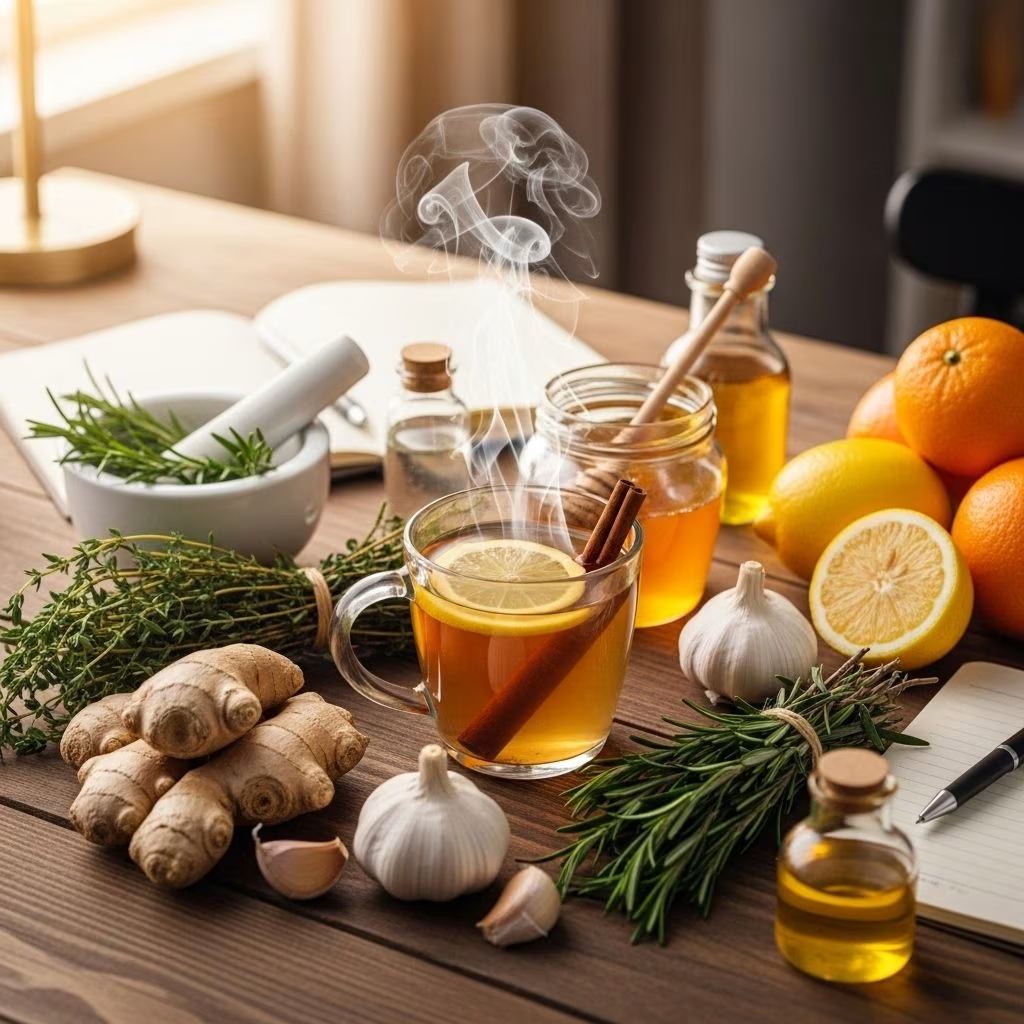
Lemon Ginger Tea
Ginger has a long history in herbal medicine for easing nausea, tummy aches, and even flu-like symptoms and headaches, as noted by the University of Maryland Medical Center. Lemon provides a healthy dose of vitamin C, supporting immune response. Honey soothes sore throats and calms coughs, especially raw, local honey, which is also shown to act as a gentle night-time cough suppressant.
Lemon Ginger Tea Recipe
- 1 cup boiling water
- 2–3 slices fresh ginger
- 1–2 lemon wedges (preferably organic, including peel)
- Raw honey, to taste
- Optional: A pinch of cayenne for circulation and throat soothing
- Optional: A cinnamon stick or powder for antimicrobial benefits
- Optional: Garlic clove for added immune support
- Optional: Star anise for shikimic acid (an antioxidant linked to antiviral properties)
Steep the ginger in boiling water for about 10 minutes, strain, then add lemon juice and peel if organic. Sweeten with honey and sip warm. Optional ingredients can be included for added benefits—choose four or more for a robust “Cold & Flu Brew”.
Green Tea with Honey
Green tea is rich in antioxidants that support immune function and may help the body fight off infection. Adding honey not only sweetens but also provides additional soothing and antimicrobial effects, making this combination a go-to for cold season support.
Syrups and Tinctures for Immune Support
The next group of remedies highlights simple syrups and tinctures that are easy to make and effective for supporting immune health during illness.
Elderberry Syrup
Elderberries contain flavonoids and anthocyanins, which help the body absorb vitamin C, support a balanced inflammatory response, and encourage healthy respiratory function. In a Norwegian study, patients taking elderberry syrup reported feeling better four days sooner than those taking a placebo, highlighting its potential to shorten cold and flu duration.
How to Use Elderberry Syrup
- Take 1–2 teaspoons daily for prevention during cold and flu season
- Take 1 teaspoon every 2–3 hours at the onset of symptoms
Elderberry syrup is both kid-friendly and effective, making it a staple in many natural medicine cabinets.
Ginger Syrup
Ginger syrup harnesses the anti-inflammatory and digestive benefits of ginger in a sweet, easy-to-take form. It’s especially useful for easing nausea and supporting overall immune health during illness.
Fire Cider
This spicy, tangy tonic traditionally combines apple cider vinegar, garlic, ginger, horseradish, and other immune-boosting ingredients. It’s been used for generations as an antimicrobial and circulation-boosting remedy during the cold months.
Symptom-Specific Remedies
The following remedies target specific cold and flu symptoms, offering natural relief for common complaints.
Garlic Clove
Garlic is legendary for its ability to support immune function and help clear congestion. Consume it raw in honey, cooked in soups, or infused in oils for immune support.
Sore Throat Relief
For a sore throat, try honey straight from the spoon, or honey mixed with lemon and cayenne. Both honey and cayenne offer soothing and pain-relieving properties.
Congestion and Cough
Herbal teas with peppermint, thyme, or eucalyptus can help relieve congestion. Honey—especially buckwheat honey—has been shown in studies to help calm coughs and improve sleep.
Household Practices for Cold and Flu Season
Beyond remedies, simple household practices can reduce the risk of illness and support recovery.
Humidify Your Home
Dry winter air can irritate airways and make symptoms worse. Using a humidifier to maintain indoor humidity between 40–60% can help keep mucous membranes moist and may reduce the survival of flu viruses in the air.
Prioritize Rest and Hydration
Rest is critical for recovery. Avoid caffeine in herbal teas so your body can stay in rest and repair mode. Hydration (water, herbal teas, broths) supports mucous membranes and helps flush out toxins.
Boost Nutrition
Foods rich in vitamin C (citrus, berries, leafy greens) and zinc (nuts, seeds, legumes) support immune function. Bone broth provides minerals and collagen for healing gut and respiratory linings.
Natural Remedies Table
| Remedy | Main Benefit | Key Ingredients | Recommended Use |
|---|---|---|---|
| Lemon Ginger Tea | Immune support, nausea relief | Ginger, lemon, honey | Daily during illness |
| Elderberry Syrup | Shortens duration, immune boost | Elderberries, honey | Daily for prevention, frequent at onset |
| Green Tea with Honey | Antioxidants, soothing | Green tea, honey | Daily for symptom relief |
| Fire Cider | Antimicrobial, circulation | Apple cider vinegar, garlic, etc. | Daily prevention, onset of symptoms |
| Garlic Clove | Immune support, congestion | Garlic | Raw, cooked, or infused |
Frequently Asked Questions (FAQs)
Q: Are these remedies safe for children?
A: Most remedies—such as elderberry syrup, honey (for children over 1 year), and ginger tea—are considered safe for children when used in appropriate doses. Always consult a healthcare provider for children under 2 or those with chronic conditions.
Q: Can I prevent colds and flu entirely with these remedies?
A: While these remedies support immune health and may reduce severity or duration, they are not a guarantee against illness. Good hygiene, rest, hydration, and nutrition are also essential for prevention.
Q: How often should I take elderberry syrup?
A: For prevention, 1–2 teaspoons daily is typical. At the onset of symptoms, 1 teaspoon every 2–3 hours may be helpful.
Q: Are there any side effects to these natural remedies?
A: Most are gentle, but some people may experience mild digestive upset from ginger or garlic. Allergies to honey or berries are possible. Always start with small amounts to assess tolerance.
Q: Can I use these remedies alongside conventional medicine?
A: Many people use these remedies alongside conventional care, but always consult your healthcare provider, especially if you have underlying health conditions or take prescription medications.
Conclusion
Natural cold and flu remedies—backed by both traditional use and modern research—provide accessible, comforting options for supporting immune health and easing symptoms. From healing teas and immune syrups to household humidity and restful practices, these strategies can help you and your family navigate cold and flu season with greater resilience and comfort.
Remember, prevention is ideal, but when illness strikes, your kitchen apothecary is ready to help. Keep these recipes and practices on hand, and you’ll be equipped to support your family’s health naturally, all season long.
References
- https://mommypotamus.com/cold-flu-remedies/
- https://www.aprilaire.com/blog/natural-cold-symptom-remedies/
- https://mommypotamus.com/lemon-ginger-tea/
- https://mommypotamus.com/remedies/page/3/
- https://mommypotamus.com/elderberry-syrup-recipe/
- https://mommypotamus.com/blog/page/11/?query-7c0a6152-page=33&cst
- https://mommypotamus.com/blog/page/35/?query-7c0a6152-page=34&cst
- https://mommypotamus.com/fire-cider-recipe/
- https://mommypotamus.com/how-to-support-immune-system/


