


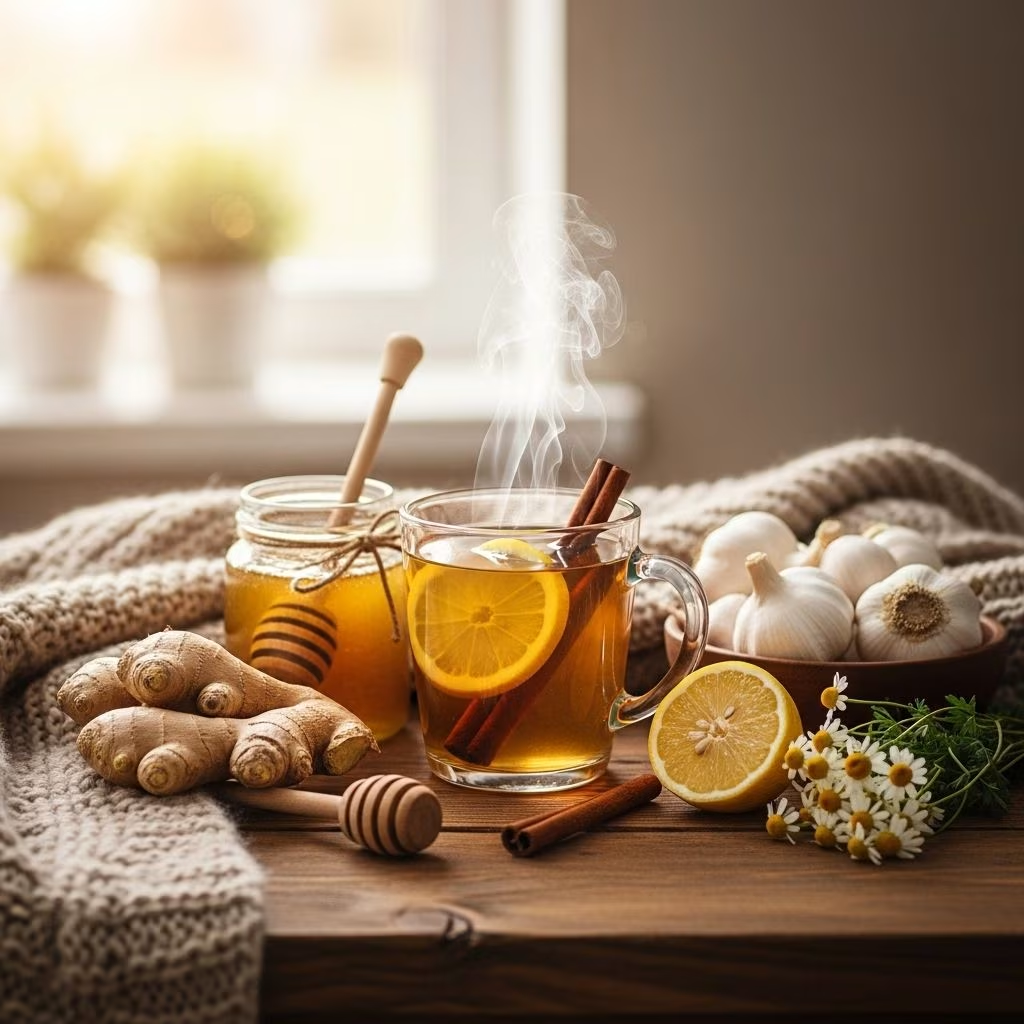
Natural Remedies to Fight Colds
When the sniffles, congestion, and fatigue of a cold set in, many people turn to nature’s medicine cabinet for relief. While there’s no cure for the common cold, several natural remedies can help ease your symptoms, soothe your throat, and potentially shorten your illness. Below, we explore the most effective holistic strategies, herbal supplements, and lifestyle tips for gentle cold relief.
Understanding the Common Cold
The common cold is caused by a variety of viruses and leads to symptoms such as a runny nose, sore throat, cough, congestion, sneezing, headaches, and fatigue. While generally mild, colds can disrupt daily life, especially during seasonal outbreaks or stress. Although over-the-counter medications may help, natural remedies can provide compassionate, supportive care for your body as it heals.
Time-Tested Natural Remedies for Colder Days
Natural remedies focus on boosting your immune system, soothing discomfort, and encouraging plenty of rest and hydration. The following strategies draw from scientific research, traditional wisdom, and practical health tips.
1. Hydration: The Foundation of Healing
- Why it matters: Staying hydrated helps to thin mucus, reduce congestion, and replace fluids lost through fever or sweat.
- Best beverages: Water, warm herbal teas (like chamomile or ginger), clear broths, and diluted juice.
- Avoid: Caffeinated, alcoholic, and sugary drinks that can dehydrate.
Sipping warm fluids may also offer immediate relief by soothing an irritated throat and helping clear nasal passages.
2. Rest and Listen to Your Body
- Your immune system works hardest at rest. Prioritize extra sleep and downtime to support natural recovery, especially during peak symptom days.
Reducing stress through gentle activity, meditative breathing, or naps may also help your body fight off infection more efficiently.
3. Nourishing, Comforting Foods
- Chicken soup: This timeless remedy is not just comfort food; research suggests its nutrients may slow the movement of neutrophils and help reduce upper respiratory symptoms.
- Fresh fruits and vegetables: Foods rich in vitamin C (citrus, bell peppers, broccoli) and antioxidants provide essential immune support.
- Easy recipes: Wholesome broths, smoothies, and lightly cooked vegetables are gentle on the stomach and packed with vitamins.
4. Steam and Humidity for Easier Breathing
- Inhaling steam from a bowl of hot water or taking a warm shower can loosen mucus, relieve stuffy sinuses, and make breathing easier.
- Using a cool-mist humidifier in your room, especially at night, helps keep airways moist and may prevent further throat irritation.
5. Saltwater Gargle for Sore Throats
- Gargling with a mixture of warm water and salt (about 1/4–1/2 teaspoon of salt per cup) can reduce throat swelling and kill some bacteria.
- Repeat several times a day, especially after waking up.
Immune-Boosting Herbal Remedies and Supplements
Several herbs and supplements have been traditionally used to fight off colds. While they won’t “cure” a cold, some may help reduce symptom severity or duration.
1. Vitamin C
- How it helps: Although vitamin C is unlikely to prevent a cold, supplementation or diets higher in this antioxidant may help reduce cold length or intensity, especially if taken regularly.
- Sources: Citrus fruits, kiwi, strawberries, red bell peppers, and green leafy vegetables.
- Consider drinking warm lemon water with honey for added soothing benefits.
2. Zinc
- Benefits: Some studies have found that taking zinc lozenges or syrup within the first 24–48 hours of symptoms can reduce the duration of a cold, though results are mixed.
- Sources: Red meat, shellfish, beans, nuts, dairy; also available as supplements.
- High doses can cause side effects; do not exceed recommended amounts and consult your healthcare provider before supplementing, especially for children.
3. Echinacea
- An herbal supplement derived from a flowering plant, echinacea has long been used to support the immune system.
- Some studies suggest a slight reduction in cold duration and severity, though evidence is inconsistent.
- Not recommended for those with allergies to ragweed or related plants.
4. Elderberry
- Uses: Elderberry syrup and supplements are rich in antioxidants and vitamin C, and may help lessen cold and flu symptoms.
- Evidence on effectiveness is limited but promising for short-term use during illness.
- Do not consume raw elderberries as they can be toxic; use only commercial extracts or syrups.
5. Garlic
- Garlic contains the compound allicin, which offers antimicrobial and antiviral properties.
- Including garlic in your diet, either raw or cooked, may support immune defenses and possibly reduce the severity of cold symptoms.
- More research is needed, but garlic is generally safe when used in normal culinary amounts.
6. Ginger
- Ginger has antioxidant, antimicrobial, and anti-inflammatory effects.
- Fresh ginger tea can soothe sore throats and calm nausea.
- To make ginger tea: Steep several slices of fresh ginger root in boiling water for 10 minutes.
7. Honey
- Honey has natural antibacterial and anti-inflammatory properties and can coat irritated throats.
- Add a spoonful to herbal tea or warm lemon water for relief from cough and soreness.
- Warning: Do not give honey to children under one year old due to the risk of infant botulism.
8. Probiotics
- Probiotics may help maintain balanced gut flora, which in turn supports immunity.
- Sources include yogurt, kefir, sauerkraut, kimchi, and probiotic supplements.
Gentle Home Treatments for Children
Children are more susceptible to colds. Natural remedies can help, but special caution is needed:
- Never give honey to children under 12 months.
- Consult a pediatrician before giving herbal supplements.
- Popsicles made from diluted fruit juice offer hydration and soothe sore throats without added sugars.
- Encourage rest, fluids, and comfort measures like warm baths and a humidified environment.
Daily Habits to Boost the Immune System
The best way to fight colds is by supporting your immune system year-round through healthy habits:
- Eat a varied, whole-foods diet rich in fruits, vegetables, and lean proteins.
- Get regular, moderate physical activity.
- Practice good sleep hygiene by aiming for 7-9 hours of quality rest each night.
- Manage stress with meditation, yoga, or mindful breathing.
- Wash hands frequently, especially during cold and flu season, and avoid close contact with those showing symptoms.
- Avoid smoking and limit alcohol, both of which can impair immune function.
Natural Remedies: What Works, What Doesn’t, and What to Know
| Remedy | Potential Benefits | Evidence Level | Precautions |
|---|---|---|---|
| Vitamin C | Possible modest reduction in duration/severity | Mixed; more supportive for symptom reduction than prevention | High doses may cause GI upset |
| Zinc | May reduce duration if taken early | Mixed; best when taken within 24–48 hours | Avoid nasal sprays (loss of smell risk); don’t exceed limits |
| Echinacea | Some symptom relief | Mixed; depends on preparation, timing, and dose | Possible allergy (ragweed family) |
| Garlic | Supports immune system | Promising, but more research needed | Few with culinary use; supplements may interact with meds |
| Elderberry | May relieve cold/flu symptoms | Limited but promising | Raw berries can be toxic; use prepared products |
| Honey | Soothes throat, cough relief | Well supported for cough relief, comfort | No honey for under 1 year olds |
| Ginger | Reduces nausea, soothes throat | Supports symptom relief | Generally safe in culinary amounts |
Precautions and When to See a Doctor
- Natural remedies are generally safe for short-term use in healthy adults, but always consult your healthcare provider before starting any supplement, especially if you have chronic health conditions or take prescription medications.
- If you experience high fever, severe headache, persistent symptoms, difficulty breathing, or chest pain, seek medical attention immediately.
- Be cautious using alternative remedies in children, pregnant or breastfeeding individuals, and anyone with compromised immunity.
Frequently Asked Questions (FAQs)
Q: Can natural remedies cure the common cold?
A: No natural remedy can cure a cold, but some can relieve symptoms and possibly shorten recovery time by supporting your immune system.
Q: Is it safe to combine supplements like echinacea, vitamin C, and zinc?
A: Combining supplements is usually safe for most healthy adults in moderate doses, but always check with your doctor to avoid interactions, especially if you take medications or have underlying conditions.
Q: Why should honey be avoided for infants?
A: Honey can contain botulinum spores, which may cause infant botulism—a rare but serious illness—in children under one year old.
Q: Are there foods that weaken the immune system during a cold?
A: Highly processed, sugary, or fatty foods may dampen immune response. Instead, focus on whole, nutrient-rich foods to support recovery.
Q: Is it necessary to stop all activity and stay in bed?
A: Rest is important, but gentle movement is usually safe if you’re up to it. Listen to your body and avoid overexertion while symptomatic.
Key Takeaways
- There’s no cure for the common cold, but natural remedies can ease discomfort and help your body recover faster.
- Focus on hydration, nourishing foods, rest, and gentle, safe supplements or herbs.
- Always savor traditional comfort foods and time-tested wisdom, blending it with modern science for best results.
- Consult a healthcare professional before giving supplements to children or if you have chronic health issues.
References
- https://www.mayoclinic.org/diseases-conditions/common-cold/in-depth/cold-remedies/art-20046403
- https://www.webmd.com/cold-and-flu/14-tips-prevent-colds-flu-1
- https://www.healthline.com/health/cold-flu/home-remedies
- https://www.nccih.nih.gov/health/tips/tips-natural-products-for-the-flu-and-colds-what-does-the-science-say
- https://healthy.kaiserpermanente.org/maryland-virginia-washington-dc/health-wellness/healtharticle.6-natural-cold-remedies-try-this-winter
- https://medlineplus.gov/ency/patientinstructions/000466.htm
- https://intermountainhealthcare.org/blogs/natural-relief-home-remedies-for-your-cold
- https://www.ynhhs.org/articles/4-ways-kill-cold-starts
- https://pmc.ncbi.nlm.nih.gov/articles/PMC3024156/


