


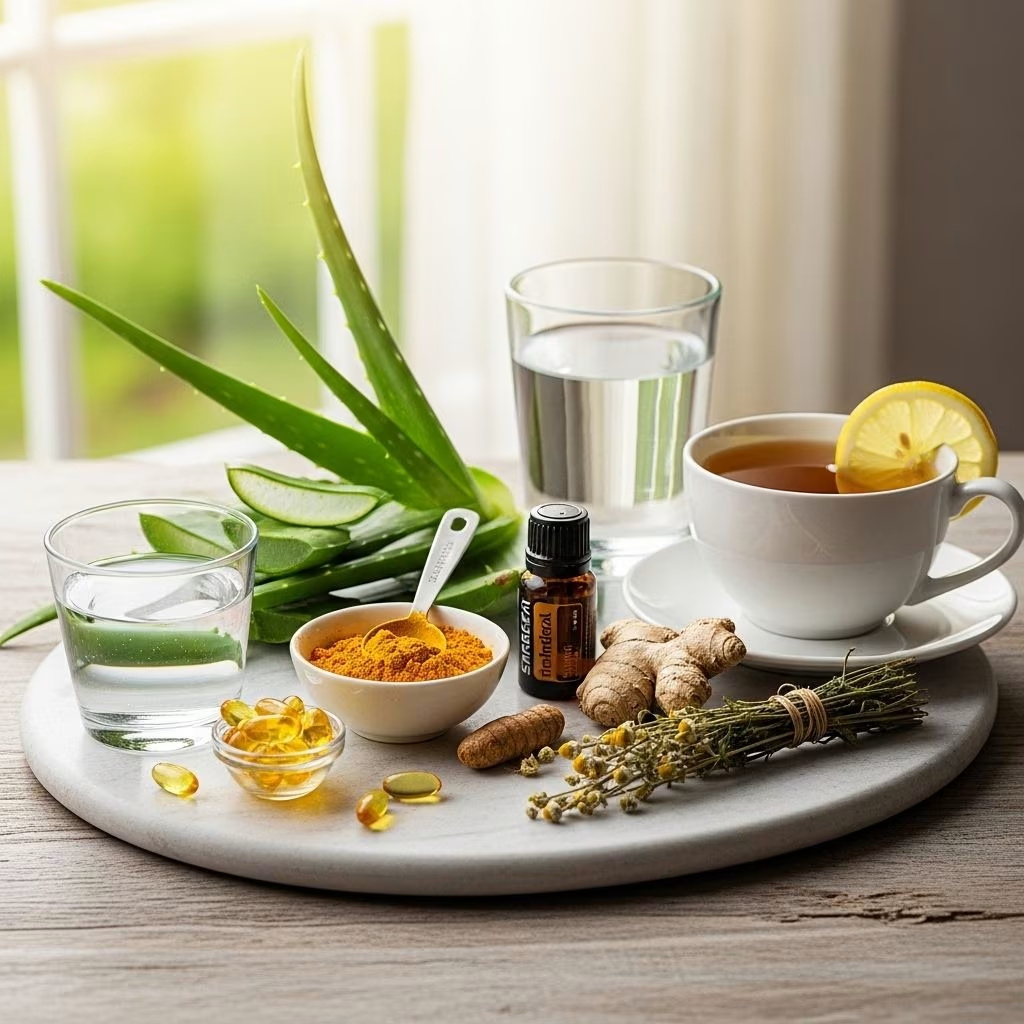
Exploring the Best Natural Remedies for Psoriatic Arthritis
Psoriatic arthritis (PsA) is a chronic, inflammatory condition affecting the joints and the skin, with symptoms such as joint pain, swelling, stiffness, and fatigue. While conventional medicine, including DMARDs and biologics, remains the cornerstone of treatment, many people seek complementary or natural remedies to better manage their symptoms, reduce flare-ups, and improve quality of life. This article undertakes a thorough exploration of the best-supported natural strategies for psoriatic arthritis management, including dietary interventions, supplements, mind-body therapies, and lifestyle adjustments.
Understanding Psoriatic Arthritis and Why Natural Remedies Matter
Psoriatic arthritis is an autoimmune disease that commonly develops in people with psoriasis. It can cause significant discomfort and impact daily functioning, making it crucial to find comprehensive management strategies. While there is currently no known cure for PsA, natural remedies can offer symptomatic relief, reduce inflammation, and support overall well-being when used alongside medical treatment.
Essential Natural Remedies and Alternative Approaches
1. Turmeric (Curcumin)
Turmeric, particularly its active component curcumin, is renowned for its potent anti-inflammatory effects. Research suggests that turmeric blocks cytokines and enzymes responsible for inflammation, helping to reduce joint pain and stiffness.
- Commonly consumed in curries, teas, or as supplements.
- Typical dosage studied: ~1,000 mg curcumin per day.
- May interact with blood thinners and is not recommended for pregnant women or those with upcoming surgeries.
- Side effects include possible gastrointestinal discomfort at high doses.
2. Omega-3 Fatty Acids (Fish Oil)
Omega-3s, found abundantly in fish oil and certain plant sources, possess anti-inflammatory properties that may ease joint tenderness and stiffness. Research indicates daily fish oil supplementation can reduce dependence on NSAIDs for some individuals with PsA.
- Sources include fatty fish (salmon, tuna), flaxseed, chia seeds, and supplements.
- Potential cardiovascular benefits are significant for people with PsA, who are at increased heart disease risk.
- High doses may interact with anticoagulants and pose mercury risks from certain fish—take caution if pregnant or on blood thinners.
3. Vitamin D
Vitamin D supports immune modulation and bone health. Deficiency is common in autoimmune diseases, including psoriatic arthritis. Some reports suggest supplementation may reduce inflammation and support general well-being, though more research is needed.
- Natural sources: sunlight exposure, fortified foods, supplements.
- Consider checking your vitamin D levels and supplement as advised by a healthcare provider.
4. Sarsaparilla Root
Sarsaparilla root is a traditional herbal remedy thought to have anti-inflammatory and immune-modulating properties. While not as extensively studied as turmeric or omega-3s, sarsaparilla has been used in natural medicine regimens and could complement other therapies.
5. Acupuncture
Acupuncture, a practice from traditional Chinese medicine, involves inserting fine needles into specific points of the body. Clinical observations note potential improvements in joint stiffness, pain, and swelling, although more robust studies are needed.
- May be most helpful when combined with other modalities.
- Low risk of side effects when performed by a licensed practitioner.
Dietary and Lifestyle Interventions
1. Anti-Inflammatory Diets
Diet plays a major role in systemic inflammation and autoimmune disease management. Anti-inflammatory diets emphasize whole foods and limit processed items, aiming to reduce symptom severity and frequency of flare-ups.
- Increase intake: Fresh fruits, leafy greens, cruciferous vegetables (cauliflower, broccoli), whole grains, nuts, seeds, fatty fish, and olive oil.
- Minimize: Refined sugars, processed foods, saturated and trans fats, and excessive alcohol.
- Considerations: Some people with PsA find relief by eliminating gluten, dairy, or nightshade vegetables; however, evidence is anecdotal. Consult a dietitian for tailored advice.
2. Physical Activity and Exercise
Regular, moderate exercise enhances joint mobility and reduces stiffness while supporting cardiovascular health. Movement can also aid mental health and support weight management, lowering overall joint stress.
- Recommended activities: Walking, swimming, cycling, and gentle stretching (like yoga or Pilates).
- Physical therapy can offer custom movement plans adapted to pain and mobility levels.
3. Hot and Cold Therapy
Applying heat can soothe muscle tension and joint stiffness, while cold packs reduce swelling and dull sharp pain.
- Use heating pads or warm baths for stiffness.
- Apply ice packs for acute flares or noticeable swelling.
4. Massage and Bodywork
Massage therapy can boost circulation, relax tight muscles, and decrease pain perception. Occupational therapy may introduce adaptive techniques and tools to ease daily activities.
5. Rest and Sleep Hygiene
Chronic inflammation and pain can disrupt sleep. Prioritizing restful habits supports healing, immune regulation, and pain management.
- Maintain a regular sleep schedule.
- Make the bedroom comfortable, cool, and dark.
- Avoid caffeine or devices before bedtime.
6. Stress Management
Stress is linked to flares in autoimmune conditions. Incorporating mind-body techniques can enhance emotional resilience and may reduce inflammation.
- Mindfulness, yoga, meditation, or diaphragmatic breathing are all effective tools.
- Consider cognitive-behavioral therapy (CBT) or support groups for added coping strategies.
Supplements with Potential Benefits
| Supplement | Proposed Benefit | Considerations |
|---|---|---|
| Turmeric (Curcumin) | Reduces inflammation, relieves pain and stiffness | May interact with anticoagulants; monitor dosage |
| Fish Oil (Omega-3) | Lowers inflammation, improves joint health, supports heart | High doses may cause blood thinning |
| Vitamin D | Supports immune and bone health | Check blood levels before supplementing |
| Sarsaparilla Root | Possibly reduces joint inflammation | Limited clinical data; consult provider before use |
What Does Not Work and What to Avoid
- No known dietary supplement or lifestyle change can cure psoriatic arthritis.
- “Quick fix” herbal blends or extreme diets without clinical evidence should be approached cautiously.
- Consult your doctor before starting new supplements, especially if taking other medications, as interactions and side effects are possible.
Integrating Natural Remedies with Conventional Care
While natural remedies can offer relief and enhance quality of life, they should not replace prescribed medications for psoriatic arthritis. Instead, they form part of an integrated care strategy, addressing symptoms holistically.
- Discuss all therapies—natural and medicinal—with your healthcare team.
- Monitor for side effects or medication interactions.
- Consider tracking symptoms and triggers to identify which lifestyle and natural strategies are most effective for your body.
Frequently Asked Questions (FAQs)
Q: Can psoriatic arthritis be cured with natural remedies?
A: No. Psoriatic arthritis is a chronic autoimmune disease with no current cure. Natural remedies may help manage symptoms but cannot cure the underlying condition.
Q: Are there foods that can worsen psoriatic arthritis?
A: Some people find their symptoms worsen with processed foods, refined sugars, or nightshades. However, individualized triggers vary. Keeping a food diary may help identify suspects.
Q: Is it safe to take supplements like turmeric and fish oil together?
A: Usually, both are safe for many, but possible interactions (such as increased bleeding risk with blood thinners) exist. Always consult your doctor before combining supplements or adding new ones.
Q: Does exercise make joint pain worse?
A: Most people benefit from low- to moderate-intensity movement like swimming, walking, or stretching, which help reduce pain and stiffness over time. Avoid intense or high-impact activities during flares.
Q: What natural therapies help with psoriatic arthritis fatigue?
A: Along with medications, proper sleep hygiene, a balanced diet, regular mild exercise, and stress management techniques like mindfulness may reduce fatigue.
Summary: Navigating Natural Remedies for Psoriatic Arthritis
Natural and alternative remedies—including nutritional supplements, anti-inflammatory foods, controlled physical activity, acupuncture, and stress management—may help individuals with psoriatic arthritis control symptoms and reduce flare-up frequency. However, these measures should be seen as adjuncts to, not substitutes for, physician-guided clinical care. Work collaboratively with your healthcare provider to devise a comprehensive, safe, and personalized PsA management plan that embraces the best of both conventional and natural strategies.
References
- https://pmc.ncbi.nlm.nih.gov/articles/PMC7750830/
- https://www.healthline.com/health/psoriatic-arthritis/natural-treatments-for-psa
- https://www.goodrx.com/conditions/psoriatic-arthritis/alternative-treatments
- https://health.clevelandclinic.org/psoriatic-arthritis-natural-treatment
- https://www.webmd.com/arthritis/psoriatic-arthritis/natural-treatments-for-psoriatic-arthritis
- https://www.bmhsc.org/blog/treating-psoriatic-arthritis-home-5-steps
- https://www.youtube.com/watch?v=FAthWgBbD5Q


