


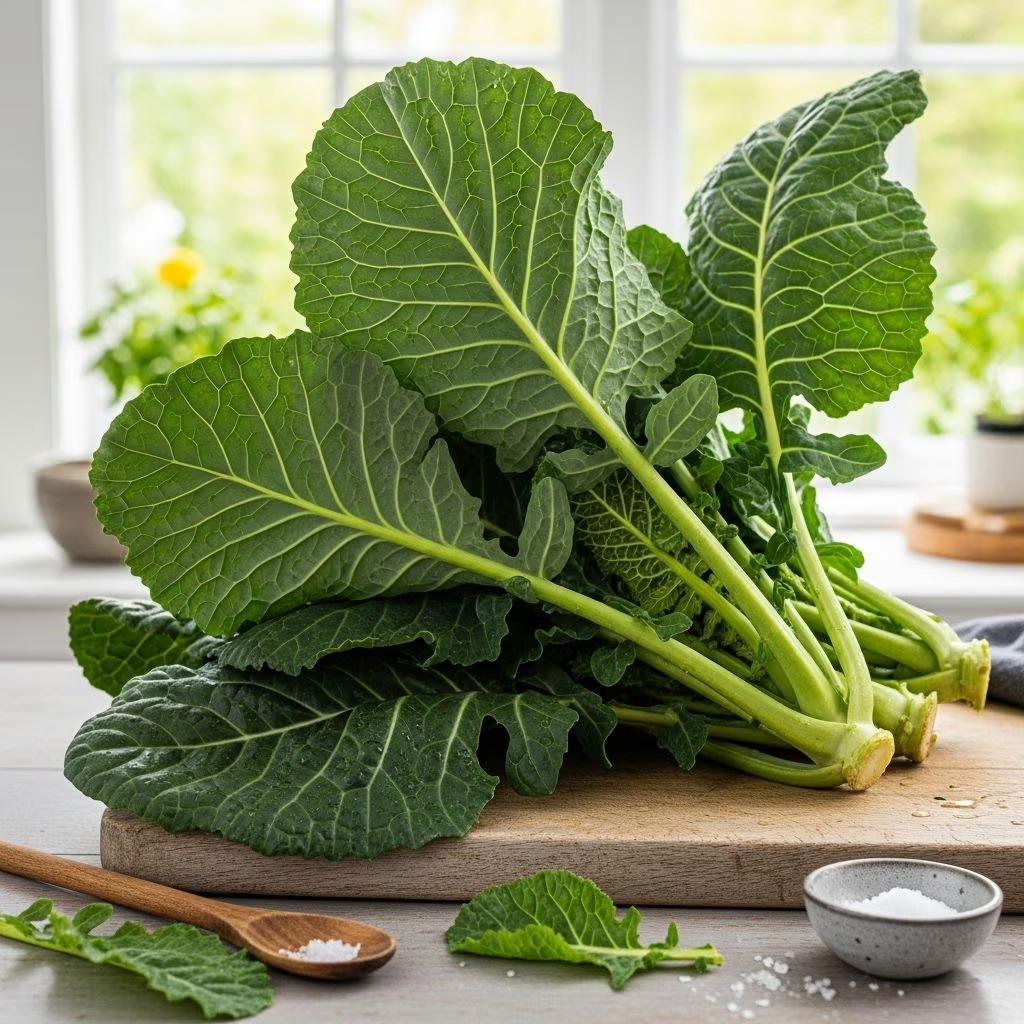
Vates Collard is a cherished open-pollinated collard green variety known for its exceptional cold tolerance, tender leaves, historical importance, and adaptability in both home gardens and commercial farms. From its origins at the Virginia Truck Experiment Station to its role as a staple in Southern cuisine, Vates Collard stands out as a leafy green packed with nutrients, flavor, and many culinary possibilities. This article offers a deep dive into the history, health benefits, growing techniques, common uses, taste, and frequently asked questions about Vates Collard.
Overview: What Is Vates Collard?
Vates Collard (Brassica oleracea var. viridis) is a non-heading, open-pollinated heirloom variety of collard green. It is distinguished by its smooth, broad, medium green leaves, semi-upright to broad-spreading growing habit, and resilience in cold weather. Originally bred for adaptability and improved cold tolerance, Vates Collard remains a favorite for fresh eating, cooking, and market gardening. Its key qualities make it an excellent choice for gardeners and cooks seeking both robust yield and great taste.
History and Origins
The name Vates is an acronym for the Virginia Truck Experiment Station, a pioneering institution in agricultural research during the early to mid-1900s. The term “truck” refers to the French word “troquer,” meaning “to barter”, highlighting the importance of vegetable trade in the region’s agricultural economy. Vates Collard was developed through years of careful selection at this station. Seeds were originally provided to growers directly or via regional seed dealers as part of a broader effort to stabilize desirable traits in open-pollinated collard populations.
The Vates Collard gained recognition in the 1940s for its ability to produce large, smooth leaves—sometimes more than 4 feet in diameter—with minimal petiole (stalk) waste, making it especially suitable for commercial bunching and processing. The introduction of varieties such as Champion later built upon the success of Vates, emphasizing even greater bolting resistance and adaptability to various climates.
Key Botanical Characteristics of Vates Collard
- Growth Habit: Broad, low-growing, spreading, or semi-upright. Plants often reach up to 24 inches in height and up to 4 feet in diameter under optimal conditions.
- Leaf Texture: Smooth, thick, and glossy green, with a high blade-to-stalk ratio to minimize waste and maximize usable greens.
- Cold Hardiness: Extremely cold-tolerant—can overwinter in many climates and stay productive into spring.
- Heat Tolerance: Slow to bolt in spring, maintaining quality even as temperatures rise.
- Yield: High-yielding; suitable for both single-cut harvest and continued picking of outer leaves.
- Days to Maturity: Typically ready to harvest in 75–80 days from planting.
- Market Use: Suited for bunching, bagging, fresh and specialty markets, and home gardens.
| Characteristic | Vates Collard |
|---|---|
| Plant Habit | Semi-upright / Broad spreading |
| Leaf Color | Medium to glossy dark green |
| Cold Tolerance | Very high |
| Days to Maturity | 75-80 days |
| Leaf Texture | Smooth, thick |
| Bolt Resistance | Very high |
How to Grow Vates Collard
Vates Collard is prized for both its ease of cultivation and productive yield. Here are the best practices for growing this collard green:
- Sowing: Seeds can be direct-sown or started indoors for transplanting. For direct seeding, plant 1/4 inch deep in well-prepared, fertile soil.
- Spacing: For mature, large leaves, space plants 18–24 inches apart. For baby greens, opt for denser plantings.
- Sunlight: Prefers full sun but tolerates part shade, which may reduce bitterness in hotter climates.
- Watering: Consistent moisture is critical, especially during establishment and harvest periods. Avoid waterlogging the soil.
- Fertilization: Collards are heavy feeders. Side-dress with compost or a balanced fertilizer for steady growth.
- Pest and Disease Management: Watch for common issues like cabbage worms, aphids, or fungal leaf spots. Crop rotation and floating row covers can help prevent problems.
- Harvesting: Harvest as soon as leaves are large enough for use. Picking outer leaves regularly encourages continued production. Entire plants may be single-cut at full maturity for a concentrated harvest.
This variety can be cultivated nearly year-round in mild climates and is valued as one of the most cold-tolerant greens available. Successive sowings ensure a steady supply through winter and into spring.
Nutritional Value and Health Benefits
Like other collard greens, Vates Collard is a nutritional powerhouse. The leaves are low in calories but high in nourishing vitamins, minerals, fiber, and disease-fighting antioxidants.
- Vitamins: Exceptionally rich in Vitamin K (crucial for bone health and blood clotting), Vitamin A (for immune and eye health), and Vitamin C (an immune booster and antioxidant).
- Minerals: Good source of calcium (bone health), manganese, folate, potassium, and iron.
- Fiber: High in dietary fiber, which supports digestion and satiety.
- Antioxidants: Contains flavonoids and glucosinolates, compounds shown to have cancer-fighting and anti-inflammatory potential.
- Low Calories & Fat: Ideal for weight management and heart-healthy diets.
Regular consumption of Vates Collard may support:
- Bone strength and density
- Cardiovascular health
- Improved digestion
- Enhanced immune response
- Potential reduction in cancer risk
These health benefits make Vates Collard an excellent addition to diverse diets, including vegetarian, vegan, gluten-free, and low-carb eating patterns.
Culinary Uses and Popular Recipes
Vates Collard is renowned for its versatility in the kitchen. Whether featured as a side dish, main ingredient, or in soups and stews, its mild flavor and sturdy texture make it suitable for a range of preparations.
Traditional Southern Collard Greens Recipe
- 2 pounds Vates collard greens
- 1/2 pound country ham, smoked turkey, or bacon
- 1 teaspoon sugar (optional)
- Salt to taste
- Water (to cover well when wilted)
Instructions:
- Wash collard leaves thoroughly. Remove stems by folding leaves in half and pulling out the stalks.
- Roll leaves together and cut into strips.
- Place in a large pot, cover with water, add ham or smoked meat, and bring to a boil.
- Simmer for 1–2 hours, or until very tender and buttery. Add sugar and salt as desired.
- Drain, chop finely, and serve. Traditionally garnished with chow chow and accompanied by cornbread to soak up the flavorful “pot likker.”
Other Culinary Applications
- Steamed and dressed with olive oil, lemon, or vinegar.
- Stir-fried with garlic, onions, or other greens.
- Added to soups, stews, or casseroles for a hearty green boost.
- Used as wraps, replacing tortillas for gluten-free dishes.
- Cooked with legumes or whole grains for balanced meals.
Vates Collard’s texture and size mean it stands up well to longer cooking times and absorbs the flavors of accompanying ingredients beautifully.
Taste Profile
Vates Collard is celebrated for its mild, earthy flavor and tender, satisfying texture. Unlike some other leafy greens, it lacks harsh bitterness, especially after a light frost, which can sweeten the leaves further. Key taste points include:
- Mild, slightly earthy flavor with gentle bitterness, which many find appealing.
- Tender yet sturdy texture—holds up well to boiling, braising, or sautéing.
- Improved sweetness after exposure to cold weather.
- Less fibrous than many traditional head-forming cabbages.
This approachable flavor makes Vates Collard a great entry point for those new to greens, and a mainstay for those who already love them.
Vates Collard vs. Other Collard Varieties
| Feature | Vates Collard | Georgia Southern | Champion |
|---|---|---|---|
| Growth Habit | Semi-upright, broad, compact | Taller, more upright | Upright, vigorous |
| Cold Hardiness | Very high | Good | Excellent (extended harvest) |
| Leaf Texture | Smooth, thick | Crinkled, broad | Smooth, even thicker |
| Flavor | Mild, sweet after frost | Mild, sometimes stronger | Mild, slightly richer |
| Best Use | Bunching, freezing, cooking | Fresh, cooking, ornamental | Cooking, market, long storage |
Storage and Preservation
- Short-term: Refrigerate unwashed leaves in a perforated bag for up to one week.
- Blanching and Freezing: Blanch leaves for 2–3 minutes in boiling water, then cool quickly and pack in freezer bags; they retain flavor and texture for several months.
- Drying: Collard leaves can be dehydrated for use in soups or as a crunchy snack.
Proper storage helps preserve the nutrients and distinctive flavor of Vates Collard for future cooking.
Frequently Asked Questions (FAQs)
Q: How did Vates Collard get its name?
A: Vates is an acronym for the Virginia Truck Experiment Station, where the variety was developed in the 1930s–40s.
Q: What makes Vates Collard especially popular among gardeners?
A: Its combination of cold and heat tolerance, high yield, disease resistance, and mild, tender leaves make it highly desirable for diverse gardens.
Q: Can I grow Vates Collard in containers?
A: Yes—choose large, deep containers, provide rich soil, and ensure adequate sun and moisture. Container-grown Vates Collard is ideal for small spaces.
Q: Are Vates Collard greens suitable for freezing?
A: Absolutely. They freeze well after blanching and retain both flavor and nutrients, making them ideal for use throughout the off-season.
Q: When is the best time to harvest Vates Collard?
A: While baby leaves can be picked early, full-sized leaves should be harvested once 6–10 inches long, and after a light frost for peak sweetness and tenderness.
Conclusion
Vates Collard represents a rich legacy of agricultural innovation and culinary tradition. Its cold hardiness, resilience, nutritional density, and approachable flavor secure its spot as a favorite for growers and cooks alike. Whether steamed, sautéed, braised, or blended into soups or salads, Vates Collard offers delicious versatility and genuine southern character—inviting everyone to enjoy the taste, health, and history of this time-honored green.
References
- https://www.arec.vaes.vt.edu/content/dam/arec_vaes_vt_edu/hampton-roads/about/VATEScollards.pdf
- https://growhoss.com/products/vates-collard
- https://sakatavegetables.com/vegetable/vates/
- https://www.seedway.com/app/uploads/2020/04/SEEDWAY_Vates_Feb2021.pdf
- https://www.smartgardener.com/plants/1691-collards-vates/overview
- https://bexar-tx.tamu.edu/homehort/archives-of-weekly-articles-davids-plant-of-the-week/vates-collards/
- https://fedcoseeds.com/seeds/vates-collards-3441
- https://www.superseeds.com/products/collards-vates-75-days
- https://territorialseed.com/products/vates


