


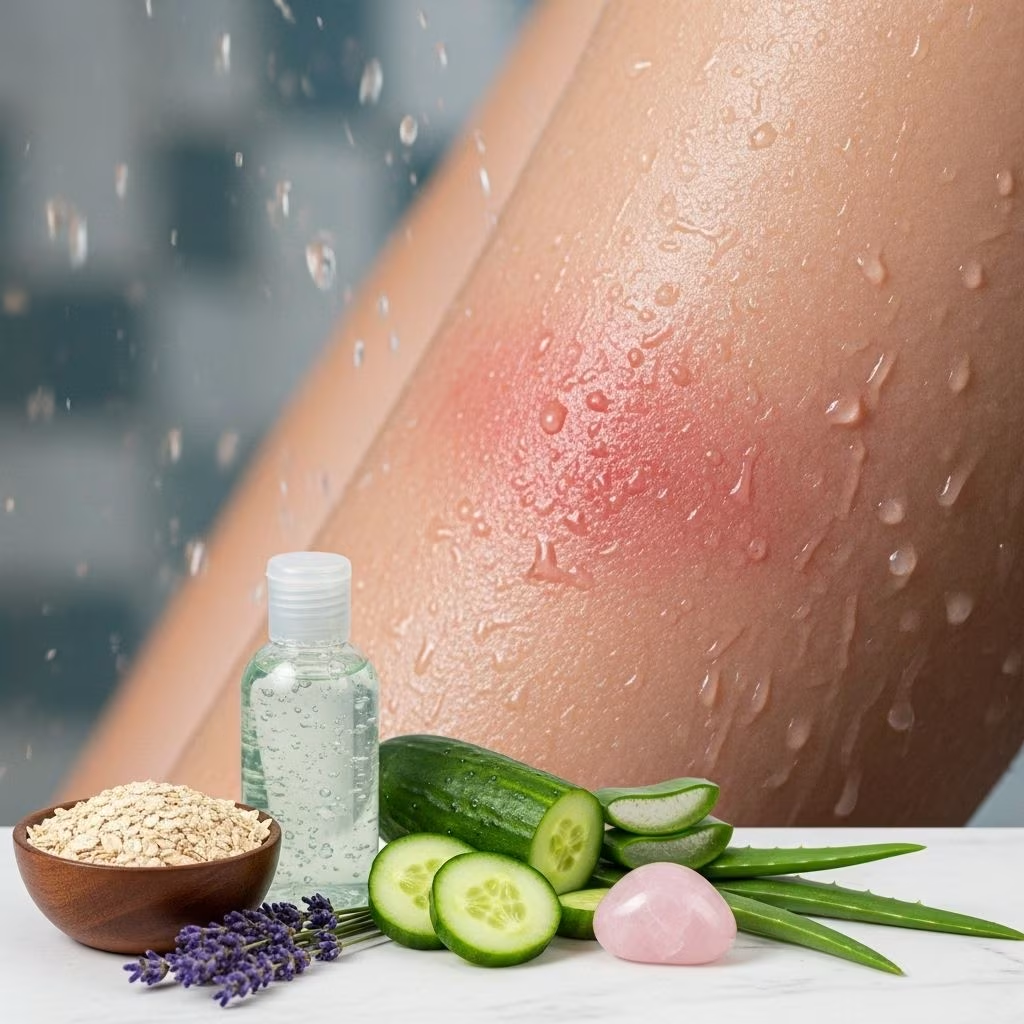
Stinging Skin After Showering? Causes, Relief, and Natural Remedies
Experiencing stinging or itching skin after a shower is a surprisingly common complaint. For some, the discomfort lasts mere minutes, while for others, it becomes a persistent frustration. Understanding what triggers these sensations and knowing how to naturally soothe your skin can make post-shower irritation a manageable issue rather than a daily dread.
Why Does My Skin Sting After a Shower?
The sensation of stinging or itching on skin after showering is medically known as post-shower pruritus. In many cases, it is triggered by factors that temporarily disrupt the skin barrier, strip away natural oils, or activate nerve endings. The stinging feeling is often described as burning, tingling, or even stabbing, ranging from mild to intense. Common symptoms include:
- Burning or tingling after exiting the shower
- Redness or mild swelling on affected areas
- Persistent itching without visible rash
- Dry, tight, or flaky skin
These symptoms can occur anywhere on the body, though legs, arms, and back are frequently affected.
Common Triggers of Post-Shower Skin Stinging
The causes of stinging or itching skin after a shower are diverse and often overlap. The following are the most frequent culprits:
1. Hot Water
Hot showers strip the skin of its natural oils and moisture. Over time, this weakens the skin barrier, making it more sensitive to physical and chemical irritants.
Tip: Use lukewarm or cool water for shorter showers to reduce irritation.
2. Dry Skin (Xerosis Cutis)
Prolonged exposure to water, especially when hot, removes protective oils, resulting in xerosis cutis—a medical term for abnormally dry skin.
Symptoms include tightness, flakiness, and post-shower stinging.
3. Harsh Soaps and Cleansers
Certain soaps, body washes, and shampoos contain fragrances, sulfates, dyes, or alcohol that can irritate or dry skin, causing a stinging sensation after rinsing.
4. Soap Residue
Not rinsing soap or body wash thoroughly can leave a film that irritates sensitive skin after showering.
5. Aquagenic Pruritus
This rare condition triggers intense itching and stinging whenever water contacts the skin, regardless of its temperature or purity. The cause is linked to nervous system activation, and there is typically no visible rash.
6. Eczema and Skin Conditions
People with eczema, dermatitis, psoriasis, or other chronic skin conditions are more prone to post-shower stinging. Showering can exacerbate underlying irritation, especially when the skin is already compromised.
7. Temperature and Environment
High humidity, heat, or sweaty conditions may worsen post-shower stinging, especially in people prone to heat rash (prickly heat).
8. Allergic and Irritant Contact Dermatitis
Cleansers, fragrances, laundry detergents, and even certain towels or clothing fabrics may trigger allergic reactions when they come into contact with damp post-shower skin.
Who Is At Most Risk?
The following groups are more likely to develop or experience stinging skin after showering:
- People with dry, sensitive, or aging skin
- Those with eczema, psoriasis, or atopic dermatitis
- Individuals with aquagenic pruritus
- Anyone frequently exposed to harsh chemicals or detergents
- People in dry environments or with inadequate indoor humidity
Understanding your risk profile can help tailor personal care routines for best outcomes.
Natural Home Remedies for Stinging Skin After Shower
Fortunately, a range of simple, natural home remedies can relieve or even prevent skin stinging after a shower. The best approach combines immediate relief with strategies to repair and strengthen the skin barrier over time.
Immediate Relief Strategies
- Pat, Don’t Rub: Gently pat the skin dry with a soft towel instead of rubbing, which can cause microtears and increase irritation.
- Apply Moisturizer Immediately: While your skin is still slightly damp, apply a heavy-duty, fragrance-free moisturizer, oil, or ointment. This helps trap moisture and restore the barrier.
- Use Cooling Agents: Calamine lotion or menthol-based creams can provide a rapid cooling sensation that diminishes stinging.
- Mineral Oil Barrier: Before showering, especially if you have very sensitive skin or aquagenic pruritus, consider applying a thin layer of mineral oil to vulnerable areas. This creates a physical barrier against water.
Long-Term Natural Remedies
- Switch to Gentle Cleansers: Select soap-free, fragrance-free, and hypoallergenic cleansers. Avoid products with alcohol, sulfates, or parabens.
- Soothing Oatmeal Baths: Colloidal oatmeal soothes itch, calms inflammation, and supports skin repair. A weekly oatmeal soak can provide ongoing relief for chronic irritation.
- Essential Oils: Certain diluted essential oils (peppermint, chamomile, tea tree, rose geranium) added to your routine may help reduce itchiness and promote healing. Always mix with a carrier oil before applying to the skin.
- Aloe Vera Gel: Applying pure aloe vera immediately after drying can soothe burns, stinging, and inflammation. Verify that the product is free from additives or fragrances.
- Drink More Water: Maintaining adequate hydration from within is key to resilient, healthy-looking skin.
- Baking Soda Baths: Adjusting bath water pH using sodium bicarbonate (baking soda) may reduce irritation, especially for those with sensitive skin.
- Natural Oils: Jojoba, sweet almond, or coconut oil can provide deep moisturization. Apply a thin layer after each shower or mix them with your regular moisturizer.
- Phototherapy (for severe cases): In stubborn cases linked to immune dysfunction (e.g., aquagenic pruritus), phototherapy (UV treatment) administered under a dermatologist’s care has shown promising results.
Key Points to Remember:
- Perform a patch test before applying any new product to large skin areas.
- Choose home remedies that fit your skin type and lifestyle.
- If symptoms worsen, discontinue use and see a healthcare provider.
Skin Care Tips to Prevent Stinging
Preventing stinging or itching skin starts with adopting gentle skin care habits. Use these dermatologist-recommended strategies for best results:
- Opt for Shorter, Cooler Showers: Limit showers to 5–10 minutes and use lukewarm, not hot, water.
- Moisturize consistently: Apply fragrance-free moisturizer within three minutes of drying, every time you bathe or wash.
- Avoid Harsh Exfoliants: Skip loofahs, rough sponges, and abrasive scrubs; these can break down the skin barrier.
- Wear Soft, Natural Fabrics: After showering, use towels and clothing made of cotton or other soft, breathable material to minimize friction.
- Use hypoallergenic laundry products: Wash towels and clothing in fragrance- and dye-free detergent.
- Avoid Scratching: Scratching may provide temporary relief but will worsen irritation, dryness, and risk of infection.
- Keep showers to once daily (or less): Unless heavily soiled, daily showering can contribute to over-drying for sensitive skin.
- Avoid Retinoids Without Prescription: Retinoid creams, while helpful for some skin concerns, can worsen irritation for people with dry skin unless prescribed.
Shower Routine Checklist
| Action | Recommended | To Avoid |
|---|---|---|
| Water Temperature | Lukewarm/Cool | Hot/Scalding |
| Shower Length | <10 minutes | Long, soaking showers |
| Cleansers | Fragrance-free, gentle | Harsh, scented, drying |
| Towel Drying | Pat gently | Rubbing vigorously |
| Moisturizer | Apply on damp skin | Skipping post-shower moisturizing |
When to See a Doctor
While most cases of stinging skin after a shower can be managed with at-home care, some scenarios warrant medical attention:
- The stinging is severe, persistent, or disrupts daily life.
- You notice a rash, blisters, wounds, or skin discoloration.
- Over-the-counter remedies and home care do not bring improvement.
- Your symptoms are accompanied by systemic signs like fever, swelling, or joint pain.
- You suspect an underlying skin condition, allergy, or systemic cause (e.g., aquagenic pruritus, diabetes).
Consult a dermatologist for tailored diagnosis and management. Prescription treatments may include anti-inflammatory creams, oral medications, or even light therapy for chronic or severe cases.
Frequently Asked Questions (FAQs)
Q: Is post-shower skin stinging dangerous?
A: In most cases, skin stinging after a shower is not dangerous but can be very uncomfortable. If symptoms don’t improve with home care, see a dermatologist.
Q: How fast do natural remedies work?
A: Many find immediate relief from gentle moisturizing and cooling strategies, but persistent skin barrier repair may take days or weeks. Consistency is key.
Q: Which moisturizer is best for sensitive skin?
A: Opt for fragrance-free, hypoallergenic creams containing ceramides, glycerin, colloidal oatmeal, or natural oils. Always perform a patch test on a small area first.
Q: Can I shower every day if my skin stings?
A: Daily showering is not necessary for everyone. If your skin stings or is very dry, try showering every other day and use sponge baths as needed between showers.
Q: Are there medical conditions that cause post-shower stinging?
A: Yes. Eczema, psoriasis, aquagenic pruritus, allergic and irritant contact dermatitis, and certain systemic illnesses can all cause or worsen stinging after water exposure.
Q: Should I avoid all fragrance in products?
A: If you have sensitive skin, products labeled “fragrance-free” or “unscented” are best. Avoid natural and synthetic fragrances to minimize the risk of irritation.
Q: Can stress trigger stinging after a shower?
A: Stress heightens skin sensitivity and the perception of itch or stinging. Relaxing after a shower (e.g., deep breathing, light stretching) may help.
References
Information synthesized from major dermatology sources, including Cleveland Clinic, Healthline, Medical News Today, NHS, and evidence-based skin care guidelines. Individual needs may vary. For chronic or severe symptoms, seek personalized medical advice.
References
- https://www.prosperabiotech.com/en/blog/acuagenic-pruritus-itching/
- https://www.medicalnewstoday.com/articles/326974
- https://www.healthline.com/health/itchy-after-shower
- https://my.clevelandclinic.org/health/diseases/22516-aquagenic-pruritus
- https://my.clevelandclinic.org/health/diseases/11879-pruritus
- https://www.mylupusteam.com/resources/reasons-why-youre-experiencing-burning-skin-after-a-shower
- https://www.nhs.uk/conditions/heat-rash-prickly-heat/
- https://www.mayoclinic.org/diseases-conditions/itchy-skin/diagnosis-treatment/drc-20355010
- https://www.healthdirect.gov.au/heat-rash


