


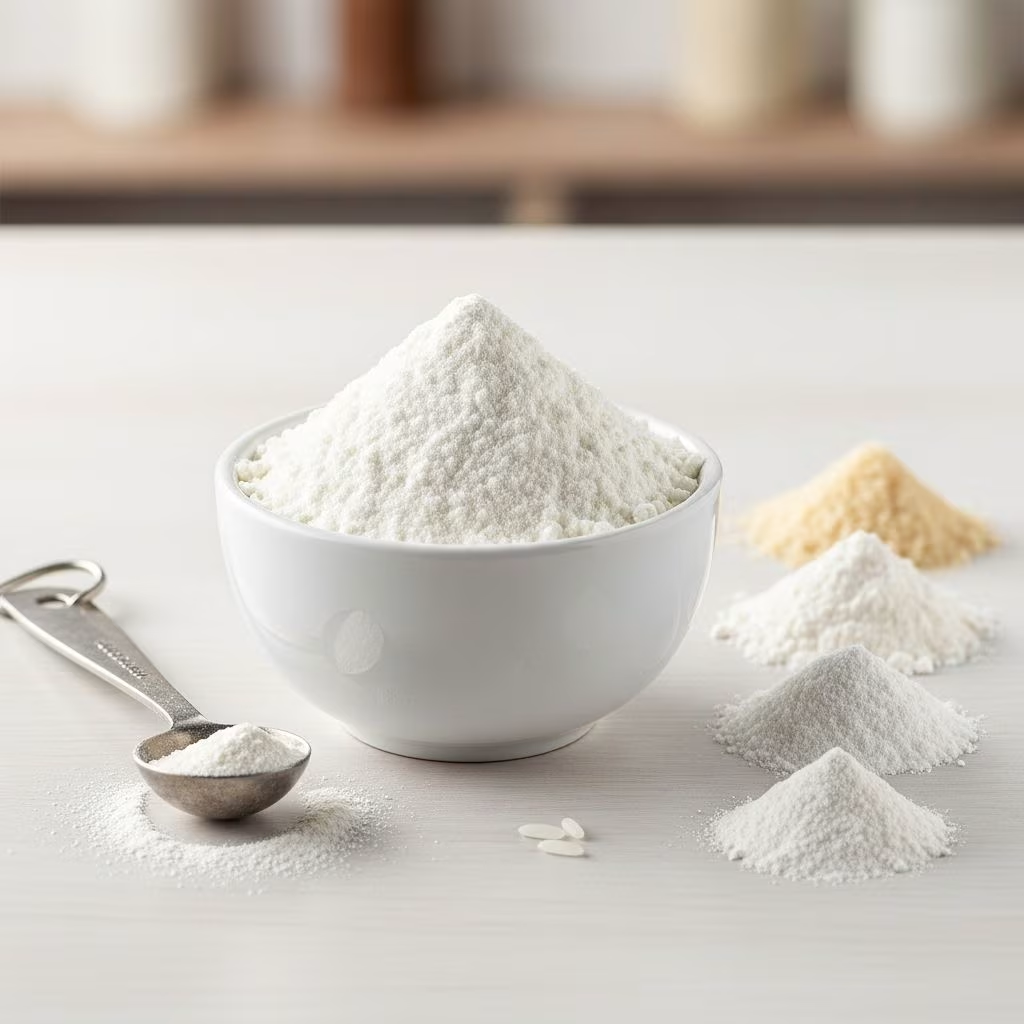
White rice flour is a staple in gluten-free and traditional baking across the world. Renowned for its light texture, subtle flavor, and adaptability, white rice flour is used in everything from crispy batters to delicate cakes. This guide explores the comprehensive uses of white rice flour in baking, its nutrition profile, key dietary benefits, smart substitutes, and frequently asked questions.
What is White Rice Flour?
White rice flour is a finely milled powder made from polished white rice grains, where the bran and germ have been removed. This results in a soft, white, and neutral-flavor flour distinct from brown rice flour, which is ground from whole grain brown rice and contains more fiber and micronutrients.
Due to its smooth texture and absence of gluten, white rice flour is popular for gluten-free baking and Asian cuisine, where it provides unique qualities not easily replicated by wheat flour.
White Rice Flour vs. Brown Rice Flour
| Feature | White Rice Flour | Brown Rice Flour |
|---|---|---|
| Source Grain | Peeled white rice (no bran) | Whole brown rice (with bran) |
| Color & Texture | White, fine, smooth | Pale tan, slightly coarse, nutty |
| Flavor | Neutral, mild | Earthy, slightly nutty |
| Main Uses | Baking, thickening, batters | Wholegrain baking, extra nutrition |
| Gluten-Free | Yes | Yes |
| Fiber Content | Lower | Higher |
Baking Uses of White Rice Flour
White rice flour’s most celebrated feature is its versatility in baking. It offers a tender crumb and light texture, making it a favorite for:
- Gluten-free breads and rolls: Contributes structure and a soft interior, especially as part of a blend.
- Cakes and cupcakes: Adds a delicate crumb to gluten-free and Asian-style sponge cakes, mochi cakes, or chiffon cakes.
- Cookies and shortbread: Delivers a light, crisp bite for sugar cookies and shortbread, particularly in combination with other starches.
- Muffins, pancakes, and waffles: Ensures fluffiness and a smooth mouthfeel—especially important in gluten-free recipes.
- Batter for frying: Creates exceptionally crispy coatings for tempura, fish, and vegetables.
- Pie and tart crusts: Produces tender, yet flaky crusts without gluten development.
- Biscuits, scones, and quickbreads: Enhances softness when mixed with starches or binders.
In traditional Asian baking and dessert making, white rice flour is an essential ingredient for:
- Mochi and rice cakes
- Steamed cakes
- Dumpling wrappers
- Pastry shells for dim sum
Sample Baked Goods Made with White Rice Flour
- Pancake bake
- Flaky pie pastry
- Waffles and crepes
- Churros and cinnamon rolls
- Granola bars and brownies
- Cheese biscuits and sugar cookies
- Angel food cake
- Muffins and shortcakes
Professional bakers often employ white rice flour in flour blends for optimal texture, as it can be slightly grainy and benefit from starch or binder additions.
Other Uses in Cooking
Beyond baked goods, white rice flour is extensively used for:
- Thickening soups and sauces: A neutral thickener, it dissolves well and doesn’t impart color.
- Rice noodles and wrappers: Main ingredient in Asian rice noodles, dumplings, and spring roll wrappers.
- Breadings and batters: Adheres well to proteins or vegetables, giving a crunchy finish.
- Gluten-free pasta
- Fried snacks and appetizers: Used for incredibly crisp textures in restaurant-quality fries, fish, and tempura.
Restaurants frequently use white rice flour as part of their specialty batters or to make gluten-free versions of customer favorites.
Why Choose White Rice Flour?
- Gluten-free: Essential for those with celiac disease or gluten sensitivities.
- Neutral flavor: Does not compete with other ingredient flavors—ideal for sweet or savory preparations.
- Light texture: Produces fluffy, fryable, or delicate results not easily achieved with heavier flours.
- Allergen-friendly: Free from major allergens (when processed in dedicated facilities).
- Sustainable: Waste from rice milling (husks and bran) can be used productively; U.S.-made rice flour supports ethical and safe food production standards.
Nutritional Profile of White Rice Flour
| Nutrient (per 100g) | White Rice Flour | Comments |
|---|---|---|
| Calories | 360–366 kcal | High-energy, low-fat source |
| Total Carbohydrates | 79–80g | Primary energy source |
| Protein | 5.5–6g | Moderate (less than wheat) |
| Fat | 0.5–1g | Low in both saturated & total fat |
| Fiber | 1–2g | Low (higher in brown rice flour) |
| Iron | 0.5–1mg | Trace amounts |
| Calcium | 3–10mg | Minimal |
| Gluten | 0g | Completely gluten-free |
| Cholesterol | 0mg | Cholesterol-free |
| Amino Acids | Contains GABA | Supports serotonin and mood |
Note: Brown rice flour is higher in fiber, vitamins, and minerals, while white rice flour delivers energy with a light texture—all with no gluten. Both are suitable for most dietary restrictions.
Substitutes for White Rice Flour
If you need to replace white rice flour in a recipe, consider your primary goal: Are you looking for a similar gluten-free texture in baked goods or mimicking binding/thickening properties?
Top Substitutes for baking or thickening:
- Brown rice flour: Closest match nutritionally and texturally. Offers more fiber and slightly nutty flavor.
- Sorghum flour: Mild-flavored, high in protein, good in flour blends.
- Oat flour (gluten-free certified): Mild taste, improves crumb, but slightly denser.
- Potato starch or corn starch: Best for crispness in batters and as thickeners, but use as part of a blend.
- Tapioca flour: Delivers chewiness and elasticity, making it perfect in combination blends and for Asian recipes.
- Almond flour: For added moisture and nutrition, works in combination (note: nut allergen).
- Commercial gluten-free flour blends: Typically mix rice, tapioca, potato, and sometimes bean flours for convenience and consistent texture.
Tip: When substituting, use weight (grams/ounces) for accuracy. A direct 1:1 swap is not always possible, especially for baked goods; always test with your recipe and consider mixing flours for best results.
Tips for Baking with White Rice Flour
- For best structure and crumb, combine white rice flour with starches (tapioca, potato) or binders (psyllium, xanthan gum).
- To avoid graininess, let your batter or dough rest post-mixing—this helps the flour absorb liquid fully.
- Always sift white rice flour before use to remove clumps and improve uniformity in baked goods.
- Flavor is very neutral; add vanilla, butter, or other strong flavors liberally unless you desire a blank base.
- Use fresh white rice flour. It can go rancid if stored improperly; keep in a cool, airtight container.
- Begin by replacing up to 40% of total flour with rice flour in any recipe as a test before using 100%.
- White rice flour shines for light batters (tempura), but for muffins, cakes, and breads, always use a blend for moistness and structure.
Frequently Asked Questions (FAQs)
Q: Is white rice flour the same as glutinous (sweet) rice flour?
A: No, white rice flour and glutinous (sweet) rice flour are different products. White rice flour is made from medium/long-grain white rice, while glutinous rice flour is made from sticky rice and creates distinctly chewy textures (such as mochi). Use the correct type as directed in recipes.
Q: How should white rice flour be stored?
A: Store in an airtight container in a cool, dry place. For long-term storage, refrigeration or freezing can prolong freshness and prevent rancidity.
Q: Does white rice flour taste like rice?
A: It has a very neutral, almost flavorless taste, making it suitable for both sweet and savory applications.
Q: Can white rice flour replace wheat flour cup-for-cup?
A: Not directly. Wheat flour contains gluten, which helps with binding and structure. For best results, use rice flour as part of a blend with starches and binding agents or use commercial gluten-free blends.
Q: Is white rice flour healthy?
A: White rice flour is low in fat, cholesterol-free, and suitable for gluten-free, allergen-friendly diets. However, it’s lower in fiber and micronutrients than whole-grain flours—pair with nutrient-dense ingredients for a balanced diet.
Q: What are some classic recipes using white rice flour?
A: Tempura batters, gluten-free sugar cookies, sponge cakes, pancakes, Asian steamed cakes, and various gluten-free bread recipes. It is also used in thickening gravies and sauces.
Conclusion
White rice flour is an indispensable, adaptable ingredient for anyone interested in gluten-free, allergen-safe, or multicultural cooking. Though best when blended with other gluten-free flours, its neutral flavor, light texture, and wide-ranging uses make it a must-have, especially for those pursuing tender baked goods or crisp fried coatings. With proper storage and a few baking tricks, white rice flour unlocks a world of innovative recipes and textures for all diets.
References
- https://www.usarice.com/thinkrice/detail-pages/blog/rice-flour-101-everything-you-need-to-know
- https://www.snixykitchen.com/flour/white-rice-flour/
- https://everydayglutenfreegourmet.ca/how-to-use-rice-flour/
- https://georgeats.com/recipes/gluten-free-desserts-with-rice-flour/
- https://thesoundofcooking.com/rice-flour-recipes/
- https://apinchofadventure.com/rice-flour-recipes-w-pictures/
- https://yummyaddiction.com/rice-flour-recipes/


