


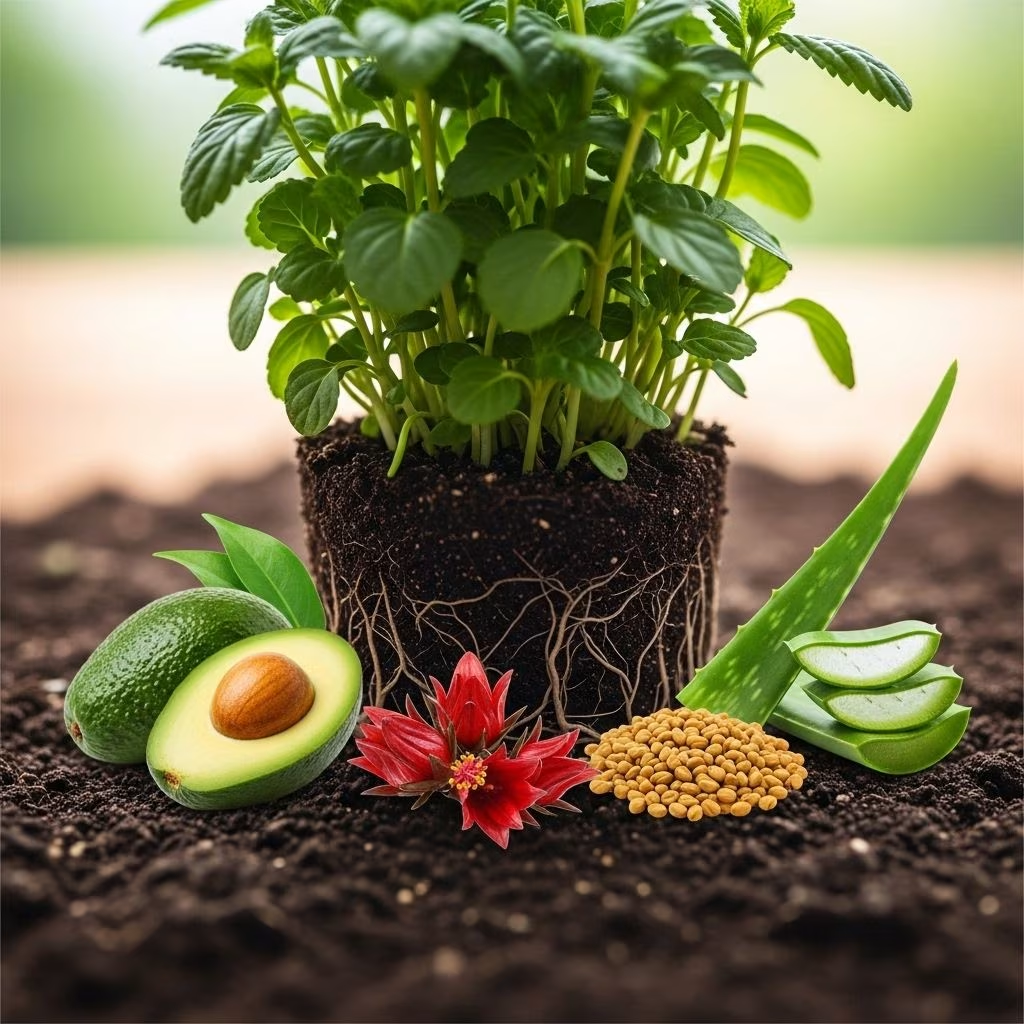
Natural Remedies for Hair Loss: Effective Solutions for Thicker, Healthier Hair
Hair loss is an issue that affects millions of people, regardless of age or gender. Experiencing thinning hair or excessive shedding can impact both your appearance and confidence. Fortunately, a variety of natural remedies are available that can support hair regrowth, enhance scalp health, and strengthen weakened hair follicles. This comprehensive guide explores the best evidence-backed treatments, oils, supplements, and holistic strategies to address hair loss and promote vibrant hair growth.
Understanding Hair Loss: Causes and Symptoms
Hair loss, also known as alopecia, can occur for several reasons:
- Genetic predisposition (hereditary hair loss or androgenetic alopecia)
- Hormonal changes (pregnancy, menopause, thyroid disorders)
- Nutritional deficiencies (iron, protein, vitamins)
- Stress and emotional strain
- Autoimmune conditions (such as alopecia areata)
- Scalp infections and chronic inflammation
- Certain medications or treatments
Common symptoms include gradual thinning at the crown, a receding hairline, increased hair shedding after brushing, and visible scalp patches.
Holistic Approaches to Regrow Hair Naturally
Achieving visible results often requires a holistic approach that combines topical treatments, dietary changes, and lifestyle modifications. Here are the foundational strategies for restoring healthy hair growth:
1. Scalp Massage
Gentle scalp massage increases circulation to hair follicles, delivering more nutrients and oxygen to support hair regeneration. Daily scalp massage with fingertips or a specialized scalp brush boosts relaxation and can help stimulate hair growth over time.
Tips for effective scalp massage:
- Use light circular motions for 5-10 minutes daily
- Pair massage with nourishing oils such as coconut, olive, or rosemary
- Enhance with essential oils for extra benefit
2. Aloe Vera
Aloe vera is widely recognized for its soothing and hydrating qualities. It naturally calms irritated scalps, reduces dandruff, and unblocks hair follicles clogged by excess oil. Its enzymes help repair damaged cells, creating an optimal environment for hair regrowth.
How to use aloe vera:
- Apply pure aloe vera gel directly to the scalp
- Leave on for 30-60 minutes before rinsing
- Repeat 2-3 times weekly
3. Coconut Oil
Coconut oil is rich in fatty acids that penetrate the hair shaft, reducing protein loss and strengthening strands. Its antimicrobial properties help soothe scalp conditions, minimize hair breakage, and promote healthy growth.
Usage method:
- Warm coconut oil and massage into your scalp and roots
- Leave it on for at least 30 minutes or overnight
- Wash thoroughly with a gentle shampoo
4. Rosemary Oil
Rosemary oil is one of the most potent essential oils for hair growth. Clinical studies suggest it performs comparably to conventional treatments like minoxidil in stimulating new hair growth and treating androgenetic alopecia. Rosemary improves circulation, strengthens hair follicles, and actively reduces dandruff and scalp irritation.
- Dilute a few drops of rosemary oil in a carrier oil (such as jojoba or coconut)
- Massage into scalp 2-3 times per week
- Leave on for 15-30 minutes before washing
Pros and Cons of Rosemary Oil
| Pros | Cons |
|---|---|
| Stimulates follicles and circulation Reduces scalp irritation | Requires regular use over months Strong scent may not suit everyone |
5. Onion Juice
Onion juice contains high levels of sulphur, which is essential for regenerating hair follicles and supporting keratin production. Several studies indicate onion juice may significantly improve hair density and growth, especially for patchy hair loss due to alopecia areata. Though its pungent smell can be a drawback, many find its results worth the effort.
- Blend onions and extract the juice
- Apply directly to scalp and leave for 15-30 minutes
- Wash thoroughly to remove odor
- Use up to twice weekly for best results
6. Pumpkin Seed Oil
Pumpkin seed oil delivers vital nutrients to the scalp, such as zinc and vitamin E. Research suggests that its bioactive compounds block the hormone DHT (dihydrotestosterone), known to contribute to male pattern baldness. Pumpkin seed oil nourishes hair follicles and reduces thinning and shedding.
- Take as a daily supplement (after consulting with a healthcare provider)
- Alternatively, massage oil into scalp and leave for 20-30 minutes
7. Olive Oil
Olive oil has been valued for centuries for maintaining scalp health and preventing hair thinning. It’s high in fatty acids and antioxidants, which moisturize the scalp, strengthen strands, and reduce split ends. Olive oil is especially effective for combatting dryness and maintaining hair density, though it’s not suited for regrowing hair in bald areas.
- Warm a small amount of olive oil
- Massage into scalp and hair
- Leave on for 15-20 minutes
- Wash out with a mild shampoo
8. Essential Oils: Geranium, Lemon, Peppermint
Other essential oils like geranium, lemon, and peppermint can support scalp health and improve circulation. Lemon oil is known for its antibacterial properties and helps reduce dandruff, while peppermint increases blood flow and may stimulate follicle activity. Always mix essential oils with carrier oils before applying to avoid irritation.
- Add a few drops of essential oil to your shampoo or conditioner
- Blend with carrier oils and massage into scalp
9. Nutritional Supplements for Hair Growth
Nutritional deficiencies can play a major role in hair loss and thinning. Supporting hair health from inside out can make a big difference.
- Ginseng: Ginsenosides help stimulate hair follicles and promote growth. Use as directed on supplement labels.
- Viviscal: A marine-based supplement containing AminoMar, biotin, vitamin C, and iron—all vital for nourishing hair from the roots.
- Fish Oil: Omega-3 fatty acids provide anti-inflammatory benefits and improve hair thickness.
A balanced intake of protein, iron, and vitamins (especially vitamin D and biotin) is highly recommended to improve overall hair health.
10. Lifestyle Changes Supporting Healthy Hair
- Eat a protein-rich, nutrient-dense diet
- Manage stress through mindfulness, meditation, and adequate sleep
- Protect hair from excessive styling, heat, and harsh chemicals
- Practice gentle hair care routines
- Stay hydrated to boost scalp and hair moisture
Popular Natural Hair Masks and Rinses
Besides oils and supplements, try these natural masks for extra nourishment:
- Hibiscus and Fenugreek Mist: Strengthens roots, reduces dryness, and supports thicker growth.
- Egg mask: Rich in protein and biotin; helps boost elasticity and shine.
- Yogurt & Honey Mask: Moisturizes and cleanses scalp, reducing inflammation.
Apply masks once weekly, leave on for 20-30 minutes, and rinse thoroughly.
When to Seek Professional Help
While natural remedies work well for many, consult a dermatologist or trichologist if:
- Hair loss worsens rapidly or results in bald patches
- You experience redness, swelling, or open sores on the scalp
- No improvement after several months of consistent use
- Underlying medical conditions may be contributing
Medical professionals can offer advanced diagnostics, prescription solutions, and tailored treatment plans.
Frequently Asked Questions (FAQs)
Q: Which natural oil is best for hair loss?
A: Rosemary oil is highly recommended due to its clinically proven effectiveness in stimulating hair growth and treating thinning hair. Pumpkin seed oil and coconut oil also offer significant benefits.
Q: Can onion juice really regrow hair?
A: Yes, research shows onion juice is particularly effective for patchy hair loss and can boost regrowth and hair density, largely due to its high sulphur content.
Q: How often should I use natural remedies?
A: Consistency is vital. Most natural oils and topical remedies yield better results when used two to three times weekly for several months.
Q: Are natural remedies safe for all hair types?
A: Most natural treatments are safe, but patch test new products or oils to avoid irritation, especially on sensitive scalps. Essential oils must always be diluted before use.
Q: Can diet help with hair loss?
A: Yes, a balanced diet rich in protein, iron, and vitamins supports healthy hair growth and can help reduce thinning.
Q: What’s better: topical treatments or supplements?
A: Combining both topical applications (oils, masks) and internal supplements (ginseng, fish oil, biotin) often yields the best results for most people.
Conclusion: Embracing Natural Hair Wellness
Effective hair loss management often involves patience, consistency, and a holistic routine. Natural remedies such as rosemary oil, onion juice, coconut oil, and pumpkin seed oil are supported by clinical research and centuries of anecdotal success. Combine topical treatments with dietary changes and healthy practices to nourish your hair from root to tip. If natural methods do not provide adequate results, seek professional guidance to explore additional medical solutions. With commitment and the right approach, stronger, thicker hair is attainable naturally.
References
- https://www.healthline.com/health/regrow-hair-naturally
- https://www.harleystreethairtransplant.co.uk/8-natural-remedies-for-hair-loss/
- https://www.myfreebird.com/blogs/health/natural-remedies-hair-loss
- https://www.goodrx.com/well-being/alternative-treatments/natural-hair-growth-products-remedies
- https://pubmed.ncbi.nlm.nih.gov/37151166/
- https://www.youtube.com/watch?v=5GVa1QHyCls
- https://pmc.ncbi.nlm.nih.gov/articles/PMC11549889/
- https://www.mayoclinic.org/diseases-conditions/hair-loss/diagnosis-treatment/drc-20372932
- https://www.medicalnewstoday.com/articles/324971


