


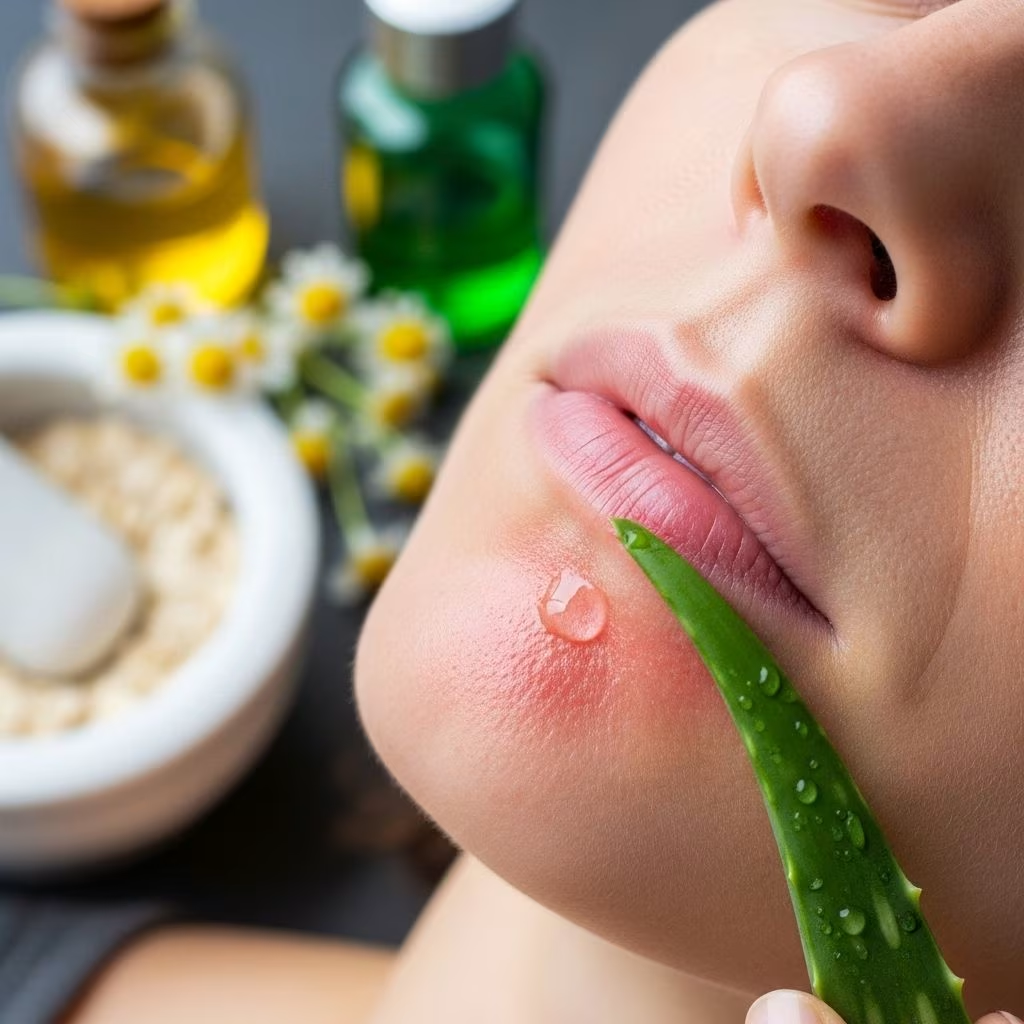
Natural Remedies for Allergic Reactions on the Chin
Allergic reactions affecting the face, and specifically the chin, are more frequent than many realize. Such reactions can cause discomfort, self-consciousness, and even anxiety about underlying health problems. Understanding the causes, symptoms, and safe, natural ways to treat facial allergies is vital for prompt relief and prevention of future outbreaks.
This article explores evidence-based, natural remedies for allergic reactions on the chin, provides guidance on self-care, and covers best practices to avoid recurrence. If your symptoms are severe or persistent, consult a healthcare professional for an accurate diagnosis and targeted treatment.
Causes of Allergic Reaction on the Chin
The skin on the chin is delicate and directly exposed to various potential irritants throughout the day. Common causes of chin allergies include:
- Cosmetic Products: Makeup, creams, sunscreens, and moisturizers may contain allergens such as fragrances, preservatives, or dyes.
- Food Allergens: Dripping food or drinks, or residue from allergenic foods, can contact the chin and trigger localized reactions.
- Contact Dermatitis: Irritation from jewelry (e.g., nickel), shaving products, detergents, or fabric softeners in towels and clothing.
- Respiratory Allergens: Airborne pollen or dust settling on the face can provoke irritation in sensitive individuals.
- Personal Habits: Frequently touching the chin or resting it on hands transfers bacteria, oils, and potential allergens.
Understanding these triggers is the first step in effectively managing and preventing allergic reactions on the chin.
Identifying Symptoms of Facial Allergic Reactions
Symptoms of an allergy on the chin often develop rapidly after exposure to the offending substance. Typical signs include:
- Redness, swelling, or inflammation localized to the chin area
- Itching, burning, or stinging sensations
- Raised bumps (hives), blisters, or a rash
- Dryness, flakiness, or peeling of the skin
- Crusting, oozing, or tender skin if the reaction is severe
If the symptoms are accompanied by systemic signs, such as difficulty breathing, extensive swelling, or dizziness, seek emergency care immediately.
Safe Natural Remedies for Chin Allergies
Natural remedies can provide effective relief for mild to moderate allergic reactions on the chin, especially when avoiding the suspected triggers. Before applying any treatment, cleanse the skin gently with lukewarm water and avoid scrubbing or harsh soaps.
1. Cold Compress
A cold compress helps reduce inflammation, redness, and itching almost immediately:
- Wrap a few ice cubes in a clean cloth or use a cold gel pack.
- Apply to the affected chin area for 10–15 minutes at a time.
- Repeat as needed throughout the day.
This method provides quick, temporary relief and helps prevent scratching and further irritation.
2. Aloe Vera Gel
Aloe vera is known for its soothing, anti-inflammatory, and moisturizing properties. It can calm irritated skin and promote healing:
- Use pure aloe vera gel directly from the plant or choose a product free from added fragrances and chemicals.
- Apply a thin layer to clean, dry skin.
- Let it air dry. Reapply as needed, especially after washing your face.
3. Oatmeal Paste or Bath
Colloidal oatmeal contains anti-inflammatory compounds that help relieve itching and inflammation:
- For a localized reaction: Blend oatmeal into a fine powder, mix with water to create a paste, and apply directly to the chin. Leave on for 10–15 minutes, then rinse off gently.
- For widespread irritation: Prepare an oatmeal bath and soak affected areas for 15–20 minutes.
This remedy provides relief from dryness and soothes irritated skin .
4. Coconut Oil
Virgin coconut oil is gentle, moisturizing, and has antimicrobial properties:
- Apply a thin layer of coconut oil to the affected area twice daily.
- It may help reduce dryness, scaling, and light inflammation.
Do not use coconut oil if you have a known coconut allergy.
5. Calamine Lotion
Calamine lotion offers a cooling effect and can reduce itchiness and mild swelling:
- Shake the bottle and dab a small amount on the chin using a cotton swab or pad.
- Allow to air dry. Repeat 2–3 times daily as needed.
Calamine is especially helpful for itchy or weepy rashes.
6. Baking Soda Paste
Baking soda possesses antifungal and soothing qualities:
- Mix 1–2 teaspoons of baking soda with enough water to form a paste.
- Apply to the affected area for up to 10 minutes, then rinse thoroughly.
Do not overuse, as it can dry out sensitive skin if applied frequently .
7. Apple Cider Vinegar
Apple cider vinegar’s anti-inflammatory and antibacterial effects may help calm minor reactions:
- Mix equal parts apple cider vinegar and water.
- Lightly dab the diluted solution onto the chin using a soft cotton ball.
- Rinse off after 10 minutes if irritation increases.
Always dilute apple cider vinegar before applying to skin, as undiluted vinegar may cause burns.
8. Natural Oils and Herbal Pastes
- Sandalwood Paste: Has cooling properties; apply a thin paste (made from sandalwood powder mixed with water) for relief.
- Chamomile Tea Compress: Brew chamomile tea, soak a clean cloth, cool, and use as a compress for anti-inflammatory effects.
9. Change and Launder Facial Towels Regularly
Use hypoallergenic detergents on facial towels and pillowcases, and change them every other day during active skin reactions. This minimizes exposure to dust mites and residual allergens.
10. Maintain a Moisturizing Skincare Routine
Regularly moisturizing the skin helps restore the barrier and prevents flares:
- Choose fragrance-free, gentle moisturizers suitable for sensitive skin.
- Apply after washing your face and before bed.
Avoid heavy, oily products that can clog pores or aggravate rashes.
Table: Comparison of Topical Natural Remedies
| Remedy | Benefits | Precautions |
|---|---|---|
| Cold Compress | Reduces inflammation, soothes itching | Do not apply ice directly to skin for more than 15 mins |
| Aloe Vera | Cools, moisturizes, eases burning | Use only pure gel; avoid added fragrances |
| Oatmeal | Anti-inflammatory, relieves itching | Ensure finely blended to avoid abrasion |
| Coconut Oil | Moisturizes and soothes | Avoid if allergic to coconut |
| Baking Soda | Anti-fungal, calms irritation | Use occasionally to prevent drying |
| Apple Cider Vinegar | Antibacterial, reduces inflammation | Dilute well before application |
Prevention Strategies and Lifestyle Tips
Managing facial allergies is easier through consistent prevention:
- Identify and avoid known triggers: Perform a patch test with new skincare or cosmetics on the inner forearm before using them on your face.
- Choose hypoallergenic products: Use fragrance-free, dermatologist-tested facial cleansers and creams.
- Maintain facial hygiene: Gently cleanse your face twice daily with lukewarm water. Avoid harsh soaps, excessive scrubbing, or abrasive exfoliants.
- Limit facial touching: Wash hands before touching your face, and avoid resting your chin on objects or hands.
- Protect your skin from environmental allergens: Use a scarf or mask if prone to pollen or dust reactions when outdoors.
- Launder bed linens and towels regularly: Wash with hypoallergenic detergent and change frequently.
- Boost immunity with a healthy diet: Ensure an antioxidant-rich diet, stay hydrated, and consider vitamin C and quercetin-rich foods, which have natural antihistamine properties.
Stress Reduction
Psychological stress can worsen allergic reactions and skin flare-ups. Practice stress-reducing activities such as deep breathing, meditation, light exercise, or yoga to keep skin problems in check .
When to Seek Medical Attention
While mild allergic reactions can often be managed naturally, certain situations require immediate or professional care:
- Rapid swelling of the face, lips, or tongue
- Difficulty breathing, chest tightness, or throat closing
- Painful, spreading rash or blisters
- Recurrent episodes with no clear cause
- No improvement after several days of home management
Unusual symptoms or uncertainty about the cause warrant a visit to your healthcare provider. Severe allergic reactions (anaphylaxis) are a medical emergency; do not delay in seeking emergency care.
Frequently Asked Questions (FAQs)
Q: How can I tell if my chin rash is an allergy or something else?
A: Look for itching, redness, swelling, and bumps that appear rapidly after contact with a new product or food. Non-allergic conditions (like acne, fungal infections, or eczema) may have different triggering patterns and require different treatments. If unsure, consult a dermatologist.
Q: Are natural remedies safe for all skin types?
A: Most natural remedies are safe for sensitive skin, but perform a patch test on another body area before widespread use. Discontinue use immediately if symptoms worsen or you develop new signs of irritation.
Q: Can I use essential oils on my allergic rash?
A: Some essential oils provide relief but should always be diluted with carrier oils. Be cautious, as essential oils themselves can provoke allergic reactions in sensitive individuals. Avoid use on broken or weeping skin.
Q: Is it advisable to scratch or exfoliate an allergic chin rash?
A: No. Scratching or exfoliating an active rash can worsen irritation, cause open wounds, and increase the risk of infection. Soothe the area and allow it to heal naturally.
Q: How long does it take for a chin allergy to resolve with natural remedies?
A: Most mild allergic rashes improve within a few days if the trigger is removed and appropriate remedies are used. If the rash worsens or fails to improve in a week, seek medical advice.
Summary
Mild allergic reactions on the chin respond well to natural remedies and diligent self-care. Understanding the cause, keeping the area clean, using gentle topical applications, and practicing prevention are key. If symptoms are severe, persistent, or you have any doubts about the cause, consult with a healthcare professional to ensure the best outcome and avoid complications.
References
- https://www.medicalnewstoday.com/articles/321376
- https://www.medanta.org/patient-education-blog/itchy-skin-15-home-remedies-to-soothe-itchy-skin-fast
- https://www.healthline.com/health/home-remedies-for-allergies
- https://www.webmd.com/allergies/treating-your-skin-allergies-at-home
- https://allergypacific.com/natural-allergy-remedies-for-allergy-relief/
- https://draxe.com/health/contact-dermatitis/
- https://www.goodrx.com/health-topic/dermatology/treat-allergic-reaction-rash
- https://www.medicalnewstoday.com/articles/321500
- https://www.jeffersonhealth.org/your-health/living-well/at-home-remedies-to-calm-hives-and-itchy-skin


