


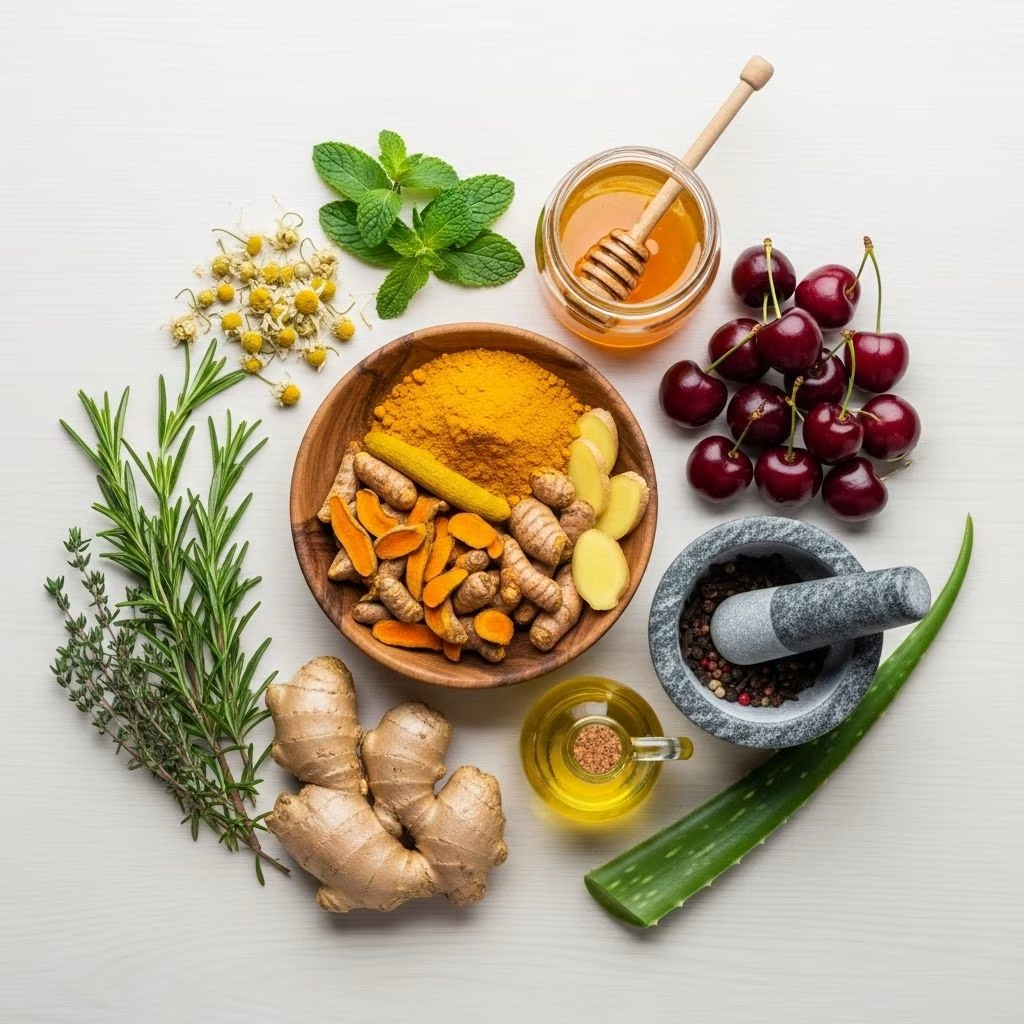
Ten Natural Remedies for Pain and Inflammation
Pain and inflammation go hand in hand for many chronic conditions, and while modern medicines are accessible, they often come with side effects. Nature offers several time-tested and research-supported remedies that address both pain and inflammation at their source. This article examines ten of the most effective natural approaches, their mechanisms, clinical evidence, and practical usage.
Understanding Pain and Inflammation
Pain signals that something is amiss in the body, while inflammation is a protective response to injury or infection, often causing redness, swelling, and discomfort. Acute inflammation is necessary for healing, but chronic inflammation can contribute to conditions such as arthritis, cardiovascular disease, and autoimmune disorders. Choosing natural interventions can help support the body’s healing processes and manage symptoms without heavy reliance on medications.
1. Turmeric (Curcumin)
Turmeric is a golden spice familiar in culinary and healing traditions worldwide. Its active ingredient, curcumin, is a powerful anti-inflammatory and antioxidant that has been shown to reduce joint and muscle pain, especially in conditions like arthritis. Research indicates curcumin rivals some anti-inflammatory drugs in efficacy, and is most bioavailable when combined with black pepper (piperine).
- May help decrease chronic inflammation and oxidative stress.
- Recommended in teas, curries, or standardized supplements.
- Ideal pairing: Turmeric + black pepper for enhanced absorption.
2. Ginger
Ginger contains compounds called gingerols and shogaols, which provide both anti-inflammatory and analgesic effects. Studies show ginger helps with joint pain, muscle soreness after exercise, menstrual cramps, and digestive discomfort. Acute relief may be noticeable within hours, while longer-term use (several weeks) benefits chronic inflammation.
- Common forms: fresh ginger root, teas, supplements.
- Helps with arthritis, headaches, blood pressure, and cholesterol.
- Can soothe nausea and gastrointestinal pain.
3. Willow Bark
Often referred to as “nature’s aspirin,” willow bark contains salicin, similar to the active compound in aspirin. It has been traditionally used for headaches, joint pain, and lower back pain. Its anti-inflammatory and mild analgesic effects have made it a popular choice for musculoskeletal pain.
- Especially useful for headaches, osteoarthritis, and rheumatic pain.
- Can be used as teas, capsules, or topical extracts.
- Use cautiously, especially if allergic to aspirin.
4. Capsaicin (Chili Peppers)
Capsaicin, the active component in chili peppers, reduces pain by desensitizing pain receptors and blocking transmission to the brain. Topical capsaicin creams and patches are well established in treating nerve pain, arthritis, and muscle aches.
- Used in external creams and patches for arthritis and neuropathy.
- Relief from cluster headaches, surgical pain, and nerve disorders.
- May cause warmth or burning, which often subsides with repeated use.
5. Boswellia (Frankincense)
Extracted from Boswellia serrata, frankincense is a staple in Ayurvedic medicine. Powerful anti-inflammatory compounds called boswellic acids have been shown to reduce pain and stiffness, particularly in osteoarthritis. A large 2020 study confirmed its safety and efficacy for joint pain.
- Primarily aids in joint and muscle pain, osteoarthritis, and rheumatoid conditions.
- Available as standardized extracts or capsules.
- Few reported side effects; consult with a physician about dosage.
6. Cloves
Cloves carry a potent compound, eugenol, which is both an antioxidant and a natural pain reliever. Traditionally used for toothaches and muscle pain, clove oil is commonly applied topically for localized relief.
- Available as whole spice, powder, supplements, or oil.
- Clove oil may numb tooth pain and relieve sore muscles.
- Use sparingly; high doses can irritate mucous membranes.
7. Omega-3 Fatty Acids (Fish Oil)
Omega-3s in fish oil directly reduce degenerative enzymes and inflammation-causing cytokines, such as interleukin-1 and TNF-α. Clinical studies show benefit for rheumatoid arthritis, heart disease, and general muscle pain.
- Best sources are fatty fish (salmon, sardines, mackerel), supplements.
- Antioxidant and anti-inflammatory effects assist both systemic and joint pain.
8. Garlic
Rich in allicin, garlic has potent anti-inflammatory, antibacterial, and immune-boosting properties. It’s used to help with arthritis pain, circulation, cholesterol, and general immune resilience.
- Helpful for inflammatory arthritis and chronic pain.
- Can be incorporated into the diet, supplements, or tinctures.
9. Herbal Extracts and Essential Oils
Several herbal extracts and essential oils lend anti-inflammatory and pain-relieving benefits, notable for their high phenolic content.
- Lavender (Lavandula angustifolia): calming, topical pain relief.
- Rosemary (Rosmarinus officinalis): antioxidant, pain and circulation booster.
- Peppermint (Mentha piperita): cooling effect, muscle and joint pain relief.
- Feverfew (Tanacetum parthenium): traditionally used for migraine and inflammation.
Most can be applied externally or inhaled. Oil-based preparations should be diluted to avoid skin irritation.
10. Lifestyle Changes and Anti-Inflammatory Diet
Diet and lifestyle make a significant impact on inflammation and pain. Emphasizing anti-inflammatory foods and healthy habits can complement the remedies above
- Eat a diet rich in:
- Leafy greens (spinach, kale, collards)
- Tomatoes, berries, nuts (almonds, walnuts)
- Olive oil, whole grains, and fatty fish
- Get regular, moderate exercise to improve circulation and maintain joint health.
- Sleep soundly; poor sleep aggravates inflammation.
- Try acupuncture and relaxation techniques. Acupuncture, heat and ice therapy further help manage pain.
| Remedy | Key Compound | Main Benefit | Common Uses |
|---|---|---|---|
| Turmeric | Curcumin | Anti-inflammatory, antioxidant | Arthritis, joint pain, muscle ache |
| Ginger | Gingerols/Shogaols | Inflammation, pain, nausea | Arthritis, muscle soreness, digestive pain |
| Willow Bark | Salicin | Pain relief, inflammation | Headaches, back pain, osteoarthritis |
| Capsaicin | Capsaicin | Desensitize pain receptors | Nerve pain, arthritis, creams |
| Boswellia | Boswellic acids | Joint pain, swelling | Osteoarthritis, supplements |
| Cloves | Eugenol | Topical pain relief | Toothache, muscle soreness |
| Omega-3s/Fish Oil | Omega-3 fatty acids | Systemic anti-inflammatory | Rheumatoid arthritis, heart health |
| Garlic | Allicin | Antibacterial, anti-inflammatory | Arthritis, immune support |
| Herbal Extracts | Various phenolics | Topical, aromatherapy | Essential oils, pain rubs |
| Lifestyle/Diet | Whole foods, activity | Systemic control | Chronic inflammation reduction |
Precautions and Safety
- Consult healthcare professionals before starting new supplements or herbs, especially if you use prescription medications or have underlying health conditions.
- Pay attention to allergies and dosage recommendations for each remedy.
- Some natural remedies may interact with medications; discuss all supplements with your doctor.
Frequently Asked Questions (FAQs)
Q: What is the strongest natural painkiller?
A: Among natural options, turmeric (curcumin), willow bark, ginger, capsaicin, and boswellia are considered the strongest for pain relief. Boswellia and curcumin, in particular, have robust clinical evidence supporting their use in chronic pain.
Q: What foods help fight inflammation?
A: Anti-inflammatory foods include berries, leafy greens, nuts, olive oil, tomatoes, whole grains, and fatty fish rich in omega-3s. Spices such as turmeric, ginger, cinnamon, and rosemary also provide additional anti-inflammatory benefits.
Q: Is ginger good for acute pain?
A: Yes, ginger’s anti-inflammatory effects can offer acute pain relief within hours, especially for digestive pain, headaches, and muscle soreness. Chronic pain relief typically requires consistent use over several weeks.
Q: Are these natural remedies safe for everyone?
A: Most natural remedies are safe when used appropriately; however, they may interact with certain medications or conditions. Willow bark, for example, should be avoided by those allergic to aspirin. Always consult with a healthcare provider before starting any natural remedy.
Q: How long does it take for anti-inflammatory herbs to work?
A: Some, like ginger or turmeric, may relieve acute symptoms in hours, but chronic conditions often require several weeks of regular use for noticeable improvements.
Q: Can essential oils be used for pain relief?
A: Yes; essential oils from lavender, peppermint, and rosemary are often used topically or in aromatherapy for pain and inflammation. They must be properly diluted to avoid irritation.
Conclusion
Natural remedies for pain and inflammation are supported both by tradition and growing scientific evidence. By exploring options such as turmeric, ginger, boswellia, and anti-inflammatory diets, individuals can find effective, safe alternatives to conventional medications. Personalized advice from healthcare providers can help optimize results and minimize risks, offering a path towards lasting relief and improved quality of life.
References
- https://lyphe.com/best-herbs-for-pain-relief
- https://www.thepaincenter.com/blog/anti-inflammatory-herbs-and-spices/
- https://www.healthline.com/health/pain-relief/surprising-natural-pain-killers
- https://www.health.harvard.edu/staying-healthy/foods-that-fight-inflammation
- https://pmc.ncbi.nlm.nih.gov/articles/PMC3011108/
- https://www.medicalnewstoday.com/articles/natural-remedies-for-inflammation
- https://www.brownhealth.org/be-well/foods-fighting-inflammation-arthritis-and-joint-pain
- https://gluten.org/2023/05/02/managing-inflammation-through-natural-remedies/


