


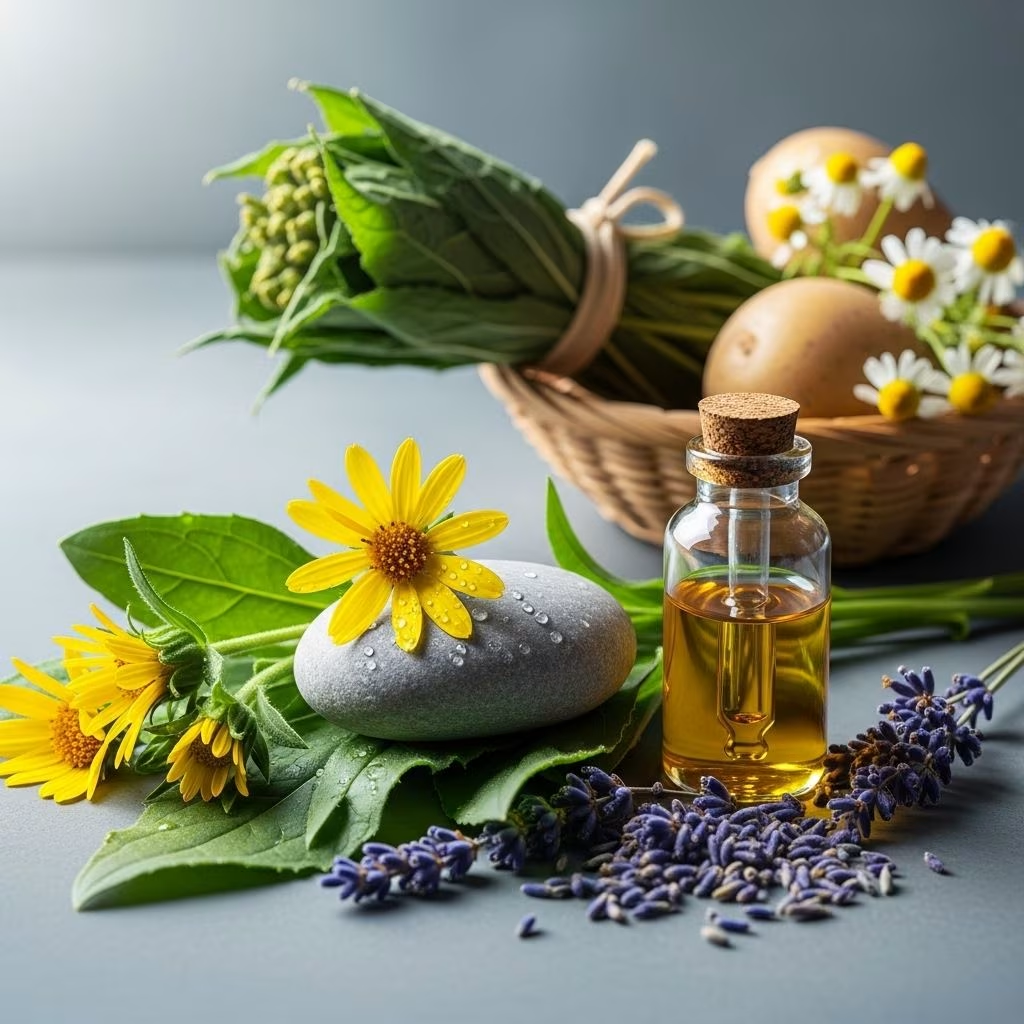
Natural Remedies for Bumps and Bruises: A Comprehensive Guide
Bumps and bruises are a common part of everyday life, affecting everyone from active children to older adults. While usually not serious, they can cause pain, swelling, and unsightly marks on the skin. Many people seek natural remedies to ease discomfort, accelerate healing, and reduce the appearance of bruising. This guide explores the most reliable home treatments, self-care tips, and crucial signs of injury that require professional medical evaluation.
Understanding Bumps and Bruises
Bruises, medically known as contusions, form when trauma damages small blood vessels under the skin, causing blood to leak into nearby tissues. Bumps are typically localized swellings resulting from similar trauma. Most bruises resolve on their own within two weeks, but natural remedies can often speed recovery and provide comfort during the healing process.
First Aid for Bruises: What to Do Immediately After Injury
- Apply a cold compress: Use an ice pack or a bag of frozen vegetables wrapped in a towel. Apply to the injured area for 15–20 minutes at a time. This reduces swelling and slows blood flow, minimizing bruise size.
- Elevate the affected area: If possible, raise the bruised limb above heart level. This helps prevent blood from pooling and may reduce swelling.
- Rest: Avoid strenuous activity that could aggravate the injury.
Avoid applying heat to a new bruise, as it can increase bleeding under the skin during the first 48 hours. After a couple of days, heat may be used to promote healing by increasing blood flow.
Popular Natural Remedies for Bruises
Several natural remedies have earned reputations for alleviating bruises, based on both traditional use and modern studies. Below are some of the most recommended:
1. Arnica (Arnica montana)
Arnica montana is a medicinal herb commonly used for treating bruises. Its active compounds have anti-inflammatory properties, and several studies have found it may help with pain, swelling, and discoloration.
- How to use: Arnica is available as topical gels, ointments, and oral homeopathic remedies. Apply a thin layer of arnica cream to the bruise 2–3 times per day.
- Precautions: Do not use arnica on broken skin, near eyes, or inside the mouth. Avoid oral arnica preparations unless directed by a healthcare professional; never ingest arnica essential oil.
2. Aloe Vera
Aloe vera gel contains compounds with anti-inflammatory and healing effects, making it useful for bruises and minor wounds.
- How to use: Extract fresh gel from an aloe leaf and apply directly to the bruised area 2–3 times daily. Massage gently in circular motions until absorbed.
- Benefits: Helps calm inflammation and moisturizes the skin, facilitating cellular repair.
3. Witch Hazel
Witch hazel is an herbal remedy renowned for its anti-inflammatory and astringent properties.
- How to use: Prepare a dressing using witch hazel bark or leaves. Boil with water, let the mixture cool, then soak gauze and apply to the bruise 2–3 times per day.
- Effects: Reduces pain, swelling, and the appearance of bruises.
- Precautions: Not recommended for pregnant or breastfeeding individuals.
4. Pineapple and Bromelain
Pineapple contains bromelain, an enzyme that reduces inflammation and supports healing by breaking down proteins in trapped blood cells.
- How to use: Eat fresh pineapple, drink the juice, or use bromelain supplements as directed.
- Benefits: May speed up healing and minimize bruise discoloration.
5. Vitamin K (Creams and Diet)
Vitamin K is crucial for blood clotting and is sometimes used topically to treat bruises and minimize their visual impact.
- How to use: Apply a vitamin K cream to the bruise. Also, eat green leafy vegetables such as kale and broccoli to support skin recovery from within.
- Effectiveness: Research for topical vitamin K is mixed, but some evidence supports its use for bruising, especially after cosmetic procedures.
6. Frankincense Essential Oil
Known for its potent anti-inflammatory and analgesic properties, frankincense essential oil may aid bruising relief.
- How to use: Dilute 1–3 drops in 5 mL of coconut oil, then gently massage into the bruised skin once a day.
- Precautions: Not for use by pregnant or breastfeeding women, or on mucous membranes. Avoid ingestion.
7. Chamomile
Chamomile is commonly used for its calming and skin-soothing properties.
- How to use: Steep a chamomile tea bag in cool water, then place it on the sore or bruised area. The cool temperature provides temporary numbness, while chamomile aids tissue regeneration.
8. Other Simple Home Approaches
- Elevation: Keep the affected limb elevated as much as possible.
- Gentle Massage: If it is not painful to touch, gentle massage may improve circulation and facilitate healing after a few days.
- Healthy Diet: Eat plenty of foods rich in vitamins C and K, and protein to support tissue repair. Avoid medications that thin the blood (such as aspirin and ibuprofen) unless prescribed, as they can exacerbate bruising.
What NOT to Do for Bruises
- Do not use heat in the first 48 hours after trauma; it can worsen bleeding.
- Do not massage a new bruise, as this may increase bleeding or swelling.
- Avoid puncturing blisters or broken skin around the injury — let these heal naturally.
How Bruises Heal: What to Expect
A bruise typically changes color as it heals:
- Red or purplish at first (due to pooled blood)
- Blue or black after a day or two
- Green as the blood breaks down
- Yellow-brown in the final stage of healing before disappearing
Most bruises resolve without complications within two weeks.
When You Should Call Your Doctor
While most bruises are minor, there are scenarios where a medical evaluation is necessary. Watch for the following warning signs:
- Bruises that appear for no clear reason or are unusually severe
- Frequent, unexplained bruising
- Bruising accompanied by significant pain or swelling
- Bruises along with numbness, weakness, or loss of function in a limb
- Bruises near the eye, head, or abdomen after a hard blow
- Bruising with signs of infection (warmth, redness, pus, fever)
- People taking blood thinners or with bleeding disorders who develop bruises
Emergencies: Seek Immediate Medical Attention If
- There is suspicion of a broken bone (deformity, inability to move the limb, intense pain)
- Bruising after a fall or injury leads to persistent headache, vomiting, confusion, or loss of consciousness
- Bruises are associated with severe allergic reaction (swelling of face/mouth, difficulty breathing)
- Infants or elderly people develop large, unexplained bruises
Preventing Bruises and Minor Injuries
Certain measures can reduce your risk of bumps and bruises in daily life:
- Keep living areas uncluttered to avoid tripping hazards, especially for children and the elderly
- Wear protective gear during sports and outdoor activities
- Ensure good lighting in hallways and stairways
- Maintain a healthy diet rich in vitamins and protein
- Regular physical activity to enhance flexibility and balance
Frequently Asked Questions (FAQs)
Q: Are home remedies effective for all types of bruises?
A: Most home and natural remedies are only recommended for minor, uncomplicated bruises. Serious or unexplained bruises, or those accompanied by severe other symptoms, require medical attention.
Q: How soon should you apply ice to a bruise?
A: Apply ice as soon as possible after the injury to reduce swelling and limit blood leakage under the skin, ideally within the first 24 hours.
Q: Can arnica be used for kids?
A: Arnica is generally not recommended for children under 12 years or for pregnant or breastfeeding women unless advised by a qualified healthcare professional.
Q: Are bruises dangerous for people on blood thinners?
A: Yes. People taking blood thinners are at risk of more serious bleeding and should contact a doctor if they notice new or worsening bruises.
Q: How long do bruises usually take to heal?
A: Most bruises heal within 1–2 weeks, but the time can vary depending on the severity, location, and individual health factors.
Summary Table: Home Remedies for Bruises
| Remedy | Main Benefit | How to Use | Key Precautions |
|---|---|---|---|
| Arnica | Reduces swelling and discoloration | Apply cream or gel 2–3 times daily | Avoid on broken skin; not for young children |
| Aloe Vera | Soothes, cools, heals skin | Massage fresh gel on bruise several times a day | Use only the clear gel, not the yellow sap |
| Pineapple/Bromelain | Speeds healing, reduces inflammation | Eat fresh pineapple; take supplements with caution | Check with your doctor if using supplements |
| Witch Hazel | Minimizes swelling and promotes recovery | Apply as a cooled compress 2–3 times daily | Not for use during pregnancy/breastfeeding |
| Vitamin K Cream | May fade bruise | Apply cream as directed | Research support is mixed |
| Frankincense Oil | Anti-inflammatory and pain relief | Dilute and rub onto bruise once daily | Don’t use if pregnant; avoid mucous membranes |
Final Tips for Safe Home Care
- Monitor your bruise for unusual changes in size, color, or associated symptoms
- Combine natural remedies with conventional first aid for best results
- If in doubt, consult a healthcare provider—especially for infants, elderly, or those on blood-thinning medications
Natural remedies provide effective, gentle support for healing most minor bumps and bruises. However, understanding when to call for help can ensure the best outcome in every case.
References
- https://www.tuasaude.com/en/home-remedies-for-bruises/
- https://www.plasticsurgeryofchicago.com/6-natural-bruise-remedies-you-can-try-at-home/
- https://www.medicalnewstoday.com/articles/320090
- https://www.tomsofmaine.com/blogs/healthy-feeling/4-natural-remedies-for-wounds-and-scrapes
- https://www.scripps.org/news_items/6358-what-are-some-home-remedies-for-bruises
- https://www.emedicinehealth.com/bruises/article_em.htm
- https://carlsbad.org/home-remedies-for-bumps-and-bruises/
- https://myhealth.alberta.ca/Health/pages/conditions.aspx?hwid=bruse
- https://www.mayoclinic.org/first-aid/first-aid-bruise/basics/art-20056663


