


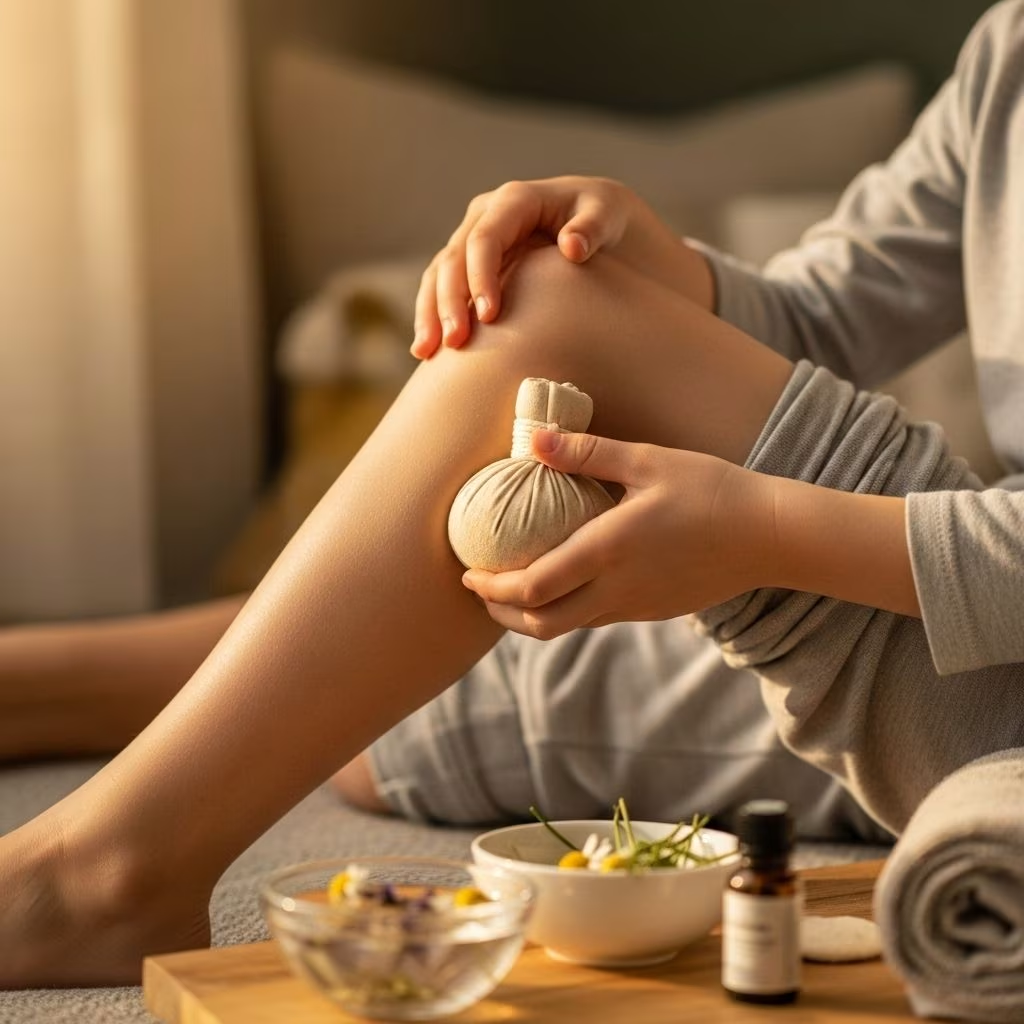
Natural Remedies for Growing Pains: Soothe Discomfort the Gentle Way
Growing pains—those deep, aching discomforts that often wake children in the night—are a common part of childhood development. While not linked to growth spurts, these pains can still cause distress for kids and worry for parents. Fortunately, a range of gentle, natural remedies can help ease this discomfort and support a restful night’s sleep for the whole family.
Understanding Growing Pains: What Are They?
Growing pains typically occur in the legs, particularly in the calves, shins, or behind the knees. The pains most often present in the evening or at night and may disturb otherwise healthy children. While the exact cause is unknown, factors such as increased physical activity, rapid bone growth, or temporary muscle fatigue are often suspected. Importantly, growing pains are benign and do not signal any underlying medical issue.
Signs and Symptoms of Growing Pains
- Deep aching or throbbing sensations, usually in the legs—especially the thighs, calves, or behind the knees
- Pain often appears in the evening or wakes the child at night
- Pain is typically bilateral (occurring in both legs)
- Symptoms resolve by morning and do not cause limping or persistent discomfort
- No signs of redness, swelling, or joint stiffness
Gentle, Natural Remedies to Relieve Growing Pains
Many parents wish to avoid or minimize the use of over-the-counter medications for mild, recurrent pain. The following natural strategies are supported by experience and research as safe, effective ways to bring your child comfort.
Stretching and Massage
Regular, gentle stretching of the leg muscles can keep muscles limber, help prevent tightness, and reduce the frequency and intensity of nighttime pains.
- Stretch the quadriceps (front thigh), hamstrings (back thigh), and calves daily—especially before bedtime.
- Incorporate stretches like toe touches, standing quad stretches, and hamstring bends.
- Massage sore areas with gentle, circular motions to soothe muscle tension and increase circulation.
Tip: Pair stretching with a gentle massage using coconut oil or a child-safe pain relief cream for added comfort.
Soothing Heat: Warm Baths and Heat Packs
Applying warmth helps relax muscles, increase blood flow, and reduce pain sensations.
- Warm baths: Soak your child in a tub with warm water—optionally add Epsom salts (magnesium sulfate) to boost relief. The warmth soothes muscles, and magnesium helps relax tight areas.
- Heating pads or warm compresses: Apply a low-heat pack (like a rice sock or microwavable pad) to the affected areas as the child drifts off to sleep. Be sure to remove the heating pad once your child is asleep to prevent burns.
For an extra calming effect, incorporate a few drops of lavender oil into the bath or attach to the heat pack cover.
Nutritional Support: Minerals and Building Blocks
Deficiencies in vitamins and minerals can sometimes contribute to muscle pain or cramps. Ensuring your child’s nutrition is robust can help build healthy bones and muscles while decreasing growing pains.
| Nutrient | How It Helps | Sources |
|---|---|---|
| Vitamin D | Supports calcium absorption and bone strength | Sun exposure, fortified milk, fatty fish, safe supplements |
| Magnesium | Promotes muscle relaxation and prevents cramps | Leafy greens, bananas, almonds, whole grains, Epsom salt baths, topical creams |
| Calcium | Vital for bone growth and strength | Dairy products, green vegetables, fortified plant milks, bone broth |
| Omega-3 Fatty Acids | Anti-inflammatory, supports healthy tissue repair | Fish oil, flaxseeds, walnuts |
A well-balanced diet, sometimes supported by supplements (with a pediatrician’s guidance), makes a significant difference in children prone to muscle discomfort.
Bone Broth and Collagen-Rich Foods
Bone broth is a nutrient-packed liquid made by simmering bones and connective tissue. It provides bioavailable minerals for bones and joints—plus gelatin and collagen, which support muscle and ligament health. Consider including homemade or high-quality store-bought bone broth in soups, stews, or as a warm drink for your child.
- Rich in calcium, magnesium, and trace minerals
- Gelatin supports gut health and nutrient absorption
- Delicious as a base for family meals
Herbal and Homeopathic Remedies
If you prefer plant-based approaches, several safe herbs can help calm muscle aches:
- Arnica: Widely used in topical salves to reduce pain and soothe sore muscles. Apply an arnica cream or homemade salve to the painful area before bedtime or after physical activity.
- Chamomile, Milky Oats, and Scullcap: Used traditionally as calming herbs, they can be found in gentle teas or herbal blends for children (consult a pediatric herbalist for formulas).
- Willow Bark: Provides natural pain relief.
- Turmeric (Curcumin): Well-known for its anti-inflammatory properties, it may help reduce muscle pain when incorporated into the diet or with child-safe supplements.
- Capsaicin: Present in some spicy peppers, capsaicin-based creams can offer mild topical relief, but should be used with caution and never near the eyes or broken skin.
Essential Oils and Aromatherapy
Many families find aromatherapy a gentle way to provide comfort during episodes of growing pains. Always use essential oils with care—diluted properly and in child-safe proportions.
- Lavender oil: Known for its relaxing and soothing properties.
- Panaway, Copaiba, or Peace & Calming blends: May be added (diluted) to a bath or massage oil for extra relief.
- Magnesium oil spray: Combines magnesium with the option of adding relaxing essential oils—spray on sore limbs for quick relief before bedtime.
For aromatherapy, diffuse calming essential oils in the child’s bedroom for a peaceful sleep environment.
Supporting Emotional Wellbeing: Positive Thinking
For some children, growing pains can be frightening or frustrating. Help your child understand that the discomfort is temporary and a normal part of getting bigger. A calm, reassuring approach can help reframe the experience as a sign of strength and growth, making the pain less intimidating and easier for your child to manage.
- Remind your child that the pains are temporary and will pass
- Celebrate milestones of growing up with your child
- Encourage gentle, positive language about their body’s changes
The Role of Chiropractic and Professional Support
If your child has frequent or particularly severe growing pains, consider consulting a provider for additional support:
- Chiropractic care: Some families find gentle adjustments and musculoskeletal balancing under the care of a pediatric-trained chiropractor to be helpful.
- Physical therapy: May be recommended for children with significant muscle imbalances or joint tightness.
- Always consult your healthcare provider for persistent pain, limping, swelling, or if you’re unsure whether the symptoms are due to growing pains or another condition.
Quick Tips for Immediate Relief
- Encourage your child to stretch and move gently before bed
- Apply a warm compress or have them soak in a warm bath
- Massage their legs with gentle pressure or a calming lotion
- Offer a bedtime snack rich in muscle-supporting minerals
- Establish a consistent bedtime routine to promote restful, restorative sleep
Frequently Asked Questions (FAQs) About Growing Pains
Q: Are growing pains a sign of something serious?
A: No. Growing pains are common and usually harmless. However, if your child experiences persistent pain, limp, swelling, or fever, consult your pediatrician to rule out other causes.
Q: What age do children typically experience growing pains?
A: Growing pains most often affect children between ages 3 and 12, though they can sometimes occur earlier or later.
Q: Should I use over-the-counter pain relievers for growing pains?
A: Occasional use of acetaminophen or ibuprofen is considered safe for most children, but many families prefer natural or non-medication options first. Speak with your child’s doctor before giving medications regularly.
Q: Are there any stretches particularly helpful for growing pains?
A: Yes. Focus on hamstring, quadriceps, and calf stretches. Yoga poses such as child’s pose or gentle forward bends are also helpful. Always stretch gently and stop if it causes discomfort.
Q: When should I seek medical advice?
A: Consult your healthcare provider if your child’s pain is accompanied by swelling, redness, unexplained fever, limping, or if it persists during the day. These may indicate a condition other than growing pains.
Final Words: Empowering Natural Comfort
Growing pains may be a regular part of childhood, but with a thoughtful, gentle approach, you can ease your child’s discomfort and nurture their wellbeing. Integrate stretching, muscle-soothing warmth, balanced nutrition, and emotional reassurance to help them rest easy and wake ready for another day of healthy development.
References
- https://wellnessmama.com/health/growing-pains/
- https://davischironc.com/end-your-childs-suffering-chiropractic-secrets-for-growing-pains/
- https://www.dranamaria.com/how-to-holistically-combat-growing-pains/
- https://www.mymlc.com/health-information/diseases-and-conditions/g/growing-pains/
- https://my.clevelandclinic.org/health/diseases/13019-growing-pains
- https://healthcare.utah.edu/the-scope/health-library/all/2021/12/how-treat-growing-pains
- https://www.wishgardenherbs.com/products/growing-pains-for-kids
- https://www.betterhealth.vic.gov.au/health/healthyliving/growing-pains


