


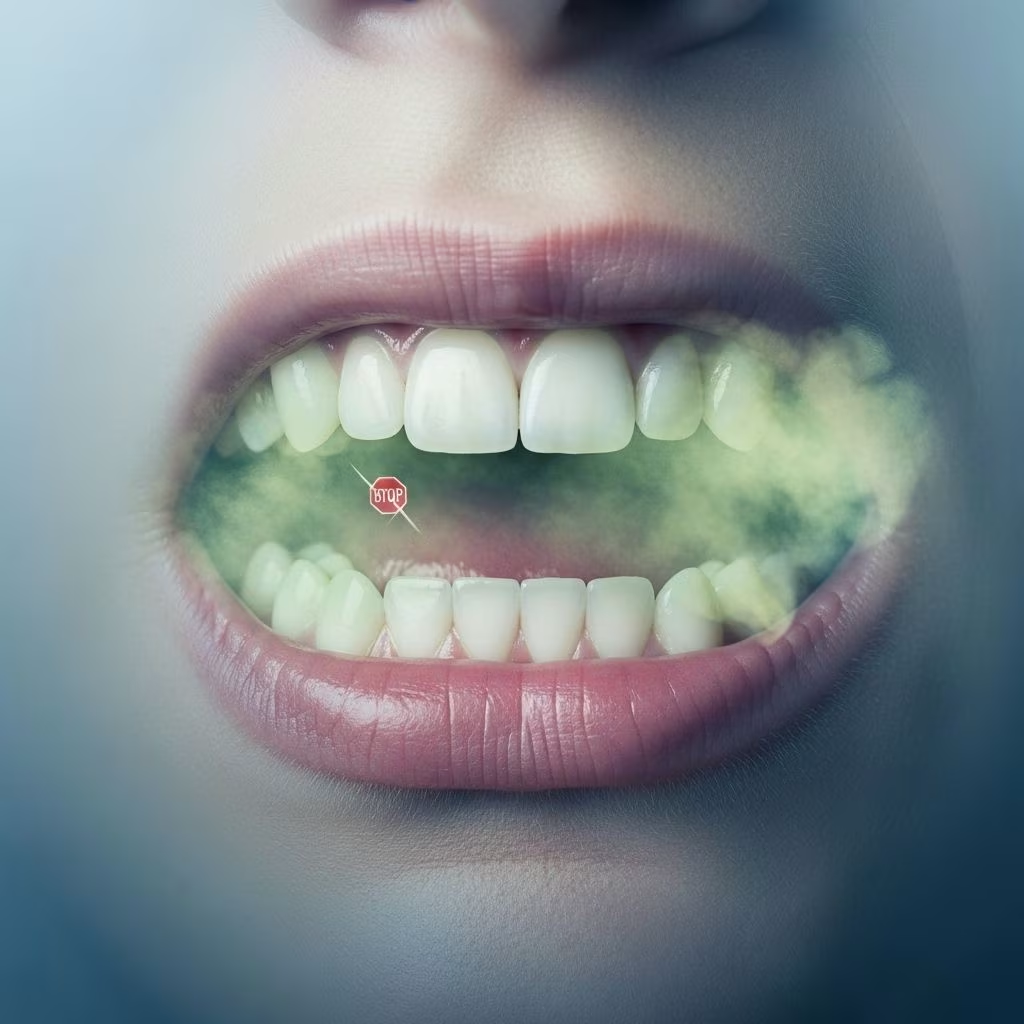
Bad Breath (Halitosis): Causes, Remedies, and Treatments
Bad breath, medically known as halitosis, is a common oral health concern that affects millions of people worldwide. It can be a source of embarrassment and anxiety, but understanding its causes and solutions can empower you to enjoy fresher breath and better oral health. This comprehensive guide covers what halitosis is, its primary causes, effective remedies, available treatments, prevention strategies, and answers to frequently asked questions.
What Is Bad Breath (Halitosis)?
Halitosis refers to persistent, unpleasant odors emanating from the mouth. Most cases originate from the mouth itself, but some less common causes are linked to other underlying health issues. Halitosis can range from mild to severe and is often temporary, though chronic bad breath may require medical or dental attention.
Main Causes of Bad Breath
Understanding what causes bad breath is critical to finding the right remedy or treatment. The most frequent contributors include:
- Poor Oral Hygiene: Inadequate brushing and flossing allow food particles to linger in the mouth, where bacteria break them down and produce volatile sulfur compounds (VSCs), leading to foul odors.
- Food and Drink Choices: Foods with strong odors (garlic, onions, spicy foods), as well as coffee and alcohol, can cause temporary bad breath as aroma compounds enter the bloodstream and reach the lungs.
- Dry Mouth (Xerostomia): Saliva is essential in washing away food particles and bacteria. Reduced saliva production results in dry mouth, promoting bacterial growth and foul smells.
- Tobacco Use: Smoking and other tobacco products contribute to bad breath and also increase the risk of gum disease.
- Dental Diseases: Gum disease (gingivitis, periodontitis), tooth decay, and oral infections are significant sources of persistent halitosis.
- Oral Appliances: Poorly cleaned dentures, braces, or other appliances can harbor bacteria and food particles, creating odors.
- Medical Conditions: Some illnesses, especially those affecting the respiratory tract (sinus infections, tonsillitis), digestive system (gastroesophageal reflux), diabetes, liver or kidney disorders, can cause extraoral bad breath.
- Other Factors: Fasting, crash diets, or low-carb diets promote ketone production, causing a distinctive breath odor.
Common Symptoms of Bad Breath
- Noticeable and persistent bad odor in breath
- Dry mouth sensation
- Bad taste, often metallic or sour
- White coating on the tongue (oral biofilm)
- Signs of gum disease such as redness, swelling, bleeding gums
How Does Bad Breath Develop?
Food particles left in the mouth — especially between teeth and along the gumline — provide a rich source for bacteria. As these bacteria break down debris, they produce sulfur compounds and other chemicals responsible for oral malodor. Key areas include:
- Tongue Surface: The rough surface can trap bacteria and dead cells.
- Gum Pockets: Gum disease causes pockets where bacteria accumulate.
- Crevices Around Teeth: Food debris hidden between teeth or beneath dental work.
Home Remedies and Solutions
Most cases of bad breath can be improved or prevented with consistent oral hygiene and some lifestyle changes:
Establish a Strong Oral Care Routine
- Brush your teeth at least twice daily with fluoride toothpaste.
- Floss daily to remove particles and plaque between teeth.
- Brush your tongue or use a tongue scraper: The tongue can collect bacteria responsible for odors.
- Use an antibacterial mouthwash: Mouth rinses containing chlorhexidine, zinc, cetylpyridinium chloride, or essential oils help reduce bacteria and neutralize odors.
- Replace your toothbrush every 3–4 months or sooner if bristles are frayed.
Hydration: Drink Plenty of Water
- Water rinses away food particles and bacteria, mitigates dry mouth, and supports saliva production.
- If brushing isn’t possible after a meal, rinse with water to help clear debris.
Mind Your Diet
- Avoid pungent foods: Minimize intake of garlic, onions, and spicy foods when concerned about breath odor.
- Eat crunchy fruits and vegetables: Apples, carrots, and celery help mechanically clear food debris from teeth.
- Herbs and green leafy vegetables can help refresh breath.
- Limit sugar-rich foods and drinks: Sugar feeds bacteria responsible for mouth odors.
Address Dry Mouth
- Avoid alcohol-based mouthwashes that can dry out oral tissues.
- Chewing sugar-free gum or lozenges stimulates saliva production.
- Consider using a humidifier overnight if you breathe through your mouth during sleep.
Lifestyle and Behavioral Changes
- Quit tobacco use: Smoking and chewing tobacco contribute to persistent bad breath and oral disease.
- Limit alcohol and coffee: Both can cause dry mouth and lingering odors.
- Maintain regular dental check-ups: Professional cleanings and early detection of issues are essential.
Professional Treatments for Chronic Halitosis
If home care doesn’t resolve bad breath, consult your dentist or healthcare provider for assessment and advanced solutions:
- Professional Dental Cleaning: Dental hygienists can reach areas not accessible at home, removing tartar and plaque buildup implicated in bad breath.
- Deep Cleaning (Scaling & Root Planing): For patients with gum disease, deep cleaning removes bacteria below the gumline.
- Tongue Cleaning: Professionally performed tongue scraping can eliminate bacterial biofilm sources.
- Evaluation for Oral Disease: Dentists inspect for cavities, gum disease, faulty restorations, and oral infections.
- Treatment of Associated Medical Conditions: If no oral causes are found, the provider may investigate non-oral sources — sinusitis, tonsillitis, GERD, or metabolic conditions.
Specialized Mouth Rinses and Products
| Active Ingredient | Function | Notes |
|---|---|---|
| Chlorhexidine | Powerful bactericidal, reduces VSCs | May stain teeth, short-term use recommended |
| Zinc | Neutralizes malodor chemicals | Often found with chlorhexidine or essential oils |
| Triclosan | Antibacterial, plaque control | Common in toothpaste |
| Essential Oils (e.g., tea tree oil) | Reduces oral malodor-causing bacteria | May be incorporated in mouthwash or toothpaste |
| Cetylpyridinium chloride | Reduces oral bacteria | Generally well-tolerated |
Prevention Tips for Fresher Breath
- Brush, floss, and rinse twice a day
- Use a tongue scraper daily
- Stay well hydrated
- Eat a balanced diet rich in fruits and vegetables
- Avoid strong-smelling foods when necessary
- Quit smoking and tobacco use
- Schedule regular dental checkups (at least twice a year)
When to See a Dentist or Doctor
Some cases of halitosis may not be resolved with routine care. Seek professional advice if you experience:
- Persistent bad breath not improved with proper oral hygiene
- Signs of gum disease: red, swollen, bleeding gums
- Painful or loose teeth
- Persistent dry mouth
- Unusual symptoms such as sores, white patches, or burning sensations
Your dentist may recommend diagnostic tests, special mouth rinses, or refer you to a medical provider if a non-oral cause is suspected.
Frequently Asked Questions (FAQs) About Bad Breath
Q: Can bad breath be a sign of a serious health condition?
A: Yes. While most cases are linked to oral hygiene, chronic halitosis may stem from medical conditions like sinus infections, diabetes, liver or kidney disease, or GERD. If regular oral care does not help, speak to your healthcare provider.
Q: Are mouthwashes effective for treating bad breath?
A: Mouthwashes can help, particularly those with antibacterial agents like chlorhexidine, zinc, or essential oils. However, they generally work best alongside regular brushing, flossing, and tongue cleaning.
Q: Is it normal to have bad breath in the morning?
A: Morning bad breath is common due to reduced saliva flow overnight, which allows bacteria to flourish. Brushing your teeth and tongue upon waking helps eliminate odor.
Q: Can diet changes improve bad breath?
A: Yes. Increasing your intake of fresh fruits and vegetables, limiting strong-smelling foods, reducing sugar, and drinking more water all support fresher breath.
Q: How do I check if I have bad breath?
A: You can discreetly test by licking your wrist, letting it dry, then smelling it; or by scraping your tongue with a spoon and sniffing it. Friends or family may also provide honest feedback.
Q: How frequently should I see my dentist to prevent bad breath?
A: At least twice a year for professional cleanings and oral health checks, or as often as recommended by your dentist based on your specific risks.
Key Takeaways for Lasting Fresh Breath
- Maintain rigorous oral hygiene — brush, floss, and rinse daily.
- Clean your tongue or use a tongue scraper to remove bacteria.
- Stay hydrated and stimulate saliva flow (chew sugar-free gum).
- Avoid tobacco and minimize strongly scented foods.
- Pursue regular professional dental care.
- Treat any underlying dental or health conditions affecting breath.
By following these guidelines and staying vigilant with oral hygiene, most cases of bad breath can be resolved or prevented. Remember, persistent halitosis may signal an underlying dental or health issue and warrants professional diagnosis and treatment.
References
- https://my.clevelandclinic.org/health/diseases/17771-bad-breath-halitosis
- https://www.mayoclinic.org/diseases-conditions/bad-breath/diagnosis-treatment/drc-20350925
- https://penndentalmedicine.org/blog/dental-halitosis-treatment/
- https://www.listerine.com/bad-breath/bad-breath-remedies
- https://www.health.harvard.edu/staying-healthy/halitosis-common-causes-effective-treatments-and-powerful-prevention-for-bad-breath
- https://powellfamilydentalwy.com/services/halitosis-bad-breath-treatment/
- https://www.ncbi.nlm.nih.gov/books/NBK534859/
- https://www.mayoclinic.org/diseases-conditions/bad-breath/symptoms-causes/syc-20350922
- https://www.healthline.com/health/home-remedies-for-bad-breath


