


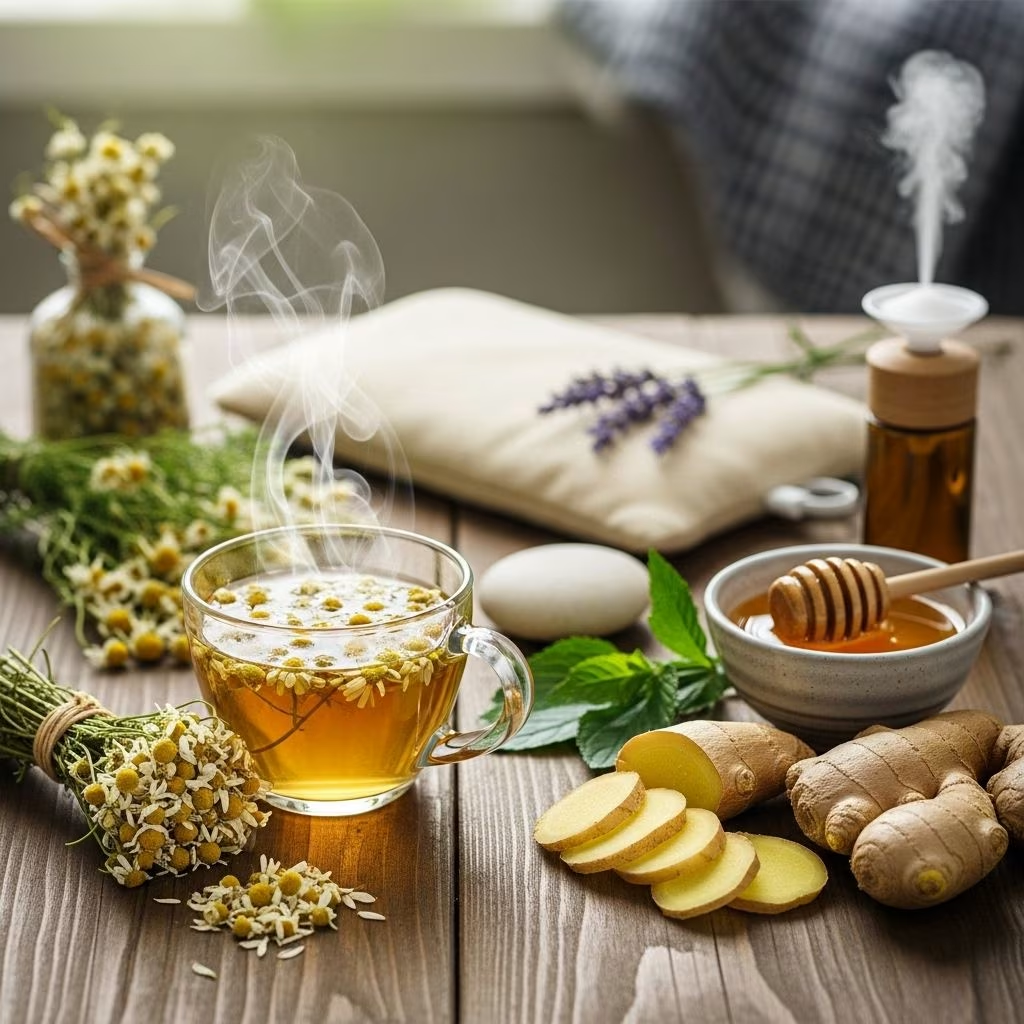
Menstrual cramps affect up to 90% of women during their reproductive years, causing significant discomfort that can interfere with daily activities. While over-the-counter medications offer relief, many women seek natural alternatives to manage period pain. This comprehensive guide explores evidence-based natural remedies that can help alleviate menstrual cramps and improve your quality of life during your period.
Understanding Menstrual Pain and Its Causes
Period pain, medically known as dysmenorrhea, occurs when the uterus contracts to shed its lining. These contractions are triggered by prostaglandins, hormone-like substances that cause inflammation and pain. Higher levels of prostaglandins are associated with more severe menstrual cramps. Understanding this mechanism is crucial because many natural remedies work by reducing prostaglandin production or helping muscles relax.
The intensity of menstrual pain varies significantly among women. Some experience mild discomfort, while others deal with debilitating cramps that affect their ability to work, study, or engage in daily activities. Factors like stress, poor diet, lack of exercise, and underlying conditions such as endometriosis can worsen period pain. Fortunately, natural remedies can address many of these contributing factors while providing relief.
Heat Therapy for Immediate Relief
Applying heat to your abdomen and lower back stands as one of the most effective natural remedies for period pain. Heat therapy works by relaxing the uterine muscles and increasing blood flow to the affected area, which helps reduce cramping. Research has shown that heat therapy can be as effective as nonsteroidal anti-inflammatory drugs (NSAIDs) for treating menstrual pain, with the added benefit of causing fewer side effects.
You have several options for applying heat therapy. A heating pad or hot water bottle placed on your lower abdomen provides targeted relief. If you don’t have these items readily available, a warm bath can offer full-body relaxation while easing cramps. You can also create your own heating pad by filling a clean sock with uncooked rice, tying it closed, and microwaving it for about two minutes. Always test the temperature before applying it to your skin to avoid burns.
For optimal results, apply heat for 15 to 20 minutes at a time, repeating as needed throughout the day. Many women find that combining heat therapy with other natural remedies enhances the overall pain-relieving effect. The warmth not only soothes physical discomfort but also provides psychological comfort during a challenging time.
Powerful Herbal Remedies for Menstrual Cramps
Herbal remedies have been used for centuries to manage menstrual pain, and modern research supports many of these traditional practices. These herbs contain anti-inflammatory and antispasmodic compounds that can reduce muscle contractions and swelling associated with period pain.
Ginger: Nature’s Anti-Inflammatory
Ginger stands out as one of the most effective herbal remedies for period pain. Studies have found that taking 250 mg of ginger powder four times daily for three days can significantly reduce menstrual pain, proving as effective as ibuprofen. You can consume ginger by grating fresh ginger root into hot water to make tea, adding it to smoothies, or taking ginger supplements. The anti-inflammatory properties of ginger help lower prostaglandin levels, directly addressing one of the root causes of menstrual cramps.
Chamomile Tea for Muscle Relaxation
Chamomile tea increases urinary levels of glycine, an amino acid that helps relieve muscle spasms and acts as a nerve relaxant. For best results, drink two cups of chamomile tea daily starting a week before your period. The benefits become more pronounced when you maintain this practice consistently over several menstrual cycles. Beyond pain relief, chamomile tea promotes relaxation and can help with the sleep disturbances that often accompany menstruation.
Cinnamon for Comprehensive Relief
Cinnamon offers multiple benefits for period pain management. Taking 840 mg of cinnamon capsules three times daily during the first three days of your period can reduce bleeding, pain, nausea, and vomiting. You can also add cinnamon to your diet by sprinkling it on oatmeal, adding it to smoothies, or drinking cinnamon tea. This warming spice helps improve circulation and has natural anti-inflammatory properties.
Fennel Seeds for Quick Relief
Fennel seeds have shown promising results in clinical studies. Taking 30 mg of fennel extract four times daily for three days starting when your period begins can provide significant relief. Young women in particular have reported feeling substantial improvement in pain levels when using fennel extract compared to placebo.
Additional Beneficial Herbs
Chasteberry (Vitex agnus-castus) helps regulate the menstrual cycle and relieves multiple PMS symptoms including irritability, mood changes, headaches, and breast discomfort. A daily dose of 20 mg of chasteberry extract can make a noticeable difference over time.
Dill has been found to be as effective as mefenamic acid, an over-the-counter drug for menstrual pain. Taking 1,000 mg of dill for five days, starting two days before your cycle, can provide substantial relief.
French maritime pine bark extract (Pycnogenol) at 60 mg daily during your cycle helps with moderate menstrual pain, with benefits increasing over time and continuing even after you stop taking it.
Nutritional Strategies for Period Pain Management
What you eat significantly impacts the severity of menstrual cramps. Certain nutrients and foods can help reduce inflammation, balance hormones, and ease pain naturally.
Magnesium-Rich Foods
Magnesium plays a crucial role in muscle relaxation and can help reduce the intensity of uterine contractions. Incorporating magnesium-rich foods into your diet, especially in the days leading up to your period, can make a noticeable difference. Excellent sources of magnesium include pumpkin seeds, chia seeds, almonds, cashews, peanut butter, spinach, and black beans. These foods not only help with cramps but also provide sustained energy and support overall health.
Omega-3 Fatty Acids for Anti-Inflammatory Action
Omega-3 fatty acids help reduce menstrual cramps by lowering prostaglandin levels, the compounds responsible for triggering uterine contractions. Women who consume omega-3 fatty acids daily typically begin experiencing less painful periods within approximately three months, often reducing their need for over-the-counter painkillers. Include wild Atlantic salmon, sardines, mackerel, herring, trout, and fish oil in your diet. For vegetarian options, consider flaxseed oil, chia seeds, and walnuts.
Fiber for Hormone Balance
Fiber helps balance estrogen levels and decrease inflammation by lowering prostaglandin levels. It also promotes gut health and helps regulate blood sugar levels, which can affect hormone balance. Excellent fiber sources include lima beans, lentils, pinto beans, raspberries, blackberries, strawberries, prunes, oranges, artichokes, avocados, cauliflower, leafy greens, and red cabbage. Aim to incorporate a variety of these foods throughout your cycle for optimal benefits.
Anti-Inflammatory Foods
Building your diet around anti-inflammatory foods can help reduce the overall inflammation that contributes to menstrual pain. Focus on colorful fruits and vegetables, whole grains, nuts, seeds, and healthy fats. Berries, tomatoes, olive oil, and leafy greens are particularly beneficial. These foods provide antioxidants that combat oxidative stress and support your body’s natural healing processes.
The Critical Role of Hydration
Drinking adequate water may seem like simple advice, but proper hydration can significantly reduce the intensity of period cramps. Water helps reduce bloating, which is caused by water retention and can make menstrual cramps worse. Paradoxically, drinking more water actually helps your body release retained water, reducing that uncomfortable swollen feeling.
Research has found that increasing water intake can significantly reduce the intensity of period cramps and decrease the need for painkillers. Women over 19 should aim for at least nine cups or 72 ounces of water daily, with increased intake recommended during menstruation. Drinking hot water provides additional benefits by increasing blood flow throughout your body and relaxing muscles, further lessening cramps caused by uterine contractions.
If plain water feels boring, try infusing it with lemon, cucumber, or mint. Herbal teas count toward your daily fluid intake and provide additional therapeutic benefits. Avoid excessive caffeine and alcohol, as these can contribute to dehydration and potentially worsen cramps.
Beneficial Herbal Teas Beyond Pain Relief
Various herbal teas offer targeted benefits for different period symptoms. Understanding which teas address specific concerns helps you create a personalized relief strategy.
For bloating relief: Cinnamon, lemon, dandelion, and hibiscus teas have natural diuretic properties that help reduce water retention and bloating. These teas support kidney function and help your body eliminate excess fluids naturally.
For cramp relief: Raspberry leaf, chamomile, thyme, and oolong teas contain compounds that help relax uterine muscles and reduce spasms. Raspberry leaf tea in particular has a long history of use for menstrual health and is considered safe for regular consumption.
For dual benefits: Ginger, peppermint, and green teas help with both bloating and cramps while providing additional benefits like stress relief and improved digestion. These versatile teas make excellent additions to your daily routine throughout your cycle.
Lifestyle Modifications for Long-Term Relief
Exercise and Movement
While exercise might be the last thing you feel like doing when experiencing cramps, gentle physical activity can actually provide significant relief. Exercise releases endorphins, your body’s natural painkillers, and helps improve blood circulation. Light activities like walking, swimming, or gentle yoga are particularly beneficial. Even 20 to 30 minutes of moderate exercise can make a noticeable difference in pain levels.
Yoga and Stretching
Yoga has been used for thousands of years as a holistic approach to health and wellbeing. Specific yoga poses can help relieve menstrual cramps by stretching and relaxing the pelvic muscles. Poses like child’s pose, cat-cow, and supine twist are particularly beneficial for period pain. Regular yoga practice may also help reduce the severity of PMS symptoms over time.
Stress Reduction and Relaxation
Stress can exacerbate menstrual pain by increasing muscle tension and inflammation. Regular relaxation practices such as meditation, deep breathing exercises, or mindfulness can help reduce severe PMS symptoms. Taking time each day to relax and de-stress, especially during your period, supports your body’s natural healing processes and may reduce pain perception.
Adequate Sleep
Quality sleep is essential for managing period pain. Your body repairs and regenerates during sleep, and lack of rest can increase pain sensitivity and worsen PMS symptoms. Aim for seven to nine hours of quality sleep per night, and consider going to bed slightly earlier during your period when your body needs extra rest.
Essential Oils and Aromatherapy
Essential oils offer another natural approach to managing period pain through topical application and aromatherapy. Lavender oil promotes relaxation and may help reduce pain perception. Clary sage oil is traditionally used for menstrual discomfort and can help balance hormones. Peppermint oil has cooling and anti-inflammatory properties that can ease cramping when diluted and massaged onto the abdomen.
Always dilute essential oils with a carrier oil such as coconut or jojoba oil before applying them to skin. A general guideline is to use 3-5 drops of essential oil per tablespoon of carrier oil. You can also add a few drops to a warm bath or use a diffuser to enjoy the aromatherapy benefits.
When to Seek Medical Advice
While natural remedies can effectively manage mild to moderate period pain, some situations require professional medical attention. Consult your healthcare provider if you experience severe pain that interferes with daily activities, pain that worsens over time, heavy bleeding that soaks through pads or tampons every hour, or pain accompanied by fever, unusual discharge, or other concerning symptoms.
These could indicate underlying conditions such as endometriosis, fibroids, or pelvic inflammatory disease that require medical treatment. Your doctor can help rule out serious conditions and may recommend additional treatment options if natural remedies alone aren’t providing adequate relief.
Creating Your Personal Relief Plan
The most effective approach to managing period pain often involves combining multiple natural remedies. Start by keeping a journal to track your symptoms, which remedies you try, and how effective they are. This information helps you identify patterns and determine which strategies work best for your body.
Begin implementing dietary changes and herbal supplements a week before your expected period. Have your heating pad ready and stock up on herbal teas. Plan for lighter activities during the first few days of your period when symptoms are typically most severe. Remember that consistency is key—many natural remedies become more effective with regular use over several cycles.
Frequently Asked Questions
Q: How quickly do natural remedies work for period pain?
A: Some natural remedies like heat therapy and certain herbal teas provide relief within 15 to 30 minutes. However, others such as omega-3 fatty acids and magnesium supplements may take several weeks or months of consistent use to show significant benefits. The key is to start using these remedies regularly rather than waiting until you’re already in pain.
Q: Can I use multiple natural remedies at the same time?
A: Yes, combining different natural remedies often provides better results than using just one approach. For example, you might drink ginger tea while using a heating pad and taking magnesium supplements. However, if you’re considering multiple herbal supplements, consult with a healthcare provider to ensure they don’t interact with each other or any medications you’re taking.
Q: Are natural remedies safe for everyone?
A: While most natural remedies are generally safe, some herbs and supplements may interact with medications or aren’t recommended during pregnancy or for certain health conditions. Always check with your doctor before starting new herbal supplements, especially if you’re taking prescription medications, have underlying health conditions, or are pregnant or breastfeeding.
Q: How much water should I drink to help with period cramps?
A: Women over 19 should aim for at least nine cups or 72 ounces of water daily, with potentially increased intake during menstruation. Drinking hot water can provide additional benefits by promoting blood flow and muscle relaxation. Spread your water intake throughout the day rather than drinking large amounts at once for optimal hydration.
Q: What foods should I avoid during my period?
A: Limit or avoid foods that can worsen inflammation and cramps, including excessive caffeine, alcohol, processed foods high in sugar and salt, fried foods, and red meat. These foods can increase prostaglandin production and contribute to bloating and inflammation. Focus instead on anti-inflammatory whole foods, fruits, vegetables, and healthy fats.
Q: How long should I try natural remedies before seeing results?
A: Immediate relief methods like heat therapy and certain teas may work within minutes to hours. Dietary changes and supplements typically require one to three menstrual cycles to show significant improvement. Lifestyle modifications such as regular exercise and stress reduction may take even longer but often provide the most sustainable long-term benefits. Be patient and consistent with your chosen remedies.
Q: Can natural remedies completely eliminate period pain?
A: For many women with mild to moderate menstrual cramps, natural remedies can significantly reduce or even eliminate pain. However, if you have severe pain or underlying conditions like endometriosis, natural remedies may provide partial relief but might not eliminate pain completely. In such cases, combining natural approaches with medical treatment often yields the best results.
References
- https://www.healthline.com/health/womens-health/menstrual-cramp-remedies
- https://www.healthpartners.com/blog/13-ways-to-stop-period-pain/
- https://www.thewomens.org.au/health-information/periods/healthy-periods/complementary-and-alternative-therapies
- https://sesamecare.com/blog/period-cramp-relief-foods
- https://www.motrin.com/adults/period/period-pain-relief
- https://www.medicalnewstoday.com/articles/324484
- https://www.mayoclinic.org/diseases-conditions/menstrual-cramps/diagnosis-treatment/drc-20374944


