


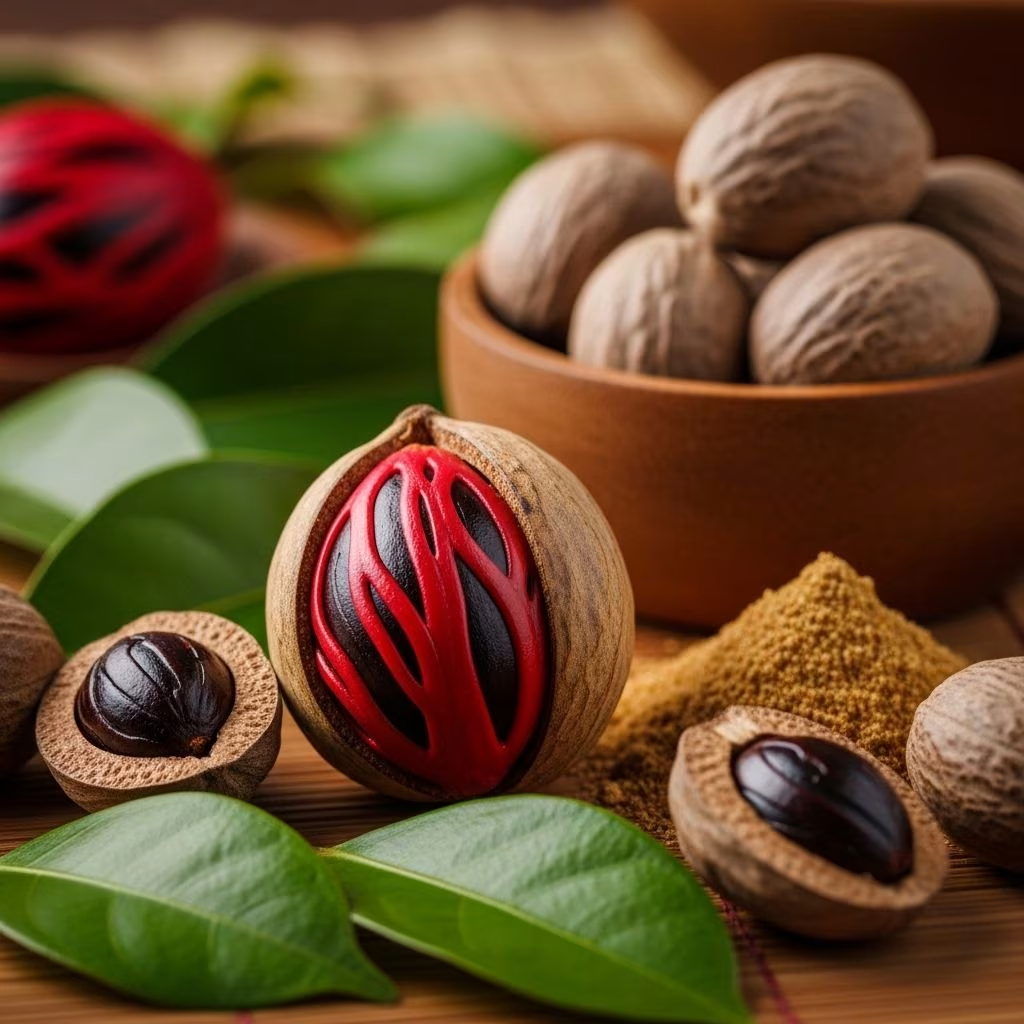
Introduction to Indonesian Nutmeg
Indonesian nutmeg, renowned for its warm, sweet, and slightly bitter flavor, is an integral part of Southeast Asian cuisine, particularly in Indonesia. Native to the Banda Islands, nutmeg is not only a staple in local cooking but also plays a significant role in the country’s economy and cultural heritage. This article delves into the flavor profile, health benefits, culinary uses, and cultural significance of Indonesian nutmeg.
Flavor Profile of Indonesian Nutmeg
Nutmeg is characterized by its warm, slightly sweet, and slightly bitter taste, making it versatile for both sweet and savory dishes. In Indonesian cuisine, nutmeg is often used in spice blends such as curry powder and is a common ingredient in dishes like nasi goreng (fried rice) and sambal (spicy condiment) .
Health Benefits of Indonesian Nutmeg
Nutmeg has been used in traditional medicine for centuries due to its anti-inflammatory, analgesic, and anti-anxiety properties. It is sometimes used to treat digestive issues, insomnia, and other health conditions. However, it’s crucial to use nutmeg in moderation because excessive consumption can lead to toxicity and side effects like hallucinations and rapid heart rate .
Culinary Uses of Indonesian Nutmeg
In Indonesian cuisine, nutmeg is used in a variety of dishes:
- Nasi Goreng: Indonesian fried rice, often seasoned with nutmeg for added depth of flavor.
- Sambal: A spicy condiment made from chili peppers, where nutmeg enhances the flavor.
- Soups and Stews: Nutmeg is added to soups like *soto* and *konro* (oxtail soup) for its aromatic flavor.
- Beef Dishes: Used in the preparation of beef stew (*semur*) and other European-derived dishes like *bistik* (beef steak).
Cultural Significance and Economic Impact
Nutmeg production and export are vital to the Indonesian economy, particularly in the Banda Islands. The spice has been a significant source of income for local farmers and communities for centuries, contributing to the country’s rich cultural heritage .
Preparation of Nutmeg Manisan
Manisan refers to candied or preserved fruits, a common practice in Indonesian culinary traditions. Nutmeg manisan, made by candying the flesh of the nutmeg fruit, is a popular treat in the Banda Islands:
- Ingredients: Fresh nutmeg fruit, sugar, water, salt, and optional lime juice or citric acid.
- Instructions:
- Peel and slice the nutmeg fruit, then blanch it in salted water for 10 minutes.
- Create a syrup by dissolving equal parts sugar and water, then add the blanched slices and simmer for 30–40 minutes.
- Optionally add lime juice or citric acid for a balanced flavor.
- Air-dry or bake the candied nutmeg for a chewy texture.
Other Uses of Nutmeg
Beyond culinary uses, nutmeg essential oil is valuable in the perfumery and pharmaceutical industries. It is used as a natural food flavoring and in products like toothpaste and cough syrups .
Frequently Asked Questions
Q: What is the typical flavor profile of Indonesian nutmeg?
A: Indonesian nutmeg has a warm, slightly sweet, and slightly bitter flavor.
Q: How is nutmeg used in traditional medicine?
A: Nutmeg is used for its anti-inflammatory, analgesic, and anti-anxiety properties, though it should be consumed in moderation.
Q: What is manisan, and how is nutmeg used in it?
A: Manisan is a preserved fruit dessert where the nutmeg fruit is candied in sugar syrup, creating a sweet and tangy treat.
Q: What role does nutmeg play in the Indonesian economy?
A: Nutmeg is a significant contributor to Indonesia’s economy, particularly through exports and local employment in areas like the Banda Islands.
Conclusion
Indonesian nutmeg is a staple spice that not only adds depth to dishes but also holds cultural and economic significance. Its unique flavor profile makes it a versatile ingredient, while its health benefits and traditional uses further enhance its importance. As a key component of Indonesian cuisine and culture, nutmeg continues to play a vital role in shaping the country’s culinary identity.
References
- https://agriospice.com/the-ultimate-guide-to-indonesian-nutmeg-flavor-benefits-and-beyond/
- https://en.wikipedia.org/wiki/Nutmeg
- https://oracleyacht.com/discovering-nutmeg-from-the-banda-islands-and-how-to-make-delicious-nutmeg-manisan/
- https://sarahmcdermottbrown.substack.com/p/nutmeg-the-history-of-the-spice-and
- https://www.slofoodgroup.com/blogs/recipes-stories/5-unexpected-uses-for-nutmeg
- https://www.ptmitraayu.com/single-post/the-culinary-magic-of-nutmeg-and-mace-in-global-cuisine


