


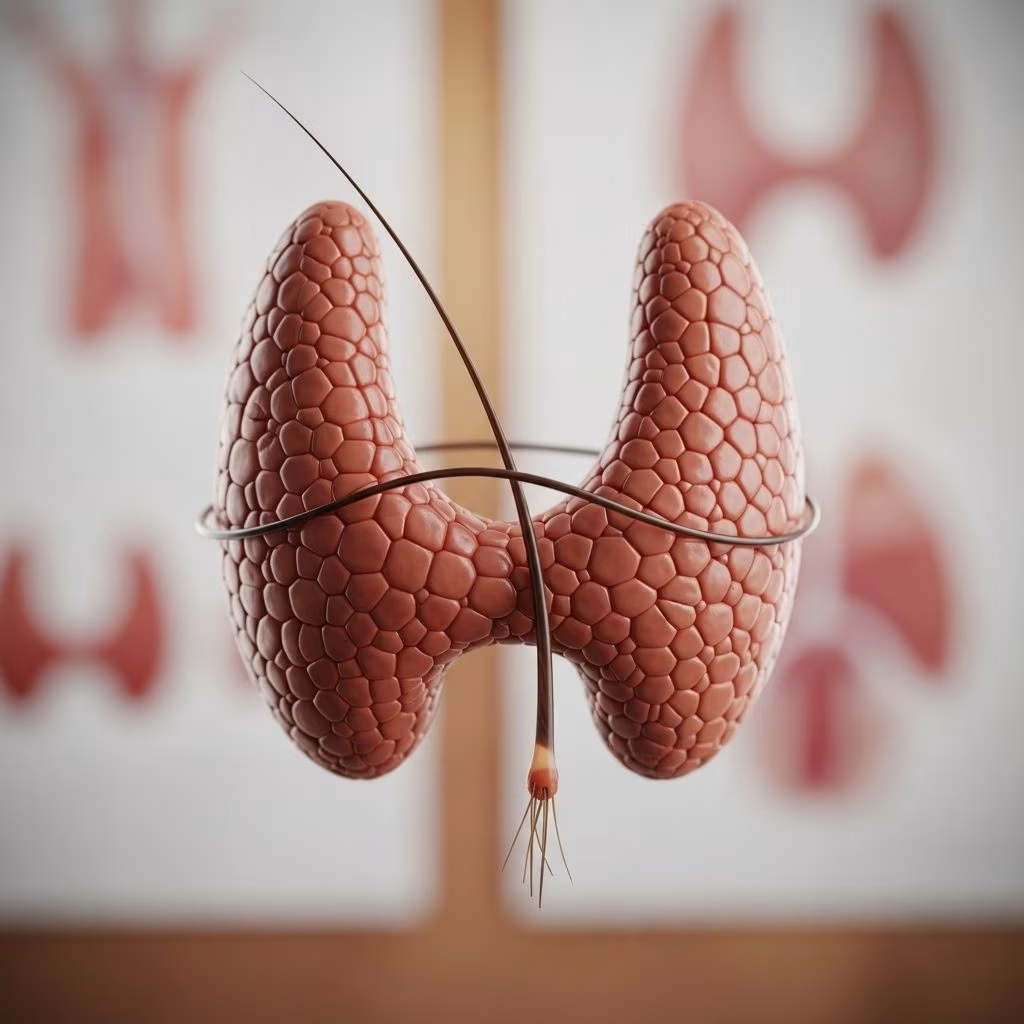
Introduction to Thyroid and Hair Loss
Hair loss is a common symptom associated with thyroid disorders, indicating a potential hormonal imbalance affecting the body’s normal processes. Both hypothyroidism (underactive thyroid) and hyperthyroidism (overactive thyroid) can cause hair loss due to disruptions in the hair growth cycle.
Understanding Thyroid Disorders
Thyroid conditions occur when the thyroid gland fails to produce the right amount of hormones, such as T3 and T4, which are crucial for various bodily functions, including hair growth. Hypothyroidism is characterized by insufficient hormone production, while hyperthyroidism involves excessive hormone production.
How Thyroid Disorders Cause Hair Loss
The normal hair growth cycle involves several phases: anagen (growth phase), catagen (transitional phase), and telogen (resting phase). Thyroid hormones play a role in regulating these phases, affecting how hair grows and falls out. Disruptions in hormone levels can lead to an imbalance in the cycle, resulting in hair loss.
Hypothyroidism and Hair Loss
Hypothyroidism can cause hair to become dry, brittle, and prone to breaking. It may also lead to loss of the outer eyebrow. In some cases, diffuse alopecia or patchy hair loss can occur, similar to alopecia areata, an autoimmune condition that may be linked to thyroid issues.
Hyperthyroidism and Hair Loss
Hyperthyroidism can also cause hair loss, often leading to a condition known as non-scarring alopecia. The hair may appear fine and silky due to the increased metabolic rate caused by excess thyroid hormones.
Treatment for Thyroid-Related Hair Loss
Treating the underlying thyroid condition is crucial for addressing hair loss. Medications for hypothyroidism typically involve synthetic thyroid hormones, while those for hyperthyroidism aim to reduce thyroid hormone production. Additionally, topical treatments like minoxidil and low-level laser therapy can be used to stimulate hair regrowth.
Home Remedies for Promoting Hair Health
- Nutritional Support: Eating a balanced diet rich in omega-3 fatty acids, vitamins A and C, protein, biotin, and calcium can help promote hair growth.
- Gentle Hair Care: Use gentle shampoos and conditioners. Avoid heat styling tools and frequent hair dyeing.
- Supplements: Biotin supplements may help strengthen hair. Consult with a doctor before using any supplements.
Supportive Care Practices for Hair Regrowth
Besides medical treatments, adopting supportive care practices can help nurture hair regrowth. These include using gentle hair products, avoiding heat tools, and considering scalp massages to improve blood circulation.
Frequently Asked Questions (FAQs)
Q: How long does it take for hair to regrow after thyroid treatment?
A: Hair regrowth typically begins within 6 to 12 months after starting thyroid treatment, but it may take longer for significant improvements to be noticeable.
Q: Can thyroid medications cause hair loss?
A: Yes, certain thyroid medications can contribute to hair thinning, but this effect is generally temporary and improves once the condition is managed.
Q: What foods can help promote hair growth?
A: Foods rich in protein, biotin, omega-3 fatty acids, and vitamins A and C are beneficial for hair health. Examples include fish, nuts, spinach, and dairy products.
References
- https://www.btf-thyroid.org/hair-loss-and-thyroid-disorders
- https://my.clevelandclinic.org/health/diseases/8541-thyroid-disease
- https://www.healthline.com/health/thyroid-and-hair-loss
- https://pmc.ncbi.nlm.nih.gov/articles/PMC10492440/
- https://www.aad.org/public/diseases/a-z/thyroid-disease-skin-changes
- https://www.medicalnewstoday.com/articles/326902
- https://my.clevelandclinic.org/health/diseases/12120-hypothyroidism
- https://www.uclahealth.org/news/article/ask-the-doctors-what-could-be-causing-my-hair-loss
- https://www.mayoclinic.org/diseases-conditions/hypothyroidism/symptoms-causes/syc-20350284
- https://www.theindependentpharmacy.co.uk/hair-loss/guides/how-to-spot-and-treat-thyroid-related-hair-loss


