


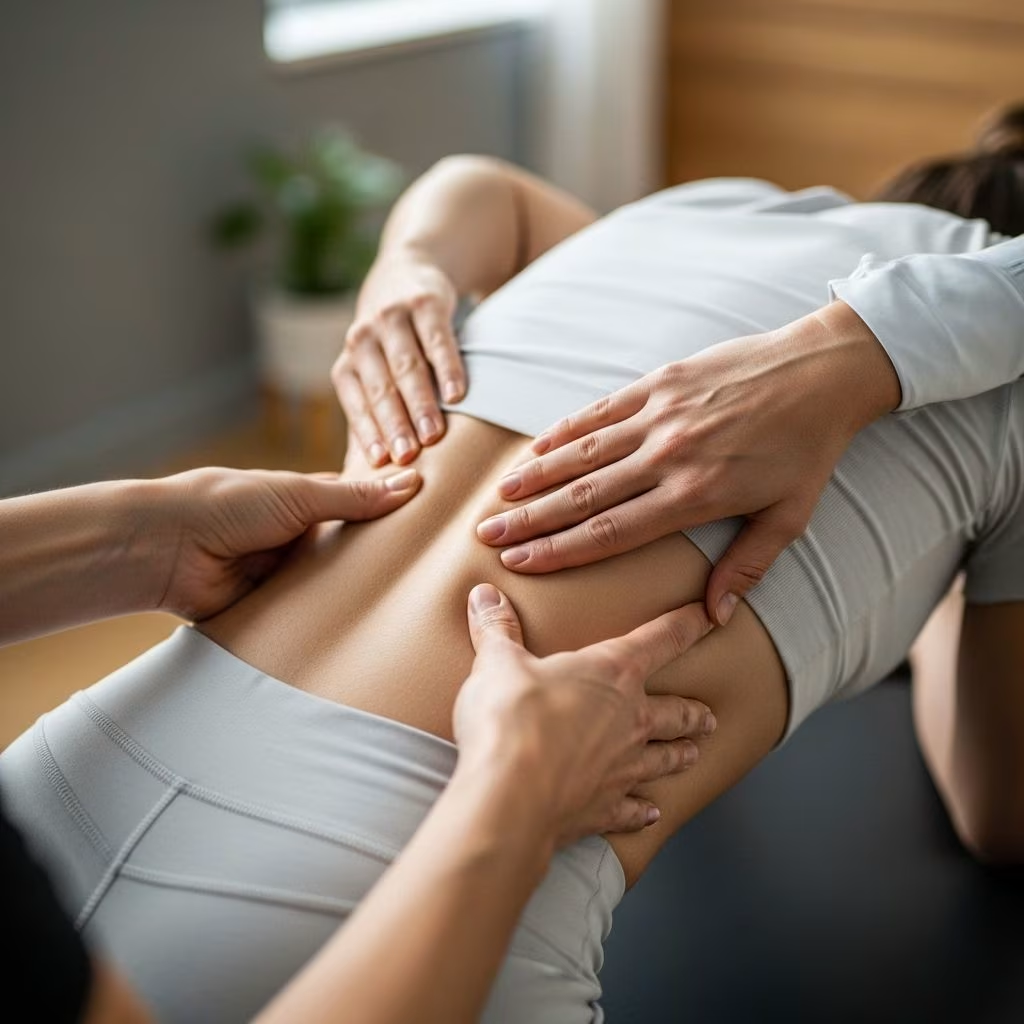
Back pain can disrupt your daily routines and diminish your overall quality of life. Whether triggered by a minor injury, muscle strain, poor posture, or chronic condition, this discomfort can be severe and persistent. Fortunately, several proven techniques can help alleviate symptoms quickly—many of which can be practiced at home. This comprehensive guide explores six practical strategies to relieve back pain fast, backed by expert recommendations and scientific research.
Understanding Back Pain: Causes and When to Take Action
Back pain is one of the most common health complaints globally, impacting people of all ages. Typical causes include:
- Muscle or ligament strain due to heavy lifting or awkward movements
- Poor posture during work or daily activities
- Herniated discs or degenerative spinal issues
- Arthritis or osteoporosis
- Prolonged inactivity or muscle weakness
While most back pain is not a sign of something serious and improves with conservative treatment, some red flags require prompt medical assessment:
- Intense, unrelenting pain
- Pain radiating down the legs or associated with numbness
- Loss of bowel or bladder control
- History of trauma, cancer, or immune disorders
If any of these symptoms occur, seek medical attention immediately.
1. Keep Moving: Gentle Activity for Speedy Recovery
Contrary to old advice recommending bed rest, most experts now endorse gentle movement as one of the fastest ways to recover from back pain. Prolonged inactivity can actually exacerbate stiffness and prolong discomfort. Instead, incorporate light physical activity as tolerated, such as:
- Short walks: Start with a five- to ten-minute walk, gradually increasing duration
- Stretching routines: Focus on mobility and flexibility
- Low-impact activities: Consider swimming, cycling, or water aerobics for minimal joint stress
Listen to your body and avoid high-impact or twisting exercises until your back feels better. Consistent gentle activity can:
- Reduce stiffness
- Promote healing and blood flow
- Maintain muscle strength and flexibility
- Prevent future episodes of pain
2. Apply Heat or Cold Packs for Immediate Relief
One of the simplest, most effective self-care remedies for acute back pain is the strategic application of heat or cold therapy. The choice between heat and cold depends on the stage of injury and individual response:
- Cold packs: Best used within 24-48 hours of new injury or strain to reduce inflammation and numb sharp pain. Wrap ice or frozen gel packs in a towel and apply for 10-20 minutes several times daily.
- Heat therapy: Ideal for chronic or persistent pain and muscle tension. Use a heating pad, warm towel, or hot water bottle for 15-20 minutes to relax muscles and improve blood flow.
Alternating between hot and cold can also be effective. Always protect your skin with a barrier, and avoid extreme temperatures to prevent burns or frostbite.
3. Maintain Good Posture and Ergonomic Habits
Poor posture is a frequent cause of ongoing back discomfort, especially for people who sit at desks or drive for extended periods. Adopting ergonomic strategies can help reduce strain and prevent future pain:
- Keep your feet flat on the floor and knees at hip level while sitting
- Use an adjustable chair with proper lumbar support
- Avoid slouching or leaning forward for extended times
- Take standing or walking breaks at least every 30 minutes
- When lifting, bend at your knees (not your waist) and keep objects close to your body
Practice mindful posture in all daily activities. Even small changes—like repositioning your monitor to eye level or supporting your lower back with a cushion—can make a significant difference.
4. Try at-Home Remedies and Over-the-Counter Support
For moderate back pain, several over-the-counter (OTC) treatments and simple home remedies can provide rapid relief:
- Pain relievers: Nonsteroidal anti-inflammatory drugs (NSAIDs) like ibuprofen or naproxen, and acetaminophen can help reduce pain and inflammation for short-term use.
- Topical creams: Gels and creams with menthol, capsaicin, or arnica may offer fast-acting, localized pain relief when massaged into sore areas.
- Soft tissue massage: Gently massaging affected muscles can ease spasms, improve circulation, and facilitate relaxation.
- Supportive footwear: Shoes with adequate arch support can minimize postural stress for people who stand or walk often.
If using a new medication or supplement, check with your health provider to ensure safety—especially if you have chronic health conditions or take regular prescriptions.
Simple Stretches for Quick Back Relief
Flexible muscles support spinal alignment and reduce the risk of spasm. Incorporate these basic stretches into your daily routine:
- Touching the toes: Relieves lower back and hamstring tightness
- Cobra pose: Stretches the front of the spine and abdominal muscles
- Cat-Cow pose: Promotes spinal mobility
- Child’s pose: Gently releases tension in the back and hips
Hold each stretch for 20-30 seconds, repeating as needed. Avoid any stretches that aggravate pain.
5. Incorporate Mind-Body Therapies and Gentle Exercises
Emerging evidence supports the role of mind-body practices in both relieving and preventing back pain, especially when stress and tension are contributing factors. Consider integrating:
- Yoga: Improves flexibility, strengthens core muscles, and fosters relaxation. A variety of poses can be tailored to mobility and fitness level.
- Tai chi: Combines gentle, flowing movements with deep breathing to reduce pain and enhance function.
- Pilates: Focuses on core muscle strength, postural alignment, and controlled breathing.
- Progressive muscle relaxation: Systematically tenses and then relaxes muscle groups to lower stress and release tension.
Medical reviews indicate that these practices can be especially effective for chronic low back pain. Sessions can be done at home using online guidance, but beginners may benefit from professional instruction.
Table: Mind-Body Exercises and Their Benefits for Back Pain
| Exercise | Main Benefits | Recommended For |
|---|---|---|
| Yoga | Flexibility, core stability, stress reduction | Acute & chronic back pain |
| Tai Chi | Balance, gentle strengthening, pain relief | Chronic back pain, older adults |
| Pilates | Posture, core strength, movement control | Chronic & preventative care |
| Progressive Relaxation | Reduces tension, improves sleep | Stress-induced or chronic back pain |
6. Seek Professional and Complementary Health Approaches
When self-care measures do not sufficiently control pain, or if back issues become recurrent, consider consulting with medical and complementary health experts. Professional treatments may include:
- Physical therapy: Personalized exercise programs and manual therapy delivered by a licensed therapist
- Chiropractic adjustments: Realigns the spine, potentially relieving nerve pressure (seek qualified providers)
- Acupuncture: Ancient Chinese method involving fine needles to stimulate pain relief and healing
- Transcutaneous Electrical Nerve Stimulation (TENS): Delivers mild electrical currents to reduce pain sensations; often used in physical therapy clinics
- Massage therapy: Medical or therapeutic massage may target deeper muscle tension and chronic spasms
Always select certified professionals and communicate any medical conditions prior to beginning a new therapy. These approaches can often be combined with lifestyle and self-care measures for a holistic strategy.
Preventing Future Episodes of Back Pain
Adopting healthy habits can keep your back strong and minimize future flare-ups. Consider these long-term preventive strategies:
- Engage in regular physical activity, focusing on core strength and flexibility
- Maintain a healthy weight to reduce stress on your spine
- Avoid smoking, which impairs blood flow to spinal structures
- Use supportive mattresses and chairs for sleep and work
- Incorporate mind-body activities into your weekly routine
- Listen to your body—address discomfort early and avoid activities that worsen pain
Frequently Asked Questions (FAQs)
Q: Is it safe to exercise with back pain?
A: Yes, most people benefit from gentle movement, stretching, and low-impact activity during back pain recovery. Avoid high-impact or painful exercises, and gradually build intensity as comfort improves. If pain intensifies or you suspect a serious injury, consult a health professional before resuming activity.
Q: Which is better for back pain—heat or cold?
A: Cold is typically best in the first 48 hours after an injury to reduce swelling, while heat helps relax tense muscles and promote healing in subacute or chronic stages. Alternate as needed based on your personal comfort and response.
Q: When should I see a doctor for back pain?
A: Seek medical advice if pain persists beyond a couple of weeks, worsens over time, or is associated with leg weakness, numbness, fever, or loss of bladder/bowel control. These may signal an underlying medical problem requiring prompt evaluation.
Q: Can massage or chiropractic adjustments help?
A: Many people report relief with therapy-massage and chiropractic care. These modalities are most effective when performed by trained professionals and combined with active self-care, posture correction, and exercise.
Q: What lifestyle changes can prevent recurring back pain?
A: Regular exercise, mindful posture, ergonomic habits, a healthy diet, and reducing stress are all effective long-term strategies. Address minor aches promptly with self-care to avoid chronic issues.
Key Takeaways
- Back pain is common but often responds well to self-care and natural remedies.
- Combining gentle movement, home treatment, mindful posture, and, when necessary, professional help offers the best chance of rapid relief and long-term prevention.
- Address symptoms early, and don’t hesitate to consult a medical professional if you have concerns about the severity or persistence of your pain.
References
- https://www.mayoclinic.org/healthy-lifestyle/adult-health/in-depth/back-pain/art-20546859
- https://www.youtube.com/watch?v=nMBU4GkU-sk
- https://www.mayoclinic.org/diseases-conditions/back-pain/diagnosis-treatment/drc-20369911
- https://www.nccih.nih.gov/health/low-back-pain-and-complementary-health-approaches-what-you-need-to-know
- https://www.mayoclinichealthsystem.org/hometown-health/speaking-of-health/back-pain-self-care-tips
- https://www.youtube.com/watch?v=_6y2PNU173E
- https://www.medicalnewstoday.com/articles/322582
- https://www.summitspineandwellness.com/post/unlocking-the-secrets-of-natural-back-pain-relief-methods


