


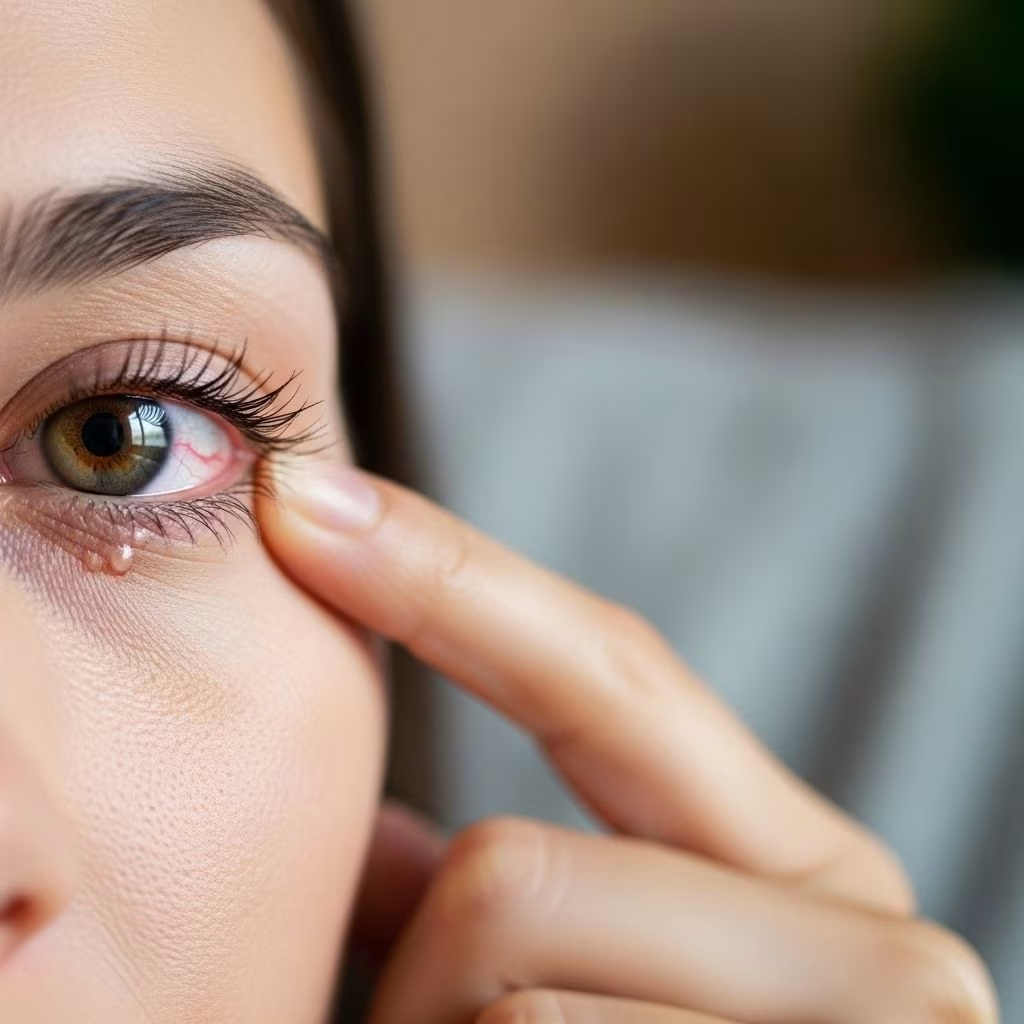
Tired, Dry, Itchy Eyes? Know the Causes and Remedies
Many people experience dry, tired, or itchy eyes at some point. These symptoms can indicate various underlying problems ranging from environmental factors to medical conditions. This comprehensive guide explores the root causes, common symptoms, and proven remedies to help you regain ocular comfort and health.
Understanding Dry, Itchy Eyes
The sensation of dryness and itchiness in the eyes isn’t just uncomfortable; it can negatively impact your daily activities and overall quality of life. Dry eye syndrome is a multifactorial disease affecting millions and is often underdiagnosed. Recognizing the symptoms and understanding potential causes empower you to take actionable steps toward relief.
Main Causes of Dry, Itchy Eyes
Dry, itchy eyes can occur for several reasons. While sometimes a simple change in environment or habits can resolve the issue, other times, medical evaluation is necessary. Below are the core causes:
- Lack of Moisture: The most common root cause. Insufficient moisture or poor tear quality, often stemming from a low-humidity environment or malfunctioning tear glands, leads to evaporation and discomfort. Meibomian gland dysfunction, where glands fail to release enough oil, is a major contributor to poor tear quality.
- Age: Tear production diminishes naturally as we age. Eyelids may sag, which compromises the moisture seal; tear glands underperform, leading to a drier ocular surface.
- Eye Surgery: Procedures like LASIK and cataract surgery can temporarily or permanently reduce tear production, worsening dryness. Immediate post-surgical attention is crucial.
- Screen Time: Excessive digital device use reduces blink frequency, accelerating moisture loss and causing the tear film to break up more quickly.
- Environmental Factors: Air conditioning, heating, pollution, and allergies contribute to or exacerbate symptoms by reducing moisture or introducing irritants.
- Hormonal Changes: Fluctuations, especially in women during pregnancy or menopause, can decrease tear production.
- Medications: Drugs such as antihistamines, antidepressants, diuretics, and beta-blockers reduce tear or mucus production, triggering dryness.
- Autoimmune Diseases: Conditions like Sjögren’s syndrome, lupus, rheumatoid arthritis, and diabetes may damage tear glands or alter tear composition.
- Contact Lens Wear: Extended use can irritate the eye and disrupt normal tear distribution.
- Poor Tear Quality: Sometimes eyes produce enough tears, but their composition (oil, mucus, and water) is off-balance, leading to rapid evaporation and dryness.
Common Symptoms of Dry, Itchy Eyes
The symptoms of dry eyes can range from mildly annoying to severely debilitating. Recognizing these signs helps prompt timely intervention:
- Stinging or Burning Sensation
- Scratchy or Gritty Feeling
- Blurry Vision
- Redness
- Light Sensitivity
- Excessive Tearing (a paradoxical response to dryness)
- Discomfort with Contact Lenses
- Frequent Itchiness In and Around the Eyes
If you experience these symptoms regularly, consult your eye care professional for a thorough assessment.
Why Eye Moisture Matters
Moisture in the form of healthy tears is essential for ocular comfort, vision clarity, and protection from infection. Tears contain water, oil, and mucus, each playing a unique role:
- Water: Hydrates and cleans the eye surface.
- Oil: Prevents rapid evaporation of tears.
- Mucus: Helps tears spread evenly across the eye.
Poor-quality tears or insufficient tear production leaves the eye exposed to environmental irritants and increases infection risk, corneal damage, and chronic inflammation.
Who Is Most at Risk?
Certain groups are more prone to developing dry, itchy eyes:
- People over 50 years old
- Women undergoing hormonal changes (pregnancy, menopause)
- Individuals with autoimmune disorders
- Long-term contact lens users
- Frequent screen users
- Individuals taking medications that reduce tear formation
Diagnosis and Assessment
Diagnosing dry eye syndrome requires careful examination, including:
- Assessment of tear production (Schirmer’s test)
- Evaluation of tear quality (LipiView imaging, osmolarity tests)
- Meibomian gland evaluation for blockages
- Ocular Surface Disease Index (OSDI) score for severity
Advanced diagnostic tools allow eye care providers to tailor treatment strategies to individual needs, improving comfort and outcomes.
Effective Remedies for Dry, Itchy Eyes
Treatment depends on the underlying cause, symptom severity, and individual lifestyle. Here are the most effective remedies:
- Artificial Tears: Over-the-counter lubricating eye drops can temporarily relieve mild dryness. Preservative-free formulas are preferred for regular use.
- Prescription Medications: For chronic cases, your doctor may prescribe anti-inflammatory eye drops (e.g., cyclosporine), or lifitegrast to boost tear production and reduce inflammation.
- Warm Compresses: Applying gentle heat over closed eyelids aids meibomian gland function, improving tear quality.
- Humidifiers: Adding moisture to indoor air helps reduce evaporation during dry seasons or in air-conditioned environments.
- Lid Hygiene: Regularly cleaning eyelids (with BlephEx® treatment or lid scrubs) prevents gland blockages.
- Punctal Plugs: Tiny devices inserted into tear ducts keep more tears on the eye surface for longer.
- Omega-3 Supplements: Anti-inflammatory fatty acids may improve tear quality and reduce dryness.
Advanced Therapies:
- LipiFlow®: A device that clears blockages in the meibomian glands using controlled heat and massage.
- Intense Pulsed Light (IPL) Therapy: Improves gland function and relieves symptoms of meibomian gland dysfunction.
Lifestyle Changes
| Action | Benefit |
|---|---|
| Increase blink frequency during screen time | Reduces tear evaporation, more balanced moisture |
| Avoid direct fan or air conditioner exposure | Preserves tear film, prevents drying |
| Drink adequate water daily | Supports overall body and eye hydration |
| Limit use of eye makeup and harsh cleansers | Prevents irritation and gland clogging |
Prevention Tips for Dry, Itchy Eyes
- Take frequent breaks during extended computer or device use (the 20-20-20 rule)
- Use wraparound sunglasses outdoors to minimize exposure to wind and airborne irritants
- Maintain a balanced diet, rich in antioxidants and healthy fats
- Practice good eye hygiene, especially if prone to allergies or gland dysfunction
- Schedule regular comprehensive eye exams with your specialist
Frequently Asked Questions (FAQs)
Q: Can dry eyes cause blurry vision?
A: Yes, insufficient moisture or poor tear quality can disrupt the tear film and result in intermittent blurry vision.
Q: Are artificial tears safe for long-term use?
A: Preservative-free artificial tears are considered safe for chronic use. Consult your eye doctor if symptoms persist or worsen.
Q: What is Meibomian Gland Dysfunction?
A: It’s a condition where oil-producing glands in the eyelid become blocked or underproduce, leading to rapid tear evaporation and dry eyes.
Q: How does age affect dry eye risk?
A: Tear gland output and eyelid function decline with age, making older adults more susceptible to dryness and related symptoms.
Q: Are there permanent cures for dry eyes?
A: Most cases are manageable but not curable. Regular management and lifestyle adaptation greatly improve comfort and reduce symptoms.
When to See Your Eye Doctor
Seek professional advice if:
- Symptoms persist for more than a few days
- You develop severe redness, pain, or light sensitivity
- Your vision fluctuates or deteriorates
- You recently underwent eye surgery and notice dryness
- Over-the-counter remedies fail to provide relief
Your eye care professional can identify the root cause, monitor for complications (such as corneal abrasions or infection), and recommend personalized treatment options.
Takeaway: Protect Your Eye Comfort and Health
No one should tolerate persistent dry, itchy eyes. Identify risk factors in your environment, track your symptoms, and don’t hesitate to seek medical advice. With today’s diagnostic technologies and treatments, most individuals can find significant relief and ongoing comfort.
References
- https://nwcorneainstitute.com/tired-dry-itchy-eyes-know-causes-remedies/
- https://nwcorneainstitute.com/tag/dry-eyes/
- https://nweyeclinic.com/9-key-symptoms-of-dry-eyes-you-shouldnt-ignore/
- https://pmc.ncbi.nlm.nih.gov/articles/PMC5995578/
- https://www.voeyedr.com/can-dry-eyes-cause-blurry-vision/
- https://www.eastsideeyesurgeons.com/blog/posts/post/40/what-you-need-to-know-about-dry-eye-syndrome
- https://www.eanw.net/dry-eye-disease-seattle/dry-eye-syndrome/
- https://www.metropolitanoptical-18thstreet.com/services/dry-eyes/


