


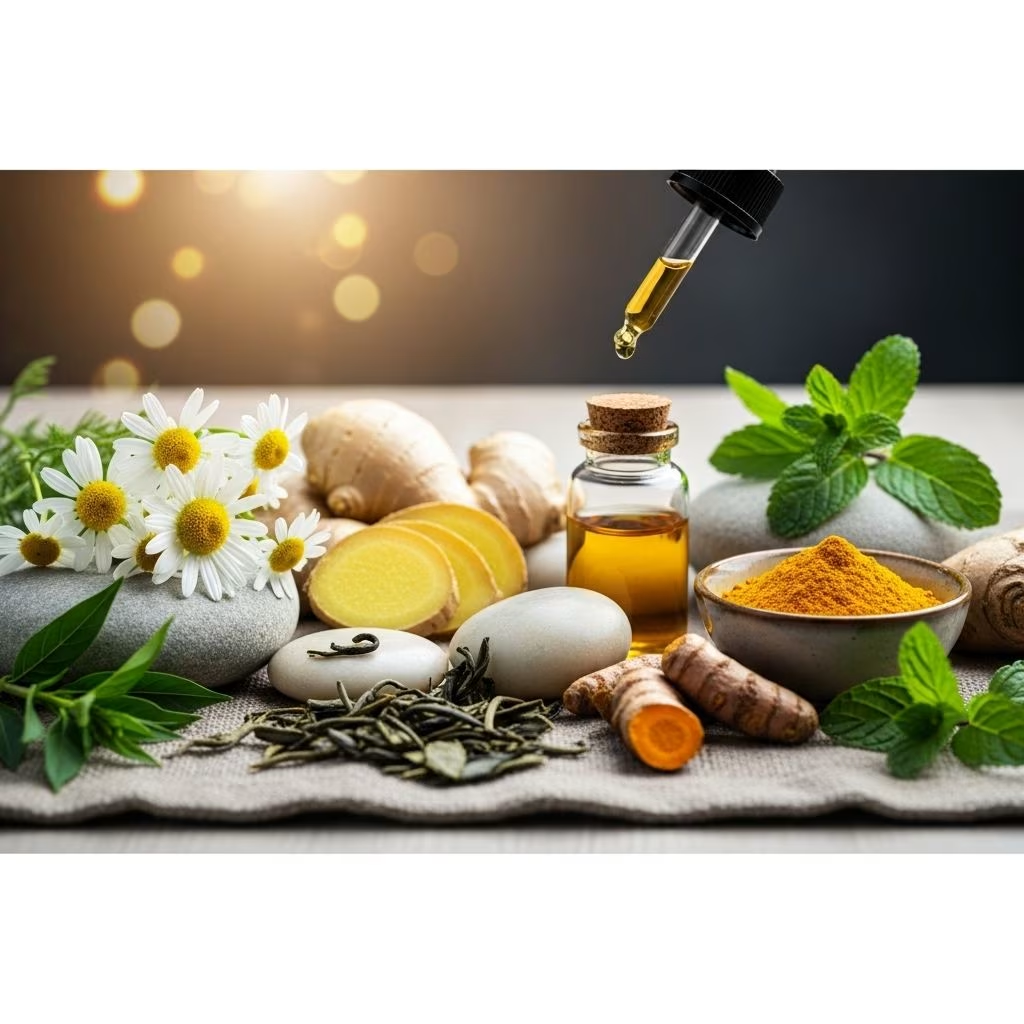
Natural Remedies for Ovarian Cysts: Effective Options for Relief
Ovarian cysts, fluid-filled sacs within or on the surface of an ovary, are a common gynecological condition, often detected during routine pelvic exams or imaging. While many cysts resolve on their own or remain asymptomatic, some cause pain, hormonal imbalance, or menstrual irregularities. Though surgery and medications are sometimes necessary, various natural remedies and lifestyle interventions may help reduce symptoms, support hormonal balance, and, in some cases, shrink cysts. This article explores evidence-informed natural approaches, including diet, supplements, lifestyle tips, and when to see a doctor.
Understanding Ovarian Cysts
Ovarian cysts are sacs of fluid that develop on or inside an ovary. Most ovarian cysts are functional cysts, arising as part of the menstrual cycle and usually resolving spontaneously. Other types, such as dermoid, cystadenoma, or those related to polycystic ovary syndrome (PCOS), may persist and sometimes cause complications. Common symptoms include:
- Pelvic or abdominal pain
- Bloating or abdominal fullness
- Irregular menstrual cycles
- Painful periods
- Pain during intercourse or bowel movements
- Urinary frequency
Most cysts are benign, but some may cause ovarian torsion or rupture, resulting in acute symptoms that require prompt medical attention.
Causes and Risk Factors
The underlying causes of ovarian cysts may include:
- Hormonal imbalances, particularly involving estrogen and progesterone
- Irregular ovulation or cycles (as in PCOS)
- Pregnancy
- Severe pelvic infections
- Endometriosis
- Use of fertility drugs
Understanding these causes can inform lifestyle and natural strategies to aid prevention and management.
Conventional vs. Natural Approaches
Conventional management focuses on monitoring, medications (such as birth control pills to regulate cycles), or surgery for persistent or large cysts. Natural remedies do not replace necessary medical treatment but can complement conventional care by alleviating symptoms, supporting hormonal balance, and possibly reducing cyst size or recurrence risk.
Top Natural Remedies for Ovarian Cysts
1. Beetroot
Beetroot contains betacyanin, a phytonutrient believed to enhance the liver’s capacity to eliminate toxins and support hormonal metabolism. Its alkaline properties contribute to acidity balance, which may help shrink certain types of cysts. For best results:
- Mix 1/2 cup freshly extracted beetroot juice with 1 tablespoon each of aloe vera gel and blackstrap molasses.
- Drink this mixture once daily before breakfast.
Always consult with a healthcare provider before starting new herbal blends, especially if using medications.
2. Ginger
Ginger is well-known for its anti-inflammatory and antioxidant effects. Research suggests ginger may help shrink cysts, reduce pain, and even exhibit inhibitory effects against ovarian cancer cells by modulating angiogenic factors. To use:
- Add freshly grated ginger to hot water for tea.
- Drink 1–2 cups daily for relief of bloating and discomfort.
Ginger can also be included in meals or taken as supplements (after medical consultation).
3. Flaxseeds
Flaxseeds provide a rich source of omega-3 fatty acids and lignans, which help balance estrogen and progesterone levels. This makes them particularly useful for hormone-related cysts and PCOS. Additional benefits include:
- High fiber content, aiding detoxification and supporting gut health
- Anti-inflammatory properties
Consume 1 tablespoon of ground flaxseed in warm water on an empty stomach daily. Always use ground flaxseed for optimal absorption.
4. Apple Cider Vinegar
Apple cider vinegar is reputed for its ability to shrink ovarian cysts, particularly those caused by potassium deficiency, although evidence is largely anecdotal. Some women also report less menstrual bleeding and improvement in bloating. To use:
- Mix 1 tablespoon of apple cider vinegar with 1 tablespoon blackstrap molasses in a glass of warm water.
- Drink once daily.
Start with a diluted solution and monitor for any digestive discomfort.
5. Herbal Teas (Chamomile and Green Tea)
Chamomile tea is widely used for its calming, antispasmodic, and mild analgesic properties. It may relieve pain and support relaxation. Green tea contains catechins and has been linked in studies to hormonal improvement and shrinkage of ovarian cyst-like structures in animal models:
- Steep 2 teaspoons dried chamomile flowers in hot water for 5 minutes (add honey to taste).
- Drink 2–3 cups of herbal tea daily as desired.
6. Turmeric
Turmeric, containing the active compound curcumin, is a powerful anti-inflammatory and antioxidant agent. Supplementing with turmeric tablets may support the shrinkage of ovarian cysts and reduce inflammation, but it should always be discussed with a healthcare provider, as it can interact with other medications.
7. Hot Compresses
Applying a hot water bottle or heat pack to the lower abdomen for around 10 minutes can help relieve cramps and abdominal pain associated with ovarian cysts. Regular warm baths with Epsom salts (magnesium sulfate) can also ease muscle tension and discomfort.
8. Aloe Vera
Aloe vera is commonly used for its anti-inflammatory and antimicrobial properties and may support relief from irritation or inflammation associated with cysts. It can be consumed internally (as juice) or applied externally (as gel) with caution and medical guidance.
9. Dietary and Lifestyle Adjustments
- Prioritize whole foods: Emphasize fresh fruits, vegetables, whole grains, and lean protein.
- Reduce processed sugar and refined carbohydrates, which are known to exacerbate hormonal imbalances and worsen PCOS symptoms.
- Maintain a healthy weight, as obesity increases the risk of ovarian cysts and related complications.
- Stay physically active with regular exercise to support hormonal health and circulation.
- Manage stress: Practice stress-reduction techniques such as yoga, meditation, and deep breathing, which support overall hormonal harmony.
10. Other Supportive Remedies
- Almonds: A magnesium-rich snack that may help relieve chronic pain and muscle tension.
- Dong Quai: A traditional Chinese herb sometimes used for period cramps; consult a qualified practitioner before use.
- Honey: Has natural anti-inflammatory properties. Though not directly proven for ovarian cysts, may help with general inflammation.
- TENS Device: Delivers mild electrical stimulation to reduce nerve pain associated with cysts (use as directed).
- Tea Tree Oil: Sometimes used topically for cysts related to skin or hair follicles, but not routinely recommended for ovarian cysts.
Comparative Summary Table of Natural Remedies
| Remedy | Potential Benefit | How To Use | Precautions |
|---|---|---|---|
| Beetroot Blend | Supports liver and hormone detox | Juice or blend with aloe vera, blackstrap molasses | Consult if diabetic or on blood thinners |
| Ginger | Anti-inflammatory, pain relief | Ginger tea or raw in food | Moderate use if on anticoagulants |
| Flaxseed | Balances hormones, detox agent | Ground in warm water, daily | Ensure sufficient hydration |
| Apple Cider Vinegar | May help shrink cysts, reduce cramps | With warm water, blackstrap molasses | Monitor for digestive upset |
| Chamomile Tea | Pain relief, relaxation | 2–3 cups/day | May cause drowsiness |
| Turmeric | Anti-inflammatory, may shrink cysts | Tablets or fresh root | Consult if taking medications |
| Hot Compress | Pain and cramp relief | Applied to lower abdomen as needed | Caution to avoid burns |
| Aloe Vera | Anti-inflammatory, relief of discomfort | Juice (oral) or gel (topical) | Check for allergies |
Precautions and Medical Warning Signs
Natural remedies can be helpful for mild symptoms or complement medical care. However, seek immediate medical attention if you experience:
- Sudden, severe pelvic or abdominal pain
- Rapidly worsening symptoms
- Fever or vomiting
- Unexplained fainting or dizziness
- Signs of internal bleeding (such as weakness, rapid heartbeat, or pale skin)
Large, persistent cysts or those that grow, cause severe pain, or are found after menopause should be evaluated by a gynecologist. Natural strategies may be supportive but are not substitutes for professional care in these situations.
Frequently Asked Questions (FAQs)
Q: Can ovarian cysts be prevented with lifestyle changes?
A: While not all ovarian cysts are preventable, maintaining hormonal balance through a healthy diet, regular exercise, and weight control can lower your risk, especially for cysts related to PCOS.
Q: How long should I try natural remedies before seeking medical help?
A: If your symptoms are mild, observe the effects of natural remedies for a few menstrual cycles. If pain worsens or the cyst does not decrease, consult a healthcare professional. Severe symptoms always warrant urgent evaluation.
Q: Are herbal supplements for cysts safe?
A: Most herbal remedies are safe when used appropriately; however, they can interact with medications or underlying medical conditions. Always consult your physician before beginning any herbal supplement, particularly if pregnant, breastfeeding, or planning pregnancy.
Q: Which dietary changes help with ovarian cysts?
A: Favor a plant-rich, whole-food diet high in fiber and low in processed sugars. Incorporate flaxseed, cruciferous vegetables, and antioxidant-rich foods to support hormone balance. Avoid excess red meat and refined carbs that may raise risk of hormonal disturbances.
Q: Are these remedies effective for all types of ovarian cysts?
A: Remedies detailed here are most beneficial for functional or hormone-related cysts. Large cysts, dermoid cysts, or those with complex features usually require specialized gynecologic care.
Final Thoughts
While ovarian cysts frequently resolve without invasive intervention, a holistic approach—combining natural remedies, balanced nutrition, and stress management—may offer substantial symptom relief and support overall reproductive health. For persistent, severe, or complex cysts, always consult a qualified healthcare provider for diagnosis, management, and ongoing monitoring. Natural remedies work best when used mindfully and as part of a broader wellness strategy.
References
- https://www.apollo247.com/blog/article/ovarian-cysts-how-shrink-them-naturally
- https://www.relainstitute.com/articles/ovarian-cysts-symptoms-causes-and-home-remedies/
- https://www.healthline.com/health/womens-health/ovarian-cyst-treatment-at-home
- https://tidewaterobgyn.com/what-are-ovarian-cysts-and-how-are-they-treated/
- https://pmc.ncbi.nlm.nih.gov/articles/PMC10065776/
- https://happyv.com/blogs/womens-health/natural-support-for-ovarian-cysts-understanding-your-options-for-health-and-wellness


