


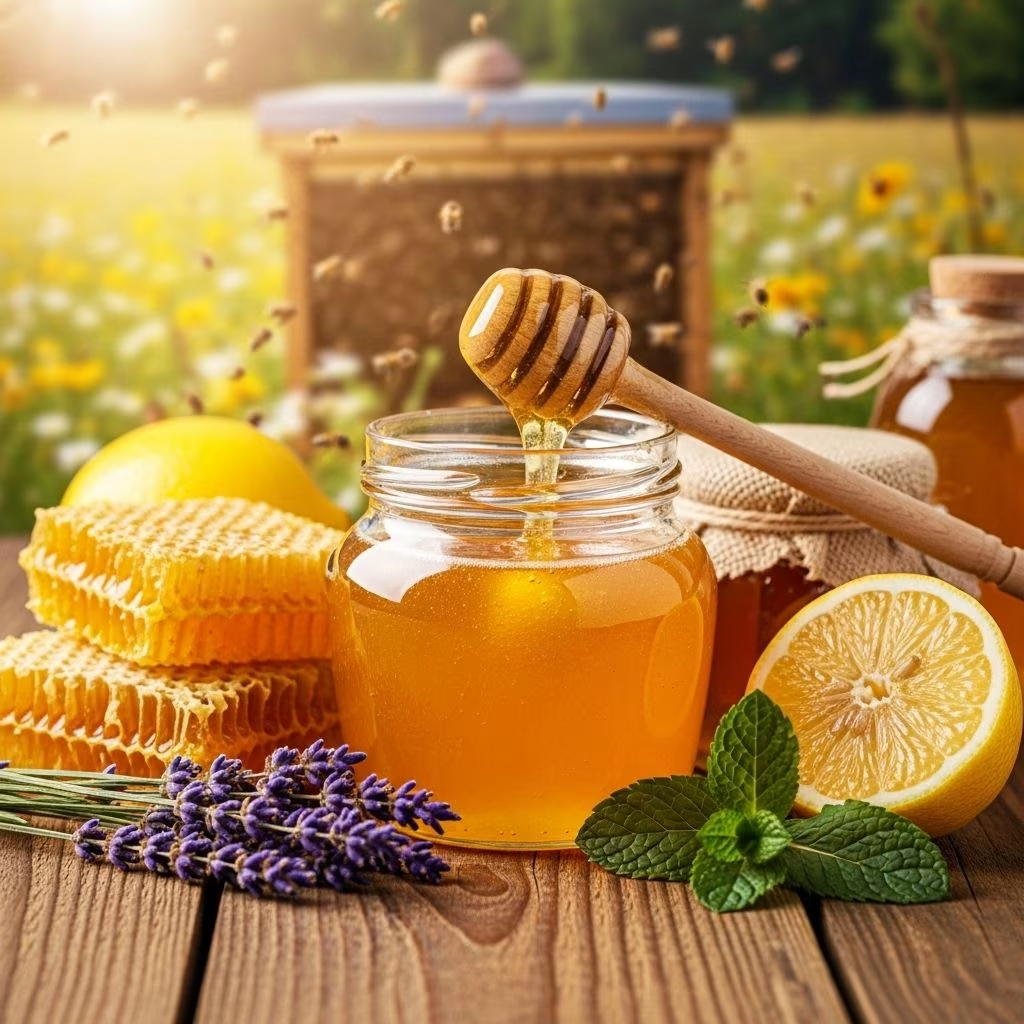
From Our Hive to Your Health: Unveiling the Amazing Benefits of Honey
Honey, a golden gift from nature, has been treasured for millennia not only as a sweetener but also as a formidable ally in health, wellness, and beauty. This article takes you on a journey from the hive to your home, revealing the science-backed, holistic benefits of pure honey—and why it’s not just another pantry staple, but a wellness powerhouse.
A Brief History of Honey
The use of honey dates back thousands of years, with ancient civilizations—from the Egyptians to the Greeks—recognizing its medicinal value. Beyond its culinary appeal, honey was used to treat wounds, boost energy, and even embalm the dead. Today, modern science continues to uncover the multifaceted benefits of this natural elixir, bridging ancient wisdom with contemporary knowledge.
The Nutritional Profile of Honey
While not a significant source of vitamins, honey contains about 31 different minerals, including phosphorus, magnesium, potassium, and several amino acids. What truly sets honey apart are its bioactive compounds—antioxidants like flavonoids and polyphenols—which combat oxidative stress and inflammation, offering a host of protective health effects.
Health Benefits of Honey
Immune System Support
Honey’s antimicrobial and anti-inflammatory properties make it a popular natural remedy for soothing sore throats and supporting immune function. Its antioxidants bolster the body’s defenses, while its mild antibacterial activity—due to hydrogen peroxide produced by bees—may help fend off infections when consumed raw and unprocessed.
Wound Healing and Skin Care
For centuries, honey has been applied to wounds and burns to promote healing, a tradition now validated by clinical research. Honey’s antibacterial, anti-inflammatory, and antioxidant effects not only help prevent infections but may speed up tissue repair and reduce scarring. Medically graded honey (like Manuka) is even used in hospitals for managing burns and ulcers.
Cough Relief, Especially in Children
Honey is a safe, effective remedy for easing nighttime coughs in children over 1 year old. Studies show that a small dose (about 2 teaspoons before bed) can soothe coughs and improve sleep, offering a natural alternative to over-the-counter medications, which are not recommended for young children.
Heart Health and Cholesterol
Emerging evidence suggests honey may support cardiovascular health by modestly reducing total cholesterol, LDL (“bad” cholesterol), and triglycerides, while increasing HDL (“good” cholesterol). These effects, along with its anti-inflammatory properties, may contribute to a lower risk of heart disease.
Blood Sugar Management
While honey is a sugar, it has a milder impact on blood glucose than refined sugar and may even improve fasting blood sugar levels in people with type 2 diabetes. Its antioxidants and ability to raise adiponectin (a hormone that regulates blood sugar) make it a slightly better choice—though moderation remains key.
Anti-Aging and Antioxidant Power
Honey’s rich antioxidant content helps neutralize free radicals, which are linked to aging and chronic diseases. Regular consumption may protect against cellular damage, support healthy aging, and reduce the risk of chronic conditions like heart disease and diabetes.
Digestive Health and Gut Microbiome
Certain types of honey exhibit prebiotic properties, feeding beneficial gut bacteria and potentially reducing harmful pathogens like Salmonella and E. coli. This makes honey a helpful addition to a gut-friendly diet, supporting digestion and overall wellness.
Beauty Benefits of Honey
Natural Skin Care
- Moisturizing: Honey is a natural humectant, drawing moisture into the skin and keeping it hydrated.
- Acne Treatment: Its antibacterial and anti-inflammatory properties make it effective against acne-causing bacteria and soothing for inflamed skin.
- Anti-Aging: Antioxidants in honey combat free radicals, potentially reducing wrinkles and promoting a youthful complexion.
- Scar Reduction: Applied topically, honey may help fade scars and improve skin texture over time.
Hair Health
Honey’s moisturizing properties extend to the scalp and hair, helping to reduce dryness, dandruff, and frizz. It can be used in homemade hair masks to add shine, strength, and manageability.
Choosing the Right Honey
Not all honey is created equal. To reap the maximum benefits, opt for raw, unprocessed, and ideally locally sourced honey. Heat processing and filtration can strip honey of its enzymes, antioxidants, and medicinal properties. Darker honeys (like buckwheat) typically have higher antioxidant levels than lighter varieties.
Incorporating Honey into Your Daily Routine
- Diet: Use honey as a natural sweetener in teas, smoothies, yogurt, or oatmeal.
- Wellness: Take a spoonful at the first sign of a sore throat, or mix with lemon and warm water for a soothing drink.
- Skin Care: Apply raw honey directly as a face mask, or mix with olive oil for a hydrating treatment.
- Wound Care: For minor cuts or burns, apply a thin layer of medical-grade honey and cover with a bandage.
Honey Recipes for Health and Beauty
| Purpose | Recipe | How to Use |
|---|---|---|
| Immunity Boost | 1 tsp honey, 1 tsp lemon juice, pinch of turmeric, cup of warm water | Drink daily in the morning |
| Hydrating Face Mask | 1 tbsp raw honey, 1 tsp olive oil | Apply to clean face, leave for 15 minutes, rinse |
| Hair Shine Treatment | 2 tbsp honey, 1 tbsp coconut oil | Massage into hair, leave for 20 minutes, wash out |
Frequently Asked Questions (FAQs)
Is honey safe for everyone?
Honey is safe for most adults and children over 1 year old. Infants under 1 year should never consume honey due to the risk of botulism.
Can people with diabetes eat honey?
Honey is still a sugar and should be consumed in moderation by those with diabetes. While it may have a slightly better glycemic profile than refined sugar, blood sugar should be monitored.
What’s the difference between raw and processed honey?
Raw honey is unfiltered and unheated, retaining more enzymes, antioxidants, and health benefits. Processed honey is often filtered and pasteurized, which can reduce its nutritional value.
How much honey should I consume daily?
Moderation is key—1 to 2 tablespoons per day is generally safe for most people, depending on individual health and dietary needs.
Does honey expire?
Honey has an almost indefinite shelf life if stored properly. It may crystallize over time, but this is natural and can be reversed with gentle warming.
Can honey be used topically for burns?
Yes, medical-grade honey is used in clinical settings for burns and wounds. For minor burns at home, a thin layer of raw honey may help, but seek medical advice for serious injuries.
Conclusion
From the hive to your health, honey is a versatile, time-tested remedy that bridges the gap between ancient tradition and modern science. Its benefits span immune support, skin and hair care, heart health, and even gut wellness—making it a worthy addition to any holistic health routine. By choosing high-quality, raw honey and using it mindfully, you can harness the full spectrum of its natural goodness for a healthier, more radiant life.


