


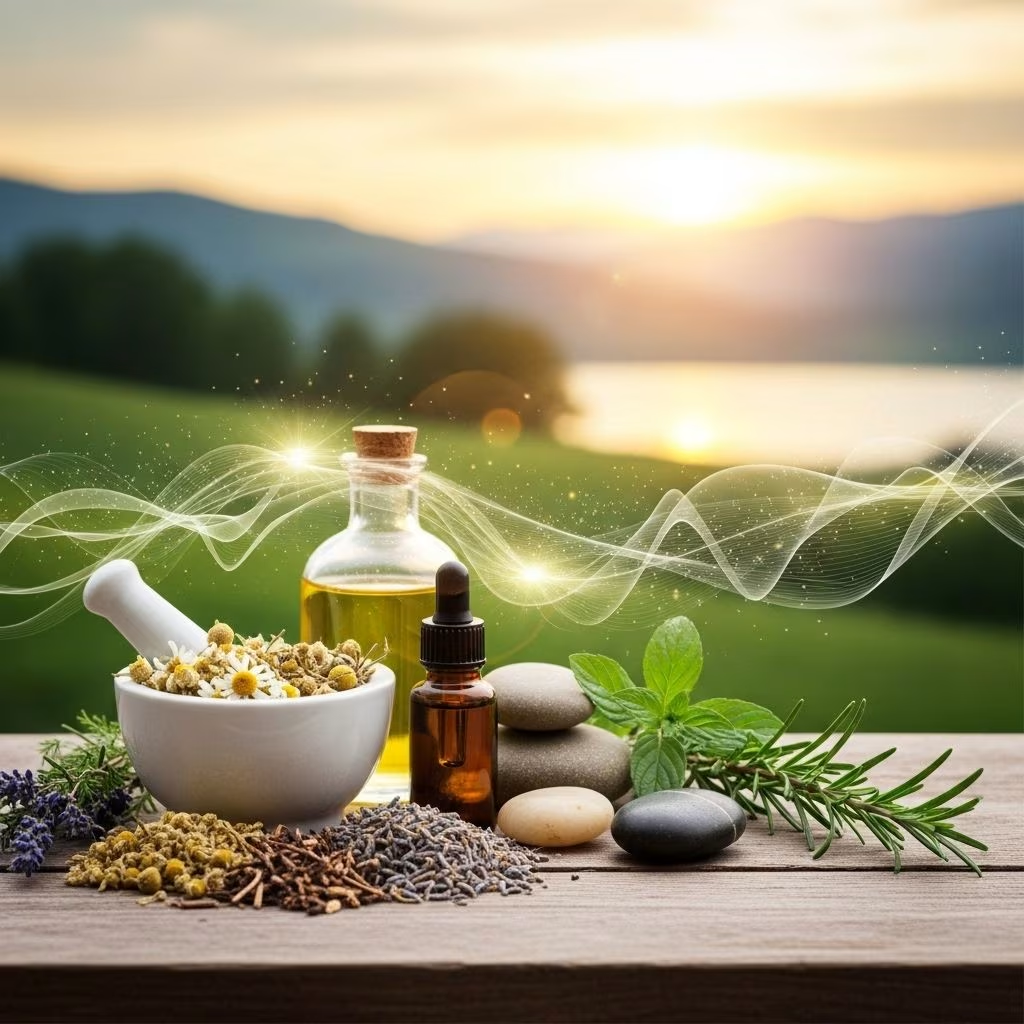
Natural Remedies for Addiction: A Holistic Approach to Recovery
Overcoming addiction is a complex journey best supported by evidence-based treatments such as therapy, medication, and medical supervision. However, increasingly, individuals and healthcare professionals are recognizing the value of natural remedies as complementary strategies in addiction recovery. This article explores how integrating nutrition, physical activity, mindfulness practices, and carefully considered herbal supplements can foster a more rounded path to sustained wellness.
Why Combine Natural Remedies with Standard Treatment?
Natural remedies for addiction are not substitutes for medical or psychological intervention. Instead, they serve as adjuncts—enhancing comfort, supporting physical and emotional healing, and empowering individuals throughout their recovery. Approached thoughtfully, these strategies can make the journey safer, more accessible, and easier to maintain over time.
Nutrition and Diet
A balanced diet is fundamental to both physical recovery and mental health stabilization. Addiction can deplete the body of essential nutrients, disrupt digestion, and make healthy eating patterns difficult to maintain. Focusing on nutrient-rich foods helps restore balance, support neurotransmitter function, and bolster overall well-being.
- Whole Foods: Prioritize fruits, vegetables, lean proteins (like fish, poultry, and legumes), and whole grains for an array of vitamins, minerals, and antioxidants.
- Minimize Processed Foods: Reduce intake of added sugars, trans fats, and artificial additives, which can aggravate mood swings and cravings.
Key Nutrients to Support Recovery
- B Vitamins: Essential for brain health and neurotransmitter production. Sources include leafy greens, legumes, nuts, eggs, and poultry.
- Omega-3 Fatty Acids: Found in fatty fish (salmon, tuna, sardines), walnuts, and flaxseeds. Shown to improve mood and reduce depressive symptoms.
- L-Glutamine: An amino acid found in meat, dairy, and beans. It helps restore neurotransmitter balance and may curb cravings by supporting brain chemistry.
Exercise and Physical Activity
Regular, moderate exercise is a powerful tool for enhancing physical health, mental clarity, and emotional resilience during recovery. Physical activity stimulates the body’s natural production of endorphins—hormones that alleviate stress, lift mood, and reduce pain.
- Reduces Stress and Anxiety: Exercise, from brisk walking and jogging to cycling or swimming, prompts endorphin release, which counters feelings of tension and anxiety.
- Boosts Mood: Physical activity fosters a sense of accomplishment, strengthens self-discipline, and generally lifts spirits.
- Improves Sleep Quality: Consistent exercise helps establish healthy sleep cycles, addressing insomnia and sleep disturbances common in recovery.
- Increases Energy Levels: Over time, exercise raises stamina, combatting fatigue and lethargy that often occur during withdrawal and early recovery.
Examples of activities that support recovery include:
- Walking or hiking outdoors
- Yoga or Pilates
- Swimming
- Team or individual sports
- Dancing
Herbal Supplements
Herbal supplements provoke both interest and controversy in addiction recovery circles. While some herbs are reputed to provide mood, liver, or neurological support, scientific evidence for their effectiveness is often limited or mixed. Anyone considering herbal remedies should consult with a healthcare professional to discuss possible interactions, side effects, and individual suitability.
Herbs Commonly Considered in Recovery
- St. John’s Wort: Widely used for mild to moderate depression, this herb’s impact on mood is backed by some studies; however, it can interact with many medications.
- Kudzu Root Extract: Traditionally used in Chinese medicine, early research suggests it may help regulate dopamine and reduce alcohol cravings. More research is needed.
- Milk Thistle: Known for liver-protective properties, it is often considered by individuals recovering from alcohol dependency.
- Lemon Balm: Used historically to reduce anxiety and support sleep, recent studies indicate potential mood-stabilizing effects.
- Valerian Root: Traditionally used to promote sleep and calm nervous tension, valerian may help with insomnia and anxiety during withdrawal.
Consultation and Caution: Always inform your doctor or treatment provider about any supplements or alternative remedies you are considering. Some herbs may interfere with prescription medicines or exacerbate certain medical conditions.
Mindfulness and Meditation
Mindfulness and meditation are ancient practices now validated by modern research for their benefits on stress reduction, emotional regulation, and self-awareness—qualities essential for sustained recovery. These approaches are accessible, affordable, and adaptable to many lifestyles.
- Reduces Stress and Anxiety: Regular mindfulness meditation calms the mind, helping people manage stress and breaking patterns of anxious thought.
- Improves Emotional Regulation: Mindfulness increases awareness of emotions as they arise, allowing for choice rather than automatic reactions (such as reaching for substances).
- Reduces Cravings: Mindfulness techniques equip you with new coping mechanisms for managing cravings as they surface, decreasing the risk of relapse.
- Promotes Relaxation and Sleep Quality: Techniques such as deep breathing and guided meditation relieve tension, contributing to overall relaxation and better sleep patterns.
| Mindfulness Practice | Primary Benefit |
|---|---|
| Mindful Breathing | Reduces stress and centers attention on the present |
| Body Scan Meditation | Enhances body awareness and detects early signs of relapse triggers |
| Yoga | Integrates physical, mental, and emotional balance |
| Progressive Muscle Relaxation | Relieves physical tension and promotes sleep |
Other Natural Approaches to Support Recovery
Though not universally effective or risk-free, some other natural or complementary approaches may provide value when combined with established addiction treatments:
- Acupuncture: Some anecdotal and small-scale studies suggest acupuncture may help with withdrawal symptoms, though larger, controlled trials show mixed results.
- Chinese Herbal Medicine: Used in some traditional medicine systems, but the specific efficacy and safety profiles of individual herbs require more scientific validation.
- Yoga and Tai Chi: Movement-based mind-body practices that combine gentle physical exercise, relaxation, and mindful breathing.
- Art and Music Therapy: Creative therapies allow individuals to process emotions, reduce stress, and build nonverbal coping skills.
Important Note: Natural therapies alone are rarely sufficient for overcoming moderate to severe addiction. They are best viewed as complementary tools, integrated under the supervision of addiction treatment professionals.
Potential Risks and Limitations
- Lack of Regulation: Unlike pharmaceuticals, herbal supplements are not strictly regulated, making dosage, purity, and contamination potential concerns.
- Interaction Risks: Herbs and supplements can interact dangerously with medications used in withdrawal or mental health treatment.
- Variable Efficacy: Scientific support for many natural remedies is limited, preliminary, or conflicting. Placebo effects or anecdotal reports should not be mistaken for established efficacy.
- Delay of Evidence-Based Care: Relying solely on natural remedies may postpone necessary medical interventions, increasing the risk of complications or relapse.
Guidelines for Safely Integrating Natural Remedies
- Consult with a healthcare provider about any natural remedy, supplement, or alternative therapy—especially if you are taking other medications or have medical conditions.
- Do your own research:
Seek reliable sources to understand the potential benefits, side effects, and interactions of any natural product. - Use natural remedies as adjuncts, not substitutes, for traditional treatment methods.
- Monitor your progress and report any side effects or unexpected symptoms to your provider.
Frequently Asked Questions (FAQs)
Q: Can natural remedies alone cure addiction?
A: No. Natural remedies may ease certain symptoms and support overall wellness but cannot replace evidence-based addiction treatment, such as therapy, medication, or supervised detox.
Q: Are herbal supplements safe to use during recovery?
A: Some may be safe if used under medical supervision, but many are unregulated, can interact with medications, and may pose risks if used improperly. Always consult your provider first.
Q: What is the most important lifestyle change for early recovery?
A: Beyond seeking professional treatment, building a foundation of nutrition, regular exercise, sleep hygiene, and mindfulness can dramatically improve comfort and long-term success in recovery.
Q: Are mindfulness and meditation effective for reducing cravings?
A: Yes, research indicates that mindfulness-based interventions can provide effective coping mechanisms to manage cravings and stress, both in early and long-term recovery.
Q: Can I start using any of these natural remedies immediately?
A: Many practices (like balanced nutrition, exercise, or meditation) can be safely integrated into your routine with minimal risk. However, consult your healthcare provider before starting any herbal or unfamiliar supplement—especially if you are in withdrawal or on other medications.
Takeaway
Natural remedies—including nutrition, exercise, mindfulness, and select supplements—can enrich the recovery journey from addiction. For best outcomes, these should be used alongside proven medical and psychological interventions as part of a comprehensive, individualized treatment plan. Empower yourself by blending holistic approaches with clinical care and ongoing professional support.
References
- https://www.ebsco.com/research-starters/complementary-and-alternative-medicine/natural-treatments-narcotic-addictions
- https://pctdetox.com/addiction-treatment/are-there-natural-remedies-for-addiction/
- https://greatoaksrecovery.com/blog/herbal-allies-for-addiction-recovery/
- https://www.samhsa.gov
- https://pubmed.ncbi.nlm.nih.gov/28807162/
- https://www.mayoclinic.org/diseases-conditions/drug-addiction/diagnosis-treatment/drc-20365113
- https://www.pyramid-healthcare.com/blog/2021/07/23/small-life-changes-to-reduce-relapse-and-withdrawal-symptoms/
- https://www.va.gov/WHOLEHEALTHLIBRARY/tools/substance-use-disorder-treatment-complementary-approaches.asp
- https://nida.nih.gov/publications/drugs-brains-behavior-science-addiction/treatment-recovery


