


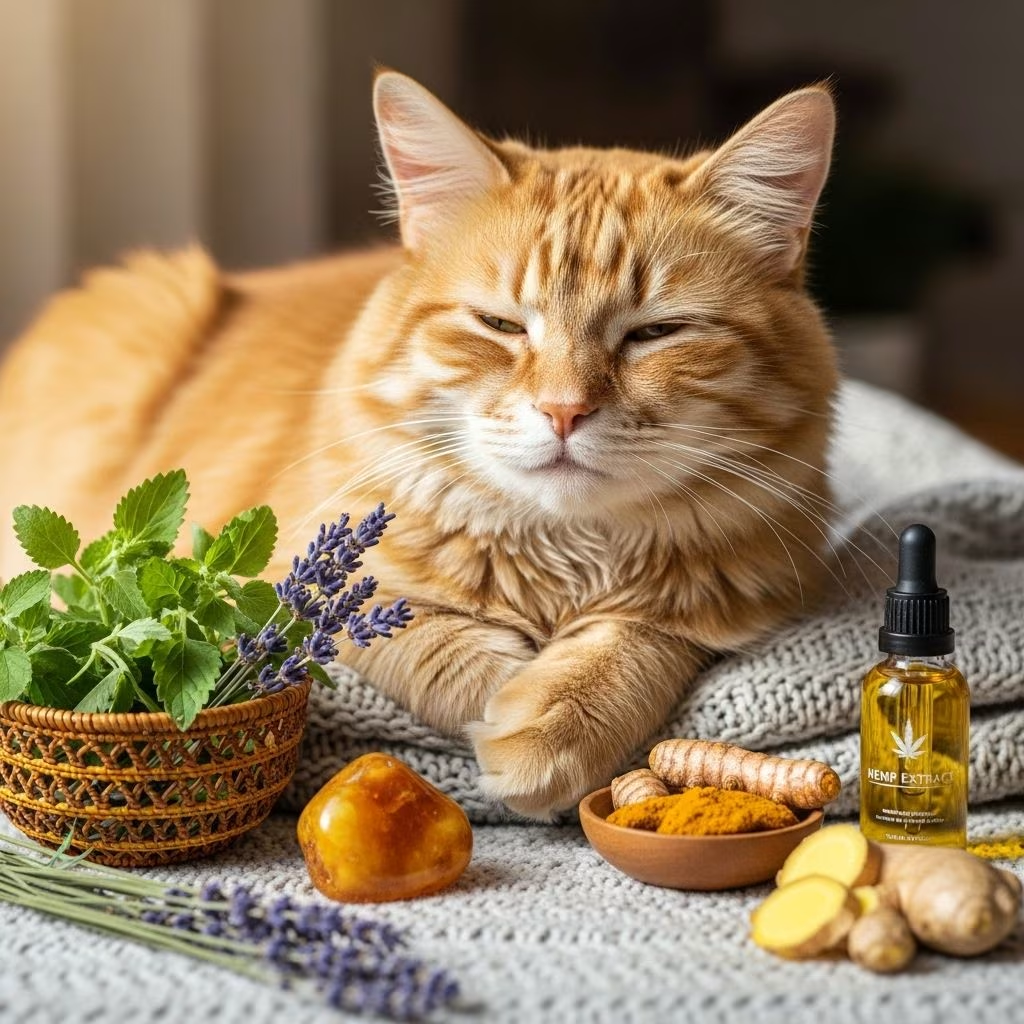
Arthritis is one of the most common yet underdiagnosed conditions affecting cats, particularly as they age. Research indicates that more than 80% of cats over the age of 10 suffer from arthritis, and approximately 90% of cats over 12 years old show signs of this degenerative joint disease. Despite its prevalence, many cat owners remain unaware of their pet’s suffering because cats are remarkably adept at hiding pain and discomfort.
Unlike dogs who often display obvious signs of joint pain through limping or reluctance to walk, cats manifest arthritis through subtle behavioral changes that can easily be mistaken for normal aging. Understanding these signs and exploring natural remedies can significantly improve your cat’s quality of life and help them maintain mobility and comfort in their golden years.
Understanding Arthritis in Cats
Arthritis, also known as osteoarthritis or degenerative joint disease, refers to inflammation of the joints that causes pain, discomfort, and stiffness. Inside healthy joints, bone surfaces are covered with a thin layer of smooth cartilage and lubricated with a small amount of fluid, allowing the joint to move freely without friction. When arthritis develops, this smooth surface becomes damaged and irregular, resulting in the rough bones rubbing together like sandpaper.
This painful grinding not only causes immediate discomfort but also further damages the cartilage and triggers the formation of new bone around the joint. This process makes the joint progressively stiffer and limits movement over time. The most commonly affected joints in cats include the elbows and hips, although shoulders, hocks (ankles), knees, and even the backbone and sternum can develop arthritis.
Recognizing the Signs of Feline Arthritis
Detecting arthritis in cats requires careful observation because feline pain presentation differs significantly from canine arthritis. The most common indicators include behavioral and lifestyle changes rather than obvious physical symptoms.
Decreased Activity and Mobility: Cats with arthritis typically show reduced interest in activities they once enjoyed. They may become reluctant to jump up onto furniture, window sills, or their favorite perches. When they do attempt to jump, they might make multiple attempts before succeeding or jump to significantly lower heights than before. Stairs may become challenging, and you might notice your cat avoiding them altogether.
Changes in Grooming Habits: Arthritic cats often develop dirty or matted fur, particularly on their back, back legs, and tail areas that are difficult to reach. The pain and stiffness make the contortions required for thorough grooming uncomfortable or impossible. Conversely, some cats may overgroom painful joints, leading to stained fur or hair loss in those specific areas.
Litter Box Issues: Because arthritis makes movement painful, cats may struggle to climb into their litter box or position themselves comfortably inside it. This difficulty can result in elimination outside or next to the litter box, which owners might mistakenly attribute to behavioral problems rather than physical pain.
Behavioral and Personality Changes: Arthritic cats frequently become more reclusive, hiding for extended periods or showing less interest in interaction. They may display irritability, becoming grumpier or quieter than usual. Some cats flinch, pull away from being petted, or even bite or scratch when touched on painful areas. Weight loss and muscle wastage may occur due to reduced activity and, in some cases, decreased appetite.
Stiffness and Lameness: While less commonly reported than in dogs, some cats do exhibit limping or a stiff gait, particularly after resting or sleeping. However, in studies of arthritic cats, less than half showed obvious lameness despite having significant joint disease.
Causes and Risk Factors for Cat Arthritis
Understanding what causes arthritis in cats helps inform prevention and treatment strategies. Most feline arthritis cases are classified as primary osteoarthritis, typically caused by age-related wear and tear on the joints. As cats live longer due to improved veterinary care and nutrition, age has become the most significant risk factor for developing arthritis.
However, several other factors can contribute to or accelerate arthritis development. Obesity places additional stress on joints, though it’s worth noting that chronically arthritic cats may actually experience weight loss due to muscle atrophy or reduced appetite. Genetic predisposition plays a role, with certain breeds including Maine Coon, Persian, Scottish Fold, and Siamese cats showing increased susceptibility due to abnormal cartilage or hip development.
Previous injuries such as joint fractures, ligament damage (like ACL tears), or muscle injuries can lead to secondary arthritis later in life. Developmental abnormalities including hip dysplasia and elbow dysplasia create biomechanical stress on joints that accelerates cartilage breakdown. Poor body conformation and immune-mediated diseases can also contribute to arthritis development.
Natural Supplements for Arthritis Relief
Natural supplements offer a gentle, holistic approach to managing feline arthritis by supporting joint health, reducing inflammation, and promoting cartilage repair without the potential side effects associated with conventional medications.
Glucosamine and Chondroitin: These are among the most widely recommended supplements for arthritis in cats. Glucosamine helps rebuild damaged cartilage while chondroitin inhibits enzymes that break down cartilage, working synergistically to slow arthritis progression. These supplements are generally well-tolerated and can be administered long-term. Look for products specifically formulated for cats, as dosing and absorption differ from human or canine supplements.
Omega-3 Fatty Acids: Found in fish oil and krill oil, omega-3 fatty acids possess powerful anti-inflammatory properties that can significantly reduce joint inflammation and pain. EPA and DHA, the active components in omega-3s, help decrease the production of inflammatory compounds in the body. Regular supplementation can improve mobility and reduce stiffness. Choose high-quality, purified fish oil products designed for cats to ensure proper dosing and avoid contaminants.
Green-Lipped Mussel: This New Zealand shellfish contains a unique combination of omega-3 fatty acids, glucosamine, chondroitin, and other nutrients that support joint health. Studies have shown green-lipped mussel to be particularly effective at reducing inflammation and improving joint function in arthritic animals.
MSM (Methylsulfonylmethane): This naturally occurring sulfur compound has anti-inflammatory and pain-relieving properties. MSM supports connective tissue health and may help reduce joint pain and stiffness while improving flexibility.
Turmeric and Curcumin: The active compound curcumin in turmeric provides potent anti-inflammatory effects. However, curcumin has poor bioavailability, so look for supplements that include black pepper extract (piperine) or use specialized formulations designed to enhance absorption.
Dietary Modifications for Arthritic Cats
Nutrition plays a crucial role in managing arthritis naturally. A proper diet can help reduce inflammation, maintain healthy body weight, and provide building blocks for joint repair.
Weight Management: Maintaining an optimal body weight is perhaps the single most important dietary intervention for arthritic cats. Excess weight places additional stress on already painful joints, accelerating cartilage breakdown. If your cat is overweight, work with your veterinarian to develop a gradual, safe weight loss plan. Even modest weight reduction can produce noticeable improvements in mobility and comfort.
High-Quality Protein: Cats are obligate carnivores requiring high-quality animal protein to maintain muscle mass. Arthritic cats, particularly those experiencing muscle atrophy, benefit from diets rich in easily digestible proteins. Adequate protein intake helps preserve muscle that supports and stabilizes joints.
Anti-Inflammatory Foods: Incorporate foods with natural anti-inflammatory properties. Cold-water fish like salmon, mackerel, and sardines provide omega-3 fatty acids. Some cats may benefit from small amounts of bone broth, which contains glucosamine, chondroitin, and collagen that support joint health.
Specialized Joint Support Diets: Several pet food manufacturers offer prescription or specialized diets formulated specifically for joint health. These foods typically contain elevated levels of omega-3 fatty acids, glucosamine, chondroitin, and antioxidants. Discuss with your veterinarian whether a specialized diet might benefit your cat.
Physical Modifications and Environmental Management
Creating an arthritis-friendly environment helps cats maintain independence and reduces pain associated with daily activities.
Litter Box Accessibility: Provide litter boxes with low sides or cut-out entrances to make entry and exit easier. Place multiple boxes on each floor of your home to minimize the need for stair climbing. Ensure boxes are easily accessible and located in quiet, comfortable areas.
Ramps and Steps: Install pet ramps or steps to help your cat access favorite elevated spots without painful jumping. Place steps near beds, sofas, and window perches. Ensure these aids have non-slip surfaces and gentle inclines.
Comfortable Bedding: Provide orthopedic or heated beds that cushion painful joints and provide warmth, which can help reduce stiffness. Place beds in easily accessible locations throughout your home. Heated beds are particularly beneficial as warmth increases blood flow to joints and relaxes surrounding muscles.
Food and Water Bowl Placement: Elevate food and water bowls to a comfortable height to reduce neck and shoulder strain during eating and drinking. Ensure bowls are easily accessible without requiring jumping or stair climbing.
Gentle Exercise and Physical Therapy
While rest is important for managing arthritis pain, complete inactivity can worsen joint stiffness and lead to muscle atrophy. Gentle, appropriate exercise helps maintain muscle strength, joint flexibility, and healthy body weight.
Low-Impact Play: Engage your cat in gentle play sessions using interactive toys that encourage movement without jumping or running. Feather wands, laser pointers (allowing your cat to “catch” something at the end), and slow-moving toys can stimulate activity. Keep sessions short and frequent rather than long and exhausting.
Massage Therapy: Gentle massage can improve circulation, reduce muscle tension around painful joints, and provide comfort. Use slow, gentle circular motions around affected areas, being careful not to apply direct pressure to painful joints. Watch your cat’s body language and stop if they show signs of discomfort.
Passive Range-of-Motion Exercises: With veterinary guidance, you can perform gentle range-of-motion exercises to maintain joint flexibility. These involve slowly and carefully moving the limb through its natural range of motion without forcing or causing pain.
Hydrotherapy: While less common for cats than dogs, some cats tolerate water-based therapy. Hydrotherapy allows exercise with minimal joint stress. This typically requires professional facilities and careful introduction to ensure your cat tolerates the experience.
Holistic and Alternative Therapies
Several complementary therapies show promise in managing feline arthritis naturally.
Acupuncture: This traditional Chinese medicine technique involves inserting thin needles at specific points on the body to stimulate healing and pain relief. Many cats tolerate acupuncture well, and studies suggest it can effectively reduce pain and improve mobility in arthritic animals. Seek a veterinarian certified in veterinary acupuncture.
Cold Laser Therapy: Also called low-level laser therapy, this non-invasive treatment uses specific wavelengths of light to reduce inflammation, decrease pain, and promote tissue healing. Multiple sessions are typically required, but many cats show significant improvement in mobility and comfort.
Chiropractic Care: Veterinary chiropractic adjustments can help address biomechanical issues that contribute to arthritis pain. Misalignments in the spine or joints can place abnormal stress on surrounding structures. A veterinary chiropractor can perform gentle adjustments to improve alignment and function.
CBD Oil: Cannabidiol (CBD) has gained attention for its potential anti-inflammatory and pain-relieving properties. While research specifically on cats is limited, anecdotal reports and preliminary studies suggest some arthritic cats benefit from CBD supplementation. Always use products specifically formulated for pets, start with low doses, and consult your veterinarian, as regulations and safety data continue to evolve.
Herbal Remedies for Feline Arthritis
Various herbs possess anti-inflammatory and pain-relieving properties that may benefit arthritic cats. However, cats are particularly sensitive to many compounds, so herbal remedies should only be used under veterinary guidance.
Boswellia: Also known as Indian frankincense, boswellia contains compounds that inhibit inflammatory pathways. It has been used traditionally for joint conditions and may help reduce pain and improve mobility.
Devil’s Claw: This African herb has demonstrated anti-inflammatory and analgesic properties. While studies in cats are limited, it has shown promise in other species with arthritis.
Yucca: Yucca contains saponins that may help reduce inflammation and pain. It has been used in both human and veterinary medicine for joint conditions.
Ginger: This common spice has anti-inflammatory properties and may help reduce joint pain. However, use extremely cautiously in cats and only under veterinary supervision, as appropriate dosing is critical.
Monitoring and Veterinary Care
While natural remedies can be highly effective, they work best as part of a comprehensive arthritis management plan that includes regular veterinary monitoring.
Schedule regular check-ups to assess your cat’s arthritis progression and overall health. Your veterinarian can evaluate whether natural treatments are providing adequate pain relief or if additional interventions are needed. X-rays may be recommended periodically to assess joint changes, though it’s important to note that X-ray findings don’t always correlate with pain levels in cats.
Be open with your veterinarian about all supplements and natural remedies you’re using, as some may interact with medications or affect lab test results. In some cases, natural remedies may be most effective when combined with conventional treatments like prescription pain medications or arthritis injections.
Track your cat’s progress by noting changes in activity levels, grooming habits, litter box use, and overall demeanor. Many veterinary practices provide quality-of-life assessment tools that can help you objectively evaluate your cat’s comfort and function over time.
Frequently Asked Questions
Q: Can natural remedies completely cure arthritis in cats?
A: No, arthritis is a degenerative condition that cannot be cured. However, natural remedies can significantly reduce pain, slow progression, improve mobility, and enhance quality of life. The goal is management rather than cure.
Q: How long does it take for natural supplements to work for cat arthritis?
A: Most joint supplements require 4-8 weeks of consistent use before noticeable improvements appear. Some cats respond faster, while others may take longer. Patience and consistency are essential when using natural approaches.
Q: Are natural remedies safe to use alongside prescription arthritis medications?
A: Many natural remedies can be safely combined with conventional medications, but always consult your veterinarian first. Some supplements may interact with medications or affect their efficacy, so professional guidance is essential.
Q: What’s the best natural supplement for cat arthritis?
A: There’s no single “best” supplement, as individual cats respond differently. Glucosamine and chondroitin combined with omega-3 fatty acids are most commonly recommended as a starting point. Your veterinarian can help determine the most appropriate supplements for your cat’s specific situation.
Q: Can diet alone manage arthritis in cats?
A: While proper nutrition is crucial for managing arthritis, diet alone is typically insufficient for moderate to severe cases. A comprehensive approach combining diet, supplements, environmental modifications, gentle exercise, and veterinary care produces the best results.
Q: Should I stop conventional arthritis medications if I start natural remedies?
A: Never discontinue prescribed medications without veterinary guidance. Natural remedies often work best alongside conventional treatments. Your veterinarian can help develop an integrated plan and may gradually reduce medications if natural approaches prove effective.
Q: How can I tell if natural remedies are working for my cat’s arthritis?
A: Look for increased activity levels, improved grooming, better litter box use, increased jumping or climbing, reduced hiding, improved appetite, and more positive social interactions. Keep a journal to track subtle changes over time.
Creating a Comprehensive Natural Arthritis Management Plan
Successfully managing feline arthritis naturally requires a multifaceted approach tailored to your individual cat’s needs. Begin by working with your veterinarian to confirm the arthritis diagnosis and rule out other conditions that might cause similar symptoms. Discuss which natural remedies are most appropriate for your cat based on their specific health status, severity of arthritis, and any concurrent medical conditions.
Start with foundational interventions including weight management if needed, high-quality nutrition, and basic environmental modifications. Introduce supplements gradually, beginning with well-researched options like glucosamine, chondroitin, and omega-3 fatty acids. Monitor your cat’s response over several weeks before adding additional supplements or therapies.
Create an arthritis-friendly home environment with accessible litter boxes, comfortable bedding, ramps or steps, and properly positioned food and water bowls. Engage your cat in appropriate gentle exercise to maintain muscle strength and joint flexibility without causing pain or exhaustion.
Consider incorporating complementary therapies like acupuncture, laser therapy, or massage if your cat is receptive. These can provide significant pain relief and functional improvement for many arthritic cats.
Most importantly, maintain open communication with your veterinary team. Regular monitoring ensures treatments remain effective and allows for adjustments as your cat’s condition changes. While arthritis cannot be cured, a thoughtful combination of natural remedies and lifestyle modifications can help your cat maintain comfort, mobility, and quality of life well into their senior years. With patience, dedication, and a comprehensive approach, many cats with arthritis continue to enjoy active, happy lives despite their joint disease.
References
- https://www.bluecross.org.uk/advice/cat/health-and-injuries/arthritis-in-cats
- https://www.webmd.com/pets/cats/cat-arthritis-symptoms-pain-relief
- https://www.medivetgroup.com/pet-care/pet-advice/arthritis-in-cats/
- https://todaysveterinarypractice.com/orthopedics/diagnosis-and-management-of-feline-osteoarthritis/
- https://www.fda.gov/animal-veterinary/animal-health-literacy/osteoarthritis-cats-more-common-you-think
- https://www.goodrx.com/pet-health/cat/signs-of-arthritis-in-cats
- https://www.petmd.com/cat/conditions/musculoskeletal/arthritis-cats
- https://icatcare.org/articles/arthritis-in-cats


