


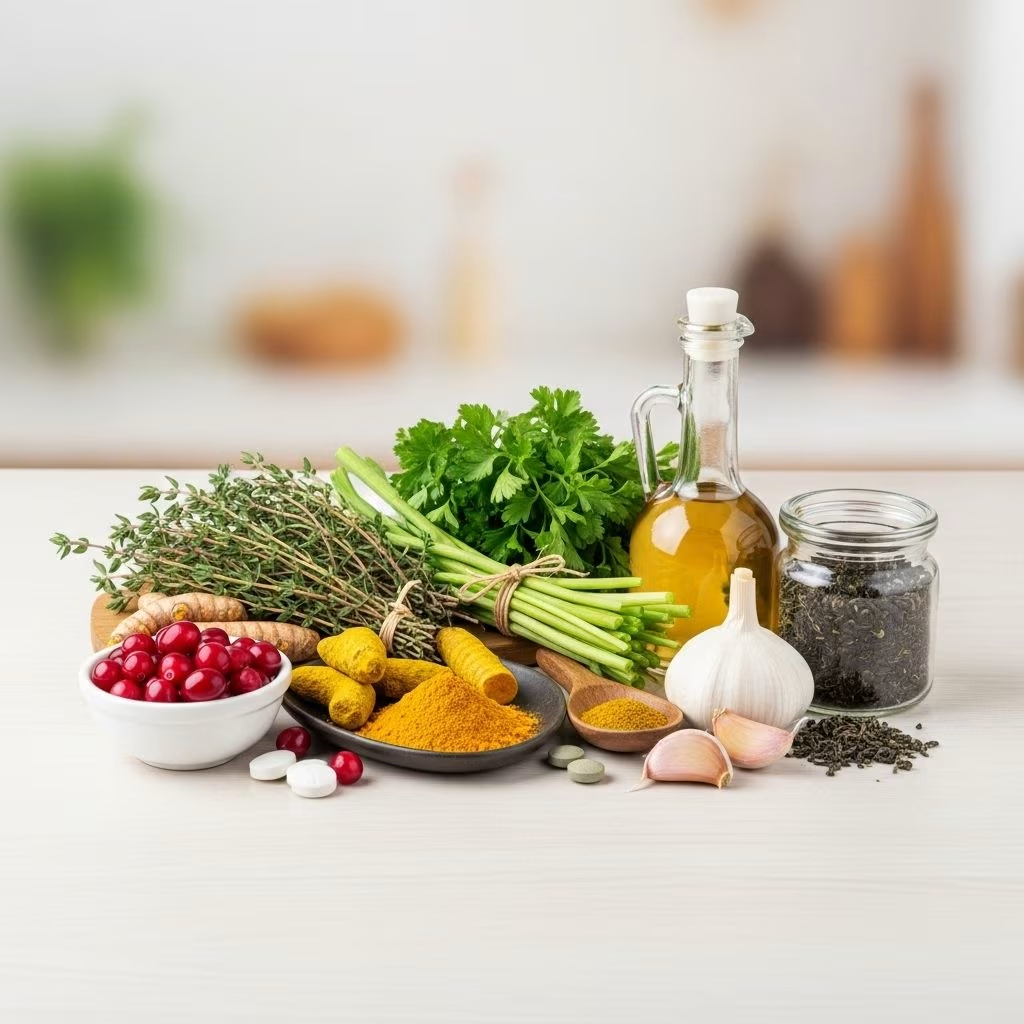
Urethritis, epididymitis, and prostatitis represent a spectrum of inflammatory conditions affecting the male urogenital system that can cause significant discomfort and impact quality of life. While conventional medical treatment remains essential, particularly for bacterial infections, many individuals seek complementary natural approaches to manage symptoms and support healing. This comprehensive guide explores evidence-based natural remedies, herbal treatments, dietary modifications, and lifestyle adjustments that may help alleviate these challenging conditions.
Understanding Urogenital Inflammatory Conditions
Before exploring natural remedies, it’s crucial to understand what these conditions entail. Prostatitis refers to inflammation of the prostate gland, which can manifest as acute bacterial prostatitis, chronic bacterial prostatitis, or chronic nonbacterial prostatitis (also called chronic pelvic pain syndrome). Symptoms typically include urinary urgency, pain during urination, pelvic discomfort, and sometimes pain during ejaculation.
Epididymitis involves inflammation of the epididymis, the coiled tube at the back of the testicle that stores and carries sperm. This condition causes testicular pain, swelling, and can lead to complications including inflammation that affects fertility if left untreated.
Urethritis is inflammation of the urethra, the tube that carries urine from the bladder out of the body. It commonly presents with painful urination, discharge, and frequent urge to urinate. These conditions often share similar underlying causes, including bacterial infections (particularly E. coli), sexually transmitted infections, or non-infectious inflammatory processes.
Herbal Remedies for Prostatitis and Urogenital Health
Several herbs have demonstrated potential benefits for managing urogenital inflammatory conditions, though the strength of evidence varies. Understanding which herbs target specific symptoms can help create a comprehensive natural treatment approach.
Quercetin: The Anti-Inflammatory Bioflavonoid
Quercetin stands out as one of the most promising natural treatments for chronic nonbacterial prostatitis. This water-soluble plant compound belongs to the bioflavonoid family and possesses potent anti-inflammatory and antioxidant properties. In a double-blind trial involving thirty men with severe chronic nonbacterial prostatitis, participants who received 500 milligrams of quercetin twice daily for one month experienced significantly greater improvement compared to the placebo group, with the most notable gains in pain reduction.
The anti-inflammatory mechanism of quercetin works by inhibiting inflammatory pathways and reducing oxidative stress in prostate tissue. For optimal absorption, quercetin should be taken with bromelain, a proteolytic enzyme that enhances its bioavailability.
Grass Pollen Extract: Evidence-Based Relief
Grass pollen extract, also known as cernilton or rye grass pollen extract, has shown promise in clinical research. A six-month double-blind study of sixty men with nonbacterial prostatitis found that grass pollen extract was more effective than placebo in managing symptoms. This remedy is better known for treating benign prostatic hypertrophy (BPH) but appears to offer benefits for prostatitis as well.
The extract contains amino acids, vitamins, minerals, and enzymes that may help reduce inflammation and support prostate function. While the exact mechanisms remain under investigation, the clinical evidence suggests meaningful symptom relief for many patients.
Uva Ursi: Fighting Bacterial Infections
Uva ursi (bearberry) has been traditionally used for urinary tract infections and can help fight E. coli pathogens, a common cause of bacterial prostatitis and urethritis. The recommended dosage is 500 to 1,000 milligrams taken three times daily. Interestingly, uva ursi works more effectively when urine is alkaline, which can be achieved by avoiding meat and taking a quarter teaspoon of baking soda with each dose.
This herb contains arbutin, which converts to hydroquinone in alkaline urine, providing antiseptic properties in the urinary tract. However, uva ursi should not be used long-term due to potential liver toxicity with extended use.
Scutellaria: The Multipurpose Infection Fighter
Scutellaria (skullcap) capsules offer broad-spectrum antimicrobial properties and can be used to treat various infections, including antibiotic-resistant strains of Chlamydia. The typical dosage ranges from 250 to 500 milligrams taken three times daily until symptoms subside. This herb should not be used by individuals experiencing diarrhea at the onset of prostatitis.
Additional Herbal Options
Several other herbs have been traditionally used for urogenital conditions, though scientific evidence for their effectiveness remains limited. These include saw palmetto, which is primarily known for BPH treatment but has been suggested for prostatitis; pygeum, which shows preliminary evidence for prostatitis relief; and catuaba tincture, which may help normalize prostate function and prevent E. coli re-infection.
Herbs like buchu, couch grass, marshmallow, and pipsissewa have been used in traditional medicine for urinary tract support, while goldenseal, echinacea, and garlic offer immune-boosting and antimicrobial properties.
Nutritional Supplements and Vitamins
Blueberries: Nature’s E. Coli Fighter
Blueberries contain chemical compounds that prevent E. coli bacteria from adhering to the lining of the prostate gland and urinary tract. Regular consumption of blueberries can help reduce infection risk and support recovery. Similarly, cranberry, which is well-known for preventing urinary tract infections, may offer comparable benefits.
Vitamin and Mineral Considerations
Zinc plays an important role in prostate health and immune function, making supplementation potentially beneficial. Vitamin C supports immune response and may help acidify urine in certain contexts. However, patients with prostatitis should avoid iron supplements and iron-rich foods, as iron promotes bacterial growth and can worsen infections.
Multivitamin-multimineral supplements can help ensure adequate nutrient intake during recovery, though specific deficiencies should be addressed individually. Proteolytic enzymes like bromelain may help reduce inflammation and improve the absorption of other supplements.
Dietary Modifications for Symptom Management
Diet plays a crucial role in managing urogenital inflammatory conditions. Certain foods and beverages can irritate the bladder and worsen symptoms, while others support healing and reduce inflammation.
Foods and Beverages to Avoid
To minimize bladder irritation, avoid alcohol, caffeinated beverages (coffee, tea, energy drinks), citrus juices, and hot or spicy foods. These substances can aggravate inflammation and increase urinary urgency and discomfort. Processed foods should also be limited, as they often contain additives and excessive sodium that may contribute to inflammation.
Beneficial Dietary Choices
A healthful diet rich in anti-inflammatory foods supports recovery. Focus on whole grains, fresh vegetables, lean proteins (while limiting red meat during acute phases), and healthy fats from sources like fish, nuts, and olive oil. Consuming foods high in antioxidants helps combat oxidative stress and supports immune function.
Hydration: The Foundation of Urinary Health
Adequate fluid intake is essential for managing urogenital conditions. Drinking at least eight to sixteen glasses of water daily helps flush bacteria from the bladder and urinary tract, reducing bacterial load and alleviating symptoms. Increased urination frequency resulting from higher fluid intake effectively eliminates proliferating bacteria and decreases urinary discomfort.
Choose water and non-caffeinated herbal teas over other beverages. While increased fluid intake is generally beneficial, individuals should avoid drinking large amounts of fluids that contain caffeine, as these can irritate the bladder.
Lifestyle Modifications and Home Remedies
Heat Therapy for Symptom Relief
Warm sitz baths or regular warm baths provide topical relief from acute symptoms of prostatitis and epididymitis. The warmth soothes the irritated perineal area and alleviates lower back pain that often accompanies these conditions. For epididymitis, however, cold packs applied to the scrotum may be more effective in reducing swelling and pain. Using a heating pad can also provide comfort during flare-ups.
Physical Activity Adjustments
Certain activities can aggravate urogenital conditions. Avoid activities that put pressure on the prostate, such as bicycling, horseback riding, or prolonged sitting on hard surfaces. When sitting is necessary, use a cushion to reduce pressure on the pelvic area. Rest in bed when symptoms are severe, and for epididymitis, lie down with the scrotum elevated to reduce swelling.
Stress Reduction Techniques
Stress can exacerbate symptoms of chronic prostatitis and pelvic pain. Implementing stress reduction techniques such as meditation, deep breathing exercises, yoga, or progressive muscle relaxation may help manage symptoms. Reducing overall stress levels can also support immune function and promote healing.
Sexual Health Practices
Regular ejaculation (at least once weekly) may help prevent chronic or recurring prostatitis by clearing prostatic secretions. Using protection during sexual activity reduces the risk of sexually transmitted infections that can cause urethritis and epididymitis. Maintaining healthy sexual practices is an important component of urogenital health.
Alternative Therapies with Supporting Evidence
Acupuncture for Pain Management
Acupuncture has been explored as a supportive therapy for prostatitis and related conditions. This traditional Chinese medicine practice involves inserting very thin needles at specific points on the body to influence energy flow and reduce pain. Some studies indicate that acupuncture may help relieve symptoms of chronic prostatitis, though more research is needed to confirm its effectiveness.
Biofeedback for Pelvic Floor Dysfunction
Biofeedback is a mind-body technique that helps individuals learn to control certain bodily functions, including pelvic floor muscle responses. During biofeedback sessions, patients are connected to electrical sensors that provide feedback about muscle tension and function. This therapy shows promise for easing symptoms of prostatitis, particularly when pelvic floor dysfunction contributes to chronic pelvic pain.
Important Safety Considerations
While natural remedies can provide meaningful symptom relief, several important safety considerations must be kept in mind. Many herbs and supplements lack robust scientific backing, and some may interact negatively with conventional medications. Always consult with a healthcare professional before starting any herbal treatment, especially if you’re taking prescription medications or have underlying health conditions.
Bacterial forms of these conditions require antibiotic treatment to prevent serious complications such as kidney damage, bacteremia (bacterial infection of the blood), prostatic abscess, semen abnormalities, and infertility. Natural remedies should complement, not replace, appropriate medical care when bacterial infections are present.
If symptoms persist, worsen, or are accompanied by fever, severe pain, or blood in urine or semen, seek immediate medical attention. Acute prostatitis can cause urethral blockage, leading to bladder dysfunction and permanent kidney damage if left untreated.
Creating a Comprehensive Treatment Approach
The most effective strategy for managing urethritis, epididymitis, and prostatitis typically involves combining multiple approaches. Start with fundamental lifestyle modifications: increase water intake, eliminate bladder irritants from your diet, apply heat or cold therapy as appropriate, and adjust physical activities to reduce pelvic pressure.
Layer in evidence-based supplements like quercetin for chronic nonbacterial prostatitis or grass pollen extract for broader prostate support. If bacterial infection is suspected or confirmed, work with your healthcare provider to determine whether herbal antimicrobials like uva ursi can complement conventional treatment.
Consider alternative therapies such as acupuncture or biofeedback, particularly for chronic conditions that haven’t responded well to other interventions. Throughout treatment, maintain open communication with your healthcare team about all natural remedies you’re using to ensure safety and optimize outcomes.
Frequently Asked Questions (FAQs)
Q: How long does it take for natural remedies to work for prostatitis?
A: The timeframe varies depending on the severity of symptoms and the specific remedies used. In clinical studies, quercetin showed benefits within one month, while grass pollen extract required up to six months for optimal results. Lifestyle modifications like increased hydration may provide relief within days, while herbal treatments typically require several weeks of consistent use.
Q: Can I use natural remedies instead of antibiotics for bacterial prostatitis?
A: No. Bacterial prostatitis requires antibiotic treatment to eliminate the infection and prevent serious complications such as kidney damage, blood infections, and prostatic abscess. Natural remedies can be used alongside antibiotics to support healing and manage symptoms, but should never replace prescribed antibiotics for confirmed bacterial infections.
Q: Are there any natural remedies specifically for epididymitis?
A: While specific research on natural remedies for epididymitis is limited, many of the same approaches used for prostatitis may be beneficial, including anti-inflammatory herbs, adequate hydration, and lifestyle modifications. Traditional Chinese medicine has explored treatments for epididymitis, though more research is needed. Rest, scrotal elevation, and cold packs are important home remedies for acute epididymitis.
Q: What’s the difference between chronic bacterial and nonbacterial prostatitis?
A: Chronic bacterial prostatitis is caused by persistent bacterial infection in the prostate, while chronic nonbacterial prostatitis (chronic pelvic pain syndrome) involves inflammation and pain without detectable bacterial infection. The latter is more common and often responds better to natural anti-inflammatory treatments like quercetin, whereas bacterial forms require antibiotics.
Q: Should I avoid all caffeine when dealing with these conditions?
A: It’s advisable to eliminate or significantly reduce caffeine intake during active symptoms, as caffeine irritates the bladder and can worsen urinary urgency and discomfort. Once symptoms improve, you may gradually reintroduce small amounts of caffeine to determine your individual tolerance level.
Q: How important is diet in managing urogenital inflammatory conditions?
A: Diet plays a crucial role in symptom management. Avoiding bladder irritants (alcohol, caffeine, spicy foods, citrus) can significantly reduce discomfort, while consuming anti-inflammatory foods and staying well-hydrated supports healing. Some individuals find that dietary modifications alone provide substantial symptom relief.
Q: Can stress make prostatitis worse?
A: Yes, stress can exacerbate symptoms of chronic prostatitis and pelvic pain. Stress affects immune function, increases muscle tension (including pelvic floor muscles), and may intensify pain perception. Stress reduction techniques are an important component of comprehensive treatment for chronic urogenital conditions.
Q: Is it safe to combine multiple herbal remedies?
A: While combining herbs is common in natural medicine, it’s essential to consult with a knowledgeable healthcare provider or herbalist before taking multiple supplements simultaneously. Some herbs may have overlapping effects or interact with each other or with medications. Start with one or two well-researched remedies and add others gradually while monitoring for any adverse effects.
References
- https://www.ebsco.com/research-starters/complementary-and-alternative-medicine/natural-treatments-prostatitis
- https://www.herbs2000.com/disorders/prostatitis.htm
- https://www.medicalnewstoday.com/articles/321027
- https://www.mayoclinic.org/diseases-conditions/prostatitis/diagnosis-treatment/drc-20355771
- https://www.mayoclinic.org/diseases-conditions/epididymitis/diagnosis-treatment/drc-20363854
- https://pmc.ncbi.nlm.nih.gov/articles/PMC6587607/
- https://www.mountsinai.org/health-library/diseases-conditions/prostatitis-bacterial
- https://my.clevelandclinic.org/health/diseases/17697-epididymitis
- https://www.aafp.org/pubs/afp/issues/2000/0515/p3015.html
- https://medlineplus.gov/ency/patientinstructions/000395.htm


