


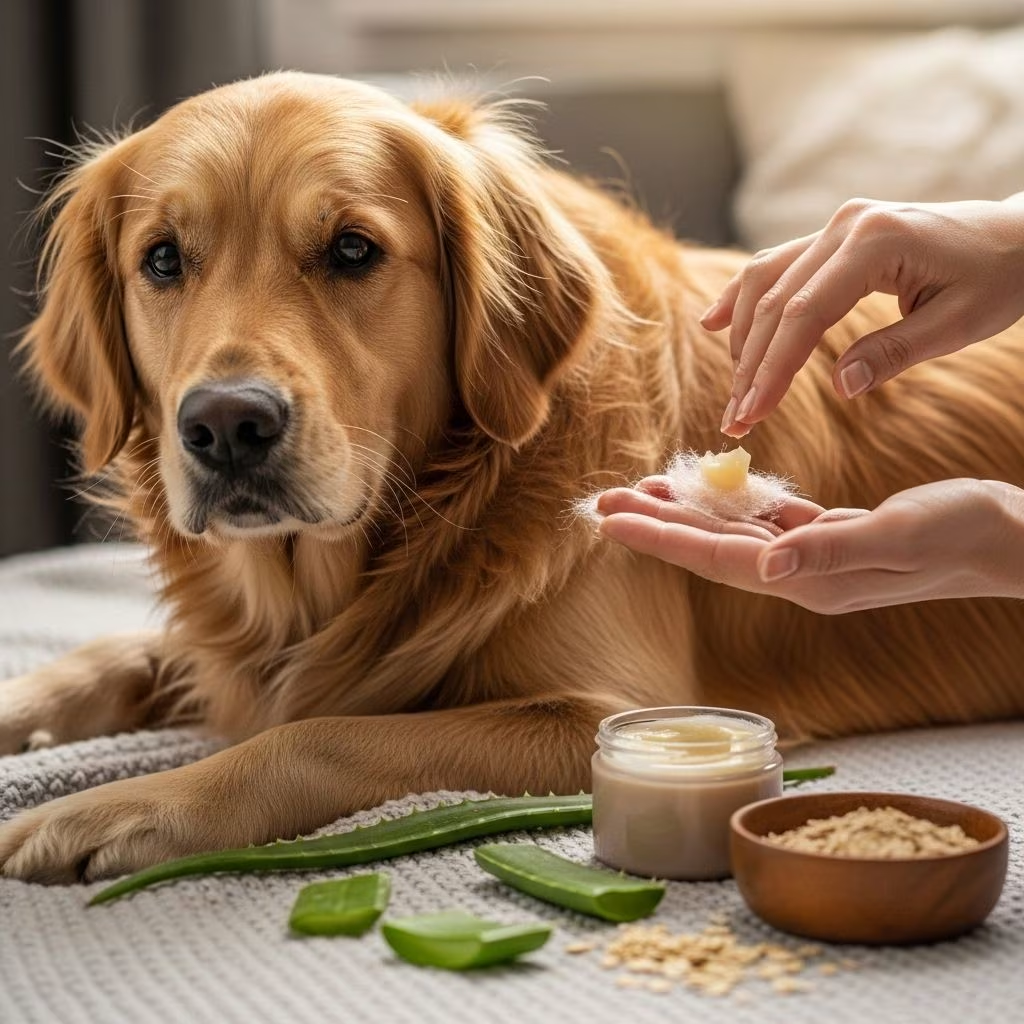
Remedies for Dogs With Dry Skin: Practical Relief and Prevention
Dry skin is a common concern among dog owners. It can cause discomfort, frequent scratching, and even lead to skin infections if left untreated. Fortunately, there are numerous safe, effective, and affordable ways to soothe your dog’s dry skin and keep their coat healthy. In this comprehensive guide, discover the causes of dry skin, vet-approved home remedies, practical prevention strategies, and answers to frequently asked questions.
Why Do Dogs Get Dry Skin?
Understanding the root causes of dryness helps you choose the right remedies and prevent recurrence. Common causes include:
- Weather conditions: Cold weather and low humidity, or excessive time in heated or air-conditioned environments, can reduce moisture in the skin.
- Allergies: Sensitivities to foods, pollens, or flea bites frequently trigger dry, irritated skin.
- Poor diet: Diets low in essential fatty acids inhibit natural skin hydration and health.
- Parasites: Fleas, mites, and ticks can lead to inflammation and excessive scratching.
- Frequent or harsh bathing: Overwashing or using strong shampoos strips natural oils.
- Underlying medical conditions: Disorders like hypothyroidism or fungal infections can disrupt normal skin function.
Top Home Remedies for Dog Dry Skin
Always consult your veterinarian before starting new treatments, especially if your dog’s skin is severely irritated or shows open sores.
1. Coconut Oil Massage
Coconut oil is a natural moisturizer for dry, flaky skin. It contains lauric acid with antibacterial properties and soothes itching:
- Gently warm coconut oil by rubbing between your hands and massage into your dog’s affected areas 2-3 times a week.
- Coconut oil can also be added sparingly to food (ask your vet for recommended amounts) for internal benefits.
2. Oatmeal Bath
Oatmeal has renowned anti-inflammatory and anti-itch properties. It acts as a gentle cleanser and moisturizer:
- Grind plain, unsweetened oats to a fine powder and mix into warm bath water until milky.
- Let your dog soak for 10–15 minutes to soothe irritation.
- Optional: Add a small amount of olive oil or milk for enhanced moisture.
3. Olive Oil
Olive oil is rich in healthy fats and antioxidants:
- Apply a very small amount directly to dry patches, or add a tablespoon to your dog’s food 2-3 times per week.
- It boosts moisture and supports a shiny, healthy coat.
4. Fish Oil Supplements
Fish oil is a source of essential omega-3 fatty acids:
- Supplements reduce inflammation and improve skin barrier function.
- Choose a dog-safe product and consult your vet for dosage.
- Look for improvements in coat gloss and skin comfort after several weeks.
5. Aloe Vera Gel
Pure aloe vera has natural anti-inflammatory, healing, and moisturizing properties:
- Apply only 100% aloe vera gel (no added colors or fragrances) to itchy or flaky areas.
- Let it air dry; prevent your dog from licking the treated area until it’s absorbed.
6. Apple Cider Vinegar Rinse
Apple cider vinegar (ACV) can help balance skin pH and has antimicrobial effects:
- Mix 1 part ACV to 2-3 parts water. Use as a rinse after bathing or apply with a clean cloth to affected sites.
- Do not use on open sores or raw skin, as it will cause stinging and irritation.
- Consult your vet before frequent topical use.
7. Chamomile or Green Tea Bath
Chamomile and green tea provide mild, natural soothing effects:
- Brew strong tea, let it cool, and pour over the affected area or use as a soak for smaller patches.
- Both teas have anti-inflammatory and anti-itch properties and can give temporary relief for generalized itchiness.
8. Epsom Salt Soak
Epsom salts can calm itchiness, especially on the paws or elbows:
- Add several tablespoons of Epsom salts to a basin of warm water and bathe affected paws for 5–10 minutes.
- Never let your dog ingest the water.
9. Probiotics
Gut health can influence skin health. A balanced gut microbiome helps control inflammation and prevents yeast overgrowth:
- Add a small spoonful of plain, unsweetened yogurt to meals 2-3 times per week, if your dog tolerates dairy.
- Alternatively, discuss probiotic supplements made for dogs with your vet.
Essential Lifestyle Changes for Preventing Dry Skin in Dogs
- Use a humidifier: Adding moisture to the air, especially in winter or arid climates, supports skin hydration.
- Balanced diet: Choose high-quality food with essential fatty acids and monitor for food sensitivities or allergies.
- Hydration: Ensure your dog has access to clean, fresh water at all times.
- Groom regularly: Brushing distributes natural oils, removes dirt and dead skin, and stimulates skin health.
- Bathe wisely: Bathe only as needed using a gentle, moisturizing dog shampoo. Avoid over-bathing, which strips protective oils.
- Choose the right grooming products: Oatmeal-based and fragrance-free products are best for sensitive, dry skin.
- Protect against parasites: Maintain a vet-recommended parasite prevention schedule.
Choosing Dog-Safe Products
Not all human products are safe for pets! For topical use or shampoos, always select those labeled as veterinarian-approved or formulated for dogs. Look for key soothing ingredients such as:
- Vitamin E
- Aloe vera
- Oatmeal
- Chamomile
These natural ingredients are known to provide gentle relief without harsh chemicals.
When to Call the Vet
Most cases of mild dry skin respond well to home care and dietary tweaks. However, seek veterinary attention if you notice:
- Excessive licking, biting, or persistent itching
- Open sores, bleeding, or pus
- Hair loss in patches
- Scabs or waxy/hard skin areas
- Rapid worsening or signs of pain
Underlying health conditions, such as hypothyroidism, allergies, or infections, may require a tailored treatment plan or prescription medications.
Summary Table: Remedies and Their Uses
| Remedy | Key Action | How to Use | Notes |
|---|---|---|---|
| Coconut Oil | Moisturizes, soothes | Massage into skin or add to food | Start with small amounts; monitor for allergies |
| Oatmeal Bath | Soothes itch, hydrates | Add ground oatmeal to warm bath | Use unsweetened oats |
| Fish Oil | Reduces inflammation | Supplement in food | Vet-approved dosage only |
| Aloe Vera | Heals, moisturizes | Apply pure gel to affected skin | No additives; prevent licking |
| Apple Cider Vinegar | Balances pH, antimicrobial | Dilute in water, apply topically | Avoid open wounds |
| Olive Oil | Moisturizes, nourishes | Direct application or dietary supplement | Use sparingly |
| Chamomile/Green Tea | Soothes, calms | Cool tea applied to skin/bath | Don’t use on deep wounds |
| Epsom Salt | Soothes, exfoliates | Add to warm water soak | Prevent ingestion |
| Probiotics | Improves gut & skin health | Feed plain yogurt or supplements | Check for dairy tolerance |
Preventing Recurrence of Dry Skin
Prevention is easier than cure. Follow these simple strategies to reduce the likelihood of future flare-ups:
- Feed a balanced, nutrient-rich diet with omega fatty acids.
- Brush your dog regularly to remove loose hair and distribute oils.
- Keep baths occasional, using gentle, dog-specific shampoos.
- Monitor regularly for fleas or signs of skin irritation and address promptly.
- Maintain a stable indoor humidity level, especially in climates with dry air.
- Work with your vet to tailor care to your dog’s unique needs or suspected food/environmental allergies.
Frequently Asked Questions (FAQs)
Q: Can I use human lotion or moisturizer on my dog’s dry skin?
A: No, most human lotions contain fragrances and chemicals that may irritate dogs’ skin or be toxic if ingested. Always use products formulated for dogs, or natural remedies like coconut oil, olive oil, or aloe vera (pure, dog-safe).
Q: How often should I bathe a dog with dry skin?
A: Bathe your dog only as needed using a gentle, moisturizing, and fragrance-free dog shampoo. Overbathing can worsen dryness. For mild dryness, once every 4–6 weeks is usually sufficient unless otherwise advised by your vet.
Q: Are there certain breeds more prone to dry skin?
A: Breeds with folds (e.g., Bulldogs, Shar Pei), hairless breeds (e.g., Chinese Crested), and those with undercoats (e.g., Huskies) may be more vulnerable. However, all breeds can develop dry skin, especially during winter or with dietary deficiencies.
Q: Is dry skin always caused by allergies?
A: No. While allergies are a common cause, factors such as climate, bathing habits, diet, parasites, and medical issues can also contribute.
Q: When should I worry about my dog’s dry skin?
A: If dry skin persists despite home remedies, or if your dog develops sores, scabs, significant hair loss, or appears distressed, see your veterinarian to rule out infections, parasites, or underlying medical conditions.
Key Takeaways
- Effective dry skin remedies include coconut oil, oatmeal baths, olive oil, and fish oil supplements.
- Lifestyle tweaks such as humidifiers, diet upgrades, and gentle grooming make a big difference.
- Consult your vet for persistent cases or if you notice signs of distress, infection, or rapid worsening.
References
- https://www.holistapet.com/blogs/home-remedies-for-dogs/what-is-the-best-dog-dry-skin-remedy
- https://nikolausnature.com/blogs/dog-health/dry-skin-on-dogs
- https://www.papayapet.com/resources/itch-relief-for-dog-skin/
- https://nutri-vet.com/blogs/news/dry-skin-dogs-winter-remedies
- https://www.petmd.com/dog/general-health/home-remedies-for-dogs
- https://www.splootvets.com/post/how-to-moisturize-dog-skin-cure-dryness
- https://housecallsvet.net/blog/easy-treatments-to-fix-your-pets-dry-skin/


