


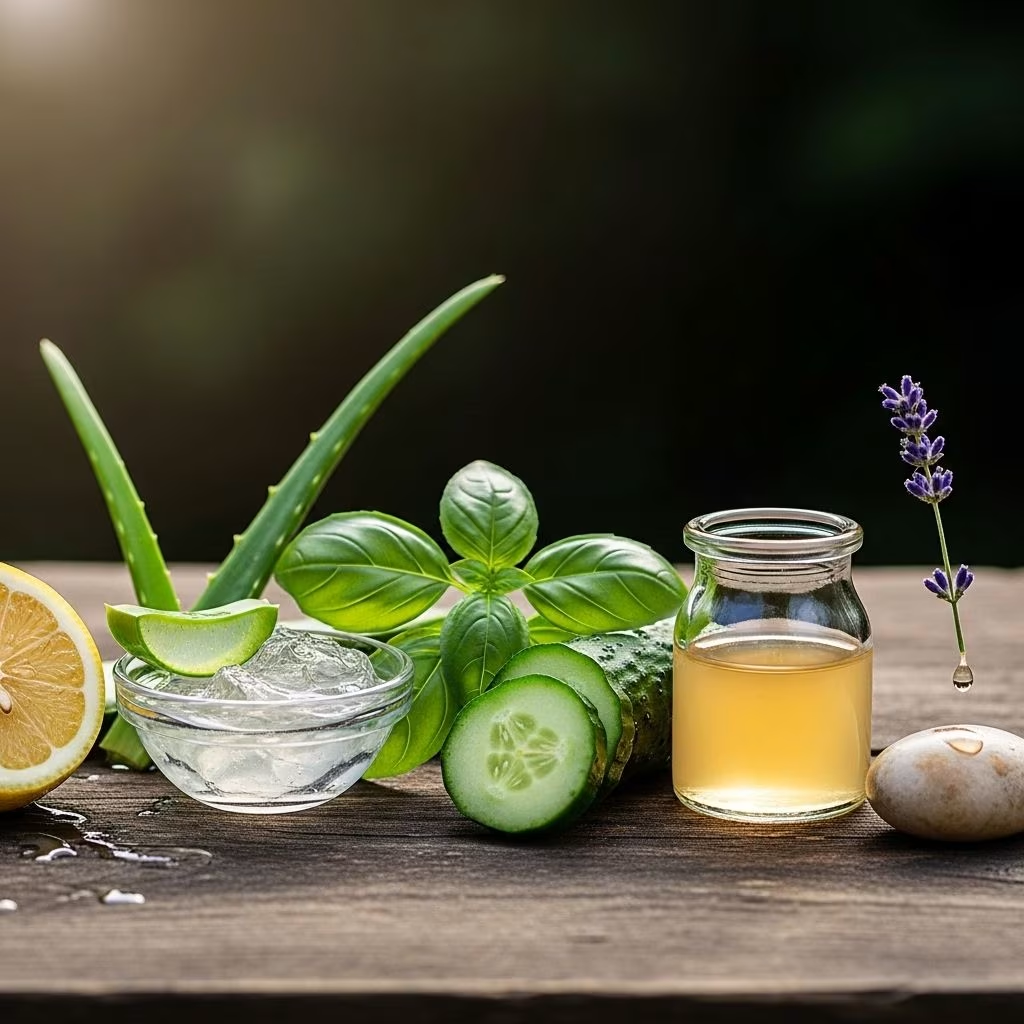
Natural Remedies for Pregnancy Heartburn
Pregnancy is an exciting journey, but it can also bring unexpected discomforts – and heartburn often tops that list for many expectant mothers. Characterized by a burning sensation in the chest and throat, heartburn can disrupt sleep and make daily activities uncomfortable. Fortunately, a variety of natural remedies and simple lifestyle modifications can provide safe, effective relief. This comprehensive guide explores why heartburn occurs during pregnancy, the most effective natural solutions, dietary and lifestyle changes, and advice on when to seek medical guidance.
Understanding Pregnancy Heartburn
Heartburn during pregnancy is primarily caused by hormonal changes. Elevated levels of the hormones progesterone and estrogen relax the lower esophageal sphincter (LES) — the muscle that prevents stomach acid from moving up into the esophagus. As a result, acid can reflux, causing the classic burning sensation that makes heartburn so uncomfortable. The expanding uterus further exacerbates the problem by putting extra pressure on the stomach, especially in the later stages of pregnancy.
While heartburn is common and often harmless, persistent or severe symptoms can impact a mother’s quality of life and well-being.
Common Symptoms of Pregnancy Heartburn
- Burning sensation behind the breastbone or in the throat
- Bitter or sour taste in the mouth
- Chest discomfort after eating
- Bloating and burping
- Regurgitation of food or acid
Why Is Heartburn More Likely During Pregnancy?
The likelihood of experiencing heartburn increases during pregnancy due to:
- Hormonal shifts: Progesterone relaxes muscles throughout the body, including those in the digestive tract, slowing down digestion and relaxing the LES.
- Physical pressure: As the baby grows, the uterus expands and pushes against the stomach, encouraging acid to move upward.
- Dietary changes: Food cravings or aversions may lead to increased intake of heartburn-triggering foods.
Natural Remedies for Fast Relief
Many mothers seek drug-free, gentle ways to manage heartburn during pregnancy. Below are widely recommended and generally safe natural remedies, although it’s always wise to speak with your healthcare provider before trying new remedies.
1. Yogurt
Eating a small amount of plain yogurt can soothe the esophagus and stomach lining. Probiotics in yogurt help maintain a healthy digestive tract, while its cool texture can immediately reduce burning discomfort.
2. Milk with Honey
A glass of warm milk with a tablespoon of honey is a time-honored home remedy. Honey contains natural anti-inflammatory compounds, while milk can help neutralize stomach acid. Always use pasteurized milk and honey.
3. Almonds
Chewing a handful of raw almonds may help ease heartburn symptoms. Almonds contain natural oils and are less acidic than many other nuts, helping to buffer stomach acid and reduce reflux.
4. Pineapple and Papaya
Pineapple and papaya contain digestive enzymes (bromelain and papain, respectively) that can facilitate digestion and minimize acid reflux. Consuming a few slices after meals can be beneficial. Papaya enzyme supplements are also available, but consult your doctor before using them regularly.
5. Ginger
Ginger is a well-known remedy for digestive complaints, and it can also help alleviate heartburn by reducing inflammation and calming the stomach. Ginger tea, ginger chews, or thin slices steeped in hot water are popular choices. Use ginger in moderation, as excessive amounts may not be safe for pregnancy.
6. Peppermint
Peppermint tea or sucking on sugar-free peppermint candies can ease mild heartburn for some pregnant women. However, peppermint isn’t suitable for everyone—it can sometimes worsen symptoms in women with GERD, so monitor your response.
7. Coconut Water
Coconut water has a naturally soothing effect and can help neutralize acid. Sipping on coconut water throughout the day is a gentle way to reduce discomfort.
8. Fennel
Fennel tea or small amounts of fennel seeds can help relax the digestive tract, reduce inflammation, and minimize symptoms of heartburn and indigestion.
9. Lemon Water
Lemon water can help balance stomach acidity and improve digestion. Add some fresh lemon juice to a glass of water and sip slowly. Avoid excess, as too much lemon may provoke symptoms in some women.
10. Apple Cider Vinegar
A teaspoon of apple cider vinegar mixed in a tall glass of water helps some women regulate stomach acid and reduce heartburn symptoms. Always dilute vinegar well and use only small amounts.
11. Chewing Sugar-Free Gum
Chewing sugar-free gum after meals increases saliva production, which can help wash acid back down into the stomach and alleviate symptoms. Gum should be sugar-free to protect dental health.
Dietary Adjustments for Heartburn Prevention
Diet plays a critical role in managing and preventing heartburn during pregnancy. Here are evidence-based tips to help prevent symptoms:
- Eat small, frequent meals: Instead of three large meals, opt for 5–6 smaller meals spaced throughout the day. This reduces pressure on the stomach.
- Avoid trigger foods: Spicy, fatty, and fried foods, as well as citrus, tomatoes, onions, and chocolate, often worsen heartburn. Limit or avoid these as needed.
- Choose gentle proteins: Lean meats, grilled chicken, fish, and plant-based proteins like legumes tend to be gentler on digestion.
- Eat slowly and chew thoroughly: Eating too quickly can introduce excess air and increase the risk of reflux.
- Separate desserts and fruit from main meals: Digest these foods separately to reduce stomach acid buildup.
Lifestyle Changes to Minimize Heartburn
Simple lifestyle modifications enhance the effectiveness of dietary changes and natural remedies. Adopt the following habits for long-term relief:
- Stay upright after eating: Avoid lying down or reclining for at least 2–3 hours after meals. Gravity helps keep acid in the stomach.
- Elevate your head while sleeping: Use extra pillows or a wedge to keep your upper body elevated during rest.
- Wear loose-fitting clothing: Tight clothing around your waist or abdomen can exacerbate symptoms by putting pressure on your stomach.
- Drink fluids between meals: Stay hydrated, but drink most fluids between rather than during meals to prevent overfilling your stomach.
- Practice gentle exercise: Walking and light physical activity can enhance digestion, but avoid high-intensity workouts right after eating.
Hydration Tips for Heartburn Relief
Proper hydration is crucial for overall health during pregnancy, but how and when you drink water matters for heartburn control:
- Sip water throughout the day instead of drinking large amounts all at once, which can increase stomach pressure.
- Limit caffeinated and carbonated beverages, as they can aggravate heartburn.
- Try flavoring water with a slice of cucumber, ginger, or a splash of coconut water for variety and enhanced soothing effects.
What Foods and Habits to Avoid
Knowing what not to do may be just as important as knowing the best remedies. Consider limiting or avoiding:
- High-fat, fried, and spicy foods
- Citrus fruits and juices
- Tomato-based products
- Onions and garlic
- Mint, in large quantities for those sensitive
- Caffeinated drinks (coffee, tea, colas)
- Large, heavy evening meals or eating late at night
- Carbonated beverages
When to Consult a Doctor
Most heartburn during pregnancy is mild and manageable with natural remedies and self-care. However, you should reach out to your healthcare provider if:
- Symptoms are severe, persistent, or getting worse
- You have difficulty swallowing, are vomiting, or losing weight
- Over-the-counter or home remedies don’t provide relief
- You experience chest pain or shortness of breath
Your provider can recommend safe medications if needed. Never start new herbal supplements, especially in pregnancy, without medical supervision.
Table: Remedies and Their Primary Actions
| Remedy | Main Action | Notes |
|---|---|---|
| Yogurt | Soothes & balances stomach acid | Use plain, unsweetened for best results. |
| Milk with Honey | Neutralizes acid, anti-inflammatory | Use pasteurized ingredients only. |
| Almonds | Reduces acidity | Chew thoroughly; avoid if nut-allergic. |
| Pineapple & Papaya | Digestive enzymes aid digestion | Use fresh fruit or doctor-approved enzyme tablets. |
| Ginger | Reduces inflammation | Use in moderation. |
| Peppermint | Relaxes the digestive tract | Can worsen heartburn in some people. |
| Coconut Water | Soothing, neutralizes acid | Choose natural, no-added-sugar varieties. |
| Fennel | Reduces acid, soothes digestion | Try fennel tea or chew seeds after meals. |
| Lemon Water | Balances acidity | Small amounts only. |
| Apple Cider Vinegar | Regulates stomach acid | Always dilute in water. |
| Sugar-free Gum | Enhances saliva, washes acid away | Use after meals. |
Frequently Asked Questions (FAQs)
Q: Is it safe to use antacids during pregnancy?
A: Some antacids are safe during pregnancy, but always consult with your doctor first. Avoid antacids with high sodium, aluminum, or aspirin. Calcium-based antacids are typically preferred.
Q: Can I prevent heartburn in pregnancy?
A: While you may not fully prevent heartburn due to hormonal and physical changes, you can reduce episodes by eating smaller meals, avoiding trigger foods, and adopting upright postures after eating.
Q: What should I do if natural remedies don’t work?
A: If natural and dietary measures fail, consult your healthcare provider. They may recommend safe medications or investigate for more serious conditions like GERD or ulcers.
Q: Is heartburn a sign of a problem with my pregnancy?
A: Heartburn is very common and not usually a sign of a serious issue. If you’re experiencing additional symptoms like severe pain, persistent vomiting, or chest pain, seek medical attention.
Key Takeaways
- Heartburn is frequent during pregnancy due to hormonal and anatomical changes.
- Many natural remedies—such as yogurt, almonds, coconut water, and ginger—can provide relief.
- Small lifestyle and dietary changes significantly reduce heartburn episodes.
- Consult your healthcare provider if symptoms are severe or persistent to ensure safe, effective management.
References
- https://intermountainhealthcare.org/blogs/pregnancy-heartburn-7-ways-to-get-relief
- https://my.clevelandclinic.org/health/diseases/12011-heartburn-during-pregnancy
- https://www.baptisthealth.com/blog/mother-and-baby-care/heartburn-during-pregnancy-causes-natural-remedies-future-prevention
- https://obgynmiamifl.com/posts/natural-pregnancy-heartburn-remedies/
- https://www.nhs.uk/pregnancy/related-conditions/common-symptoms/indigestion-and-heartburn/
- https://www.webmd.com/heartburn-gerd/home-heartburn-remedies-natural-remedies-heartburn
- https://www.bswhealth.com/blog/7-natural-remedies-for-acid-reflux
- https://www.enfamil.com/articles/pregnancy-heartburn-prevention-relief/
- https://www.health.state.mn.us/docs/people/wic/nutrition/english/pgheartburn.pdf


