


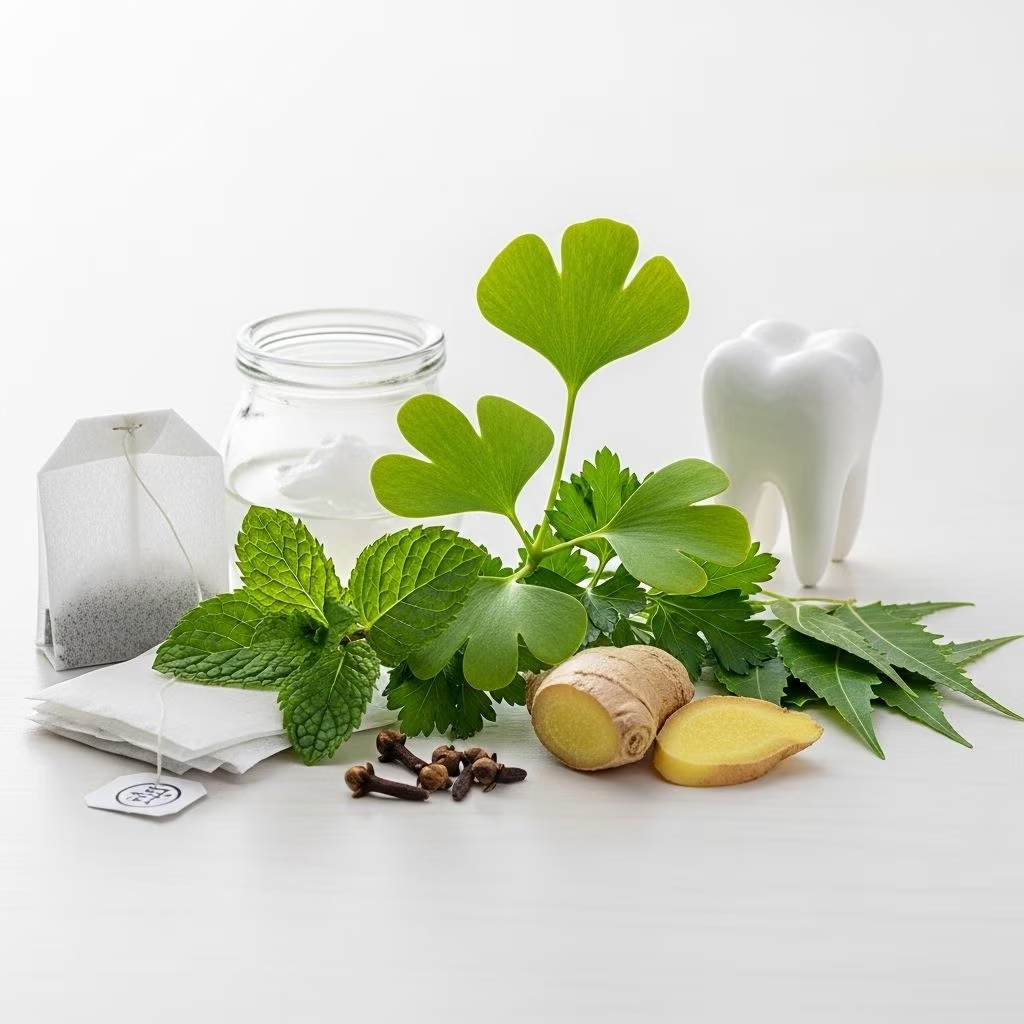
Natural Remedies to Prevent Gum Recession and Tooth Decay
Gum recession affects millions of people worldwide, jeopardizing oral health and often leading to tooth decay and eventual tooth loss. While professional dental care is essential, numerous natural approaches can bolster gum health and assist in the prevention of gum recession and decay. This comprehensive guide examines the causes, consequences, and most effective natural remedies—backed by research and dental experts—to help safeguard your gums and teeth for the long term.
Understanding Gum Recession
Gum recession is the gradual pulling away of gum tissue from the tooth surface, exposing roots and making teeth more susceptible to sensitivity and decay. Contributing factors include:
- Gum disease (Periodontitis)
- Aggressive tooth brushing
- Tobacco use
- Genetics
- Hormonal changes
- Poor dental hygiene
- Misaligned teeth or dental appliances
Early intervention is vital, as untreated recession can lead to significant oral complications.
Symptoms of Gum Recession and Tooth Decay
- Tooth sensitivity (to hot, cold, or sweet foods)
- Visible root surfaces
- Longer-looking teeth
- Loose teeth
- Red, swollen, or bleeding gums
- Persistent bad breath
If you notice any of these signs, it is important to consult a dentist to determine the severity and outline an appropriate treatment plan.
Conventional Treatments for Gum Recession
Standard dental therapies include:
- Professional cleaning (scaling and root planing)
- Prescription antibacterial rinses
- Antibiotic medications
- Surgical interventions (gum grafting, flap surgeries, tissue regeneration)
While these procedures are effective, integrating natural remedies can support daily gum health and enhance professional outcomes.
Top Natural Remedies to Prevent Gum Recession and Tooth Decay
For individuals seeking proactive, gentle approaches, the following natural remedies provide evidence-based support for healthy gums and teeth.
1. Oil Pulling
This ancient Ayurvedic technique involves swishing natural oils such as coconut, sesame, or sunflower oil in the mouth for up to 20 minutes. Oil pulling helps remove harmful bacteria, plaque, and toxins that contribute to gum disease and recession. After swishing, spit out the oil and rinse your mouth with warm water before brushing your teeth.
- Reduces oral bacteria
- Alleviates inflammation
- Improves overall oral hygiene
2. Salt Water Rinse
Salt is a classic natural disinfectant. A warm saltwater rinse soothes inflamed gums, combats oral bacteria, and encourages tissue healing.
- Mix 1 teaspoon of salt in a cup of warm water
- Rinse for 30 seconds—do not swallow
- Repeat 2-3 times daily to help repair gums
3. Green Tea
Drinking green tea daily provides potent antioxidants known as catechins that slow the growth of bacteria linked to gum disease and promote healthy gums.
- Antioxidants fight inflammation
- Inhibits growth of periodontal bacteria
- Promotes healthy gum tissue
4. Aloe Vera
Aloe vera gel is renowned for its anti-inflammatory and antimicrobial effects. Applying the gel directly onto the gums or using an aloe vera mouth rinse can significantly reduce swelling and bacterial accumulation.
- Calms gum irritation
- Promotes tissue regeneration
- Reduces oral bacteria
5. Hydrogen Peroxide Rinse
Hydrogen peroxide is a mild antiseptic used for its antibacterial properties. For a gum-healthy rinse:
- Mix ¼ cup of 3% hydrogen peroxide with ¼ cup warm water
- Rinse for 30 seconds, 2-3 times a week
- Do not swallow; follow with plain water rinse
This rinse helps reduce bacteria and inflammation, supporting gum healing and whitening teeth slightly.
6. Turmeric Gel
Turmeric contains curcumin, a compound with strong antioxidant and anti-inflammatory properties. Applying turmeric gel to the gums can help treat and prevent gingivitis, the precursor to gum recession.
- Reduces gum inflammation
- Protects against infection
7. Essential Oils for Oral Health
- Eucalyptus Oil: Anti-inflammatory and germicidal, stimulates new tissue growth.
- Tea Tree Oil: Inhibits harmful oral bacteria, decreases swelling.
- Peppermint Oil: Freshens breath and has antimicrobial effects.
- Thyme Oil: Antibacterial; supports gum health when diluted and used as a mouthwash.
Mix a drop of essential oil with coconut oil or water for a gentle, antimicrobial mouth rinse. NEVER use essential oils undiluted.
8. Septilin
Septilin is a researched herbal supplement containing licorice, guduchi, and guggul. Known for its immune-boosting and anti-inflammatory effects, Septilin comes in tablets or syrup form, and supports gum healing and infection resistance.
- Acts as a natural antimicrobial
- Improves immune response
- Reduces gum swelling
9. Omega-3 Fatty Acids
Omega-3s—found in fatty fish, flax seeds, and walnuts—are proven to reduce gum swelling and support tissue repair. Clinical studies show that 300mg of omega-3s over 12 weeks can improve gum health.
- Anti-inflammatory benefits
- Helps in healing of receding gums
10. Lemon
Lemon juice has antibacterial properties but should be used sparingly (once a week) due to its acidity, which can erode tooth enamel. A dilute lemon rinse can help suppress bacteria.
- Antibacterial effect
- Use cautiously to avoid damaging enamel
11. Sage Mouthwash
Sage has long been used for its antiseptic and anti-inflammatory qualities. To prepare a sage rinse:
- Boil 1 teaspoon dried sage leaves in a cup of water
- Allow to cool, strain, and swish for several minutes daily
Sage helps reduce gum inflammation and supports healing.
12. Vitamin C
Vitamin C is critical for gum health. Increasing intake supports tissue regeneration, reduces inflammation, and strengthens resistance to infection.
- Eat foods rich in vitamin C: oranges, strawberries, kiwi, bell peppers
- Consider supplementation if dietary intake is insufficient
Healthy Oral Hygiene Habits to Support Gum Health
- Brush gently with a soft-bristled brush to avoid damaging gum tissue.
- Floss daily to remove plaque and bacteria between teeth.
- Replace toothbrush every 3–4 months, or when bristles fray.
- Avoid tobacco products, which accelerate gum recession.
- Eat a balanced diet rich in vitamin C, calcium, and omega-3s.
Table: Natural Remedies and Their Benefits for Gum Recession
| Remedy | Primary Benefit | Notes |
|---|---|---|
| Oil Pulling | Reduces bacteria, plaque | Use coconut or sesame oil |
| Salt Water | Disinfects, soothes | Safe for daily use |
| Green Tea | Antioxidant, anti-inflammatory | Drink regularly |
| Aloe Vera | Heals, inhibits bacteria | Apply gel, rinse |
| Hydrogen Peroxide | Antibacterial, whitens | 2× weekly max |
| Turmeric Gel | Antioxidant, anti-inflammatory | Apply to gums |
| Essential Oils | Germicidal, healing | Dilute before use |
| Septilin | Immunity, healing | Tablet/syrup |
| Omega-3 | Reduces swelling | Diet or supplements |
| Lemon | Antibacterial | Rarely, diluted |
| Sage | Reduces inflammation | Mouthwash |
| Vitamin C | Builds gums, fights infection | Food/supplements |
Preventive Lifestyle Changes to Reduce Gum Recession
- Brush teeth with gentle technique and soft brushes.
- Consider switching to green tea for its oral health benefits.
- Limit sugar and processed foods that nurture harmful bacteria.
- Stay hydrated to support saliva production, which neutralizes acid and washes away debris.
- Monitor for changes in gum appearance and sensitivity.
Frequently Asked Questions (FAQs)
Q: Can gum recession be reversed with natural remedies?
A: While natural remedies cannot regrow lost gum tissue, they can slow progression, reduce inflammation, and improve overall gum health. Professional dental treatment is required for severe recession.
Q: Is oil pulling effective for gum disease?
A: Studies show oil pulling decreases oral bacteria and inflammation, supporting gum health. However, it should not replace thorough brushing or dental visits.
Q: How often should I use salt water rinse?
A: Salt water rinses are safe for daily use, 1–3 times per day, to support healing and reduce bacteria.
Q: What foods promote gum and tooth health?
A: Eat plenty of vitamin C-rich produce, omega-3 sources like fatty fish and walnuts, and calcium-rich dairy or leafy greens.
Q: When should I see a dentist about gum recession?
A: Consult a dentist if you notice increased tooth sensitivity, bleeding gums, persistent bad breath, or visible root surfaces. Professional care identifies underlying causes and prevents worsening.
Key Takeaways
- Adopting natural remedies can enhance gum health, but regular dental exams remain crucial.
- Improved oral hygiene, conscious dietary choices, and careful use of home treatments foster stronger, healthier gums.
- Severe gum recession or persistent symptoms require prompt evaluation by a dental professional.
Prioritizing natural interventions alongside regular dental care builds a foundation for resilient teeth and gums, allowing you to maintain a healthy, confident smile for years to come.
References
- https://advanceddentalartsnyc.com/reverse-receding-gums-naturally/
- https://www.healthline.com/health/natural-remedies-for-receding-gums
- https://essenmacherdental.com/natural-home-remedies-to-reverse-gum-disease/
- https://www.medicalnewstoday.com/articles/natural-remedies-for-receding-gums
- https://www.wilsonhousedentalpractice.com/how-to-cure-gum-disease-without-a-dentist/
- https://renewfamilydental.com/healed-my-receding-gums/
- https://myserenitydental.com/ways-to-support-gum-health/
- https://my.clevelandclinic.org/health/diseases/22753-gum-recession
- https://sfsunsetdentistry.com/blog/10-effective-ways-to-treat-gum-disease-at-home/


