


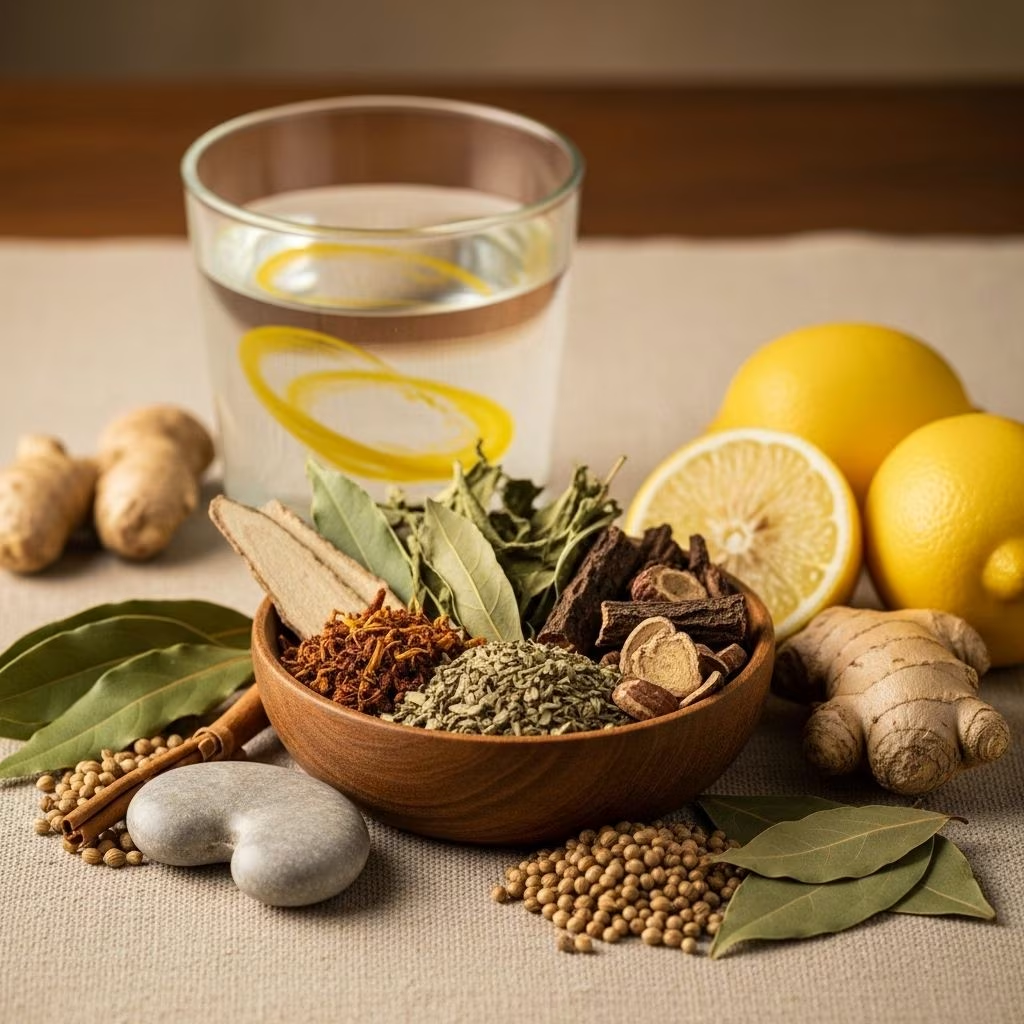
Natural Remedies for Kidney Stones: An Ayurvedic Approach
Kidney stones are among the most common disorders affecting the urinary system today, causing intense pain and a potential risk of complications if left untreated. While modern medicine offers surgical and pharmacological solutions, Ayurveda, the ancient science of healing, provides a holistic and natural approach to both prevent and manage kidney stones effectively. This article delves deeply into Ayurvedic principles, herbs, dietary modifications, and home remedies that can help dissolve stones, ease discomfort, and support long-term kidney health.
Understanding Kidney Stones
Kidney stones, also known as renal calculi (Vrukka Ashmari in Ayurveda), are hard crystalline formations composed primarily of salts and minerals such as calcium oxalate, uric acid, or struvite. They can develop anywhere along the urinary tract, often forming in the kidneys and migrating through the ureters to the bladder, leading to symptoms like severe lower back pain, hematuria (blood in urine), nausea, and frequent urination.
- Types of kidney stones:
- Calcium oxalate stones – most common; often linked to excess calcium or oxalate.
- Uric acid stones – can form in people with high protein diets.
- Struvite stones – often associated with urinary tract infections.
- Cystine stones – hereditary and rare.
Kidney Stones in Ayurveda: Causes and Pathogenesis
Ayurveda attributes kidney stone formation primarily to the imbalance of Vata and Pitta doshas. Disturbance in these doshas leads to abnormal metabolism, excessive dryness, poor digestion, and accumulation of toxins (ama), setting the stage for stone development. Kapha-related stagnation may also play a role, creating a sticky medium where crystals aggregate.
- Common Ayurvedic causes:
- Unhealthy dietary habits (excess salt, processed foods, animal protein)
- Poor hydration and low urine output
- Suppression of the natural urge to urinate
- Stress, sedentary lifestyle, and lack of exercise
Ayurvedic Principles in Kidney Stone Management
Ayurveda approaches kidney stone management holistically, aiming to dissolve existing stones, alleviate pain and inflammation, detoxify the urinary system, and rebalance the doshas to prevent recurrence. The primary strategies include the use of herbal medicines, dietary adjustment, lifestyle changes, and supportive therapies.
Key Ayurvedic Herbs for Kidney Stones
- Varuna (Crataeva nurvala): Traditionally recognized for breaking down kidney stones into smaller particles, making them easier to expel.
- Punarnava (Boerhavia diffusa): An excellent diuretic herb that helps to flush out excess fluids and toxins, and reduces swelling in the urinary tract.
- Gokshura (Tribulus terrestris): Strengthens the urinary system, inhibits stone formation, and enhances kidney function.
- Palasha (Butea monosperma): Used to dissolve urinary stones and address associated inflammation.
- Pashanabheda (Bergenia ligulata): Named for its “stone-breaking” properties; commonly recommended for dissolving and expelling calculi.
- Varunadi Kwath: An Ayurvedic decoction containing Varuna, Punarnava, and other diuretic herbs, offering synergistic anti-urolithic action.
Other Herbs and Plant Remedies Backed by Research
- Ammi visnaga (Khella): Used traditionally in Egypt; accelerates stone dissolution and promotes citrate excretion.
- Nigella sativa (Black seed): Reduces calcium oxalate deposits and size of stones in experimental studies.
- Hibiscus sabdariffa: Possesses antiurolithiatic activity, decreases stone-forming constituents in kidneys, and promotes uric acid excretion.
Popular Ayurvedic Formulations for Kidney Health
- Punarnavasava Asava: A herbal decoction that supports kidney and liver health, enhances digestion, promotes metabolism, and reduces water retention. It helps detoxify and naturally remove urinary tract toxins.
- Gokshuradi Guggulu: A combination that reduces obstruction in the urinary tract and facilitates removal of small stones.
- Regonest Tablets: A modern Ayurvedic blend designed to maintain urinary health and support the elimination of kidney stones.
Dietary Guidelines in Ayurveda for Preventing Kidney Stones
A supportive diet is central to both managing and preventing kidney stones. Ayurveda recommends eliminating causative foods, favoring kidney-friendly nutrients, and embracing a sattvic (pure and wholesome) dietary pattern.
- Increase fluid intake: Drink at least 8–10 glasses of water daily. Fluids dilute urine and flush out toxins and crystals.
- Barley water: Renowned for its diuretic and soothing effect on kidneys. Consume regularly, especially in the morning and evening.
- Buttermilk, coconut water, lemon water, and sweet lime juice: Support hydration and reduce stone formation. Opt for fresh, unsweetened preparations.
- Pumpkin soup: Light and nourishing, promotes easy digestion.
- Avoid salty, spicy, and oily foods: Minimize packaged foods, excess salt, and high-protein animal products.
- Consume more fresh fruits and vegetables: Apples, pears, melons, watermelon (rich in water and antioxidants), leafy greens, and lentils support kidney health.
- Favor grains like barley and millet over refined carbohydrates.
| Recommended Foods | Foods to Avoid |
|---|---|
| Barley, millet, wheat, leafy greens, pumpkin, watermelon, cucumber, apples, pears, coconut water, buttermilk, lemon juice, coriander, fennel seeds, tulsi (basil) | Processed foods, excess salt, pickles, red meat, shellfish, deep-fried snacks, carbonated drinks, spinach (for calcium oxalate stones), chocolates |
Ayurveda-Recommended Home Remedies for Kidney Stones
In addition to herbs and dietary changes, Ayurveda emphasizes practical, natural home remedies that can be integrated into daily life to speed up stone dissolution and prevent recurrence.
- Sugarcane: Drinking sugarcane juice (twice a day, empty stomach, with cardamom) or consuming with tulsi seeds and milk can help flush out small stones. Sugarcane combined with cumin and honey is another traditional remedy.
- Watermelon: High water and antioxidant content help to flush out the urinary tract and reduce inflammation. Eat daily for natural support.
- Amla (Indian Gooseberry): Eating fresh amla, drinking its juice, or using amla powder enhances antioxidant levels and improves urinary health.
- Citrus fruits: Lemons, oranges, and sweet limes are rich in citrate, which inhibits stone formation and assists stone breakdown.
- Basil (Tulsi): The acetic acid present in basil helps break down stones and provides anti-inflammatory effects. Basil leaves or basil tea (prepared from dried leaves) can be consumed, but avoid prolonged use beyond six weeks at a time to prevent side effects.
- Fennel seeds and coriander: These herbs promote diuresis and reduce urinary tract inflammation.
Daily Routine Tips to Enhance Kidney Health and Prevent Stones
- Stay hydrated: Consistently drinking enough water is the single most effective habit to prevent stone formation.
- Eat mindfully: Avoid skipping meals or indulging in very heavy, rich, or processed foods.
- Monitor urinary urges: Respond promptly to the urge to urine; do not hold for prolonged periods.
- Manage stress: Practice meditation and yoga to minimize vata disturbance and maintain digestive fire (agni).
- Regular health check-ups: Early intervention and detection ensure timely management.
When to Consider Modern Medicine
While Ayurvedic remedies are effective for managing smaller stones and preventing recurrence, certain cases may warrant clinical intervention for immediate relief and stone removal.
- Pain management: Nonsteroidal anti-inflammatory drugs (NSAIDs) such as ibuprofen may be prescribed for acute pain.
- Alpha-blockers: These medications relax the urinary tract and help smaller stones pass more easily.
- Lithotripsy: A non-invasive modern technique that uses sound waves to shatter kidney stones.
- Surgical intervention: Reserved for large or obstructive stones.
Note: Always consult a qualified Ayurvedic physician or urologist before starting any new therapy, especially if you have coexisting medical conditions.
Preventing Kidney Stones Naturally: Key Practices
- Increase water intake throughout the day; observe if urine remains clear and light.
- Limit foods rich in oxalate if you are prone to calcium oxalate stones (spinach, beets, nuts).
- Maintain a balanced intake of dietary calcium—neither excessive nor severely restricted.
- Reduce sugar-sweetened beverages, colas, and energy drinks which can increase stone risk.
- Incorporate moderate exercise; avoid sedentary behavior.
Frequently Asked Questions (FAQs)
Q: Can kidney stones dissolve completely with Ayurvedic remedies?
A: Mild to moderate kidney stones, especially those made of uric acid or of small size, can often be dissolved or passed with regular use of Ayurvedic herbs, dietary changes, and supportive home remedies. However, very large or obstructive stones may require modern clinical intervention. Always consult a healthcare provider for persistent symptoms.
Q: How soon can I expect results from Ayurvedic treatment for kidney stones?
A: Visible results, such as reduction in pain and gradual passage of small stones, may take anywhere from 8 to 10 weeks of consistent herbal intake and lifestyle changes. The timeline depends on stone size, type, and individual constitution.
Q: Are there any side effects to Ayurvedic herbal remedies?
A: When used under the guidance of a certified practitioner, Ayurvedic remedies are generally safe. However, improper use or overconsumption (e.g., prolonged use of tulsi) can cause adverse effects like low blood pressure or increased bleeding tendency. Always follow recommended dosages and time frames.
Q: What foods should be avoided if I have a history of kidney stones?
A: Limit intake of very salty foods, processed or fried snacks, red meat, animal protein, spinach, chocolates, and colas. Favor fluids, fresh fruits, whole grains like barley, and vegetables with low oxalate content.
Q: Can I use these remedies if I am on medication for other health issues?
A: Always consult both your physician and a qualified Ayurveda expert before introducing herbal or dietary remedies, as interactions with conventional medications are possible.
Key Takeaways
- Ayurveda offers holistic, time-tested remedies and lifestyle guidelines for managing and preventing kidney stones.
- Herbs like Varuna, Punarnava, and Gokshura, alongside home remedies with watermelon, amla, and citrus, are highly effective for natural care.
- Sustained hydration, a mindful diet, and prompt symptom management reduce risk and support recovery.
- Severe pain, blood in urine, or recurrent stones warrant prompt medical evaluation.
Embrace the wisdom of Ayurveda to support your kidney health, using nature’s remedies in balance with modern medical care for the best outcomes.
References
- https://amaltamara.com/understanding-and-preventing-kidney-stones-through-ayurvedic-treatment/
- https://keralaayurveda.biz/blogs/news/ayurvedic-treatment-for-kidney-stone-remedies-tips
- https://urogynecology.in/home-remedies-to-prevent-and-treat-kidney-stones/
- https://pmc.ncbi.nlm.nih.gov/articles/PMC5877626/
- https://pmc.ncbi.nlm.nih.gov/articles/PMC3608183/
- https://www.youtube.com/watch?v=LU5x6RHOMrc


