


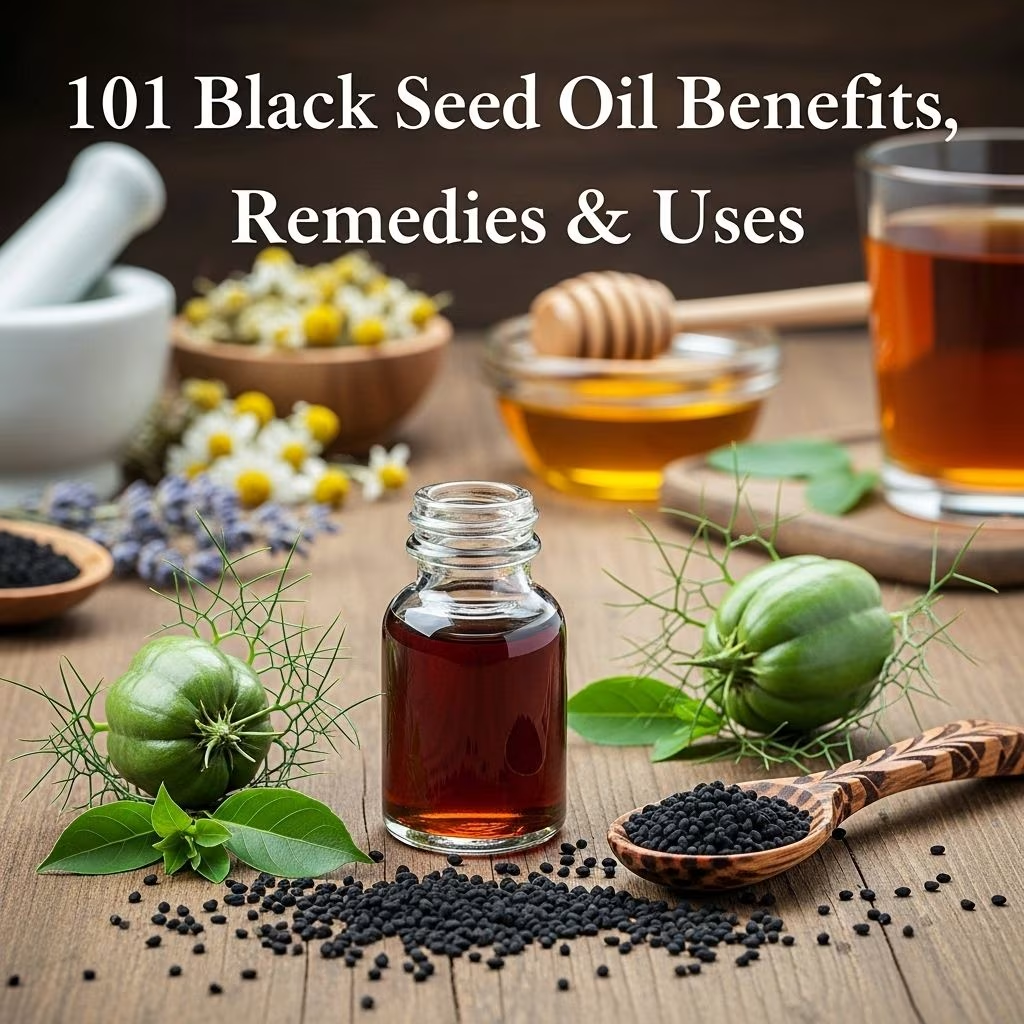
101 Black Seed Oil Benefits, Remedies & Uses
Black seed oil, derived from the tiny black seeds of Nigella sativa, has a rich history in traditional medicine stretching across centuries and cultures. Revered as the “seed of blessing” and lauded by modern research, this potent natural ingredient offers a remarkable range of uses—from daily wellness support to targeted remedies for specific concerns. Explore the multifaceted health benefits, practical applications, and holistic advantages of black seed oil below.
Introduction to Black Seed Oil
Black seed oil, often known as black cumin seed oil, is extracted from the seeds of Nigella sativa, a flowering plant native to Asia, the Middle East, and North Africa. These seeds have been used in traditional medicine for thousands of years—a testament to the enduring trust in their healing properties. Modern science has begun to validate many traditional uses, highlighting bioactive compounds such as thymoquinone, which grants black seed oil its antioxidant, anti-inflammatory, and antimicrobial powers.
- Main active ingredient: Thymoquinone.
- Forms: Cold-pressed oil, capsules, powder, topical creams, and culinary uses.
- Common traditional names: Black cumin, black caraway, Roman coriander, kalonji, habbatus sauda.
Key Health Benefits of Black Seed Oil
Below is an overview of the primary benefits supported by research and traditional usage.
- Anti-inflammatory properties: Helps reduce inflammation throughout the body, supporting relief from conditions like arthritis and asthma.
- Antioxidant effects: Protects cells from oxidative stress and free radical damage.
- Immune support: Enhances immune function and balances autoimmune responses.
- Antimicrobial action: Fights bacteria, viruses, and fungi naturally.
- Gut and digestive health: Soothes the gut lining and supports healthy digestion.
- Skin wellness: Beneficial in treating acne, eczema, psoriasis, and minor wounds.
- Respiratory support: Eases breathing and helps manage allergies and asthma symptoms.
- Blood sugar regulation: May help manage and reduce blood glucose levels.
- Brain and mental health: Potential neuroprotective actions and support for memory and focus.
- Cardiovascular health: Assists in managing cholesterol levels and supporting heart health.
Detailed Remedies and Uses: 101 Ways to Use Black Seed Oil
General Wellness and Preventive Health
- Daily immune booster
- Natural antioxidant for cell protection
- Anti-inflammatory support for chronic inflammation
- Promoting metabolic balance
- Combatting everyday stress with adaptogenic properties
Respiratory Health
- Relieves asthma symptoms naturally
- Reduces incidence of allergic rhinitis (hay fever)
- Eases sinus congestion and seasonal allergies
- Soothes chronic coughs and bronchitis
- Assists with COPD management
Joint and Musculoskeletal Support
- Mitigates joint pain from arthritis
- Reduces swelling and stiffness
- Provides adjunct relief in autoimmune joint conditions
- Decreases muscle soreness post-exercise
- Promotes mobility and daily function in older adults
Digestive and Gut Health
- Soothes indigestion and heartburn
- Relieves bloating and gas
- Alleviates irritable bowel syndrome (IBS)
- Promotes healthy gut flora with antimicrobial effects
- Assists in managing mild food poisoning
Metabolic and Blood Sugar Management
- Regulates blood glucose in people with diabetes or metabolic syndrome
- Improves insulin sensitivity
- Assists with healthy weight management
- Supports lipid profile (cholesterol, triglycerides)
- Helps battle fatty liver disease
Cardiovascular Support
- Lowers high blood pressure (hypertension)
- Reduces LDL (bad) cholesterol
- Promotes healthy circulation
- Supports artery flexibility and function
- Protects against oxidative heart damage
Skin and Beauty Applications
- Treats mild to moderate acne lesions
- Reduces eczema and skin irritation
- Manages psoriasis symptoms
- Speeds up wound healing for cuts and scrapes
- Decreases hyperpigmentation and improves skin tone
- Soothes allergic skin reactions
- Supports daily skin hydration and barrier repair
- Reduces signs of aging due to antioxidants
- Improves vitiligo appearance in some studies
- Assists in the healing of minor burns
- Prevents scar formation with consistent use
Hair Health
- Helps fight dandruff and scalp irritation
- Reduces scalp infections due to antifungal properties
- Promotes hair growth and reduces shedding
- Strengthens hair follicles and shaft
- Adds natural shine and softness
- Beneficial as a natural hair mask or oil treatment
Women’s and Men’s Health Support
- Regulates menstrual discomfort and cramps
- Addresses hormonal acne
- Supports fertility in men (may improve sperm quality)
- Alleviates symptoms of menopause
- Provides gentle support for postpartum recovery
Mental and Cognitive Wellbeing
- Enhances memory and attention
- Supports mental clarity
- May help protect against neurodegenerative diseases
- Assists with mild anxiety and mood balance
Immune and Anti-Infective Benefits
- Broad-spectrum antimicrobial action (bacterial, viral, fungal)
- Supports anti-parasitic protocols
- Used as a natural aid during cold and flu
- May reduce severity of respiratory tract infections
- Can be applied to minor wounds to prevent infection
Other Common and Everyday Uses
- Natural mouthwash and oral health enhancer
- Reduces dental plaque and gum inflammation
- Deodorizes naturally due to antimicrobial effects
- Used as a massage oil for relaxation
- Enhances taste in culinary dishes (as a spice or finishing oil)
Preparation and Usage Guide
- Capsules: Ideal for regular supplementation without taste concerns.
- Pure oil: Can be taken orally (usually 1-2 teaspoons daily for adults) or applied topically for skin and hair.
- Powder: Useful for smoothies or mixing into food and drinks.
- Topical creams/gels: Designed for localized skin applications.
- Cooking: Black seeds or oil can be used as a spice in baking, salad dressings, and main dishes for flavor and health benefit.
Sample Table: Summary of Key Benefits
| Health Concern | Key Benefit | Recommended Use |
|---|---|---|
| Arthritis | Reduces joint pain and inflammation | Oral oil/capsules, topical massage |
| Asthma | Relaxes airways and soothes inflammation | Oral oil/capsules |
| Acne | Antimicrobial and anti-inflammatory effects | Topical oil/cream |
| High Blood Sugar | Regulates blood glucose | Oral oil/capsules |
| Wound Healing | Speeds up repair, prevents infection | Topical oil application |
| Hair Loss | Nourishes scalp, supports growth | Topical oil massage |
| Allergies | Reduces symptoms, supports immunity | Oral oil/capsules |
Black Seed Oil for Skin: Applications and Benefits
- Apply a few drops to cleansed skin to calm redness and inflammation.
- Combine with carrier oils for a soothing eczema or psoriasis remedy.
- Dab on mild burns and wounds to support healing and reduce scarring.
- Mix into masks for anti-aging and hydration benefits.
Black Seed Oil for Hair: How to Use
- Massage oil into the scalp to support hair growth and reduce flaking.
- Blend with coconut or olive oil for a nourishing hair mask.
- Use regularly to promote stronger, shinier hair and reduce breakage.
Potential Side Effects & Safety Guidelines
- Generally safe at recommended dosages for most adults.
- May cause mild digestive upset in sensitive individuals when taken orally.
- Perform a patch test for topical use to avoid skin irritation.
- Pregnant or breastfeeding women should consult a healthcare provider before use.
- May interact with certain medications. Always consult with your doctor before beginning black seed oil supplements if you are under medical care.
Frequently Asked Questions (FAQ)
Q: What is the recommended daily dose of black seed oil?
A: Most research-based regimens recommend 1–2 teaspoons (5–10 ml) of oil per day for adults or as directed by a healthcare provider. Dosage may vary depending on the condition being targeted.
Q: Can black seed oil replace prescribed medications?
A: No. Black seed oil is a complementary remedy and should not be used as a substitute for professional medical treatment or prescribed medications. Always consult your doctor before starting any supplement regimen.
Q: Is black seed oil suitable for children?
A: While traditionally given in small amounts for certain conditions, pediatric use should always be supervised and approved by a healthcare professional.
Q: How soon will I see benefits from using black seed oil?
A: Some individuals notice improvements in a few weeks, while others may require consistent use over several months for full effects, depending on the health concern.
Q: Are there any known allergies to black seed oil?
A: Allergic reactions to black seed oil are rare but possible. Discontinue use if rash, discomfort, or other symptoms occur and seek medical advice.
Summary
Black seed oil is a versatile natural remedy with a legacy rooted in both ancient tradition and modern research. Its well-documented anti-inflammatory, antioxidant, and healing properties make it an excellent addition to holistic living—whether applied to the skin, massaged into the hair, ingested for systemic support, or incorporated into cooking. With over 101 applications and counting, black seed oil serves as a testament to nature’s capacity for gentle, multi-purpose healing.
References
- https://www.bannerhealth.com/healthcareblog/teach-me/benefits-of-black-seed-oil-and-other-natural-remedies
- https://www.webmd.com/diet/black-seed-health-benefits
- https://www.healthline.com/health/food-nutrition/black-seed-oil-benefits
- https://health.clevelandclinic.org/black-seed-oil
- https://www.medicalnewstoday.com/articles/322948


