


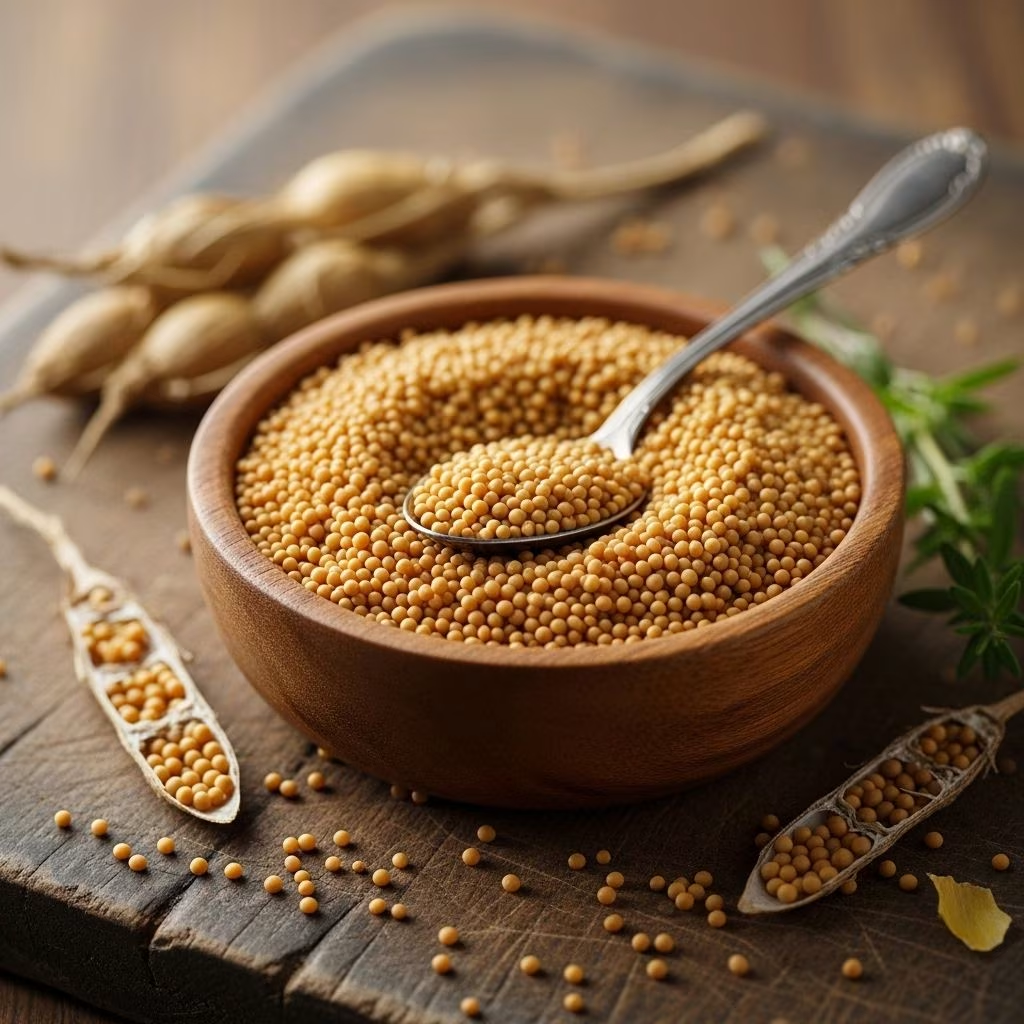
Introduction to Yellow Mustard Seeds
Yellow mustard seeds, also known as white mustard seeds (Sinapis alba), are a staple ingredient in global cuisines due to their mild flavor and broad versatility. These tiny pale spheres form the foundation of classic American mustards as well as countless traditional spice blends. Whether used whole, cracked, or ground, yellow mustard seeds impart gentle heat and subtle tang, making them invaluable to both home cooks and professional chefs alike.
Botanical Overview & Varieties
There are several types of mustard seeds commonly used in cooking:
- Yellow (White) Mustard Seeds: Sinapis alba, paler in color, larger, and known for their mildness.
- Brown Mustard Seeds: Brassica juncea, smaller, darker, and more pungent.
- Black Mustard Seeds: Brassica nigra, rare in Western cuisines, stronger flavor.
Yellow mustard seeds are cultivated in temperate regions worldwide and serve as the primary species for American yellow mustard.
Flavor Profile of Yellow Mustard Seeds
Yellow mustard seeds are prized for their mild, slightly sweet, and gently tangy flavor. They lack the pronounced spiciness found in brown and black varieties. When bitten into or freshly ground, they reveal subtle notes of heat and a delicate aroma. Their essential oils offer a volatile, pleasant kick without overwhelming dishes, making them ideal for foods with a gentler flavor profile.
- Mild Heat: Suitable for those who prefer dishes with background spice rather than dominant pungency.
- Slight Sweetness: Adds a touch of sweetness, especially when used in pickling or sauces.
Distinct but not overpowering.
Characteristics Setting Yellow Mustard Seeds Apart
- Color: Pale yellow to ivory.
- Size: Larger than brown or black mustard seeds.
- Texture: Smooth, round grains with low oil content.
Culinary Uses of Yellow Mustard Seeds
The versatility of yellow mustard seeds shines across a range of culinary applications. Their mildness allows them to enhance dishes without overshadowing more delicate flavors:
- Condiments: Central ingredient in classic American mustard, as well as salad dressings and sauces.
- Pickling: Essential for pickling spice blends, lending subtle tang to gherkins, carrots, and mixed vegetables.
- Spice Blends: Used in curry powders, barbecue rubs, and other spice mixtures for balanced heat.
- Meat and Fish Marinades: Cracked or ground seeds serve as rubs for steak, chicken, fish, and salmon,.
- Soups & Stews: Adds depth to hearty soups and stews; pairs well with creamy or starchy bases.
- Vegetarian Dishes: Offers gentle heat to legume dishes (lentils, chickpeas), potatoes, and roasted vegetables.
- Breads & Doughs: A few teaspoons mixed into dough provide nutty crunch and color.
Whole, ground, and cracked forms are used differently depending on the desired texture and release of flavor. Whole seeds infuse pickles and bread dough; ground seeds are best for sauces and marinades; cracked seeds add crunch and bursts of flavor.
Cooking Techniques: Maximizing Mustard Seed Flavor
Proper handling of yellow mustard seeds is crucial for extracting their full flavor potential. Popular techniques include:
- Dry Toasting: Heat seeds in a dry skillet over medium heat until they begin to pop. This releases essential oils and nutty aroma,.
- Tempering: Used in Indian cooking, seeds are briefly tossed in hot oil until they snap and pop, magnifying their flavor and making them less bitter.
- Grinding: Freshly ground seeds produce more pungency than store-bought mustard powder. Use a spice grinder or mortar and pestle before making pastes or sauces,.
- Pickling: Soak whole seeds in vinegar and salt for use in relishes, sandwich spreads, and roast meat condiments.
- Infusion: Incorporate seeds whole in soups or stews and allow flavors to diffuse over time.
To avoid bitterness, toast or fry only until they start to pop; overcooking can scorch seeds, resulting in off-flavors.
Pairings and Recipe Ideas
- Combine with cumin, carom, fenugreek, curry leaves, and ginger for complex spice blends.
- Add to potato or lentil soup for subtle heat.
- Mix into BBQ sauce with honey or molasses for sweet and spicy balance.
- In bread dough for crunch and gentle tang.
Health Benefits of Yellow Mustard Seeds
Yellow mustard seeds offer several nutritional and medicinal benefits:
- Increased Digestion: Aids in digestive processes and stimulates appetite.
- Anti-inflammatory Properties: Contains compounds such as selenium and magnesium that may help reduce inflammation.
- Antioxidant Content: Rich in phytonutrients that combat oxidative stress.
- Minerals: Good source of calcium, magnesium, phosphorus, and potassium.
- Low Calories: Minimal impact on calorie count, making them suitable for light, nutritious cooking.
Mustard seeds are often used in traditional medicine for their warming effects and potential to ease muscle pain or cold symptoms (when prepared as a poultice or infusion). Contemporary research continues to explore cardiovascular and anticancer benefits.
Easy Substitutes for Yellow Mustard Seeds
Whether running out midway through a recipe or catering to dietary restrictions, knowing substitution options is essential. Here are top alternatives:
- Brown Mustard Seeds: Spicier and slightly smaller; use sparingly if swapping for yellow due to stronger flavor. Start with half the quantity and adjust to taste.
- Mustard Powder: Ground yellow mustard seeds make an excellent direct substitute. For most recipes, a 1:1 ratio works.
- Prepared Mustard (Mild): For sauces or dressings, use mild American or Dijon mustard in place of seeds; adjust liquid content as needed.
- Horseradish: Similar pungency, but more heat; use only in small quantities in savory dishes.
- Wasabi: Another member of the Brassicaceae family with a related heat profile. Best suited for Asian-inspired dishes.
- Caraway or Cumin Seeds: Offer nutty undertones and mild spice; complimentary in bread and pickling applications but lack distinctive mustard tang.
Note: Always consider the dish context and adjust the substitute quantity to match the desired flavor balance. For pickling, brown mustard seeds or mustard powder is preferable; in bread, caraway or cumin can work. For dressings and sauces, mild prepared mustard often does the job.
Comparison: Yellow vs Brown Mustard Seeds
| Feature | Yellow Mustard Seeds | Brown Mustard Seeds |
|---|---|---|
| Botanical Name | Sinapis alba | Brassica juncea |
| Color | Pale yellow | Dark brown |
| Flavor | Mild, slightly sweet & tangy | Strong, spicy, slightly bitter |
| Heat Level | Low | Medium to high |
| Main Uses | Condiments, pickling, dressings | Indian cooking, spice blends, mustard pastes |
| Substitute For | Bread, pickles, salad dressings | Curries, sauces, marinades |
Frequently Asked Questions (FAQs)
Q: What does yellow mustard seed taste like?
A: Yellow mustard seeds offer a mild, tangy and gently sweet flavor with much less heat than brown or black varieties.
Q: Can yellow mustard seeds be used whole?
A: Yes. Whole yellow mustard seeds are commonly used for pickling, bread doughs, and as a crunchy topping for salads or roasted dishes.
Q: When should I use ground vs whole mustard seeds?
A: Use whole seeds for texture and infusion (pickling, bread), ground seeds for smooth incorporation into dressings, sauces, and rubs.
Q: What is the best substitute for yellow mustard seeds in pickling?
A: Brown mustard seeds or mustard powder are ideal alternatives; start with smaller amounts and adjust for flavor intensity.
Q: Are yellow mustard seeds healthy?
A: Yes. They contain antioxidants, minerals, and compounds that promote digestion, reduce inflammation, and are low in calories.
Q: Can I use mustard powder instead of seeds?
A: Mustard powder is made from ground mustard seeds and can be substituted for seeds, especially in dressings, sauces, and marinades, using a 1:1 ratio for most recipes.
Conclusion
Yellow mustard seeds are an indispensable kitchen ingredient, celebrated for their mild flavor, culinary flexibility, and nutritional advantages. Their subtle tang and gentle heat enrich everything from classic condiments and pickles to spice mixes and marinades. Armed with knowledge of their use, preparation, and easy substitutes, you can confidently bring balanced mustard flavor to a vast array of dishes. Whether enhancing a humble potato salad or crafting a gourmet barbecue sauce, yellow mustard seeds deliver their zesty charm time and time again.
References
- https://www.spicewallabrand.com/blogs/recipes/spice-advice-yellow-vs-brown-mustard-seeds
- https://www.wholespice.com/products/yellow-mustard-seed-ground
- https://www.mccormick.com/blogs/how-to/about-mustard-seed-uses-pairings-and-recipes
- https://spiceitupp.com/what-are-mustard-seeds-and-how-to-use-them-for-cooking/
- https://www.savoryspiceshop.com/blogs/news/to-my-beloved-mustard-seed-uses-of-mustard-seeds
- https://www.chefdehome.com/recipes/ingredient/33/mustard-seeds


