


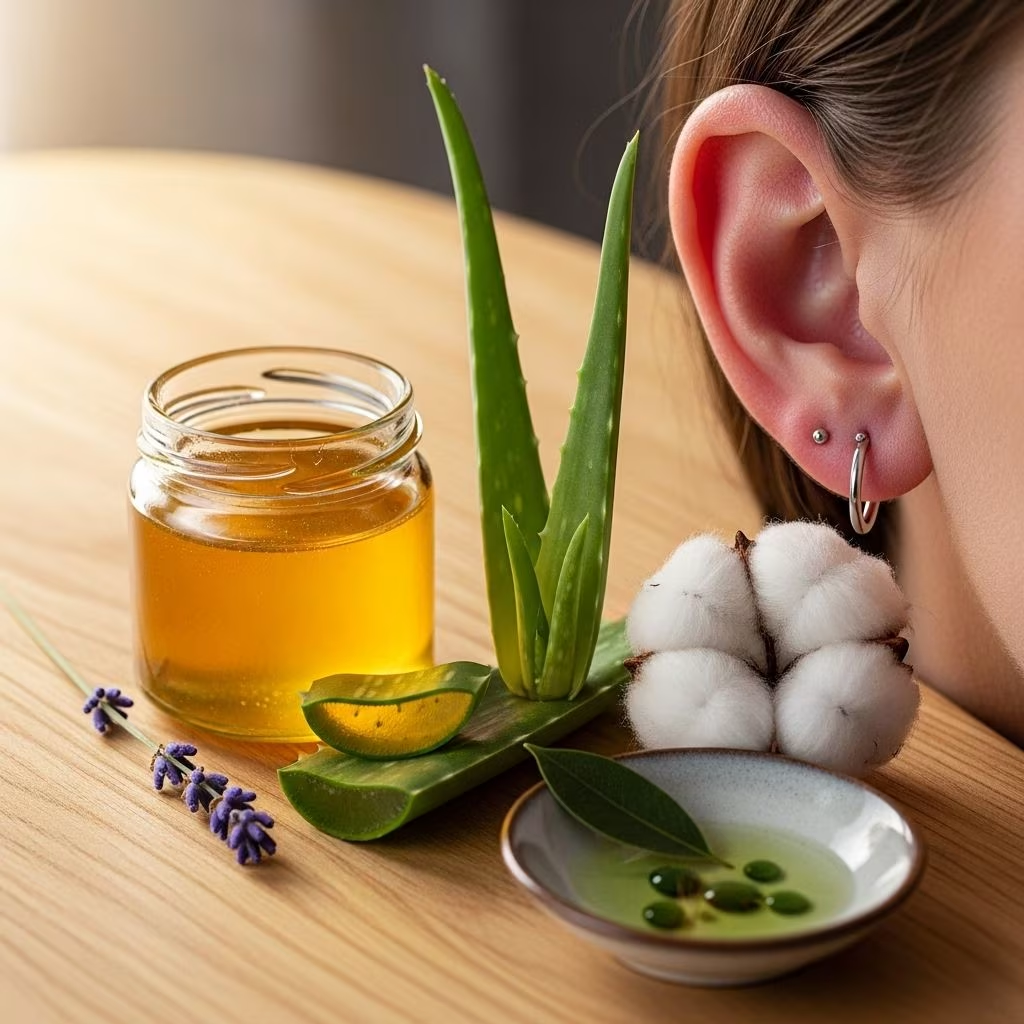
Healing Piercings with Natural Remedies: What Works and Why
Body piercings are a popular form of self-expression, but their healing process can sometimes be complicated by irritation, bumps, or slow recovery. Beyond standard aftercare, many seek out natural remedies to soothe discomfort or aid healing. This guide synthesizes expert advice and research to present the safest and most effective ways to heal piercings with natural methods, what works—and what does not—and when to get professional help.
Understanding Piercing Healing: Why Aftercare Matters
Proper aftercare is critical for any piercing, whether it’s in the ear, nose, or elsewhere. New piercings are essentially small wounds, vulnerable to infection or prolonged healing if not cared for correctly. While modern piercing studios provide guidelines, natural remedies are increasingly sought for holistic, gentle care.
- Initial Healing Phase: The site may show redness, swelling, and tenderness for up to a few days after the procedure.
- Ongoing Care: Consistent cleaning, avoiding trauma, and thoughtful remedies speed recovery and reduce risks.
Standard Piercing Aftercare Essentials
- Saline Solution: The gold standard for cleaning and healing piercings is sterile saline solution (0.9% sodium chloride). Saline helps remove debris, supports lymphatic drainage, and creates a healing-friendly environment. To use, gently rinse the piercing and blot dry with a clean tissue.
- Mild Fragrance-Free Soap: Washing the area 2 times daily with gentle, unscented soap is recommended, especially for new piercings. Avoid antibacterial soaps, hydrogen peroxide, or alcohol-based cleaners—they can damage tissue and slow healing.
- Drying and Protection: Ensure the area is kept dry and clean. Avoid sleeping on fresh piercings, as consistent pressure can prolong tenderness and risk complications.
Natural Remedies for Piercing Healing: Top Choices
Apart from medical aftercare, these natural remedies can work as gentle adjuncts—primarily in later stages of healing or for troubleshooting bumps and irritation.
Chamomile Compresses
Chamomile is prized for its anti-inflammatory and antimicrobial effects, making chamomile tea bag compresses a favorite remedy for soothing sore or bumpy piercings.
- How to Use: Steep a pure chamomile tea bag in hot water, allow it to cool to a warm temperature, then gently apply to the piercing for several minutes. Repeat as part of your daily routine to support fluid drainage and reduce swelling.
- Benefits: Soothes pain, encourages healing, helps draw out trapped fluids, and may fight local infection.
- Precautions: Ensure you’re not allergic; pure chamomile tea (without caffeine or additives) is best. Discontinue use if irritation occurs.
Sea Salt Solutions
Sea salt soaks can help loosen crusted debris and promote drainage. Mix ⅛ to ¼ teaspoon of sea salt in one cup of warm distilled water. Soak the piercing for several minutes or use a clean cloth to apply as a compress. Note: The Association of Professional Piercers suggests using sterile saline over homemade mixes, as it’s easy to make solutions that are either too weak or too concentrated.
Tea Tree Oil (Diluted)
Tea tree oil, with its proven antibacterial and anti-inflammatory properties, is recommended by some professionals for treating piercing bumps and minor irritation in healed piercings, not fresh ones.
- How to Use: Always dilute tea tree oil with a carrier oil (such as almond, coconut, or jojoba). A recommended ratio is 3-5 drops tea tree oil per ½ to 1 ounce of carrier oil.
- Application: Use a clean cotton swab to gently dab the solution onto the bump, morning and night, after cleaning with saline. Cease use once the bump resolves.
- Caution: Never apply undiluted tea tree oil—it may over-dry or irritate skin. Do not use on fresh wounds under 2 weeks old.
Oils and Butters: Jojoba, Coconut, Almond, Shea
These natural oils are better reserved for the latter stages of healing or for stubborn bumps. They provide hydration and can calm irritation but may clog pores or cause reactions if used on very new piercings.
- Jojoba & Almond Oil: Light and hypoallergenic, suitable for regular moisturizing after the initial healing stage.
- Coconut Oil: Offers antimicrobial benefits, use sparingly to avoid clogging the piercing.
- Shea Butter: Rich in compounds to nourish irritated skin, often included in commercial healing creams.
Calendula Oil and Turmeric
- Calendula Oil: Shown to support skin regeneration, reduce inflammation, and fend off microbial growth. Included in some healing creams.
- Turmeric (with coconut oil): Traditionally used for wound healing but best applied after the main healing phase and only with professional guidance.
Remedies to Avoid for Piercing Healing
- Hydrogen Peroxide: Damages healthy skin and delays healing.
- Alcohol-based Cleaners: Disrupt cell repair and exacerbate dryness.
- Petroleum Jelly: Can trap moisture and bacteria, increasing infection risk.
- Antibacterial Soaps: Too harsh for delicate healing skin, often causing irritation.
Managing Piercing Bumps, Irritation, and Fluid Build-up
Piercing bumps often occur from trauma, improper jewelry, or minor infection. While most respond to gentle, natural remedies, persistent or worsening bumps may signal a need for professional evaluation.
- Hot Compresses: Opens capillaries, supports lymphatic drainage, and encourages comfort, especially in healing piercings that are slow, sore, or fluid-filled.
- Chamomile or saline soaks: Use compresses daily to reduce swelling and facilitate drainage.
- Do not pick or squeeze bumps: This can increase scarring and delay the healing process.
| Remedy | Stage of Use | Main Benefits | Risks/Precautions |
|---|---|---|---|
| Chamomile Compress | Any (with care) | Soothes, reduces swelling, fights infection | Allergy risk, use pure bags, discontinue if rash appears |
| Tea Tree Oil | After initial healing (not on open wounds) | Antibacterial, reduces bumps | Must be diluted; possible dryness or irritation |
| Sea Salt Solution | Fresh or healing piercings | Clean, aids drainage | Use correct ratio, prefer sterile saline |
| Oils (jojoba, almond, coconut) | Final healing and bump management | Hydrates, calms skin | Risk of pore clogging if used too early |
| Calendula, Turmeric | Late healing, chronic bumps | Anti-inflammatory, skin regeneration | Seek professional advice before use |
Piercing Healing: Signs of Trouble & When to Seek Help
- Prolonged redness, swelling, or pain that does not improve after a few days.
- Excessive fluid or pus—clear fluid is normal, pus (yellow, green, or foul-smelling) may signal infection.
- Fever or systemic symptoms—seek medical care immediately.
- Persistent bumps or irritation—visit your piercer or dermatologist for evaluation and possible jewelry change.
Frequently Asked Questions (FAQs) About Healing Piercings Naturally
Q: Can I use natural oils on fresh piercings?
A: No. Oils like coconut, jojoba, and almond are best reserved for the later healing stages to minimize irritation or infection risk.
Q: Is tea tree oil safe for new piercings?
A: Diluted tea tree oil may help with bumps in healed piercings but should not be used on open wounds or within the first two weeks after piercing.
Q: How often should I clean my healing piercing?
A: 2-3 times daily with sterile saline solution or mild, fragrance-free soap. Do not over-clean, as this may delay healing.
Q: What should I avoid during piercing healing?
A: Avoid hydrogen peroxide, alcohol, petroleum jelly, strong soaps, and sleeping on the piercing to prevent irritation or infection.
Q: Are chamomile compresses effective for all piercings?
A: Chamomile is safe for most but not all. Discontinue use if allergic reaction or irritation develops.
Q: How do I know if my piercing is infected?
A: Signs include severe swelling, redness, heat, pain, persistent fluid or pus, and fever. Do not rely solely on natural remedies—consult a healthcare provider promptly.
Best Practices for Safe, Speedy Healing
- Always wash hands before touching or cleaning piercings.
- Use sterile saline solution for daily aftercare.
- Introduce natural remedies only in appropriate healing stages and watch for allergy or irritation.
- Maintain a balanced lifestyle: Get adequate sleep, nutrition, and hydration to support overall healing.
- Consult your piercer or medical professional before trying new remedies, especially if healing seems delayed or complicated.
Piercing Healing Myths—Separating Fact from Fiction
- Myth: “Ear or nose piercings heal on their own without any cleaning.”
- Reality: Daily gentle cleaning and monitoring are essential for healthy healing and prevention of complications.
- Myth: “Homemade salt soaks are always safe and effective.”
- Reality: Risk of improper dilution or contamination makes sterile saline solution the safer choice.
- Myth: “Natural means risk-free.”
- Reality: Even botanicals (chamomile, tea tree oil) can cause allergies or irritation if used inappropriately or on broken skin.
Summary: Healing Piercings with Natural Remedies
Natural remedies—including chamomile compresses, sterile saline soaks, and gentle oils—offer effective, safe support for healing piercings, when used at the right stage and with care. Avoid harsh disinfectants (like hydrogen peroxide or alcohol), over-cleaning, and apply all remedies with clean hands and tools. When in doubt, consult your piercer or doctor—your body (and piercing) will thank you.
References
- https://www.holier-than-thou.co.uk/services/piercing-aftercare/
- https://www.zensaskincare.com/en-us/blogs/news/ear-piercing-pain-chart
- https://nikura.com/blogs/living-well/how-to-use-tea-tree-oil-for-piercings
- https://www.medicalnewstoday.com/articles/319999
- https://uhs.berkeley.edu/health-topics/body-piercings
- https://www.aad.org/public/everyday-care/skin-care-basics/tattoos/caring-for-pierced-ears
- https://myhealth.alberta.ca/Health/aftercareinformation/pages/conditions.aspx?hwid=abk1292


