


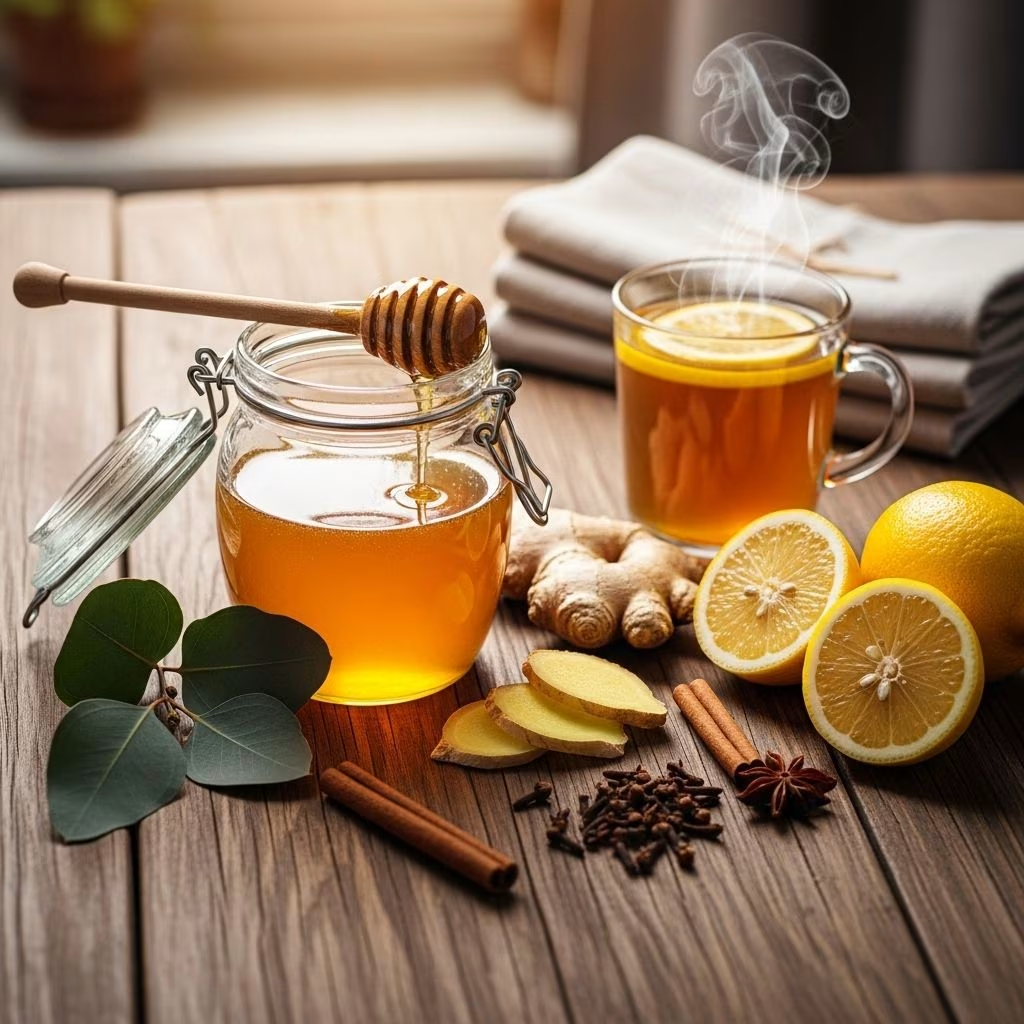
8 Effective Honey-Based Natural Remedies for Cold and Flu
For centuries, honey has been a staple across cultures, valued not just for its flavor but also its profound health benefits. As cold and flu season arrives, many people seek relief in natural solutions—and honey stands out, both in tradition and in modern research. This article explores eight of the most effective honey-based remedies for alleviating cold and flu symptoms, blending time-honored wisdom with up-to-date scientific insights.
Why Honey Works for Colds and Flu
Honey is more than a sweetener—it’s a powerhouse of antioxidant, antibacterial, and anti-inflammatory compounds. Its viscous texture coats and soothes the throat, while its unique combination of natural chemicals helps weaken and inhibit many cold-causing pathogens.
Research highlights the following benefits:
- Soothes sore throats by forming a protective coating, reducing irritation and pain.
- Suppresses cough as effectively as some over-the-counter medications, according to multiple clinical trials.
- Boosts immunity due to its rich antioxidant profile, including flavonoids and phenolic acids.
- Combats bacteria and viruses using natural hydrogen peroxide and other antimicrobial mechanisms.
- Reduces inflammation, easing congestion and promoting comfort during respiratory infections.
Let’s delve into eight potent honey remedies you can use at home for cold and flu relief.
1. Pure Raw Honey: Nature’s Sweet Soother
Sometimes, the simplest approach is the most effective. Raw honey preserves all the natural enzymes, antioxidants, vitamins, and minerals that processed honey often loses. Taking a spoonful of raw honey can:
- Coat and calm an irritated throat
- Suppress dry, tickly coughs
- Provide rapid, natural energy during illness
Usage: Take 1-2 teaspoons directly, especially before bedtime to ease nighttime coughing. Avoid giving honey to infants under 12 months.
2. Manuka Honey: Enhanced Antibacterial Power
Manuka honey from New Zealand is acclaimed for its exceptionally high antibacterial activity. This comes from both methylglyoxal (MGO) and leptosperin, natural compounds unique to Manuka which:
- Deliver powerful antibacterial and anti-inflammatory effects
- Enhance immune function and wound healing
Serving suggestion: Eat a teaspoon daily straight from the jar for preventive effects, or add to warm (never boiling) water for a soothing drink. For acute symptoms, increase to 2-3 teaspoons a day.
3. Honey and Lemon Tea
This classic combination remains a popular remedy for good reason. Lemon infuses the tea with vitamin C, bolstering immunity, while honey soothes and coats the throat.
- Relieves sore, scratchy throat
- Helps break up chest congestion
- Provides an antioxidant boost
How to make:
- Boil water and let cool slightly (to preserve honey’s enzymes)
- Add juice of half a fresh lemon and 1 tablespoon honey to a mug of hot water
- Stir and sip slowly while warm
4. Honey, Lemon, and Ginger Infusion
Adding ginger to the mix supercharges its effects—ginger contains gingerol and shogaol, potent anti-inflammatory compounds that warm the body and help ease congestion.
DIY jar recipe:
- Grate the zest of half a lemon and then chop the lemon into chunks
- Grate a thumb-sized knob of fresh ginger
- Add to a clean jar and cover completely with good-quality honey
- Stir well and let sit for 2-3 hours
- Add 1-2 teaspoons of the mixture to a mug of hot water as needed
This tea not only soothes a sore throat—it helps clear nasal passages, provides a natural source of vitamin C, and supports immune system function.
5. Honey and Cinnamon Blend
Cinnamon has antiviral and anti-inflammatory properties that, when combined with honey, provide a warming, comforting remedy to help relieve cold symptoms.
How to use:
- Mix 1 tablespoon of honey with 1/2 teaspoon of ground cinnamon
- Consume straight, or stir into warm water or herbal tea
- Repeat 2-3 times a day to help ease coughing and congestion
This blend is delicious and helps keep you warm, fighting the chills and body aches often accompanying cold or flu.
6. Honey and Turmeric Paste
Turmeric is rich in curcumin, known for its powerful anti-inflammatory and antioxidant properties. Combined with honey, it can help reduce throat inflammation and speed recovery.
Recipe:
- Mix 1 tablespoon raw honey with 1/2 teaspoon ground turmeric to form a paste
- Take 1/2 teaspoon of this paste 2-3 times a day
- You can also stir it into warm milk (golden milk) for added comfort and immune support
7. Honey and Apple Cider Vinegar Sipping Drink
Apple cider vinegar (ACV) is thought to promote a more alkaline body environment and may assist in breaking up mucus. Blending it with honey results in a tangy, soothing drink.
- Mix 1 cup of warm water (not boiling) with 1 tablespoon apple cider vinegar and 1 tablespoon honey
- Stir thoroughly and sip slowly
- Repeat twice daily; especially effective for early cold symptoms and throat irritation
This mixture can also help with mild digestive upset, which is occasionally a symptom of viral infections.
8. Garlic and Honey Immune Elixir
Garlic contains allicin, an active compound with potent antimicrobial properties. Blending honey and garlic creates a robust tonic for immune support, often used as a preventive remedy.
Easy preparation:
- Peel and lightly crush several cloves of fresh garlic
- Place them in a small sterilized jar and cover with honey
- Seal and let infuse for at least 24 hours
- Take 1/2 to 1 teaspoon of the honey infusion daily, or at the first sign of a cold
This combination can be pungent but is highly effective for stimulating the immune system and shortening the duration of viral symptoms.
Supporting Science Behind Honey for Cough, Sore Throat, and Immunity
Multiple clinical trials and meta-analyses confirm that honey is as effective, or even superior, to standard cough medicines, particularly for children (but should never be given to infants under one). Its complex combination of enzymes produces small amounts of hydrogen peroxide, which inhibits bacterial growth. Additionally, honey’s antioxidants support the immune system to fight off infections more efficiently. The anti-inflammatory properties help reduce throat pain and decrease congestion, while its antibacterial action can aid in preventing secondary infections.
It’s important to recognize honey as a complement to, not a replacement for, medical care in the case of severe or persistent symptoms. For mild to moderate cases of cold and flu, however, honey-based remedies are safe, affordable, and effective for the majority of people.
Best Practices and Safety Tips
- Always use raw or minimally processed honey for maximum health benefits.
- Never give honey to children under 12 months due to the risk of botulism.
- Mix honey into warm—not boiling—liquids to preserve its beneficial compounds.
- Consult a healthcare provider if symptoms are severe or persist longer than expected.
- Pair honey remedies with healthy habits: rest, hydration, and a balanced diet.
Frequently Asked Questions (FAQs)
Q: Is honey truly effective for cough and sore throat?
A: Yes. Honey’s soothing texture coats the throat, and its antibacterial properties fight infection. Clinical studies show honey is as effective as, or better than, some OTC cough suppressants for children and adults.
Q: Which type of honey is best for cold and flu remedies?
A: Raw honey is generally most effective; Manuka honey offers higher antibacterial potency, making it particularly useful for persistent or recurring symptoms.
Q: Can honey help prevent catching a cold or flu?
A: Regular consumption of honey, particularly alongside immunity-boosting foods like citrus and ginger, may support immune defenses and reduce risk, but it is not a vaccine or cure-all. Good hygiene and vaccination remain important for prevention.
Q: How often should I take honey-based remedies?
A: Most remedies can be taken 2-3 times daily during the acute phase of symptoms. For prevention, 1 teaspoon daily is typical for healthy adults. Adjust as needed based on your symptoms and specific honey type.
Q: Are there any risks or side effects?
A: Honey is very safe for most adults and children over 1 year old. Diabetics and individuals with allergies to bee products should consult their doctor before regular use. Always avoid giving honey to babies under one year.
Summary Table: 8 Honey Remedies for Cold & Flu
| Remedy | Key Benefits | How to Use |
|---|---|---|
| Raw Honey | Soothes throat, cough suppressant | 1-2 tsp directly, as needed |
| Manuka Honey | Extra antibacterial, immune boost | 1 tsp straight or in warm water, daily |
| Honey & Lemon Tea | Sore throat relief, vitamin C, clears congestion | Honey & lemon in hot (not boiling) water |
| Honey, Lemon & Ginger | Immune support, decongestant, soothes throat | Infusion by jar or tea, sip as needed |
| Honey & Cinnamon | Warming, anti-inflammatory | Mix with honey, consume or stir into tea |
| Honey & Turmeric | Anti-inflammatory, antioxidant | Make paste, eat or add to milk/tea |
| Honey & ACV | Clears mucus, soothes throat | Mix with warm water, sip slowly |
| Honey & Garlic | Robust immune support, antibacterial | Infuse garlic in honey, take tsp daily |
These honey remedies are simple, affordable, and backed by both tradition and science. For best results, combine them with rest and healthy habits to support your body’s recovery this cold and flu season.
References
- https://www.mayoclinic.org/symptoms/cough/expert-answers/honey/faq-20058031
- https://www.health.harvard.edu/staying-healthy/got-a-cold-try-some-honey
- https://justbeehoney.co.uk/blogs/just-bee-honey-blog/5-honey-cold-and-flu-remedies
- https://www.healthline.com/health/cold-flu/home-remedies
- https://www.piedmont.org/living-real-change/9-natural-cold-and-flu-remedies
- https://www.nettiesbees.com/post/using-raw-honey-to-fight-cold-flu-symptoms-evidence-tips
- https://true-elements.com/blogs/blogs-by-nutritionists/honey-cold-and-flu-remedies
- https://www.mayoclinic.org/diseases-conditions/common-cold/in-depth/cold-remedies/art-20046403
- https://health.clevelandclinic.org/honey-for-sore-throat-and-cough


