


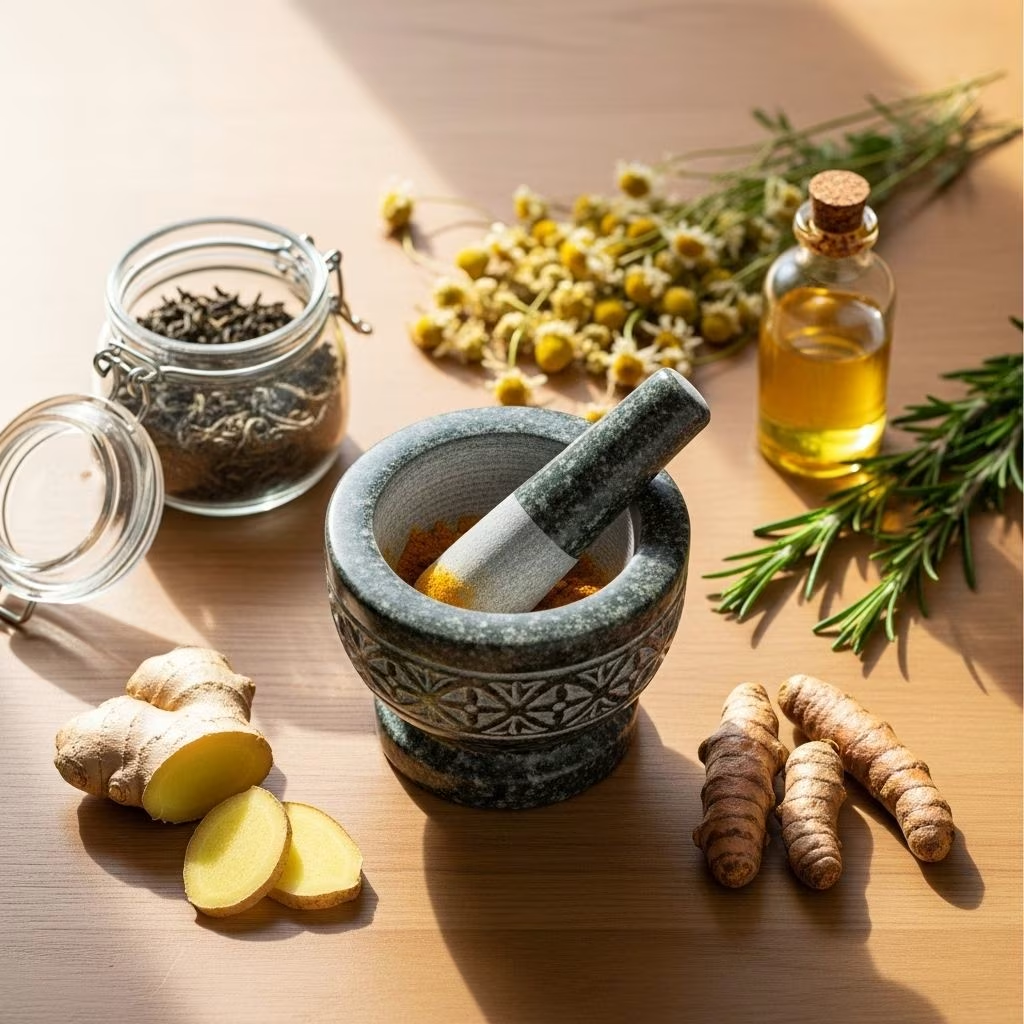
Natural Remedies for Rheumatoid Arthritis: Proven Strategies for Pain Relief
Rheumatoid arthritis (RA) is a chronic autoimmune disorder marked by persistent joint pain, swelling, stiffness, and fatigue. While conventional treatments are essential for managing the disease and preventing joint damage, many people seek natural remedies and complementary strategies to further ease symptoms and improve their quality of life. This comprehensive guide explores evidence-backed approaches—from herbal supplements and diet adjustments to mind-body therapies and lifestyle modifications—that can help alleviate RA pain, reduce inflammation, and support overall joint health.
Understanding Rheumatoid Arthritis
Rheumatoid arthritis is an autoimmune condition where the immune system attacks the joints, causing chronic inflammation. Unlike osteoarthritis, which results from wear-and-tear, RA can affect people of any age and often involves multiple joints, leading to fatigue and systemic issues. Common symptoms include:
- Persistent joint pain and swelling
- Morning stiffness lasting more than 30 minutes
- Fatigue and general malaise
- Warm or tender joints
Effective management requires a multi-faceted approach, often combining medical treatments with natural and lifestyle-based strategies.
Why Consider Natural Remedies?
Conventional medications—such as disease-modifying antirheumatic drugs (DMARDs), nonsteroidal anti-inflammatory drugs (NSAIDs), and corticosteroids—are the cornerstone of RA management. However, many patients seek natural methods to complement medical care, minimize medication side effects, and regain a sense of control over their health. Natural remedies can:
- Reduce pain and stiffness
- Lower inflammation
- Support immune balance
- Enhance mental well-being
Always consult with your healthcare provider before starting any natural therapy, ensuring it is safe and won’t interact with prescribed treatments.
Herbal Remedies and Supplements for Rheumatoid Arthritis
Certain herbs and dietary supplements have shown promise in easing joint pain and controlling inflammation. Here are the most widely researched options:
1. Turmeric and Curcumin
Turmeric, particularly its active compound curcumin, has strong anti-inflammatory and antioxidant effects. Studies indicate that curcumin may block inflammatory mediators in the joints and reduce symptoms in both osteoarthritis and RA patients. Recommended forms include standardized curcumin extracts (500–1000 mg daily).
- May reduce joint pain and swelling
- Generally safe, but high doses may upset the stomach
2. Ginger
Ginger contains compounds like gingerols that have anti-inflammatory properties similar to NSAIDs. Research suggests it can help reduce pain and stiffness in arthritis. Ginger can be consumed fresh, as a tea, or in capsule form.
3. Boswellia Serrata (Indian Frankincense)
Boswellia inhibits pro-inflammatory enzymes and may relieve pain and improve function in arthritis. Commonly used in Ayurvedic medicine, it is available in supplement form and has a good safety profile.
4. Omega-3 Fatty Acids (Fish Oil)
Omega-3s (such as those found in fish oil and krill oil) are potent anti-inflammatories. Multiple studies support their ability to reduce joint tenderness and morning stiffness, and decrease reliance on NSAIDs in RA. Typical doses range from 2000–3000 mg per day combined EPA/DHA.
5. Gamma Linolenic Acid (GLA)
GLA is found in oils derived from evening primrose, borage, and black currant. This omega-6 fatty acid may decrease joint pain, stiffness, and grip weakness in RA patients over several months.
6. Cat’s Claw
Cat’s claw contains compounds that suppress tumor necrosis factor (TNF), a key inflammatory mediator targeted by some prescription RA drugs. Small studies show it can reduce pain and swelling.
7. Thunder God Vine (Tripterygium wilfordii)
This traditional Chinese herb has shown anti-inflammatory and immune-suppressing effects. Some studies suggest it can be more effective than sulfasalazine for RA symptoms. However, it carries risks (gastrointestinal upset, immunosuppression, male infertility, and possible toxicity), so medical supervision is crucial.
8. Willow Bark and Devil’s Claw
Willow bark contains salicin, similar to aspirin, while devil’s claw is an African herb with anti-inflammatory effects. Both may help relieve joint pain, though more research is needed for RA.
9. Supplements to Consider
- Glucosamine and Chondroitin: More effective for osteoarthritis but may offer some joint support.
- Capsaicin (from chili peppers): Used topically, it reduces the pain transmitter substance P and can ease joint pain.
- Avocado-soybean unsaponifiables (ASU): Promising for joint health, though more data is needed for RA specifically.
Important note: Not all supplements are suitable for everyone, and dosing, safety, and quality can vary. Always discuss with a healthcare provider before starting a new supplement.
Mind-Body and Physical Therapies
Physical and psychological strategies can offer substantial relief from RA pain and improve overall functioning.
Acupuncture
This traditional Chinese therapy uses fine needles to stimulate points on the body, aiming to correct energy imbalances. Acupuncture has been found to lower certain inflammation markers and help with chronic pain, including in some RA cases. Qualified practitioners with experience treating arthritis are recommended.
Biofeedback
Biofeedback helps individuals gain voluntary control over bodily functions—like heart rate and muscle tension—by using electronic monitoring and guided relaxation techniques. This therapy can reduce perceived pain and help manage stress.
Massage Therapy
Massage may increase circulation, reduce muscle tension, and ease pain. Essential oils, such as lavender or ginger, can be added for additional benefits but should be used with caution due to potential skin sensitivities.
Heat and Cold Therapy
- Heat packs or warm baths relax stiff muscles and improve joint flexibility.
- Cold packs or ice wraps numb affected areas and reduce inflammation.
Alternating between hot and cold can provide temporary pain relief.
Physical Activity and Exercise
Regular, gentle exercise is vital for maintaining joint mobility and reducing RA symptoms. Beneficial activities include:
- Walking or low-impact aerobics
- Swimming or water exercise
- Yoga or tai chi (which also improve balance and mind-body awareness)
Work with a physical therapist knowledgeable about arthritis to personalize routines and avoid injury.
Dietary Strategies and Nutrition
Diet plays a role in managing inflammation and overall health for people with RA. Some evidence-based dietary strategies include:
Anti-Inflammatory Diet
- Emphasize fruits and vegetables high in antioxidants
- Include whole grains and legumes
- Choose lean proteins—like fish and poultry—over red or processed meats
- Use healthy fats, such as olive oil, nuts, and seeds
A Mediterranean-style diet is often recommended for people with inflammatory conditions.
Foods to Limit or Avoid
- Processed foods high in saturated fat and sugar
- Excessive red meat
- Refined carbohydrates
- Excessive salt
Some individuals may notice flare-ups triggered by specific foods; keeping a food diary can be helpful.
Hydration and Weight Management
Staying well-hydrated and maintaining a healthy weight can reduce pressure on joints and overall inflammation.
Additional Complementary Approaches
Aromatherapy
Aromatherapy with essential oils (like lavender or lemon) may uplift mood and offer mild stress relief, though strong evidence for direct pain relief in RA is lacking.
Magnets
Magnet therapy is popular for osteoarthritis but lacks robust evidence in RA. Some patients find subjective benefit, while research remains inconclusive.
Stress Reduction and Emotional Support
Chronic pain and inflammation can affect mental health and exacerbate RA symptoms. Effective stress management tools include:
- Meditation and mindful breathing
- Guided imagery and relaxation techniques
- Cognitive-behavioral therapy (CBT) for coping skills
- Joining support groups—online or in person—to share experiences and encouragement
Precautions and When to Seek Medical Advice
- Natural remedies work best when used alongside—not as a replacement for—conventional therapies.
- Always consult a healthcare provider before combining supplements, herbs, or alternative therapies with prescribed medications.
- Monitor for potential side effects, allergic reactions, or interactions.
- If symptoms suddenly worsen or new symptoms appear, contact your doctor promptly.
Sample Table: Overview of Natural Remedies for RA
| Remedy | How It Helps | Evidence Strength | Precautions |
|---|---|---|---|
| Turmeric/Curcumin | Reduces inflammation, may lessen pain | Moderate to strong | High doses may upset stomach |
| Ginger | Anti-inflammatory; relieves pain | Moderate | Possible stomach upset in large doses |
| Fish Oil (Omega-3) | Reduces joint tenderness, inflammation | Strong | May thin blood in high doses |
| Boswellia | Reduces swelling, improves function | Moderate | Potential GI upset |
| Thunder God Vine | Anti-inflammatory, immune modulator | Mixed, with risks | Toxicity risk, requires supervision |
| Acupuncture | Reduces pain, inflammation markers | Moderate | Ensure trained practitioner |
Frequently Asked Questions (FAQs)
Q: Can I use only natural remedies to treat rheumatoid arthritis?
No. RA is a serious autoimmune condition that can cause permanent joint damage without proper medical treatment. Natural remedies should be used in conjunction with prescribed therapies and under medical supervision.
Q: What is the best natural supplement for RA pain?
Supplements such as fish oil (omega-3) and curcumin (from turmeric) have the strongest evidence for relieving RA pain and inflammation. Choosing a high-quality, standardized product and discussing dosing with a healthcare provider is essential.
Q: Are there foods I should avoid if I have RA?
Some people find symptom relief by minimizing inflammatory foods like processed meats, sugar, and refined carbohydrates. Try to avoid foods that trigger your individual flare-ups, which may differ from person to person.
Q: How does exercise help with RA?
Exercise helps maintain joint mobility, strengthens muscles around affected joints, supports weight management, and may reduce inflammation and fatigue. Low-impact activities are safest for most people with RA.
Q: What natural therapy has the most scientific backing?
Omega-3 fatty acids (fish oil), turmeric/curcumin, and maintaining a balanced anti-inflammatory diet have the most peer-reviewed evidence supporting their role in RA pain relief and inflammation reduction.
Q: How do I know if a supplement is safe?
Look for brands that carry third-party testing, provide standardized dosages, and are transparent about their sourcing. Always consult your doctor or pharmacist before starting any new supplement, especially if you are on prescription drugs or have coexisting conditions.
Conclusion
While no natural remedy should replace medical care for RA, a holistic approach—including herbs, supplements, dietary changes, mind-body therapies, and lifestyle tweaks—can help reduce pain, ease inflammation, and support whole-body wellness. Collaboration with your rheumatologist ensures that your regimen is both safe and effective, empowering you to manage rheumatoid arthritis with confidence and greater comfort.
References
- https://www.webmd.com/rheumatoid-arthritis/rheumatoid-arthritis-natural-treatments
- https://health.clevelandclinic.org/rheumatoid-arthritis-natural-remedies
- https://www.arthritis.org/health-wellness/healthy-living/managing-pain/pain-relief-solutions/natural-relief-for-arthritis-pain
- https://pmc.ncbi.nlm.nih.gov/articles/PMC9376257/
- https://rheumatology.org/herbal-remedies-supplements-acupuncture-for-arthritis
- https://www.nhs.uk/conditions/rheumatoid-arthritis/treatment/
- https://www.arthritis.org/health-wellness/treatment/complementary-therapies/supplements-and-vitamins/supplements-for-arthritis
- https://www.healthline.com/health/remedies-rheumatoid-arthritis
- https://www.mayoclinic.org/diseases-conditions/rheumatoid-arthritis/diagnosis-treatment/drc-20353653


