


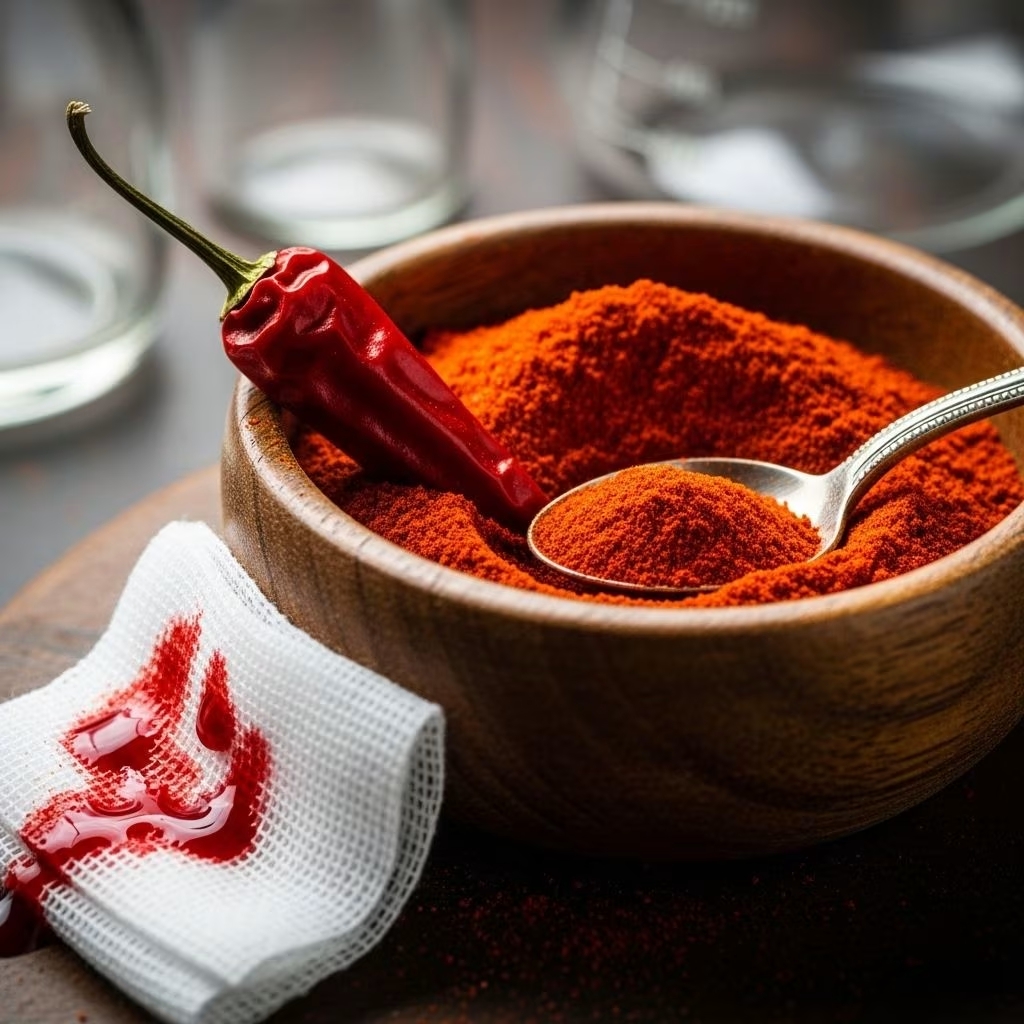
Cayenne Pepper to Stop Bleeding
Cayenne pepper, a common kitchen spice, has long been recommended in folk medicine as a fast, accessible remedy for minor bleeding. Anecdotes and some preliminary scientific evidence suggest that when applied directly to a wound, cayenne pepper can help stem bleeding quickly, adding another dimension to its health benefits beyond flavoring food.
But how does it work, and what does research say?
Understanding Cayenne Pepper: What Is It?
Cayenne pepper is a hot chili pepper derived from the species Capsicum annuum, widely recognized for its medicinal and culinary benefits. Its active compound, capsaicin, is responsible for its heat and some of its health effects.
Used fresh, dried, or powdered, cayenne pepper finds roles in traditional medicine worldwide—including as a topical aid for bleeding.
How Is Cayenne Pepper Thought to Stop Bleeding?
- Vasoconstrictive effect: Capsaicin can cause blood vessels to constrict, slowing blood flow when applied to wounds.
- Mild blood-thinning properties: Cayenne promotes blood circulation overall, but, paradoxically, its topical vasoconstriction may help coagulate blood locally. In some folk methods, a moist cayenne paste or dry powder is sprinkled directly on minor cuts.
- Traditional remedy: Generations have vouched for its rapid effect, reporting substantial reduction in bleeding sometimes within 30 seconds.
Step-by-Step: Using Cayenne Pepper for Minor Cuts
- Clean the wound gently to remove debris.
- Dry the area to avoid dispersing powder prematurely.
- Sprinkle a moderate amount of powdered cayenne pepper directly on the bleeding site.
- Apply gentle pressure with sterile gauze or a clean tissue.
- Expect mild stinging. The sensation typically subsides within seconds.
- Rinse the pepper off with cold water after the bleeding stops.
Note: This method is best reserved for small, superficial wounds. For deep or persistent bleeding, seek medical attention.
Home Remedies for Bleeding: How Does Cayenne Compare?
Several household remedies help stop bleeding fast, each with different mechanisms. Below is a comparison of popular methods including cayenne pepper.
| Remedy | Mechanism | Best Use Case |
|---|---|---|
| Cayenne Pepper | Vasoconstrictor; coagulation | Superficial cuts; minor wounds |
| Black Pepper | Similar to cayenne (milder) | Small cuts; when cayenne not available |
| Antiperspirant | Tissue contraction via aluminum salts | Minor nicks; shaving wounds |
| Aspirin Paste | Platelet aggregation (debatable) | Small abrasions |
| Cornstarch/Flour/Sugar | Physical barrier; moisture absorption | Surface cuts only |
| Petroleum Jelly/Lip Balm | Seals cut; prevents air exposure | Paper cuts; dry skin cracks |
| Witch Hazel | Vasoconstriction; astringent | Mild bleeding, skin irritation |
| Mouth Wash | Disinfectant; astringent | Oral wounds |
Cayenne and black pepper are notable for their quick effect, although stinging can be unpleasant.
The Science Behind Cayenne Pepper and Bleeding
Research into cayenne’s hemostatic properties is limited, but several studies highlight potential mechanisms:
- Capsaicin-induced vasoconstriction: Capsaicin can constrict local blood vessels, potentially reducing blood flow and helping clot formation in superficial cuts.
- Improved wound healing: Experimental studies suggest capsaicin improves wound healing by reducing inflammation and promoting tissue repair.
- Blood-thinning action: Cayenne’s overall effect is blood-thinning, improving circulation, though in context of wound application, its local actions dominate.
Clinical trials on cayenne for emergency wound care are rare. Most existing evidence is anecdotal, supplemented by a handful of scientific reviews and animal studies.
Other Medicinal Actions of Cayenne Pepper
- Pain relief: Ointments with cayenne (capsaicin) are used to reduce muscle, joint, and nerve pain by depleting substance P, a pain signal chemical.
- Psoriasis: Topical creams help treat skin conditions like psoriasis due to anti-inflammatory effects.
- Digestive aid: Stimulates saliva and mucous secretion, prevents gastric ulcers, and aids overall digestion.
- Anti-fungal activity: Compound CAY-1 in cayenne fights fungal infections by attacking their cell walls.
- Cardiovascular support: May help lower blood pressure and reduce risk factors for heart disease through blood vessel relaxation.
- Cancer research: Preliminary studies suggest possible cancer-fighting abilities, but evidence is not definitive for clinical use.
- Sexual health: Folk claims include libido boosts due to improved circulation, though research is inconclusive.
Cautions: Risks, Allergies, and Who Should Avoid Cayenne Pepper
- Stinging sensation: Cayenne will sting sharply when applied to open wounds.
- Nightshade allergy: Cayenne is in the nightshade family; avoid if allergic to nightshades.
- Deep wounds or heavy bleeding: Do not attempt home remedies with cayenne in these cases. Seek urgent medical care.
- Mucous membranes: Avoid applying cayenne inside the mouth, nose, or near the eyes.
- Children and sensitive skin: Use extra caution, as irritation can be severe.
Always consult with a healthcare professional before experimenting with cayenne or any natural remedy, especially if you have underlying health issues or are taking medications that affect clotting.
Everyday Use: Keeping Cayenne Pepper on Hand
- Store a small container of powdered cayenne pepper in the kitchen for emergencies.
- As a supplement, cayenne can be added to foods for heart and digestive benefits—start with small amounts to build tolerance.
- Keep out of reach of children.
- Always label clearly to avoid mistaken overuse.
Frequently Asked Questions (FAQs)
Q: Can cayenne pepper really stop bleeding in seconds?
Many anecdotal reports claim bleeding stops within 30 seconds of applying cayenne to a minor cut, though scientific validation is limited.
Q: Is cayenne pepper safe on all wounds?
No. Use cayenne only on small, superficial cuts. Never on deep wounds, large injuries, or near mucous membranes.
Q: How much should I use?
Sprinkle a thin, visible layer directly over the cut. Applying too much can increase stinging and irritation.
Q: What about allergic reactions?
Individuals sensitive to nightshades (tomato, pepper, eggplant family) should avoid cayenne.
Q: Can I use a cayenne liquid extract?
Some anecdotal reports suggest powdered cayenne works better than extract forms for bleeding control.
Q: Should I rinse the wound after applying pepper?
Rinse the area gently with cool water after the bleeding has stopped to remove residual pepper.
Q: Are there any proven medical uses for cayenne pepper?
Beyond anecdotal bleeding control, cayenne and its active ingredient, capsaicin, are used in topical creams and patches for pain relief, digestive support, and may aid psoriasis.
Q: What other home remedies work for bleeding?
- Black pepper (similar to cayenne)
- Antiperspirant (aluminum-based)
- Cornstarch, flour, or sugar (physical barriers)
- Petroleum jelly/lip balm
- Witch hazel or mouthwash (for oral wounds)
Summary Table: Pros and Cons of Cayenne Pepper for Bleeding
| Advantages | Disadvantages |
|---|---|
| Rapid effect on minor bleeding Readily available in most homes Also supports pain relief and wound healing | Sharp stinging at application Not for deep wounds, heavy bleeding Possible allergic reactions Limited scientific validation |
Practical Takeaways
- Cayenne pepper is a practical home remedy for minor cuts, though not a substitute for professional care in major injuries.
- Its effectiveness is based largely on anecdotal evidence and traditional knowledge, with some scientific support for its vasoconstrictive and healing action.
- Cayenne’s broader health benefits span cardiovascular support, pain relief, digestive aid, and potential anti-fungal and anti-inflammatory properties.
- Always exercise caution and consult a professional before use, especially in concerning cases.
Should You Try Cayenne Pepper for Bleeding?
If you experience a minor cut and conventional remedies seem slow, cayenne pepper offers a quick, kitchen-based alternative. However, its use should be confined to superficial wounds, and never in place of medical care when bleeding is significant. For most, a small jar of cayenne pepper in the spice cabinet can double as a useful first aid tool—and a reminder of the surprising healing power of natural remedies within arm’s reach.
References
- https://www.marconews.com/story/life/2018/09/03/ask-pharmacist-cayenne-stopped-my-bleeding-30-seconds/1145715002/
- https://www.medicinenet.com/what_cayenne_pepper_does_to_your_body/article.htm
- https://allaquix.com/pages/guide-to-stop-bleeding-fast
- https://caringsunshine.com/relationships/relationship-bleeding-external-and-cayenne-pepper/
- https://www.urmc.rochester.edu/encyclopedia/Content?contentTypeID=19&ContentID=Cayenne
- https://pmc.ncbi.nlm.nih.gov/articles/PMC10350740/


