


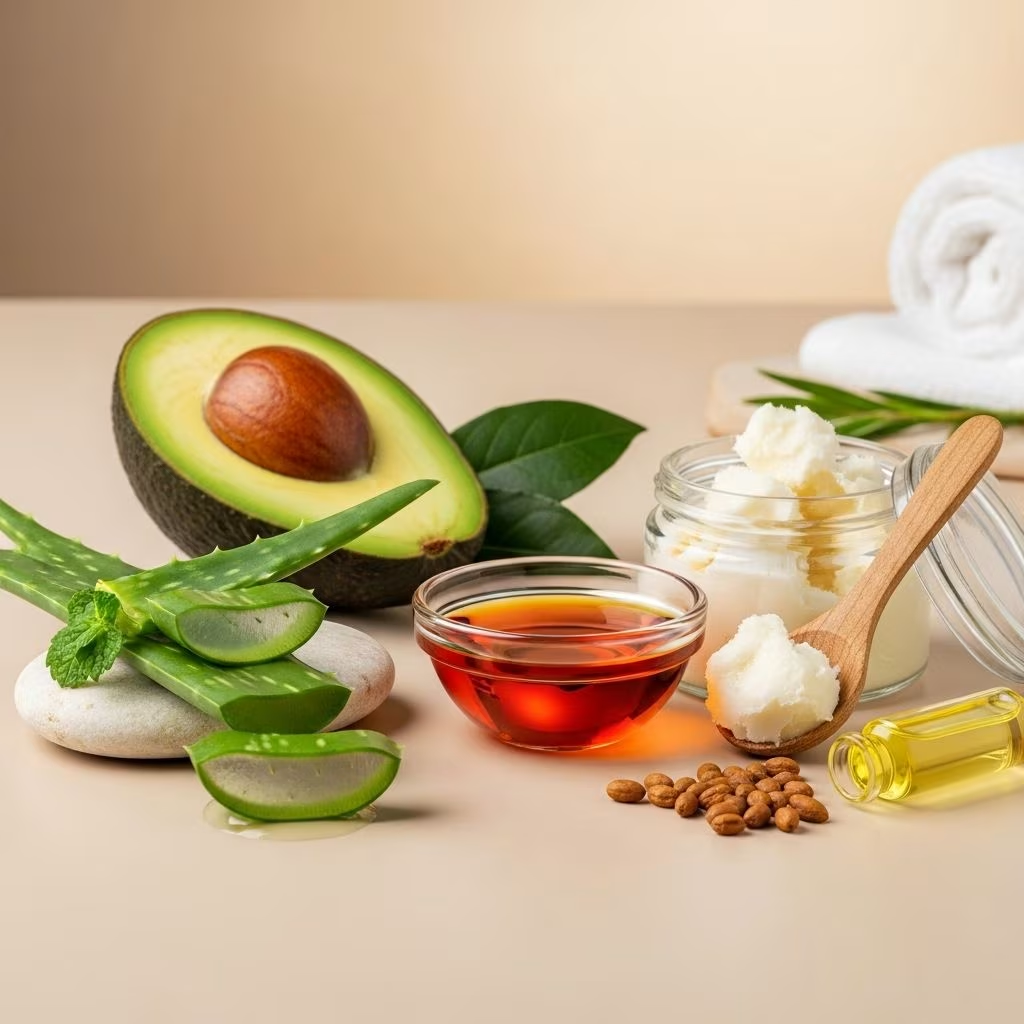
5 Proven Natural Remedies for Reducing Stretch Marks
Stretch marks, medically known as striae, commonly appear as streaks or lines on the skin that result from rapid stretching. They may occur during pregnancy, puberty, periods of quick weight gain or loss, or muscle building. While harmless, many people seek ways to diminish their appearance for cosmetic reasons. As interest in natural skincare remains high, several home remedies have gained attention for their potential to visually reduce stretch marks. This guide provides a comprehensive look at five of the most effective, dermatologist-approved natural remedies, as well as practical lifestyle habits and frequently asked questions.
What Causes Stretch Marks?
Stretch marks develop when the skin experiences a rapid change in size, straining the collagen and elastin fibers. Once these fibers snap, the lines that form are initially red, purple, or dark brown, then gradually fade to pale or silvery hues. The most common causes include:
- Pregnancy
- Growth spurts (adolescence)
- Rapid muscle gain or loss
- Weight fluctuations
- Genetic predisposition
1. Aloe Vera: Nature’s Skin Soother
Aloe vera is well-known for its healing and moisturizing properties, making it a popular remedy for reducing the appearance of stretch marks. The gel extracted from aloe leaves contains vitamins A, C, and E, and boasts antioxidant and anti-inflammatory qualities. Several studies have found that aloe vera gel may support skin regeneration, improve hydration, and decrease irritation and itching, all of which are important factors when managing stretch marks.
- How to Use: Apply pure aloe vera gel directly to your stretch marks and massage gently. Let it sit for 15-20 minutes before rinsing with lukewarm water. Repeat daily for best results.
- Tip: For increased absorption, apply the gel to freshly showered skin or after gentle exfoliation.
- Benefit: Aloe vera can provide soothing relief from irritation and supports the skin’s natural healing processes.
2. Coconut Oil: The Natural Moisturizer
Coconut oil is rich in healthy fats and antioxidants, which are essential for repairing the skin barrier and promoting healing. Some research highlights its ability to improve dry skin conditions and support wound healing, suggesting it may help fade stretch marks over time. While evidence regarding its direct effect on stretch marks is mixed, anecdotal reports support its daily use for smoother, more elastic skin.
- How to Use: Gently massage virgin coconut oil onto stretch-prone areas, ideally after bathing when the skin is most receptive to moisture. Use circular, upward strokes to encourage absorption.
- Consideration: Always patch-test to avoid potential allergic reactions, especially if you have sensitive skin.
- Practical Benefit: Consistent massaging can improve circulation, potentially contributing to gradual reduction in stretch marks’ visibility.
3. Olive Oil: Rich Nutrition for Skin Regeneration
Olive oil, a staple in Mediterranean skincare routines, offers a bounty of vitamin E, polyphenols, and squalene—all powerful agents for nourishing and repairing the skin. Recent clinical studies have shown promising results: topical olive oil, applied twice daily, significantly reduced the severity of postpartum stretch marks compared to other moisturizers. Its regular use can support the skin’s elasticity and healing.
- How to Use: Pour a small amount of extra virgin olive oil onto your palms and warm it by rubbing your hands together. Massage gently into stretch marks for several minutes.
- Study Highlight: A 2024 study documented up to a 72.4% decrease in severity among participants using olive oil over two weeks, underscoring its potential protective and reparative properties.
- Tip: For best results, combine with gentle massage and use on clean, damp skin.
4. Vitamin E: The Classic Antioxidant
Vitamin E is widely recognized for its ability to support skin health by neutralizing harmful free radicals. It also promotes skin renewal and repair, making it a common ingredient in creams and oils for stretch mark treatment. Though some clinical evidence is still evolving, its moisturizing and healing properties are widely cited in dermatological literature.
- How to Use: Break open a vitamin E capsule and apply the oil directly to your stretch marks. Gently massage into the skin using circular movements.
- Alternatives: Look for creams or serums that combine vitamin E with other beneficial ingredients, such as cocoa butter, shea butter, or natural plant oils.
- Benefit: Helps keep skin hydrated and may improve elasticity, reducing stretch mark depth and discoloration over time.
5. Cocoa Butter: Intense Hydration for Smoother Skin
Cocoa butter, extracted from cocoa beans, is an ultra-moisturizing fat known for its rich, creamy texture and emollient properties. It is often recommended as a preventive treatment for stretch marks, especially during pregnancy. Regular application can enhance skin softness and elasticity, creating a barrier to future stretching and scarring.
- How to Use: Apply cocoa butter directly to stretch marks twice daily, gently massaging into the skin.
- Tip: Use after showers when the skin is warm and pores are open, maximizing absorption.
- Additional Notes: Many commercial stretch mark creams feature cocoa butter blended with vitamin E for synergistic benefits.
Comparison of Popular Natural Oils for Stretch Marks
| Natural Oil | Key Benefit | Best Practice | Clinically Supported? |
|---|---|---|---|
| Olive Oil | Reduces severity, improves elasticity | Massage twice daily after shower | Yes (recent studies support efficacy) |
| Coconut Oil | Moisturizes and soothes | Apply to damp skin daily | Limited evidence, strong anecdotal support |
| Sweet Almond Oil | Hydrates, improves complexion | Massage into affected areas | Mostly anecdotal and limited studies |
| Vitamin E Oil | Promotes healing, antioxidant | Apply directly or use creams/serums | Mixed clinical results |
| Cocoa Butter | Deep moisture, improves softness | Apply twice daily | Commonly recommended, evidence anecdotal |
Lifestyle Tips for Healthier Skin
Beyond topical remedies, maintaining healthy lifestyle habits can help minimize the risk and appearance of stretch marks:
- Stay Hydrated: Drink plenty of water daily to support skin elasticity and resilience.
- Balanced Diet: Eat foods rich in vitamin C, zinc, protein, and healthy fats for skin nourishment.
- Gentle Exfoliation: Use a natural sugar scrub weekly to remove dead skin cells and promote regeneration.
- Avoid Excessive Caffeine: Too much coffee or soda may reduce overall skin hydration—counteract this by increasing your water intake.
- Regular Moisturizing: Keep skin supple with daily use of your preferred natural oil or butter, especially during rapid growth phases.
What to Expect from Natural Remedies
It’s important to set realistic expectations when using natural remedies. While these methods can support your skin’s health and diminish the appearance of stretch marks, they are unlikely to remove marks entirely. Consistency and patience are essential. Most people notice gradual fading, improved texture, and less discomfort over several weeks or months.
If you are pregnant, breastfeeding, or sensitive, always consult with a healthcare provider before starting new treatments. Allergic reactions, though rare, can occur with any skin product, natural or not.
Frequently Asked Questions (FAQs)
Q: Are stretch marks permanent?
A: Stretch marks are a type of scarring and are technically permanent, but their appearance can be reduced over time with proper care, especially with natural remedies that support the skin’s healing and regeneration.
Q: Can stretch marks be prevented?
A: While not all stretch marks can be prevented due to genetics and hormonal factors, maintaining well-moisturized, elastic skin with daily use of natural oils and butters may lower your risk, particularly during pregnancy or rapid growth periods.
Q: How long does it take to see results from natural remedies?
A: Visible improvement often takes several weeks to months of consistent application. Stretch marks may fade faster if remedies are started early, when the marks are still red or purple.
Q: Are there any risks with using natural remedies?
A: Natural ingredients are generally safe for most people, but allergies or sensitivities are possible. Always patch-test any new product. Pregnant or breastfeeding women should consult health professionals before using botanicals like vitamin A derivatives.
Q: What else can I do for severe or old stretch marks?
A: For mature, white, or silvery stretch marks, procedures like microdermabrasion, laser therapy, or cosmetic treatments may offer additional improvement. Natural remedies still provide skin nourishment and overall health benefits as part of a holistic routine.
Final Thoughts: Embracing Skin Changes
Stretch marks are a natural part of life for many individuals—celebrated by some as ‘tiger stripes’ of growth, motherhood, or transformation. While they may never disappear completely, gentle care with effective natural remedies can help make them less noticeable. By nourishing your skin daily, you not only improve its appearance but also foster a spirit of self-acceptance and wellness from within.
References
- https://www.healthline.com/health/home-remedies-for-stretch-marks
- https://www.mederma.com/article/10-home-remedies-to-naturally-reduce-stretch-marks/
- https://www.mayoclinic.org/diseases-conditions/stretch-marks/diagnosis-treatment/drc-20351144
- https://www.aad.org/public/cosmetic/scars-stretch-marks/stretch-marks-why-appear
- https://kyoord.com/blogs/learn/from-kitchen-to-skincare-olive-oil-s-surprising-stretch-mark-benefits
- https://pmc.ncbi.nlm.nih.gov/articles/PMC8251840/
- https://www.babyforest.in/blogs/thoughts-and-ideas/home-remedies-to-prevent-and-reduce-pregnancy-stretch-marks
- https://my.clevelandclinic.org/health/diseases/10785-stretch-marks


