


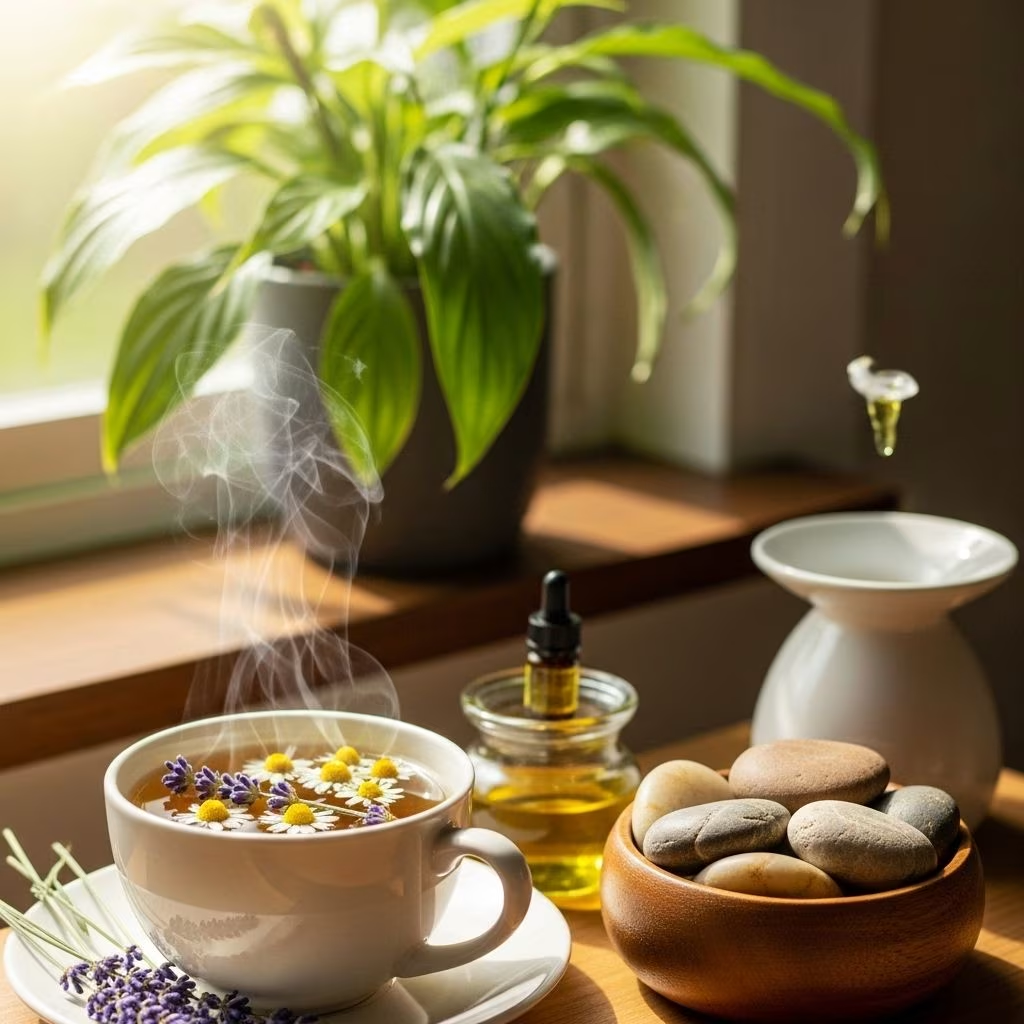
Natural Remedies for Anxiety Relief
Anxiety is a prevalent mental health concern affecting millions worldwide. While conventional medications can be effective for some, many individuals are seeking natural remedies for anxiety relief to avoid potential side effects and promote holistic well-being. This comprehensive guide delves into effective, research-supported natural strategies, herbal supplements, nutritional interventions, and lifestyle changes that can help ease the symptoms of anxiety and foster lasting tranquility.
Understanding Anxiety: The Modern Epidemic
Anxiety manifests as persistent worry, nervousness, and physical symptoms such as a rapid heartbeat, muscle tension, and restlessness. While it can be a normal response to stress, chronic anxiety can severely impact daily functioning and quality of life. Addressing root causes, such as lifestyle factors, nutritional imbalances, and underlying stressors, forms the foundation for lasting anxiety relief.
Why Choose Natural Remedies?
Natural remedies offer several advantages for individuals seeking gentle yet effective anxiety management:
- Fewer side effects compared to many pharmaceuticals
- Holistic support for mind and body
- Compatibility with other therapeutic modalities
- Empowerment for self-care and long-term well-being
However, it’s vital to consult with healthcare professionals before starting any new regimen, especially if you are already taking medication or have underlying health conditions.
Herbal Remedies for Anxiety Relief
Nature provides a rich pharmacy of herbs known for their calming, anxiolytic (anxiety-reducing), and adaptogenic (stress-modulating) effects. Here are some of the most researched and widely used herbal remedies:
1. Lavender
Lavender (Lavandula angustifolia) has been prized for centuries for its tranquilizing properties. Clinical studies indicate that lavender oil, whether inhaled as aromatherapy or taken orally in controlled dosages, can significantly reduce symptoms of anxiety. One study reported that capsules of lavender essential oil alleviated anxiety and improved sleep without causing dependency or withdrawal effects. Lavender can be experienced through:
- Aromatherapy: Inhalation using diffusers or direct application to pulse points
- Teas or supplements (ensure proper dosage and consult a professional)
2. Chamomile
Chamomile (Matricaria chamomilla or Chamaemelum nobile) is another gentle yet effective herb. Studies suggest that chamomile extracts can lessen the severity of general anxiety disorder symptoms. Common preparations include:
- Herbal teas: Ideal for daily relaxation
- Capsules standardized for active ingredients
3. Passionflower
Passionflower (Passiflora incarnata) has shown anxiolytic effects comparable to certain prescription medications in some studies. It is believed to increase levels of gamma-aminobutyric acid (GABA), promoting relaxation and reducing excitability in the brain.
- Herbal teas or tinctures made from the aerial parts of the plant
- Capsules for more convenient consumption
4. Kava Root
Kava root (Piper methysticum), traditional to Pacific Island cultures, is renowned for its potent calming and muscle-relaxing effects. Meta-analyses support its short-term effectiveness in reducing anxiety. However, kava has been linked with rare cases of liver toxicity, so use should only occur under the supervision of a qualified healthcare provider.
5. Valerian Root
Valerian root (Valeriana officinalis) has long been used for its sedative properties. While the research is mixed, some find it especially helpful for anxiety accompanied by insomnia. Caution is advised, as abrupt discontinuation or combination with other sedating drugs can trigger withdrawal symptoms or liver concerns.
6. Ashwagandha
Ashwagandha (Withania somnifera) is an adaptogenic herb central to Ayurvedic medicine. It helps balance cortisol (the stress hormone) and supports the body’s resilience to stress and anxiety. Dosages between 500–1,000 mg daily are common in studies, but results can vary by preparation.
7. Holy Basil (Tulsi)
Holy basil (Ocimum tenuiflorum), or tulsi, is revered in traditional Indian medicine as a powerful adaptogen. Emerging research suggests holy basil can lower anxiety and stress markers, especially with long-term use. Common uses include:
- Tea made from dried leaves
- Extracts or capsules for controlled dosages
Herbal Remedy Cautions
It’s important to consult health professionals prior to using herbal supplements, especially if you are pregnant, breastfeeding, taking other medications, or have preexisting conditions. Some herbs, like kava and valerian, can interact with medications or cause serious side effects if misused.
Natural Supplements and Nutritional Strategies
Certain vitamins, minerals, and natural compounds can play measurable roles in anxiety relief and emotional well-being. Optimizing nutritional status is a foundational component of any holistic approach.
| Supplement | Potential Benefits | Cautions |
|---|---|---|
| B Vitamins | Support nervous system function, may lower stress and anxiety symptoms. | High doses can cause toxicity; best used under professional guidance. |
| Magnesium | Calms the nervous system and may ease muscle tension. | Excess intake can cause digestive upset. |
| 5-HTP | Boosts serotonin, a calming neurotransmitter (caution: do not combine with antidepressants). | May interact dangerously with prescription medications. |
Nutritional Guidelines for Reducing Anxiety
- Eat a balanced diet rich in whole foods, fruits, vegetables, lean protein, and healthy fats.
- Reduce sugar and processed foods, which can cause erratic blood sugar swings exacerbating anxiety symptoms.
- Include foods high in omega-3 fatty acids (such as fatty fish, walnuts, flaxseed) for brain health.
- Ensure adequate hydration, as dehydration can increase stress.
Essential Oils and Aromatherapy for Anxiety
Essential oils have been used in traditional healing for centuries and are increasingly popular as adjuncts for anxiety relief. Their effects may include direct action within the brain (limbic system) and indirect benefits via calming rituals.
- Lavender essential oil: Inhalation, topical application, or use in diffusers can swiftly reduce feelings of anxiety.
- Vetiver essential oil: Known as the “oil of tranquility.” Apply 1–2 drops to pulse points or add to bathwater for soothing effects.
- Bergamot, ylang ylang, and frankincense: Used independently or in blends for stress relief and emotional grounding.
While essential oils are generally safe, always dilute appropriately and test for skin sensitivity. Inhalation is a preferred method for rapid anxiety relief.
Lifestyle Strategies for Managing Anxiety
Alongside herbs and supplements, lifestyle modifications form the cornerstone of natural anxiety relief. Adopting healthy daily habits can profoundly shift your baseline level of stress resilience.
Physical Activity
Exercise is not only vital for physical health but significantly improves mental well-being. Activities such as brisk walking, yoga, swimming, or dancing trigger the release of endorphins, natural compounds that enhance mood and decrease anxiety. Aim for 30 minutes a day of enjoyable movement.
Mindfulness, Meditation, and Breathwork
- Mindfulness meditation helps bring awareness to the present, reducing rumination.
- Deep breathing exercises, such as diaphragmatic or box breathing, quickly activate the parasympathetic nervous system, calming both mind and body.
- Progressive muscle relaxation involves systematically tensing and relaxing muscle groups to release embodied tension.
Quality Sleep Routines
Poor or irregular sleep often amplifies anxiety symptoms. Support restorative sleep by maintaining consistent bed and wake times, limiting screen time before bed, and cultivating a calming nighttime routine with practices such as gentle stretching or hearing soothing sounds (e.g., soft music, nature sounds).
Social Connection and Support
- Talking openly with trusted friends or support groups provides a sense of belonging and understanding.
- Community involvement and meaningful activities can buffer against feelings of isolation and worry.
Limit Stimulants and Alcohol
Limit caffeine (found in coffee, energy drinks, some teas) and alcohol, as both can exacerbate anxiety. Choose herbal teas or water for a calming alternative.
Frequently Asked Questions (FAQs)
Q: Are natural remedies for anxiety safe for everyone?
A: Many natural remedies are generally safe, but certain herbs and supplements can interact with medications or specific health conditions. Always consult with a healthcare professional before starting new remedies, especially if you are on medication, pregnant, or breastfeeding.
Q: How long do natural remedies take to work?
A: Some remedies, like essential oils or breathing exercises, can provide immediate relief. Others, such as adaptogenic herbs or dietary changes, may require several weeks of consistent use before significant benefits are noticeable.
Q: Can I use these remedies alongside prescription medications?
A: In most cases, some natural remedies can complement prescribed treatments, but interactions are possible. Herbs like kava, valerian, and 5-HTP can have serious interactions with certain medications. Coordination with a healthcare provider is crucial.
Q: What lifestyle changes help the most with anxiety?
A: Regular physical activity, sufficient sleep, balanced nutrition, and cultivating supportive social connections collectively provide powerful anxiety relief. Mindfulness and breathwork also offer fast, accessible tools for regaining calm.
Q: What are warning signs that professional help is needed?
A: If anxiety interferes significantly with daily functioning, leads to persistent physical symptoms, or is accompanied by depression or thoughts of self-harm, seek prompt guidance from a licensed mental health professional.
Conclusion: Embracing a Holistic Approach
Natural remedies for anxiety offer a spectrum of supportive options, from time-honored herbs to empowering lifestyle practices. The most effective approach often combines several strategies tailored to individual needs. By exploring these natural remedies with guidance and intention, it is possible to achieve sustained calm, balance, and resilience in the face of modern life’s stresses.
References
- https://www.webmd.com/anxiety-panic/natural-remedies-for-anxiety
- https://www.mayoclinic.org/diseases-conditions/generalized-anxiety-disorder/expert-answers/herbal-treatment-for-anxiety/faq-20057945
- https://wellnessroadpsychology.com/natural-anxiety-treatment/
- https://www.goodrx.com/conditions/generalized-anxiety-disorder/otc-remedies-anxiety
- https://www.health.harvard.edu/blog/nutritional-strategies-to-ease-anxiety-201604139441
- https://www.hollandandbarrett.com/the-health-hub/conditions/mental-health/mind-and-body/how-to-deal-with-anxiety/
- https://www.jeffersonhealth.org/your-health/living-well/8-supplements-that-can-help-reduce-anxiety-according-to-a-psych
- https://www.pharmacytimes.com/view/10-natural-remedies-to-consider-for-treating-anxiety


