


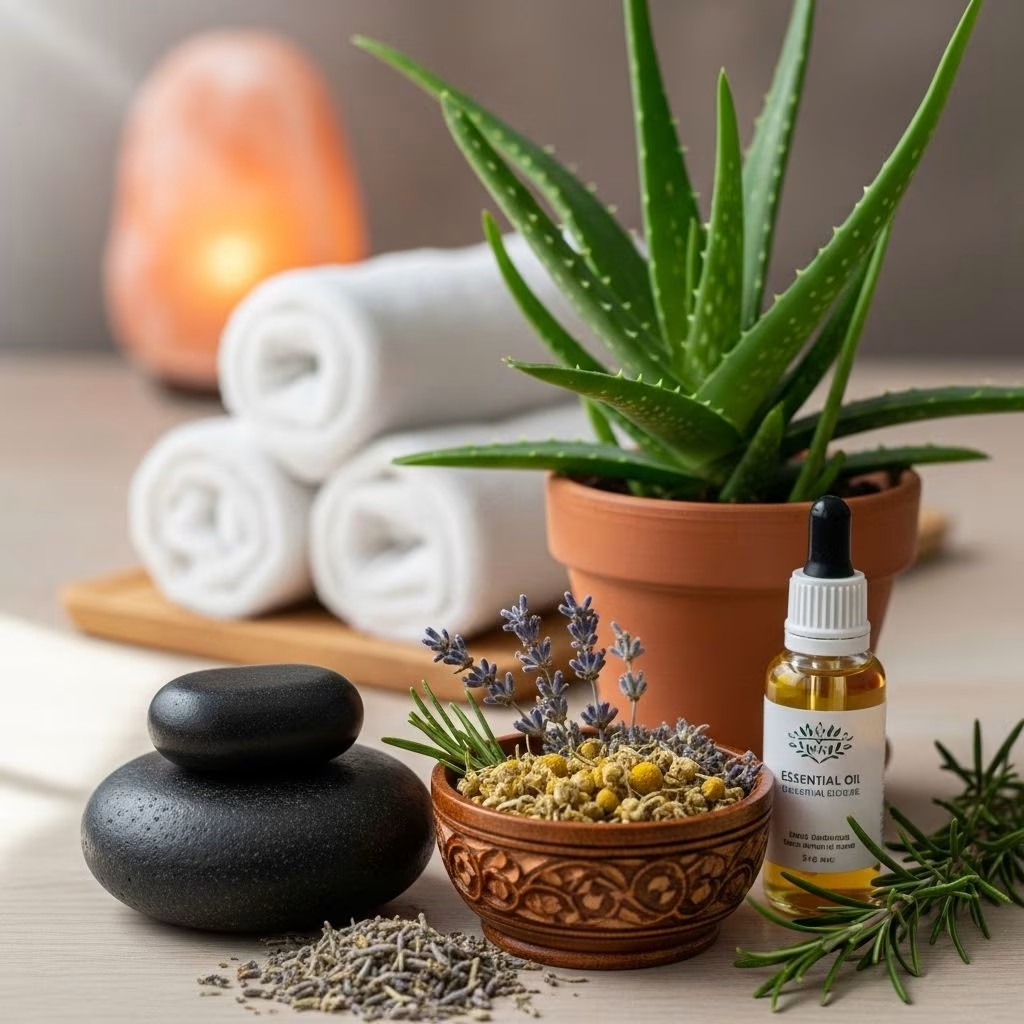
Natural Remedies for Neck Pain Relief
Neck pain is a common health issue affecting people of all ages, often triggered by poor posture, muscle strain, injury, or underlying health conditions. Fortunately, there are natural remedies that offer effective relief without relying solely on medication or surgery. Understanding these holistic strategies can help you manage discomfort and promote a healthier, more active lifestyle.
Understanding Neck Pain: Causes and Risks
- Poor posture: Such as looking down at screens or slouching.
- Muscle strain: Due to sports, lifting, or repetitive movements.
- Injury: Trauma from accidents or sudden movements.
- Stress and tension: Emotional factors can tighten neck muscles.
- Underlying conditions: Arthritis, cervical disc problems, or nerve impingement.
Most cases of neck pain respond well to lifestyle changes and natural remedies. However, persistent or severe pain should be evaluated by a medical professional.
Core Natural Remedies for Neck Pain Relief
1. Gentle Neck Stretches and Exercises
Gentle movement can relieve stiffness and enhance mobility. Neck stretches and exercises should be performed slowly to avoid straining muscles.
- Side Neck Stretch: Drop your ear toward your shoulder, hold 15–30 seconds, then switch sides.
- Forward Neck Stretch: Tilt your chin toward your chest, hold 15–30 seconds.
- Neck Rotation: Slowly turn your head right and left to gently stretch the muscles.
- Shoulder Rolls: Lift shoulders to ears, then roll back and down several times.
Repeat these exercises 2–3 times daily for best results. Always breathe deeply and relax as you stretch to further promote healing.
2. Heat and Cold Therapy
Alternating between heat and cold applications can manage pain and inflammation:
- Heat therapy: Use a warm compress, heating pad, or take a warm shower to relax muscles and boost circulation.
- Cold therapy: Apply an ice pack (wrapped in cloth) to the neck for 15–20 minutes to reduce swelling and numb acute pain.
- Moist heat: A sock filled with warm rice wrapped in a wet towel can deliver moist heat for deeper muscle relief.
Alternate heat and cold treatments for optimal relief. Avoid direct ice or excessive heat to prevent skin damage.
3. Herbal Remedies and Supplements
Certain herbs contain compounds that naturally combat inflammation and discomfort:
- Turmeric: Contains curcumin, a potent anti-inflammatory. Add turmeric powder to food or take supplements as advised.
- Ginger: Brew ginger tea or add fresh ginger to meals for circulatory and anti-inflammatory benefits.
- Chamomile: Drinking chamomile tea helps relax tense muscles and promote sleep.
- Arnica: Arnica gel can be applied topically for localized pain relief.
- Apple cider vinegar: Its anti-inflammatory and antioxidant properties can be utilized via compresses or bath soaks.
| Herb | How to Use | Benefit |
|---|---|---|
| Turmeric | Food, supplement | Reduces inflammation |
| Ginger | Tea, food | Improves circulation, reduces pain |
| Chamomile | Tea | Relaxes muscles, aids sleep |
| Arnica | Topical gel | Reduces soreness |
| Apple cider vinegar | Compress, bath | Anti-inflammatory, antioxidant |
4. Essential Oils and Aromatherapy
Essential oils are concentrated extracts from plants with therapeutic properties for neck pain:
- Lavender oil: Calms the nervous system and eases muscle tension. Dilute and massage into the neck or use in a diffuser.
- Peppermint oil: Provides a cooling sensation and stimulates circulation. Apply to painful areas (with carrier oil).
- Eucalyptus and rosemary oils: Possess anti-inflammatory properties; use in aromatherapy diffusers or dilute for topical massage.
Tip: Always patch test before applying essential oils to skin. Consult a healthcare provider for correct usage and contraindications.
5. Hydrotherapy
Hydrotherapy involves the use of water for therapeutic purposes:
- Direct a warm shower stream onto the affected neck area for 30–60 seconds.
- Add Epsom salt to a warm bath to help relax muscles and reduce inflammation. Use 1–2 cups in a tub, soak up to neck for 15–20 minutes.
Note: Epsom salt baths are not recommended for individuals with diabetes, high blood pressure, or heart conditions.
6. Posture Correction & Ergonomics
Poor posture is a leading contributor to neck pain. Adapting proper ergonomics can prevent and reduce discomfort:
- Adjust your workstation to ensure screens are at eye level.
- Sit upright with shoulders relaxed and feet flat on the ground.
- Limit prolonged device use; take regular breaks to move and stretch.
- Use supportive pillows that help align the neck during sleep.
7. Rest and Lifestyle Modifications
Rest is crucial for healing. Modify activities that aggravate pain and allow your neck muscles time to recover:
- Limit heavy lifting or stressful movements.
- Take periodic breaks from intense physical activities.
- Incorporate stress-reducing practices such as meditation or breathing exercises to lower muscle tension.
When to Seek Medical Attention
While most neck pain resolves with self-care, consult a medical professional if:
- Pain persists for several weeks or worsens.
- You experience numbness, tingling, or weakness in arms or hands.
- Pain radiates to shoulders or upper back.
- There are signs of infection (fever, redness, swelling).
Professional evaluation may be required for injuries, severe discomfort, or suspected nerve compression.
Frequently Asked Questions (FAQs)
Q: Are these remedies safe for everyone?
Most natural remedies are safe for adults, but those with chronic health conditions or taking medications should consult healthcare providers before starting herbal supplements or intensive hydrotherapy.
Q: How often should I perform neck stretches?
Gentle neck stretches can be performed 2–3 times per day as long as they do not cause pain. Always begin slowly and avoid overstretching.
Q: Can essential oils cause allergic reactions?
Essential oils should be diluted before topical use, and a patch test is recommended. Stop use immediately if redness, irritation, or discomfort develops.
Q: How long should I wait before seeking a doctor?
If neck pain lasts longer than two weeks, gets progressively worse, or presents with neurological symptoms (numbness, tingling, weakness), professional evaluation is recommended.
Q: What’s better for acute pain: ice or heat?
For sudden injury and inflammation, apply ice for 15–20 minutes several times a day during the first 24–48 hours. For chronic tension, heat therapy is more effective.
Summary Table: Natural Remedies for Neck Pain
| Remedy | Purpose | How to Use |
|---|---|---|
| Stretches | Pain relief, flexibility | Daily side-to-side, forward, rotation stretches |
| Heat/Cold Therapy | Reduce inflammation, relax muscles | Warm compress, ice pack |
| Herbal Remedies | Anti-inflammatory, muscle relaxation | Turmeric/ginger tea, arnica gel, chamomile |
| Essential Oils | Relax muscles, improve circulation | Topical massage, diffuser |
| Hydrotherapy | Boost blood flow, relieve tension | Warm shower, Epsom salt bath |
| Posture Correction | Prevent strain, promote recovery | Ergonomic adjustments, proper sleep support |
Tips for Prevention and Lasting Neck Health
- Maintain good posture at home and work.
- Take frequent breaks from electronic devices.
- Stay hydrated for joint and soft tissue health.
- Exercise regularly to strengthen supporting muscles.
- Use stress management strategies to minimize muscle tension.
Conclusion: Embrace Natural Healing for Neck Pain
Natural remedies provide a gentle yet effective solution for neck pain relief. By combining simple stretches, herbal therapies, self-care practices, and lifestyle modifications, most people can manage neck discomfort and regain mobility safely. Persistent or severe pain should always be evaluated by a professional to rule out serious causes. Adopt these strategies consistently and cultivate lasting neck and spinal health.
References
- https://txmac.net/3-best-natural-remedies-for-neck-pain-relief/
- https://www.marylandpainandwellnesscenter.com/blog/natural-remedies-for-neck-pain-5-effective-solutions
- https://chiropractoratcastlebury.com/3-best-natural-remedies-for-neck-pain-relief/
- https://www.hamidmirmd.com/home-remedies-neck-pain/
- https://www.bodyworksmed.com/blog/3-all-natural-methods-for-treating-neck-pain
- https://www.youtube.com/watch?v=xCiQcY7pOmE
- https://www.webmd.com/a-to-z-guides/remedies-for-stiff-neck
- https://www.youtube.com/watch?v=–KpKzYTeUI
- https://www.healthline.com/health/pain-relief/surprising-natural-pain-killers


