


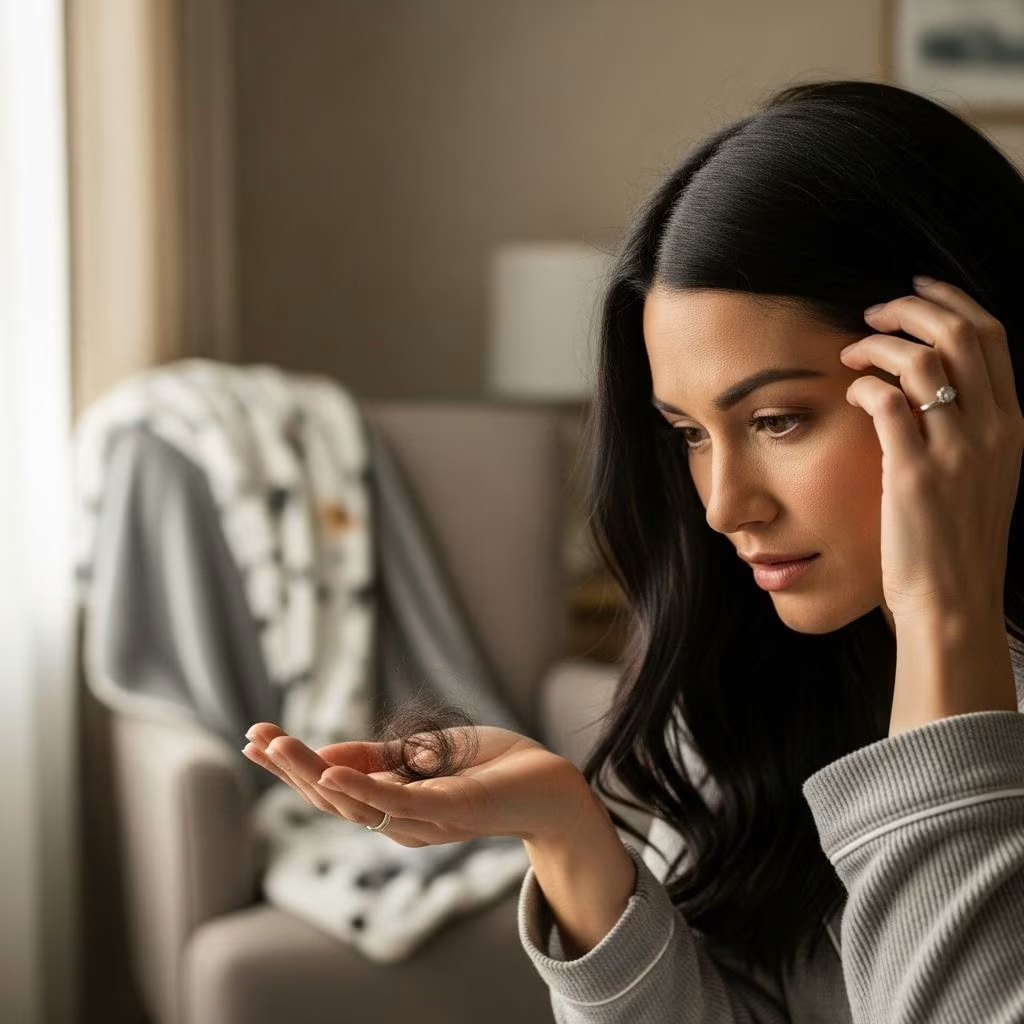
Postpartum Hair Loss: An Introduction
After childbirth, many new mothers notice their hair shedding far more than usual. Postpartum hair loss, also known as postpartum alopecia or telogen effluvium, can be an alarming and emotional experience, but it is a common physiological response to the changes brought about by pregnancy and delivery.
According to clinical studies, over 90% of women report some degree of hair thinning or shedding in the months following birth, reflecting a widespread phenomenon rather than a rare complication.
What Is Postpartum Hair Loss?
During pregnancy, elevated estrogen levels prolong the growth phase (anagen) of hair follicles, resulting in thicker and fuller hair. However, in the weeks after delivery, estrogen rapidly drops, triggering a shift from the growth phase to the resting phase (telogen). This leads to increased shedding, usually noticeable three to six months postpartum.
The average timeline observed in research is:
- Start: Around 2–3 months postpartum
- Peak: Between 4–5 months
- End: By 8–12 months postpartum for most women
Shedding typically presents around the hairline and temples but can affect the entire scalp.
Main Causes of Postpartum Hair Loss
- Hormonal Changes: The drop in estrogen after delivery is the primary trigger, disrupting the delicate balance of the hair growth cycle.
- Physical Stress: Childbirth is taxing; blood loss, sleep deprivation, and sudden lifestyle changes contribute to the shedding process.
- Psychological Factors: Emotional stress, including postpartum depression and anxiety, can impact hair health.
- Breastfeeding: Longer-term breastfeeding has been independently associated with higher postpartum hair loss rates.
- Preterm Labor: Women experiencing preterm labor are at increased risk due to amplified stressors and hormonal disturbances.
These factors work synergistically to alter the natural hair growth-rest cycle, causing more hair follicles to move into shedding mode.
How Common Is Postpartum Hair Loss?
Population studies reveal that postpartum hair loss is exceedingly prevalent:
- Over 40–50% of women experience noticeable postpartum shedding, according to the American Pregnancy Association.
- Clinical survey data suggest as many as 91.8% of participants reported some hair loss after childbirth.
This data confirms postpartum shedding is a near-universal experience for mothers.
Symptoms and Patterns to Expect
Postpartum hair loss manifests in several ways:
- Clumps of hair found on pillows, hairbrushes, or shower drains
- Hair thinning at the temples and frontal hairline
- Brittle strands and increased hair breakage
- An overall decrease in hair volume and density
It is important to note that the hair lost during this phase is typically hair that would have been shed during pregnancy, had estrogen not prolonged its growth.
When Does Postpartum Hair Loss Start and End?
| Phase | Approximate Timing | Description |
|---|---|---|
| Start | 2–3 months after birth | First signs of increased shedding; usually subtle |
| Peak | 4–6 months postpartum | Most dramatic hair loss; noticeable thinning or bald patches |
| End | 8–12 months postpartum | Shedding subsides, regrowth begins; hair returns to baseline volume |
For most women, full recovery of hair density occurs within a year after childbirth. If shedding persists, consult a healthcare professional for further evaluation.
Key Risk Factors and Predictors
- Length of Breastfeeding: Longer breastfeeding periods (more than 6–12 months) increase odds for postpartum hair loss.
- Preterm Birth: Associated with earlier and more severe hair shedding.
- Poor Nutrition: Lack of vitamins and minerals (iron, vitamin D, omega-3 fatty acids) worsens shedding.
- High Stress Levels: Both psychological and physical stress disrupt hair growth cycles.
Is Postpartum Hair Loss Permanent?
Postpartum hair loss is usually temporary. The shedding phase naturally resolves as hormone levels stabilize, stress decreases, and nutritional status improves. Most women see marked improvement within 6–12 months, but sustained hair loss or patchy baldness should always be reviewed by a dermatologist to rule out other causes like thyroid dysfunction, anemia, or underlying scalp conditions.
Effective Management and Treatment Options
While there is no proven method to prevent postpartum hair loss, several strategies can enhance recovery and appearance:
- Gentle Hair Care: Avoid harsh brushing or heat styling. Opt for air-drying and minimal handling to reduce breakage.
- Balanced Nutrition: A diet rich in dark leafy greens, eggs, fish, carrots, and sweet potatoes supports optimal hair health.
- Supplements: Continuing prenatal vitamins, especially if breastfeeding, ensures key nutrients are available, such as iron, biotin, and vitamin D.
- Volumizing Shampoos: Choose lightweight shampoos; avoid heavy conditioners which may cause limp hair.
- Stress Reduction: Prioritize rest and self-care to support overall recovery and minimize emotional stress impacts.
Medical and Dermatological Treatments
- Topical Minoxidil (Rogaine): Can be used for persistent or severe cases; consult a doctor before application when breastfeeding or postpartum.
- Platelet-Rich Plasma (PRP) Therapy: This in-office procedure uses platelet-rich plasma from your own blood to stimulate follicle regrowth and healing, typically reserved for chronic hair loss.
- Low-Level Laser Therapy: Targeted light treatments shown to encourage hair regrowth in certain clinical settings.
Seek professional advice for persistent or dramatic shedding, as these treatments might not be suitable for everyone.
Lifestyle and Home Remedies
- Limit Styling: Avoid frequent up-dos, tight buns, or ponytails, which can tug and stress fragile hair.
- Gentle Products: Use sulfate-free, hydrating shampoos, and nourishing conditioners for scalp health.
- Regular Scalp Massage: Massaging the scalp with fingertips can boost blood circulation and potentially aid regrowth.
Emotional Impact and Self-Esteem
Sudden hair loss after pregnancy can affect confidence and self-image. It is important for new mothers to recognize that postpartum shedding is a natural recovery process rather than a personal failing. Support networks, open communication with partners, and consulting with specialists can help mitigate emotional distress and foster resilience during this transition period.
When to Consult a Doctor
- Shedding lasts longer than 12 months
- Noticeable bald patches not improving
- Scalp symptoms such as redness, sores, or severe itching
- Associated symptoms like sudden weight loss, fatigue, or hormonal disturbances
These signs may indicate an underlying condition (thyroid dysfunction, iron deficiency, alopecia areata) requiring targeted treatment.
Scientific Insights: What Research Shows
| Factor | Correlation with Hair Loss |
|---|---|
| Long-term breastfeeding | Sharp increase in postpartum shedding odds |
| Preterm labor | Earlier onset and more severe loss |
| Poor sleep | Associated with higher stress and shedding |
| Poor nutrition | Worsens the degree of hair loss |
Most studies reinforce postpartum hair loss as temporary, yet emphasize the importance of lifestyle management and medical evaluation for atypical cases.
Myths and Facts About Postpartum Hair Loss
- Myth: You can prevent hair shedding with special shampoos.
- Fact: No treatment can halt the shedding process, but good care helps hair recover faster.
- Myth: Only women with poor health lose hair after birth.
- Fact: Nearly all women experience some degree of hair loss due to hormonal changes.
- Myth: Postpartum hair loss means permanent baldness.
- Fact: Most moms see full regrowth within a year; persistent issues are rare and treatable.
FAQs: Postpartum Hair Loss
Q: How long does postpartum hair loss last?
A: Shedding often begins 2–3 months after delivery, peaks around 4–5 months, and subsides by the baby’s first birthday for most women.
Q: Is it normal to lose clumps of hair after having a baby?
A: Yes, significant shedding—sometimes in clumps—is a typical effect of hormonal changes postpartum.
Q: Can I prevent postpartum hair loss?
A: There is no proven way to prevent it, but good diet, gentle care, and stress management can minimize its impact.
Q: What treatments are available if my hair doesn’t regrow?
A: Persistent hair loss can be addressed with topical Minoxidil, PRP therapy, laser treatments, and thorough medical evaluation.
Q: Does breastfeeding cause more hair loss?
A: Studies show longer breastfeeding periods are independently associated with increased risk of postpartum shedding.
Q: Should I see a doctor about postpartum hair loss?
A: Yes, if shedding persists past 12 months, is severe, or accompanied by other symptoms, consult a dermatologist.
Actionable Tips For New Moms
- Stay gentle: Avoid tight hairstyles, excessive brushing, and harsh treatments.
- Eat a balanced diet: Prioritize fruits, vegetables, and protein sources rich in iron, vitamin D, and omega-3s.
- Continue prenatal vitamins: Especially important if breastfeeding.
- Find support: Share concerns with loved ones and consider joining new mom communities.
- Consult a professional: If worried, early care can identify and address underlying health concerns.
Summary: What Every New Mom Should Know
Postpartum hair loss is a normal, temporary phase affecting most mothers after childbirth. Though the shedding can be distressing, especially as it peaks a few months postpartum, hair regrowth and restoration are seen in nearly all cases by the end of one year.
Good nutrition, gentle hair care, and stress management can help speed recovery. Treatments such as topical medications or in-office procedures are available for those with persistent or severe symptoms. Remember that with patience, care, and support, confidence and hair health will be restored.
References
- https://my.clevelandclinic.org/health/diseases/23297-postpartum-hair-loss
- https://www.aad.org/public/diseases/hair-loss/insider/new-moms
- https://www.healthline.com/health/parenting/postpartum-hair-loss
- https://www.tru-skin.com/blog/understanding-postpartum-hair-loss
- https://www.thebump.com/a/postpartum-hair-loss
- https://www.webmd.com/baby/what-to-do-if-you-have-postpartum-hair-loss
- https://pmc.ncbi.nlm.nih.gov/articles/PMC10846762/
- https://onlinedoctor.lloydspharmacy.com/uk/hair-loss-advice/pregnancy-and-postpartum-hair-loss


